Coatings applied to plastic substrates to enhance their appearance, durability, or functionality are a common practice in manufacturing. These treatments can range from simple lacquers that provide a glossy sheen to more complex multi-layered systems that offer resistance to abrasion, chemicals, and ultraviolet radiation. As an example, a high-performance polymer application on automotive interiors can significantly improve scratch resistance and aesthetic appeal.
The application of surface treatments to polymeric materials is crucial in a variety of industries, offering significant benefits such as extended product lifespan, improved aesthetics, and enhanced performance characteristics. Historically, such treatments were primarily focused on improving appearance; however, modern formulations and application techniques now provide a wider range of functionalities, including antimicrobial properties and increased structural integrity.
The subsequent discussion will delve into the various types of treatments, their specific applications across different sectors, and the techniques employed in their application. This exploration aims to provide a detailed understanding of the materials, processes, and considerations involved in achieving optimal results in surface enhancement.
Guidance on Polymeric Surface Enhancement
Achieving optimal results with polymeric surface treatments requires careful consideration of material selection, application techniques, and environmental factors. The following guidelines provide insights into key aspects of the process.
Tip 1: Material Compatibility is Paramount. Prior to application, ensure complete compatibility between the coating material and the plastic substrate. Incompatibility can lead to adhesion failures, cracking, or discoloration. Conduct adhesion tests and chemical resistance assessments to verify compatibility.
Tip 2: Surface Preparation is Critical. Proper surface preparation is essential for optimal adhesion. Clean the plastic substrate to remove contaminants such as mold release agents, dust, and fingerprints. Consider employing surface treatments like plasma etching or chemical etching to enhance adhesion.
Tip 3: Control Environmental Conditions. Maintaining consistent temperature and humidity levels during application and curing processes is crucial. Fluctuations can affect the uniformity, gloss, and overall performance of the coating. Consult the manufacturer’s specifications for recommended environmental parameters.
Tip 4: Select the Appropriate Application Method. The chosen application methodspraying, dipping, or powder coatingshould be selected based on the geometry of the part, the desired coating thickness, and the viscosity of the material. Optimize parameters like spray pressure, nozzle distance, and immersion time to achieve a uniform layer.
Tip 5: Curing Processes Must Be Precisely Controlled. Adhere strictly to the recommended curing schedule provided by the coating manufacturer. Insufficient curing can lead to incomplete crosslinking and compromised durability, while over-curing can result in brittleness and cracking.
Tip 6: Consider UV Protection. If the plastic product is intended for outdoor use, select a coating formulation that incorporates UV absorbers or stabilizers to mitigate degradation caused by ultraviolet radiation. Regular inspection for signs of degradation and reapplication may be necessary.
Tip 7: Regularly Evaluate Coating Performance. Implement a quality control program to regularly assess the performance of applied surface treatments. Tests such as abrasion resistance, chemical resistance, and adhesion strength should be performed to ensure that the coatings continue to meet the required performance standards.
These guidelines underscore the importance of meticulous planning and execution when working with polymeric surface treatments. By focusing on material compatibility, surface preparation, environmental control, and appropriate application techniques, it is possible to enhance product quality, extend service life, and achieve desired aesthetic outcomes.
These are some tips about “plastic finishes” to further the article’s conclusion.
1. Durability Enhancement

Coatings applied to polymeric substrates play a significant role in enhancing durability. The susceptibility of many plastics to scratching, abrasion, chemical exposure, and ultraviolet radiation necessitates protective measures. Surface treatments act as a barrier, mitigating these environmental stressors and extending the service life of the plastic component. For example, the application of a hard coat to polycarbonate eyewear increases its scratch resistance, thereby maintaining optical clarity and preventing premature degradation.
The enhancement of durability via coatings extends beyond simple physical protection. Specialized formulations can impart chemical resistance, preventing degradation from exposure to solvents, acids, or other corrosive substances. This is particularly important in industrial applications where plastic components are exposed to harsh chemicals. Furthermore, UV-resistant formulations prevent yellowing, cracking, and embrittlement caused by prolonged exposure to sunlight, preserving the structural integrity and aesthetic appeal of outdoor plastic products such as automotive trim and garden furniture.
Understanding the relationship between surface treatments and durability is practically significant for both manufacturers and consumers. Selection of appropriate coatings based on intended use and environmental conditions is crucial for maximizing product lifespan and minimizing replacement costs. While the initial investment in high-performance coatings may be higher, the long-term benefits of enhanced durability often outweigh the initial expense. Challenges remain in developing coatings that balance durability with cost-effectiveness, environmental sustainability, and ease of application, driving ongoing innovation in materials science and coating technology.
2. Aesthetic Modification

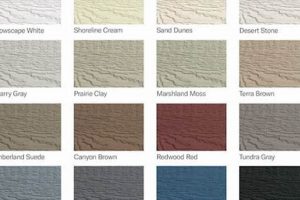
The application of coatings to polymeric materials serves a critical function in modifying their visual appearance. These modifications range from altering the gloss level of a surface to imparting specific colors, textures, or decorative effects. The selection of a particular coating system is often dictated by the desired aesthetic properties, which can significantly influence consumer perception and product value. For instance, an automotive interior component may receive a coating designed to replicate the appearance of brushed aluminum or carbon fiber, enhancing the perceived quality and luxury of the vehicle. This is a clear cause-and-effect relationship where the coating is directly responsible for the aesthetic effect.
Aesthetic modification is not merely superficial; it often plays an integral role in conveying brand identity and differentiating products in competitive markets. Consider the use of matte coatings on consumer electronics, which not only provide a more tactile feel but also communicate a sense of sophistication and understated elegance. The use of colored surface treatments allows for the creation of visually appealing products, thereby influencing purchasing decisions. Surface texture plays an equally critical role. Coatings can create surfaces ranging from glossy and smooth to rough and textured, which affects the user experience and overall impression of the product. Therefore, understanding the science behind color formulation, texture development, and gloss control is vital for achieving desired aesthetic outcomes. Surface treatments are a significant piece that elevates the appearance and feel of the products.
The pursuit of aesthetic excellence in coatings presents ongoing challenges. Maintaining color consistency across different production batches, ensuring uniform gloss levels on complex geometries, and developing coatings that resist fading or discoloration over time require careful attention to formulation and application processes. The increasing demand for sustainable and environmentally friendly coating solutions further complicates these challenges. Despite these hurdles, aesthetic modification remains a central driving force in the development and application of coatings to polymeric materials, impacting industries ranging from automotive and electronics to consumer goods and packaging. Innovations in coating technology continue to expand the possibilities for aesthetic customization, enabling manufacturers to create products that are not only functional but also visually appealing and emotionally resonant.
3. Chemical Resistance

The ability of surface treatments to withstand exposure to various chemicals is a critical performance characteristic. Polymeric materials, while offering advantages in terms of weight and cost, can be susceptible to degradation or damage when exposed to solvents, acids, bases, and other aggressive substances. Surface treatments provide a protective barrier, preventing direct contact between the chemical agent and the plastic substrate, thereby extending the service life and maintaining the integrity of the component. The selection of an appropriate treatment is contingent upon the specific chemicals the component is likely to encounter during its operational life.
- Barrier Properties
Coatings function as a physical barrier, preventing chemical permeation and subsequent degradation of the underlying plastic. The effectiveness of this barrier depends on the coating’s composition, thickness, and degree of cross-linking. For instance, epoxy-based coatings are commonly employed to provide resistance to solvents in industrial environments, while fluoropolymer coatings offer exceptional resistance to acids and bases in chemical processing applications. The integrity of the coating, including the absence of pinholes or cracks, is paramount in ensuring effective protection.
- Chemical Compatibility
The chemical compatibility between the surface treatment and the plastic substrate is vital. If the coating itself is susceptible to the chemicals present, it can swell, dissolve, or delaminate, compromising its protective function. Selection of chemically resistant polymers, such as polyurethanes or acrylics formulated with specific additives, is often necessary. Furthermore, careful consideration must be given to the potential interaction between the coating and any additives or plasticizers present in the plastic itself, as these can affect the coating’s overall performance.
- Application Techniques
The method of application can significantly influence the chemical resistance of surface treatments. Uniform and complete coverage is essential to prevent chemical attack on exposed areas of the plastic substrate. Techniques such as spraying, dipping, or powder coating are employed, each offering advantages and disadvantages in terms of coverage, thickness control, and cost-effectiveness. Proper surface preparation, including cleaning and priming, is crucial to ensure adequate adhesion and prevent undercutting of the coating by chemical agents.
- Testing and Standards
Standardized testing methods are employed to evaluate the chemical resistance of surface treatments. These tests typically involve exposing coated samples to specific chemicals for predetermined periods and assessing the changes in weight, appearance, hardness, and other relevant properties. Industry standards, such as those developed by ASTM International, provide guidance on conducting these tests and interpreting the results. Compliance with these standards is often a requirement for applications in regulated industries, such as automotive, aerospace, and medical devices.
In conclusion, the implementation of chemical resistant treatments on polymeric materials is a complex process requiring careful consideration of material selection, application techniques, and testing protocols. The benefits of these treatments are significant, extending the lifespan and expanding the range of applications for plastic components in demanding environments. As new materials and technologies emerge, ongoing research and development are essential to further enhance the chemical resistance of surface treatments and meet the evolving needs of industry.
4. UV Protection

Ultraviolet (UV) radiation poses a significant threat to the structural integrity and aesthetic appearance of plastic materials. The application of specialized coatings offers a critical line of defense, mitigating the harmful effects of UV exposure and extending the service life of plastic components used in outdoor or UV-rich environments. The careful selection and application of UV protective coatings are essential considerations in product design and manufacturing.
- Mechanism of UV Degradation
UV radiation initiates a chain of chemical reactions within plastic polymers, leading to chain scission, cross-linking, and the formation of chromophores, which cause discoloration. This degradation manifests as embrittlement, cracking, and loss of mechanical strength. Protective coatings function by either absorbing UV radiation or reflecting it away from the plastic substrate, preventing these damaging reactions from occurring. For example, polyethylene garden furniture left unprotected will degrade in the sun and become brittle. A coating with UV protection delays that process.
- Types of UV Protective Additives
UV protective coatings typically incorporate additives such as UV absorbers (UVAs) and hindered amine light stabilizers (HALS). UVAs selectively absorb UV radiation and dissipate it as heat, preventing it from reaching the plastic. HALS act as radical scavengers, intercepting the free radicals generated by UV exposure and interrupting the degradation process. The choice of additive depends on the specific type of plastic, the expected UV exposure level, and the desired longevity of the product. A coating may combine both UVA and HALS.
- Coating Formulation and Application
The effectiveness of UV protection is highly dependent on the formulation and application of the coating. The concentration and dispersion of UV protective additives must be optimized to ensure uniform protection across the entire surface of the plastic component. Proper adhesion of the coating to the plastic substrate is crucial to prevent delamination and maintain long-term effectiveness. Application techniques such as spraying, dipping, or powder coating must be carefully controlled to achieve the desired thickness and uniformity. Poor adherence means reduced UV protection.
- Performance Testing and Standards
The UV resistance of surface treatments is evaluated using accelerated weathering tests, which simulate prolonged exposure to sunlight, heat, and moisture. These tests measure changes in color, gloss, mechanical properties, and other relevant parameters. Industry standards, such as those developed by ASTM International, provide guidance on conducting these tests and interpreting the results. Compliance with these standards is often a requirement for applications in automotive, construction, and outdoor furniture industries. Standardized testing ensures that products meet minimum criteria for withstanding UV radiation.
The strategic implementation of UV protective in treatments represents a significant investment in the durability and aesthetic longevity of plastic products. By understanding the mechanisms of UV degradation, selecting appropriate additives, and employing proper application techniques, manufacturers can effectively mitigate the harmful effects of UV exposure and deliver products that maintain their performance and appearance over time. Ongoing research and development continue to drive innovation in UV coating technology, offering increasingly effective and sustainable solutions for protecting plastic materials in diverse environments.
5. Adhesion Quality

The efficacy of any coating applied to a plastic substrate is inextricably linked to its adhesion quality. Without adequate adhesion, even the most advanced surface treatment will fail to provide the intended benefits, such as enhanced durability, chemical resistance, or aesthetic appeal. Therefore, adhesion quality is paramount in ensuring the long-term performance and reliability of plastic finishes.
- Surface Preparation Techniques
Achieving optimal adhesion requires meticulous surface preparation prior to coating application. Contaminants such as mold release agents, oils, and dust can significantly impede adhesion. Techniques such as solvent cleaning, plasma treatment, and abrasion are employed to remove these contaminants and create a surface that is receptive to the coating. The choice of surface preparation method depends on the type of plastic and the nature of the contaminants present. For example, plasma treatment can alter the surface chemistry of the plastic, improving its wettability and enhancing adhesion.
- Chemical Compatibility Considerations
The chemical compatibility between the coating material and the plastic substrate is critical for achieving strong and durable adhesion. The coating must be capable of interacting with the plastic surface at a molecular level, forming chemical bonds or physical interlocks. Incompatible coating-substrate combinations can lead to weak adhesion and premature failure. For example, using a polar coating on a non-polar plastic may result in poor adhesion due to the lack of intermolecular forces. Selecting coatings that are specifically formulated for use with particular types of plastic is essential.
- Application Parameters and Curing Processes
The manner in which the coating is applied and cured significantly impacts adhesion quality. Parameters such as spray pressure, coating thickness, and curing temperature must be carefully controlled to ensure proper wetting of the substrate and optimal cross-linking of the coating. Improper application or curing can result in the formation of weak boundary layers or residual stresses, which can compromise adhesion. For example, excessive coating thickness can lead to internal stresses that weaken the bond between the coating and the plastic. Adhering to the coating manufacturer’s recommendations is critical for achieving optimal adhesion.
- Testing and Evaluation Methods
Various testing methods are employed to evaluate the adhesion quality of plastic finishes. These tests range from simple qualitative assessments, such as tape tests, to more sophisticated quantitative measurements, such as peel tests and scratch tests. These tests provide valuable information regarding the strength and durability of the bond between the coating and the plastic. For example, a cross-cut tape test can quickly identify areas of poor adhesion, while a peel test provides a quantitative measure of the force required to separate the coating from the substrate. Regular adhesion testing is essential for quality control and ensuring the long-term performance of surface treatments.
The integration of these facets underscores the complexity inherent in achieving reliable adhesion of surface treatments to plastic materials. By meticulously addressing surface preparation, chemical compatibility, application parameters, and rigorously evaluating adhesion quality, it is possible to maximize the performance and longevity of plastic finishes, resulting in products that meet stringent performance and aesthetic requirements.
Frequently Asked Questions About Coatings on Plastics
This section addresses common inquiries regarding the application, performance, and maintenance of surface treatments applied to polymeric materials. The objective is to provide clear, concise answers to facilitate a better understanding of this important field.
Question 1: What are the primary benefits derived from applying surface treatments to plastic components?
Surface treatments on plastic offer several key benefits. These include enhanced resistance to scratching and abrasion, improved chemical resistance against solvents and corrosive substances, protection against ultraviolet (UV) radiation to prevent degradation, and modifications to the aesthetic appearance, such as color, gloss, and texture.
Question 2: How is the compatibility between a coating and a plastic substrate assessed?
Compatibility assessments involve evaluating the adhesive properties of the coating on the substrate, as well as assessing the potential for chemical interactions or degradation. Techniques such as adhesion testing, solvent resistance testing, and long-term exposure tests are employed to ensure that the coating adheres effectively and does not adversely affect the substrate or vice versa.
Question 3: What surface preparation techniques are essential prior to the application of surface treatments on plastics?
Proper surface preparation is critical for achieving optimal adhesion. This typically involves cleaning the substrate to remove contaminants such as mold release agents, oils, and dust. Additional techniques, such as plasma treatment or chemical etching, may be employed to increase the surface energy of the plastic and improve its receptivity to the coating.
Question 4: How do UV protective coatings safeguard plastics from degradation?
UV protective coatings incorporate additives that absorb or reflect ultraviolet radiation, preventing it from penetrating the plastic and initiating degradation reactions. These additives, such as UV absorbers and hindered amine light stabilizers (HALS), protect the polymer chains from chain scission and discoloration caused by UV exposure.
Question 5: What quality control measures are employed to assess the performance of surface treatments on plastics?
Quality control measures include visual inspections for defects such as pinholes or orange peel, adhesion testing to ensure adequate bonding, chemical resistance testing to evaluate the coating’s ability to withstand exposure to various chemicals, and accelerated weathering tests to assess long-term durability.
Question 6: Can surface treatments be applied to recycled plastics, and what considerations apply?
Surface treatments can be applied to recycled plastics, but additional considerations apply. Recycled plastics may contain contaminants or exhibit variations in composition, which can affect adhesion and performance. Thorough cleaning and surface preparation are essential, and the coating system must be selected to accommodate the specific characteristics of the recycled material.
In summary, these responses highlight the importance of careful material selection, meticulous surface preparation, and rigorous quality control in achieving optimal results with coatings applied to plastic components. A comprehensive understanding of these factors is essential for maximizing the benefits of treatments in diverse applications.
The following section will explore emerging trends and future directions in the field of surface treatments for plastics.
Conclusion
The preceding exploration has elucidated the multifaceted nature of surface treatments applied to polymeric materials. From the enhancement of durability and aesthetic modification to the provision of chemical and UV resistance, these applied layers fulfill critical functions in extending product lifecycles and expanding application possibilities. Adhesion quality, underpinned by meticulous surface preparation and material compatibility, stands as a cornerstone of long-term performance.
Continued advancements in material science and application technologies are poised to further refine the capabilities of this type of surface treatment. The ongoing pursuit of sustainable, high-performance solutions will shape the future of this area, impacting industries ranging from automotive and aerospace to consumer goods and beyond. Therefore, a commitment to ongoing research and development remains paramount in realizing the full potential of surface treatments applied to polymeric materials.