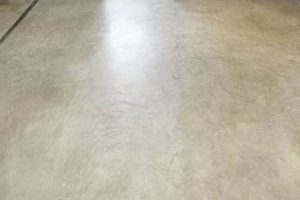
The selection of a suitable protective layer for a garage’s concrete surface is a crucial decision for homeowners and professionals alike. This layer shields the underlying material from a range of potential damage, including chemical spills, abrasion from vehicles, and the effects of moisture and temperature fluctuations. For example, an epoxy-based solution provides a durable, resistant surface that can withstand heavy use and exposure to harsh substances.
A properly applied and maintained protective layer enhances the longevity of the underlying concrete, preventing costly repairs and maintaining the aesthetic appeal of the space. Historically, simple sealants were the only option; however, advancements in material science have led to a diverse array of high-performance options. These options offer improved durability, resistance to chemicals, and enhanced visual appeal.
Considerations for selecting the optimal protective layer will include factors such as the intended use of the garage, the existing condition of the concrete, and the desired aesthetic. Subsequent sections will explore various types of materials, their respective advantages and disadvantages, and the application processes involved.
Enhancing Garage Floor Protection
Optimal performance from any protective coating relies on a thorough understanding of surface preparation, material properties, and application techniques. The following guidelines offer critical insights for achieving a durable and aesthetically pleasing result.
Tip 1: Concrete Preparation is Paramount: Proper preparation involves thoroughly cleaning the existing surface to remove any existing coatings, grease, oil, or other contaminants. Grinding or acid etching may be necessary to achieve an adequate profile for proper adhesion.
Tip 2: Moisture Testing is Essential: Before applying any coating, conduct a moisture vapor transmission test. Excessive moisture within the concrete can lead to blistering or delamination of the applied layer.
Tip 3: Select the Appropriate Material: Different coatings offer varying levels of resistance to chemicals, abrasion, and impact. Consider the specific demands of the garage environment when making a selection.
Tip 4: Follow Manufacturer’s Instructions Precisely: Adherence to the manufacturer’s guidelines regarding mixing ratios, application temperatures, and curing times is crucial for achieving the intended performance characteristics.
Tip 5: Apply Multiple Thin Coats: Applying multiple thin coats, rather than a single thick coat, promotes better adhesion and reduces the likelihood of bubbles or other imperfections.
Tip 6: Consider Adding Non-Slip Additives: For enhanced safety, particularly in areas prone to moisture or spills, incorporate a non-slip additive into the coating.
Tip 7: Proper Ventilation During Application: Ensure adequate ventilation during application and curing to avoid the accumulation of hazardous fumes.
Implementing these recommendations ensures a more durable, aesthetically pleasing, and safer garage environment. Investing in proper preparation and application yields significant long-term benefits.
The subsequent sections will provide a detailed comparison of various protective coating materials, highlighting their respective strengths and weaknesses.
1. Durability

Durability, in the context of garage floor coatings, refers to the capacity of a material to withstand wear, abrasion, impact, and exposure to various environmental stressors over an extended period. The relationship between durability and achieving an optimal protective layer is direct and significant: insufficient durability necessitates premature replacement, increased maintenance, and potential damage to the underlying concrete substrate. For example, a coating with poor abrasion resistance will quickly degrade under vehicular traffic, leading to unsightly wear patterns and eventual exposure of the concrete.
Coatings must also resist damage from dropped tools, chemical spills (such as oil, gasoline, and solvents), and temperature fluctuations. Polyaspartic coatings, renowned for their high impact and chemical resistance, represent a practical example of prioritizing durability. These coatings, while potentially more expensive initially, offer significantly extended lifespans and reduced maintenance needs compared to less robust options like simple epoxy sealers. Selecting a material without adequately addressing durability considerations often results in a false economy, as the costs associated with frequent repairs or replacements quickly outweigh any initial savings.
Understanding the specific durability requirements of a given garage environment is crucial for selecting the optimal protective layer. This includes assessing the frequency and type of traffic, the potential for chemical spills, and the range of temperature fluctuations. Prioritizing durability translates to long-term cost savings, reduced maintenance requirements, and a more aesthetically pleasing and functional garage space. Disregarding durability in the selection process invariably leads to compromised performance and diminished value.
2. Chemical Resistance

Chemical resistance is a critical attribute when determining the suitability of a garage floor coating. Garages are inherently susceptible to spills and leaks of various automotive fluids, cleaning agents, and other chemicals. The capacity of a protective layer to withstand exposure to these substances without degradation directly impacts its longevity, appearance, and overall functionality.
- Resistance to Automotive Fluids
Automotive fluids such as motor oil, brake fluid, gasoline, and antifreeze are commonly present in garages. A coating with poor resistance to these chemicals will soften, stain, or dissolve upon contact, leading to an unsightly and potentially slippery surface. The ability to withstand prolonged exposure to these fluids without damage is paramount. For instance, epoxy coatings, while offering good overall durability, can be susceptible to staining from certain brake fluids if not properly formulated or sealed.
- Resistance to Solvents and Cleaners
Garages often require cleaning with various solvents and detergents to remove dirt, grease, and other contaminants. A coating should be resistant to these cleaning agents to prevent etching, discoloration, or softening of the surface. The selection of appropriate cleaning products is also crucial to maintain the integrity of the protective layer. Harsh solvents can degrade even the most resistant coatings over time, highlighting the importance of using manufacturer-recommended cleaning solutions.
- Resistance to Road Salts and De-icing Agents
In regions with winter weather, vehicles often track road salts and de-icing agents into the garage. These substances can be highly corrosive and damaging to concrete and some floor coatings. A protective layer must be resistant to these salts to prevent deterioration and maintain its structural integrity. Polyaspartic and polyurethane coatings generally exhibit superior resistance to road salts compared to standard epoxy coatings.
- Impact on Coating Longevity and Appearance
The degree of chemical resistance directly affects the lifespan and aesthetic appeal of the coating. A coating that degrades due to chemical exposure will require more frequent repairs or replacement, increasing long-term costs. Staining, discoloration, and surface degradation also detract from the overall appearance of the garage. Selecting a coating with appropriate chemical resistance is a critical investment in the long-term value and functionality of the garage space.
The integration of robust chemical resistance into the selection criteria ensures the longevity and visual appeal of the garage floor. This consideration extends beyond the immediate application, influencing maintenance protocols and contributing to the overall return on investment in a protective coating solution. The balance between cost, application complexity, and the projected chemical exposure profile ultimately dictates the optimal choice.
3. Ease of Cleaning

The characteristic of effortless maintenance is a critical consideration in evaluating floor coatings for garage environments. The accumulation of dirt, oil, and other contaminants is inevitable in such settings. Consequently, a surface that facilitates simple and efficient cleaning procedures is a key determinant in the long-term value and satisfaction derived from a garage floor finish.
- Surface Smoothness and Impermeability
A smooth, non-porous surface is inherently easier to clean than a rough or porous one. Impermeability prevents the absorption of liquids and contaminants, inhibiting staining and simplifying the removal of spills. For instance, epoxy and polyaspartic coatings, when properly applied, create a seamless and impermeable barrier, facilitating the effortless removal of oil stains and other common garage contaminants.
- Resistance to Chemical Cleaners
The selected coating must withstand regular cleaning with a variety of chemical agents, including detergents, degreasers, and solvents, without degradation or discoloration. A coating that is susceptible to chemical damage will require specialized cleaning procedures and may exhibit reduced longevity. Polyurethane coatings, known for their chemical resistance, are frequently employed in environments where frequent and aggressive cleaning is necessary.
- Maintenance Requirements
The extent and frequency of maintenance required to preserve the aesthetic appeal and functionality of the coating directly influence its overall practicality. A low-maintenance coating minimizes the time and resources allocated to cleaning, allowing for greater utility of the garage space. Coatings that require frequent waxing or specialized cleaning products are generally less desirable than those that can be maintained with simple sweeping and occasional mopping.
- Impact on Long-Term Appearance
The ease with which a coating can be cleaned directly impacts its long-term appearance. A surface that is easily cleaned will retain its original luster and color for a longer period, enhancing the overall aesthetic of the garage. Conversely, a difficult-to-clean coating will accumulate dirt and stains, resulting in a diminished appearance and potentially reducing the value of the property.
In summary, the connection between ease of cleaning and the suitability of a garage floor finish is undeniable. The selection of a coating that minimizes maintenance requirements, resists chemical damage, and provides a smooth, impermeable surface contributes significantly to the long-term value, functionality, and aesthetic appeal of the garage environment.
4. Application Process
The method of installation significantly influences the performance and longevity of any garage floor coating. A material’s inherent qualities are only fully realized through adherence to specific application protocols. Therefore, the selection of an optimal solution necessitates a thorough understanding of the procedures involved.
- Surface Preparation
Adequate surface preparation is non-negotiable. This typically involves removing existing coatings, cleaning contaminants (oil, grease), and profiling the concrete to ensure proper adhesion. Failure to properly prepare the surface can lead to premature coating failure, regardless of the material’s inherent durability. For example, applying an epoxy coating over an unprepared, contaminated surface often results in blistering or delamination within a short period.
- Mixing and Application Technique
Correct mixing ratios and application techniques are critical. Many coatings require precise mixing of multiple components. Deviations from the manufacturer’s instructions can alter the material’s properties, affecting its hardness, flexibility, and chemical resistance. The application method, whether by roller, brush, or squeegee, must be appropriate for the specific coating and the desired finish. Improper application can result in uneven coverage, air bubbles, or other defects.
- Environmental Conditions
Temperature and humidity levels during application and curing can significantly impact the outcome. Extreme temperatures can affect the curing rate, potentially leading to incomplete hardening or other issues. High humidity can interfere with the adhesion process. Most coatings have specific temperature and humidity ranges within which they must be applied to ensure optimal performance. For instance, applying an epoxy coating in excessively humid conditions can cause a blush, a cloudy or hazy appearance on the surface.
- Curing Time and Procedures
Allowing sufficient curing time is essential. Premature use of the floor before the coating has fully cured can result in damage or reduced lifespan. Curing procedures may also involve controlling temperature and humidity to optimize the hardening process. Some coatings require several days or even weeks to achieve full chemical resistance. Ignoring the specified curing time invariably compromises the coating’s intended performance characteristics.
These considerations highlight that selecting a durable and resistant garage floor finish extends beyond merely choosing the right material. The application process, encompassing preparation, mixing, environmental control, and curing, directly determines the ultimate success and longevity of the protective layer.
5. Aesthetic Qualities
The visual appearance of a garage floor contributes significantly to the overall perception of a property’s value and maintenance. While functionality remains paramount, the aesthetic qualities of the flooring material directly influence the space’s perceived cleanliness, organization, and suitability for varied uses. The selection of color, texture, and finish dictates the ambiance and functionality of a garage. A light-colored, reflective surface enhances illumination, improving visibility and safety, while a textured surface can conceal minor imperfections and provide slip resistance. For instance, a high-gloss epoxy finish can transform a drab, utilitarian space into a showroom-quality environment, increasing the garage’s usability for hobbies, workshops, or even recreational activities.
Furthermore, the visual appeal of a garage floor can impact property resale value. A well-maintained and aesthetically pleasing garage projects an image of meticulous home care, potentially increasing buyer interest and perceived value. Conversely, a stained, cracked, or otherwise unsightly garage floor can detract from the overall impression of the property. The availability of diverse color options, decorative flakes, and custom designs allows homeowners to tailor the garage floor to complement the architectural style of the house and reflect personal preferences. The use of aesthetically appealing flooring also encourages more diligent maintenance, further preserving the coating’s integrity and extending its lifespan.
In conclusion, aesthetic considerations are an integral component of the decision-making process when selecting an optimal garage floor coating. While durability, chemical resistance, and ease of cleaning are crucial, the visual appeal of the flooring significantly contributes to the space’s functionality, perceived value, and overall satisfaction. Failure to consider the aesthetic qualities can result in a functional but uninviting space, potentially diminishing the garage’s full potential and impacting long-term property value.
6. Cost Effectiveness
The concept of cost effectiveness, as it pertains to garage floor finishes, extends beyond the initial purchase price. It encompasses a holistic assessment of expenses incurred over the coating’s lifespan, including material costs, installation labor, maintenance requirements, and potential repair or replacement expenses. A seemingly inexpensive coating may prove to be cost-prohibitive in the long term if it necessitates frequent repairs or replacement due to poor durability or inadequate chemical resistance. Conversely, a higher-priced coating, such as polyaspartic, may offer superior long-term value due to its extended lifespan and reduced maintenance needs. Therefore, a careful evaluation of lifecycle costs is essential in determining the most cost-effective solution. For example, a water-based acrylic sealer, while inexpensive to apply, often requires reapplication every 1-2 years, resulting in higher cumulative costs compared to a one-time application of a more durable epoxy or polyurethane coating.
Evaluating the cost-effectiveness also requires considering the installation process. DIY installations may appear to save on labor costs initially. However, improper surface preparation or application techniques can lead to coating failure, necessitating professional intervention and incurring additional expenses. The cost of specialized equipment, such as concrete grinders or moisture meters, should also be factored into the DIY equation. Conversely, professional installation, while more expensive upfront, ensures proper surface preparation, application, and curing, minimizing the risk of premature failure and maximizing the coating’s lifespan. Furthermore, professional installers often provide warranties that cover material defects and installation errors, offering added protection and peace of mind. A comparative analysis of DIY versus professional installation costs, considering both short-term and long-term expenses, is crucial for making an informed decision.
Ultimately, selecting the most cost-effective garage floor finish involves a comprehensive assessment of lifecycle costs, installation considerations, and the anticipated usage and environmental conditions of the garage. Prioritizing upfront savings without considering long-term durability and maintenance can prove to be a costly mistake. A balanced approach, considering both initial investment and long-term performance, ensures that the chosen coating provides optimal value and protection for the garage floor.
7. Longevity
The inherent connection between a garage floor finish’s lifespan and its designation as the “best” is direct and undeniable. A finish demonstrating prolonged durability minimizes lifecycle costs and reduces the disruption associated with repairs or replacements. The impact of longevity extends beyond mere economic considerations, influencing the overall functionality and usability of the garage space. For example, a coating requiring replacement every two to three years, despite a low initial cost, necessitates recurring periods of garage unavailability and repetitive labor expenses. In contrast, a properly applied epoxy or polyaspartic coating, with a lifespan extending beyond ten years, offers sustained protection and minimizes interruptions.
The factors contributing to a floor finish’s longevity are multifaceted. Material composition, application technique, and environmental exposure all play critical roles. High-quality materials, formulated to withstand abrasion, chemical spills, and temperature fluctuations, inherently contribute to extended lifespans. Proper surface preparation, including thorough cleaning and profiling, ensures optimal adhesion, preventing premature delamination. Regular maintenance, such as sweeping and prompt spill cleanup, further enhances the coating’s durability. The absence of any of these factors can significantly compromise the finish’s longevity, irrespective of the inherent quality of the material. Consider the scenario of a polyurea coating, known for its exceptional durability, applied to an inadequately prepared surface. The result would likely be premature failure, demonstrating the importance of the installation process.
In summary, longevity is a key determinant of the “best garage floor finish,” representing a complex interplay between material properties, application techniques, and environmental factors. The practical significance of understanding this connection lies in making informed decisions that balance initial investment with long-term performance and maintenance costs. By prioritizing coatings that demonstrate robust durability and implementing proper maintenance protocols, individuals can maximize the value and usability of their garage space over an extended period. Failing to account for longevity can lead to frequent replacements, increased expenses, and persistent disruptions, thereby negating any perceived savings from a lower initial investment.
Frequently Asked Questions About Garage Floor Finishes
The following questions address common inquiries regarding the selection, application, and maintenance of protective coatings for concrete garage floors. The information provided aims to clarify key considerations and dispel common misconceptions.
Question 1: What factors most influence the selection of a suitable garage floor finish?
Durability, chemical resistance, ease of cleaning, application complexity, aesthetic preferences, cost-effectiveness, and longevity are the primary factors influencing the optimal choice. The specific requirements of the garage environment dictate the relative importance of each factor.
Question 2: Is professional installation necessary for all garage floor finishes?
While DIY installation is possible for some coatings, professional installation generally yields superior results due to expertise in surface preparation, mixing techniques, and application procedures. Professional installers also provide warranties, mitigating the risk of premature coating failure.
Question 3: How critical is surface preparation prior to applying a garage floor finish?
Surface preparation is paramount. Thorough cleaning, removal of contaminants, and concrete profiling are essential for ensuring proper adhesion and preventing coating failure. Failure to properly prepare the surface compromises the coating’s durability and longevity, regardless of material quality.
Question 4: What maintenance procedures are recommended for garage floor finishes?
Regular sweeping to remove dirt and debris, prompt cleanup of spills, and periodic cleaning with appropriate cleaning agents are essential for maintaining the appearance and integrity of the coating. Harsh chemicals and abrasive cleaners should be avoided.
Question 5: Can garage floor finishes increase property value?
A well-maintained and aesthetically pleasing garage floor contributes positively to the overall perception of property value. A professionally applied and durable finish projects an image of meticulous home care, potentially increasing buyer interest.
Question 6: How does cost effectiveness factor into the selection process?
Cost effectiveness considers the total lifecycle costs, including material, installation, maintenance, and potential repair or replacement expenses. A seemingly inexpensive coating may prove more costly in the long term if it requires frequent repairs or has a short lifespan.
Careful consideration of these questions facilitates the selection of a garage floor finish that optimally balances performance, durability, and cost, ensuring long-term satisfaction and value.
The next section will present a comparative analysis of common garage floor finish materials.
Conclusion
The foregoing discussion has presented a detailed examination of the multifaceted considerations involved in selecting the best garage floor finish. Key factors such as durability, chemical resistance, ease of maintenance, application requirements, aesthetic properties, cost-effectiveness, and longevity each contribute to the overall suitability of a particular coating for a given garage environment. A comprehensive understanding of these factors is crucial for making an informed decision.
The pursuit of the best garage floor finish represents an investment in the long-term protection, functionality, and aesthetic appeal of a property. Careful evaluation of the outlined criteria, coupled with diligent adherence to proper application and maintenance procedures, will yield a durable, visually appealing, and cost-effective solution. Further research into specific product characteristics and professional consultation are recommended to optimize the selection process and ensure a successful outcome.