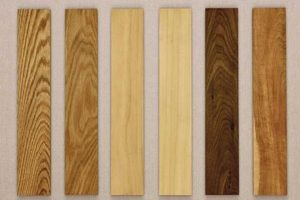
A surface treatment that lightens the natural color of walnut wood is often sought for aesthetic reasons. This process typically involves the application of chemicals designed to remove or reduce the intensity of the wood’s inherent pigments. The result is a lighter tone, showcasing the grain pattern while minimizing the deep, rich hues commonly associated with the wood. For example, furniture manufacturers may employ this treatment to achieve a more contemporary or Scandinavian-inspired aesthetic in their designs.
This technique offers several advantages, including increased design flexibility by allowing walnut to blend more seamlessly with lighter color palettes. Historically, darker wood tones were prevalent, but evolving design trends have fueled the demand for lighter, airier interiors. Furthermore, this process can visually expand smaller spaces by enhancing the reflection of light. The resulting surfaces also provide a neutral base that complements a wider range of decorative elements.
The following sections will explore specific methods employed to achieve the lighter tone, the materials commonly used, and considerations regarding the longevity and maintenance of treated surfaces. Further, discussions will delve into the application of these finishes on various wood products and considerations of cost in the refinishing and restoration processes.
Achieving Optimal Results
The subsequent guidelines provide recommendations for successfully modifying the appearance of walnut wood, while considering durability and aesthetic appeal.
Tip 1: Surface Preparation: Meticulous preparation is paramount. Prior to any treatment, thoroughly clean the wood surface to remove dirt, oils, and existing finishes. Sanding with progressively finer grits ensures uniform absorption of subsequent treatments.
Tip 2: Chemical Selection: The selection of appropriate bleaching agents is crucial. Consider the desired level of lightening and the compatibility of the chosen chemicals with the wood. Test the product on an inconspicuous area first.
Tip 3: Application Technique: Apply the bleaching solution evenly, following the manufacturer’s instructions precisely. Overlapping or inconsistent application can result in an uneven or blotchy final appearance.
Tip 4: Neutralization: After the bleaching process, neutralize the chemical residue according to the manufacturer’s recommendations. This step prevents continued chemical reactions that could damage the wood or affect the adhesion of subsequent finishes.
Tip 5: Sealing and Finishing: Once the surface is dry, apply a high-quality sealant to protect the wood and enhance its durability. Consider using a sealant that minimizes yellowing to preserve the desired light tone. A compatible clear topcoat will further protect the wood.
Tip 6: UV Protection: Implement measures to mitigate the impact of ultraviolet (UV) radiation. Prolonged exposure to sunlight can lead to discoloration. UV-resistant coatings or window treatments are advisable to preserve the finish’s integrity over time.
Tip 7: Regular Maintenance: Implement a routine maintenance schedule that includes gentle cleaning with appropriate wood cleaners. Avoid harsh chemicals or abrasive materials that could damage the finish.
These guidelines, when implemented with precision, will contribute to a visually appealing and long-lasting result. Consideration of these factors will optimize the aesthetic transformation and ensure the preservation of the wood’s structural integrity.
The concluding section will address preventative methods, along with strategies for addressing any potential challenges that may arise during this process.
1. Aesthetic alteration

Aesthetic alteration, in the context of a “bleached walnut finish,” represents a deliberate modification of the wood’s original appearance. This alteration aims to lighten the inherent dark tones of walnut, creating a visual effect that aligns with contemporary design trends or specific client preferences. The process is not merely cosmetic; it fundamentally changes the wood’s visual character, transforming it from a traditionally richer, darker material to one with a lighter, more subdued palette. This shift can dramatically influence the perception of space, furniture style, and overall interior design scheme. For instance, a piece of walnut furniture, traditionally associated with formal or traditional settings, can be adapted for modern, minimalist interiors through this aesthetic alteration. The resultant change can influence perceptions of value and appeal.
The efficacy of the aesthetic alteration is directly proportional to the careful execution of the bleaching process. Factors such as the concentration of the bleaching agent, the duration of exposure, and the method of application significantly affect the final outcome. An improper application can lead to uneven discoloration, damage to the wood’s structure, or an undesirable final appearance. Therefore, the alteration should be undertaken with precision and expertise, following established protocols and best practices. The results are often more desirable when performed by experienced artisans or specialists. To illustrate this, consider a walnut dining table: a well-executed aesthetic alteration transforms the appearance of an antique to seamlessly integrate into a modern home design.
In conclusion, aesthetic alteration is a critical component of achieving a “bleached walnut finish.” It necessitates a thorough understanding of wood science, chemistry, and finishing techniques. Challenges lie in preserving the integrity of the wood while achieving the desired aesthetic effect and maintaining uniformity in the final tone. By understanding the principles governing this process, practitioners can effectively control the alteration, producing visually appealing and durable surfaces that harmonize with diverse design contexts. The ability to modify the tone has extended the use of walnut in contemporary designs.
2. Chemical interaction

The process of achieving a lightened aesthetic on walnut wood, often described as a “bleached walnut finish,” relies fundamentally on chemical interactions. These interactions target and modify the color-producing compounds within the wood structure. Typically, bleaching agents, which are oxidizing chemicals, are applied to the surface. These chemicals react with the pigments (chromophores) present in the walnut, altering their molecular structure and reducing their ability to absorb light. The extent of this interaction directly influences the degree of lightening achieved. For example, a stronger concentration of hydrogen peroxide or sodium hypochlorite will result in a more pronounced reduction in the wood’s natural color. The efficacy of the process rests on the effective disruption of these chromophores by the chosen chemicals.
The selection of appropriate chemicals is paramount, as the chemical interaction can have ramifications beyond merely altering the color. Certain chemicals may weaken the wood fibers, making the surface more susceptible to damage. Others may leave residual byproducts that interfere with subsequent finishing processes. The interaction between the wood and the bleaching agent must be carefully controlled through precise application timing and dosage. Following the application, neutralization of the chemical residue is often necessary to halt further reactions and prevent adverse effects. Industrial applications employ careful monitoring and controlled environments to maximize the desired effect while mitigating potential damage. In contrast, uncontrolled chemical interactions can lead to uneven results, compromised structural integrity, and reduced longevity of the finish.
In summary, the chemical interaction is the central mechanism by which a “bleached walnut finish” is achieved. It is not merely a cosmetic application, but a fundamental alteration of the wood’s chemical composition. Success depends on a thorough understanding of the chemical properties of the wood and the bleaching agents, meticulous control over the application process, and appropriate neutralization and sealing procedures. Recognizing the nuances of this chemical interaction is crucial for achieving the desired aesthetic while preserving the integrity and durability of the finished product. The use of certain chemicals may have impacts on environmental and human health. These factors need to be considered.
3. Surface preparation
Surface preparation constitutes a critical antecedent to achieving a successful “bleached walnut finish.” The efficacy of the bleaching process, which aims to lighten the wood’s inherent color, is directly contingent upon the condition of the substrate. Existing coatings, contaminants, and imperfections impede the uniform penetration of bleaching agents. Consequently, inadequate preparation invariably leads to uneven discoloration, streaking, and a compromised aesthetic outcome. For instance, a walnut table with residual varnish will exhibit a mottled appearance post-bleaching, as the bleaching agent interacts differently with the exposed wood and the areas where the varnish remains. The removal of all surface impediments is, therefore, not merely a preliminary step but an integral component of the overall finishing process.
The specific techniques employed in surface preparation vary depending on the condition of the wood. In cases where an existing finish is present, chemical stripping or mechanical abrasion (sanding) is necessary. Sanding, if employed, must proceed through progressively finer grits to create a smooth, uniform surface without introducing excessive scratches. The selection of appropriate abrasives and sanding techniques is crucial to avoid damaging the underlying wood fibers. Following the removal of the existing finish, the surface must be thoroughly cleaned to eliminate any residual dust, oils, or solvents. Solvents, such as mineral spirits or denatured alcohol, are commonly used for this purpose. Failure to remove these contaminants will compromise the adhesion of subsequent finishing coats.
In conclusion, surface preparation is not a discretionary element but a mandatory prerequisite for obtaining a high-quality “bleached walnut finish.” Its importance lies in its direct influence on the uniformity, adhesion, and overall aesthetic appeal of the final product. Proper preparation necessitates the meticulous removal of existing coatings and contaminants, coupled with careful sanding and cleaning techniques. Neglecting this phase invariably results in aesthetic imperfections and compromised durability. The quality of the finish is a direct reflection of the effort invested in the surface preparation stage.
4. Wood species

The attainment of a “bleached walnut finish” is significantly influenced by the specific wood species involved. Walnut, itself, exhibits variations based on geographical origin and subspecies, resulting in differing densities, grain patterns, and inherent color saturation. These inherent properties directly impact the wood’s response to bleaching agents. For instance, Black Walnut (Juglans nigra) typically exhibits a darker, richer color than European Walnut (Juglans regia). Consequently, achieving a comparable degree of lightening on Black Walnut often requires more aggressive bleaching treatments or multiple applications, increasing the risk of wood fiber damage. Therefore, understanding the precise species is paramount in determining the appropriate bleaching methodology and anticipating the final aesthetic outcome. A failure to account for species-specific characteristics can lead to inconsistent results, ranging from undertreatment to irreversible degradation of the wood’s structural integrity.
Furthermore, the presence of extractives, naturally occurring organic compounds within the wood, varies across walnut species and can influence the effectiveness and uniformity of the “bleached walnut finish.” Certain extractives may react unpredictably with bleaching agents, leading to staining or discoloration. For example, some walnut varieties contain higher concentrations of juglone, a phenolic compound, which can interact with alkaline bleaching solutions, resulting in undesirable yellowing. The density of the wood also plays a crucial role; denser walnut species tend to absorb bleaching agents more slowly and uniformly than less dense varieties, necessitating adjustments in application techniques and dwell times. These species-specific considerations extend beyond walnut itself; if attempting to mimic the “bleached walnut finish” on other wood species, the results will vary considerably depending on their inherent properties.
In conclusion, the wood species represents a critical determinant in the success and predictability of a “bleached walnut finish.” The inherent color, density, extractive content, and grain pattern of the walnut species directly influence its response to bleaching agents and the ultimate aesthetic outcome. A thorough understanding of these species-specific characteristics is essential for selecting appropriate bleaching methodologies, anticipating potential challenges, and achieving a consistent, high-quality finish. Moreover, when considering this finish, it’s critical to remember walnut is inherently dark wood so a light finish can result in a compromised structural integrity.
5. Finish longevity

The duration and resilience of a “bleached walnut finish” represent critical factors in evaluating its overall value and suitability for various applications. Finish longevity is not solely an inherent characteristic; it is the product of a complex interplay between preparation, application, environmental factors, and maintenance. Understanding these contributing elements is essential for maximizing the lifespan of the altered wood surface and preserving its intended aesthetic.
- UV Exposure Mitigation
Ultraviolet radiation poses a significant threat to the longevity of a lightened wood surface. Prolonged exposure to sunlight can cause discoloration, fading, and degradation of the finish, diminishing the aesthetic appeal. Implementing UV-resistant coatings and protective measures, such as window treatments or indoor placement, directly contributes to preserving the finish integrity. For example, a “bleached walnut finish” applied to exterior furniture without UV protection will exhibit noticeable fading and yellowing within a relatively short timeframe, necessitating frequent refinishing. This proactive approach preserves the visual appeal and extends the lifespan of the finish.
- Sealant Selection and Application
The choice of sealant and its proper application are paramount in protecting the underlying wood and enhancing the finish’s resistance to wear and tear. A high-quality sealant forms a barrier against moisture, dirt, and abrasion, preventing damage to the wood and preserving the uniformity of the bleached surface. Inadequate sealant application or the use of inferior products will render the finish vulnerable to staining, scratching, and premature degradation. Consider the application of a catalyzed varnish to furniture with a “bleached walnut finish” providing a robust, long-lasting protective layer.
- Maintenance Regimen Implementation
Consistent and appropriate maintenance practices are crucial for prolonging the life of any wood finish, including a lightened surface. Regular cleaning with gentle, pH-neutral cleaners removes surface contaminants that can dull the finish or contribute to its degradation. Avoidance of harsh chemicals, abrasive cleaners, and excessive moisture prevents damage to the finish and maintains its aesthetic appeal. Furniture that features a “bleached walnut finish” should be regularly dusted with a soft cloth and cleaned with a wood-specific cleaner, avoiding any harsh chemicals to keep the surfaces in good condition.
- Environmental Control
The surrounding environment significantly impacts finish longevity. Fluctuations in temperature and humidity can cause wood to expand and contract, leading to cracks, checking, and finish delamination. Maintaining a stable indoor climate minimizes these stresses and extends the lifespan of the finish. A stable climate helps keep the aesthetic of the piece and integrity longer.
These interconnected factors dictate the long-term performance of a “bleached walnut finish.” Addressing each aspect meticulouslyfrom selecting appropriate materials and application techniques to implementing proactive protection and maintenance strategiesis essential for preserving the aesthetic appeal and maximizing the lifespan of the treated surface. Prolonging the life of the finish is a cost effective strategy and preserves the piece longer.
6. UV resistance

Ultraviolet (UV) resistance is a critical consideration in the context of a “bleached walnut finish.” The process of lightening the wood inherently renders it more susceptible to the damaging effects of UV radiation, necessitating proactive measures to mitigate potential degradation.
- Color Fading and Discoloration
The primary consequence of UV exposure on a “bleached walnut finish” is the gradual fading and discoloration of the wood. UV radiation breaks down the chemical bonds in the pigments within the wood and the finish, leading to a loss of vibrancy and a shift in hue. Over time, the lightened tone can revert towards a more yellowish or greyish appearance, diminishing the intended aesthetic. For example, a bleached walnut table placed near a sunny window will exhibit noticeable fading within months if not protected by UV-resistant coatings.
- Finish Degradation and Cracking
UV radiation not only affects the color but also degrades the finish itself. UV exposure causes the finish to become brittle and prone to cracking, crazing, and delamination. This compromises the protective barrier, allowing moisture and other contaminants to penetrate the wood, accelerating its deterioration. If a clear coat without UV resistance is applied to a “bleached walnut finish,” it will become cloudy and develop hairline cracks upon prolonged exposure to sunlight.
- Wood Fiber Damage
Prolonged UV exposure can directly damage the wood fibers, weakening their structural integrity. This damage can manifest as surface checking, splintering, and a general loss of strength. In extreme cases, UV radiation can cause the wood to become so brittle that it crumbles or disintegrates. If a bleached walnut chair is stored in direct sunlight, the wood will become increasingly fragile and susceptible to breakage over time.
- Protective Coating Degradation
While UV-resistant coatings offer a degree of protection, they are not impervious to the effects of UV radiation. Over time, the UV absorbers within the coating become depleted, reducing their effectiveness. Regular maintenance and reapplication of UV-resistant coatings are necessary to maintain optimal protection. An exterior door featuring a “bleached walnut finish” should have its UV-resistant topcoat reapplied every one to two years to ensure continued protection against sun damage.
These considerations emphasize the critical role of UV resistance in preserving the aesthetic and structural integrity of a “bleached walnut finish.” Implementing proactive measures to mitigate UV exposure is essential for maximizing the longevity and visual appeal of treated surfaces.
7. Maintenance protocols

The longevity and aesthetic appeal of a “bleached walnut finish” are inextricably linked to the implementation of rigorous maintenance protocols. The bleaching process, while achieving a desired lighter tone, can render the wood more susceptible to environmental factors and everyday wear. Therefore, adherence to a consistent maintenance schedule becomes paramount in preserving the finish’s integrity. Neglecting these protocols inevitably leads to accelerated degradation, discoloration, and a diminished aesthetic outcome. For example, a bleached walnut tabletop exposed to frequent spills without immediate cleaning will likely develop stains that are difficult, if not impossible, to remove without refinishing.
Effective maintenance protocols for a “bleached walnut finish” encompass several key components. Regular dusting with a soft, lint-free cloth removes abrasive particles that can scratch the surface. Periodic cleaning with pH-neutral wood cleaners prevents the build-up of dirt and grime without damaging the finish. Prompt attention to spills and stains minimizes the risk of permanent discoloration. Furthermore, the application of appropriate wood conditioners or polishes can replenish the finish’s protective layer and enhance its luster. Consider a bleached walnut floor; regular sweeping, damp mopping with a wood-specific cleaner, and periodic polishing are essential for maintaining its appearance and preventing wear.
In summary, the establishment and consistent execution of appropriate maintenance protocols are indispensable for the long-term preservation of a “bleached walnut finish.” These protocols act as a preventative measure, mitigating the detrimental effects of environmental factors and everyday use. A proactive approach to maintenance, incorporating regular cleaning, spill management, and periodic conditioning, significantly extends the lifespan of the finish, safeguarding its aesthetic qualities and ensuring its continued appeal. Without these protocols, the investment in achieving a “bleached walnut finish” is compromised, leading to premature degradation and diminished value.
Frequently Asked Questions About a Bleached Walnut Finish
The following section addresses common inquiries and clarifies misconceptions concerning the application, maintenance, and characteristics of a surface treatment designed to lighten the tone of walnut wood.
Question 1: Is the “bleached walnut finish” a permanent alteration, or will the wood revert to its original color over time?
The degree of permanence is contingent upon several factors, including the bleaching agent used, the quality of the topcoat, and the level of UV exposure. While the initial lightening is permanent, without proper UV protection and maintenance, the finish may exhibit gradual darkening or yellowing over time. Periodic reapplication of protective coatings can mitigate this effect.
Question 2: Does the “bleached walnut finish” weaken the structural integrity of the wood?
Improper application of harsh bleaching agents can compromise the wood’s structural integrity. Over-bleaching can weaken the wood fibers, making it more susceptible to damage. Employing gentler bleaching methods and neutralizing the chemical residue post-treatment can minimize this risk.
Question 3: What are the best methods for cleaning and maintaining a “bleached walnut finish?”
Gentle cleaning with pH-neutral wood cleaners is recommended. Abrasive cleaners and harsh chemicals should be avoided as they can damage the finish. Regular dusting with a soft cloth and periodic application of wood conditioners can help preserve the finish’s luster and protective properties.
Question 4: Can a “bleached walnut finish” be applied to all types of walnut wood?
While the finish can technically be applied to all walnut species, the results may vary depending on the wood’s inherent color and density. Black walnut, being darker, may require more aggressive bleaching treatments compared to lighter varieties. Testing the bleaching agent on an inconspicuous area is advisable before treating the entire surface.
Question 5: How does a “bleached walnut finish” compare to simply using a lighter stain on walnut wood?
A bleaching process lightens the wood itself, whereas a stain adds color without altering the underlying wood tone. Staining walnut a lighter color might obscure the grain, whereas bleaching typically enhances the visibility of the grain pattern. The choice depends on the desired aesthetic outcome.
Question 6: Is it possible to reverse a “bleached walnut finish” and restore the wood to its original color?
Reversing the process entirely is often difficult and may not yield satisfactory results. Attempts to restore the original color typically involve stripping the existing finish and applying a stain to replicate the walnut’s natural tone. However, achieving a perfect match can be challenging.
In summary, a “bleached walnut finish” presents both aesthetic opportunities and potential challenges. Proper application, informed material selection, and diligent maintenance are crucial for maximizing its longevity and preserving its intended appearance. Careful consideration of these factors ensures a satisfactory and enduring outcome.
The subsequent section will address case studies illustrating various applications and outcomes of this specific finishing technique.
Conclusion
The preceding analysis has explored the intricacies of the surface treatment known as “bleached walnut finish.” Key aspects examined include the chemical processes involved, the crucial role of surface preparation, the impact of wood species variation, the importance of UV resistance, and the necessity of consistent maintenance protocols. Effective implementation of this technique necessitates a comprehensive understanding of these factors to achieve a durable and aesthetically pleasing result. A failure to address any one of these components can compromise the final product, leading to premature degradation or an undesirable appearance.
Therefore, the decision to employ a “bleached walnut finish” should not be taken lightly. Careful consideration must be given to the long-term implications, the environmental impact of the chosen chemicals, and the resources required for ongoing maintenance. While this finish offers a pathway to achieving a specific aesthetic, its suitability depends on a commitment to informed decision-making and diligent execution. Further research and consultation with experienced professionals are encouraged to ensure the responsible and successful application of this technique. The use of this finish results in a lighter wood surface aesthetic.