A paste-like medium, typically composed of beeswax, carnauba wax, and solvents, is applied to surfaces treated with a specific type of decorative paint. This application serves to seal and protect the porous paint layer, enhancing its durability and resistance to water damage. For example, after applying several coats of a matte, highly pigmented paint to a wooden dresser, one might use this sealant to create a smooth, protective topcoat.
The use of such a product offers several advantages. It enriches the color and adds depth to the painted surface, while also providing a tactile feel that is often described as soft and smooth. Historically, similar formulations have been used in furniture making to protect and enhance wood finishes, and the modern adaptation extends this principle to contemporary decorative painting techniques. The protective layer it provides is critical for preserving the aesthetic qualities of the paint over time, particularly in high-traffic areas or on frequently used furniture pieces.
Understanding the composition, application techniques, and appropriate use cases of this sealant is essential for achieving professional and long-lasting results. The subsequent sections will delve into specific aspects such as color variations, application methods, and maintenance considerations, providing a complete guide for its effective use.
Application Guidance
Optimal results necessitate adherence to specific application and maintenance protocols. The following guidance ensures longevity and aesthetic preservation.
Tip 1: Surface Preparation is Paramount: Ensure the painted surface is clean, dry, and free of loose particles. Any imperfections will be accentuated by the sealant, so address them beforehand.
Tip 2: Apply Thin, Even Coats: Over-application leads to a tacky finish and potential clouding. Multiple thin coats, rather than a single thick layer, are preferable. Use a lint-free cloth or specialized brush.
Tip 3: Work in Small Sections: Application in manageable areas prevents premature drying and allows for consistent coverage. This is particularly important in warm environments.
Tip 4: Buff to a Sheen: After allowing sufficient drying time (typically 15-30 minutes), buff the surface with a clean cloth. This removes excess product and enhances the sheen. The intensity of the buffing determines the final gloss level.
Tip 5: Consider Color Variations: Colored formulations can alter the underlying paint tone. Test on an inconspicuous area first to ensure desired effect. Dark formulations, for instance, can highlight details and add depth.
Tip 6: Allow for Proper Curing: The finish requires a curing period, typically several days, to fully harden. Avoid placing heavy objects on the surface during this time. Gradual hardening optimizes durability.
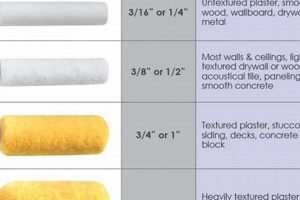
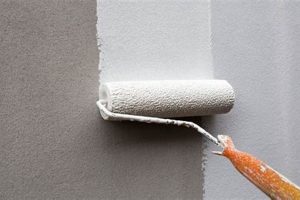
Tip 7: Use the Correct Tools : Choosing right application tool ensures less effort and better results.
Adherence to these practices guarantees a professional finish, maximizing protection and enhancing the aesthetic appeal of the painted surface. Consistent application and appropriate curing cycles are crucial.
The subsequent section details cleaning and maintenance protocols, crucial for preserving the integrity of the sealed finish over extended periods.
1. Protection

The primary function of a specific sealant used on decorative painted surfaces is protection. This protective quality directly addresses the inherent porosity of the paint, which makes it vulnerable to water damage, stains, and abrasion. The wax formulation creates a barrier that minimizes the penetration of liquids, thereby preventing unsightly watermarks and potential damage to the underlying painted surface. Furthermore, it provides a degree of resistance against scratches and scuffs that commonly occur with everyday use. For instance, a dining table finished with such a treatment is less likely to be marred by spills or incidental contact with tableware, preserving the aesthetic integrity of the piece.
Without this protective layer, the paint is susceptible to rapid degradation, necessitating frequent touch-ups or complete refinishing. The sealant’s composition, typically involving beeswax or carnauba wax, contributes to its protective properties. These waxes create a hard, yet flexible, film that can withstand minor impacts and temperature fluctuations. The application process, involving thin, even coats, ensures uniform coverage and optimal protection across the entire surface. Variations in formulation, such as those incorporating UV inhibitors, further enhance the protection offered, particularly for items exposed to direct sunlight, mitigating fading or discoloration.
In essence, the sealant’s protective characteristics are indispensable for realizing the full potential of the decorative paint finish. It mitigates the inherent vulnerabilities of the paint, extending its lifespan and preserving its visual appeal. Understanding the importance of this protective function enables informed selection and application of the product, ultimately contributing to a durable and aesthetically pleasing result. Choosing a high-quality sealant and applying it correctly are crucial steps in safeguarding the investment in the decorative paint finish.
2. Durability

The application of a specific type of sealant to decorative painted surfaces directly influences their durability. This sealant, typically composed of waxes and solvents, serves as a protective barrier against physical and environmental stressors that would otherwise compromise the integrity of the underlying paint layer. The inherent porosity of the paint makes it susceptible to damage from moisture, abrasion, and general wear and tear. The sealant mitigates these vulnerabilities, thereby extending the lifespan of the finish. For instance, a dresser finished with this sealant will withstand regular use and cleaning without exhibiting premature wear, scratches, or water damage.
The effectiveness of the sealant in enhancing durability is contingent on several factors, including the quality of the product itself, the application technique employed, and the environmental conditions to which the finished piece is exposed. High-quality formulations, containing a higher proportion of solid waxes, provide a more robust and long-lasting protective layer. Proper application, involving thin, even coats and thorough buffing, ensures consistent coverage and optimal adhesion to the painted surface. Furthermore, regular maintenance, such as gentle cleaning with appropriate products, is essential for preserving the integrity of the sealant and maintaining its protective properties. A failure to adequately seal and maintain a surface may result in chipping or early fading of the color, which requires a complete renewal of the work.
In conclusion, the relationship between the sealant and durability is a direct and significant one. The sealant acts as a crucial safeguard, protecting the underlying paint from damage and prolonging its aesthetic appeal. This understanding is vital for both professional furniture refinishers and DIY enthusiasts seeking to achieve durable and long-lasting results. The selection of a high-quality sealant, coupled with proper application and maintenance practices, represents a key investment in the longevity and overall value of the finished piece.
3. Aesthetic Enhancement

The application of a specific sealant on surfaces treated with decorative paint serves not only a protective function but also plays a pivotal role in aesthetic enhancement. This enhancement is realized through several key facets, each contributing to the overall visual appeal and tactile experience of the finished surface.
- Depth of Color and Richness
The sealant intensifies the color pigments within the paint, resulting in a richer, more vibrant hue. This occurs as the sealant fills the microscopic pores of the paint, reducing light scattering and allowing the true color to emerge. On a piece of furniture, this manifests as a deeper, more luxurious tone that enhances the overall visual impact. This impact on furniture design is significant, allowing custom designs to be richer.
- Smoothness and Tactile Feel
A properly applied and buffed sealant creates a smooth, often silky, surface. This tactile quality enhances the user’s interaction with the object, making it more pleasant to touch and use. For example, a table finished with a smooth sealant offers a more refined dining experience compared to a rough, unsealed surface. This is particularly useful for furniture that is in public spaces.
- Highlighting Texture and Details
Depending on the application technique and color of the sealant, it can accentuate the texture and details of the painted surface. Darker sealants, in particular, tend to settle into crevices and imperfections, creating visual depth and highlighting any existing texture. This is often used to create an aged or distressed look, adding character to the finished piece. The texture of the surface, whether natural or introduced, can be highlighted with specialized dark sealants.
- Sheen Control and Light Reflection
The sealant allows for control over the final sheen of the surface. Depending on the desired effect, it can be buffed to a high gloss, creating a reflective surface, or left with a matte finish for a more subtle and understated look. The ability to control light reflection contributes to the overall aesthetic appeal of the piece and allows it to be tailored to specific design styles. With the ability to have complete control over the Sheen, aesthetic enhancement is very high.
These facets of aesthetic enhancement, achieved through the careful application of the sealant, demonstrate its importance beyond mere protection. It elevates the painted surface, transforming it into a visually appealing and tactilely pleasing object. The sealant’s ability to deepen color, create smoothness, highlight texture, and control sheen contributes significantly to the overall aesthetic value of the finished piece.
4. Application Technique

The efficacy and aesthetic outcome of surfaces treated with a specific sealant are inextricably linked to the application technique employed. Proper application is not merely a procedural step but a critical determinant of the finish’s durability, appearance, and longevity. Deviations from established methods can lead to compromised results, necessitating costly rework.
- Surface Preparation
The foundation of any successful application lies in meticulous surface preparation. The underlying paint must be clean, dry, and free of any loose particles or contaminants. Failure to properly prepare the surface can impede adhesion, leading to peeling or uneven coverage. For instance, applying the sealant over a dusty surface will trap the particles, resulting in a gritty texture and diminished protection.
- Application Method
The method of application, whether using a brush, cloth, or specialized applicator, significantly influences the final result. Brushes are suitable for intricate details and textured surfaces, while cloths are preferred for smooth, even coverage. The choice of applicator should align with the specific characteristics of the sealant and the desired aesthetic. Incorrect application, such as using excessive pressure with a cloth, can result in streaking or an uneven sheen.
- Layer Thickness and Coverage
Applying the sealant in thin, even layers is crucial for achieving optimal protection and aesthetic enhancement. Over-application can lead to a tacky finish, while insufficient coverage compromises the protective barrier. Multiple thin coats, rather than a single thick coat, are recommended to ensure uniform coverage and prevent pooling or drips. For example, applying too much sealant to a horizontal surface can result in visible drips and an uneven sheen.
- Buffing and Polishing
Buffing is an essential step in the application process, removing excess sealant and enhancing the sheen. The intensity and duration of buffing directly impact the final gloss level. Using a clean, lint-free cloth and applying consistent pressure are key to achieving a smooth, uniform finish. Inadequate buffing can leave a dull or cloudy appearance, while excessive buffing can damage the underlying paint.
The success of a decorative paint project hinges not only on the quality of the materials used but also on the skill and precision with which the sealant is applied. Mastering the application technique is essential for realizing the full potential of the sealant and achieving a durable, aesthetically pleasing finish that withstands the test of time. Attention to detail and adherence to established best practices are paramount.
5. Color Variations

The interaction between colored pigments and a specific type of finishing sealant is a significant consideration in decorative painting. Sealant formulations are not always neutral; colorants added to the wax can alter the appearance of the underlying paint layer, creating unique aesthetic effects.
- Tinted Sealants and Color Depth
Tinted sealants enhance or subtly shift the hue of the paint. A dark-tinted sealant, for example, will deepen the overall color and accentuate textures by settling into crevices. This technique can replicate an aged or antique appearance. A light or white-tinted sealant, conversely, can lighten the base color and create a softer, more muted effect. The strategic use of tinted sealants allows for precise control over the final color outcome, and for a more nuanced palette to achieve the artist’s intent.
- White Sealants and Chalky Finishes
White-pigmented versions are specifically designed to enhance the chalky, matte finish often associated with this style of paint. Applying a white sealant over a colored base can create a vintage, distressed look by subtly muting the intensity of the color. This effect is particularly pronounced on edges and raised surfaces, where the sealant tends to accumulate, creating a naturally worn appearance. This can add an authentic look to a vintage item.
- Clear Sealants and Pigment Integrity
Clear sealants, while not directly altering the color, can still influence its perceived vibrancy. By sealing the porous paint surface, they reduce light scattering and can subtly deepen the existing color. This effect is most noticeable with darker colors, which appear richer and more saturated after the application of a clear sealant. The decision to use a clear formulation depends on the goal of the end user to retain the original pigmentation of the paint.
- Layering and Color Blending
The application of multiple layers of sealants, each with a different tint or color, can create complex and nuanced effects. This technique allows for the blending of colors and the creation of unique visual textures. For example, applying a layer of dark sealant followed by a layer of light sealant can create a multi-dimensional finish with depth and character. Layering can only be performed if each coat is appropriately buffed out.
Understanding the nuances of color variations in conjunction with the properties of a sealant empowers the user to achieve a wider range of aesthetic effects. The selection of a sealant with appropriate color characteristics is crucial for achieving the desired visual outcome and for preserving the integrity of the overall design. Through controlled color variations, one can maximize the visual appeal of chalk paint.
6. Maintenance
Maintenance is an indispensable component of any surface treatment involving a specific sealant used with decorative paint. The sealant itself, while providing a protective barrier, is subject to wear and degradation over time. The frequency and type of maintenance required are directly influenced by factors such as usage patterns, environmental conditions, and the initial quality of the sealant application. Neglecting maintenance leads to a diminished protective layer, increasing the risk of damage to the underlying paint and ultimately reducing the lifespan of the finished surface. For example, a table sealed with such a product but subjected to frequent spills and abrasive cleaning without appropriate care will exhibit premature wear and staining, necessitating eventual refinishing.
The implementation of a proper maintenance regimen involves several key practices. Regular dusting with a soft, lint-free cloth prevents the accumulation of abrasive particles that can scratch the sealant surface. Cleaning spills promptly with a damp cloth and mild, pH-neutral soap minimizes the risk of staining and water damage. Avoidance of harsh chemicals, abrasive cleaners, and excessive moisture is critical to preserving the integrity of the sealant. Periodic reapplication of the sealant, typically every 6-12 months depending on usage, replenishes the protective layer and restores the finish’s luster. In situations where the item is in heavy contact with liquids or food, immediate cleaning is the only method of prevention for stains.
In summary, a proactive maintenance strategy is essential for maximizing the benefits and extending the lifespan of surfaces finished with this sealant. Neglecting maintenance undermines the protective qualities of the sealant, leading to premature wear and damage. Consistent and appropriate maintenance practices, including regular cleaning, careful handling, and periodic reapplication, ensure the long-term preservation of the finish and the aesthetic appeal of the underlying decorative paint. The longevity of a surface is entirely dependent on its maintenance schedule.
7. Ingredients

The efficacy and aesthetic qualities of surfaces treated with a specific sealant are directly influenced by its constituent ingredients. Understanding these components provides insight into the sealant’s performance characteristics and suitability for particular applications. A thorough examination of the ingredients illuminates the relationship between formulation and final result.
- Beeswax Composition
Beeswax, a natural wax derived from honeybee hives, serves as a primary component in many formulations. It imparts a characteristic pliability and contributes to the sealant’s buffability. The proportion of beeswax influences the sealant’s hardness and melting point. Higher beeswax content generally yields a softer, more easily workable sealant, suitable for intricate detailing and textured surfaces. Conversely, lower beeswax content creates a harder, more durable finish. The source and purity of the beeswax affect the final appearance of the item. Natural ingredients are necessary for an authentic look.
- Solvent Types and Evaporation Rates
Solvents, such as mineral spirits or citrus-based distillates, facilitate the application process by dissolving the waxes and creating a spreadable consistency. The type of solvent employed influences the drying time and odor profile of the sealant. Fast-evaporating solvents expedite the curing process but may present application challenges, requiring rapid and precise work. Slower-evaporating solvents provide a longer working time but necessitate extended drying periods. The choice of solvent should align with the user’s skill level and the environmental conditions of the application area. The rate of evaporation should be monitored and considered before use.
- Hardening Agents: Carnauba Wax
Carnauba wax, derived from the leaves of the Brazilian carnauba palm, is frequently incorporated to increase the sealant’s hardness and durability. Carnauba wax possesses a high melting point and imparts a glossy sheen upon buffing. The inclusion of carnauba wax enhances the sealant’s resistance to scratches, scuffs, and water damage, making it suitable for high-traffic surfaces. Sealants with a higher carnauba wax content are generally more resistant to wear and tear but may require more effort to buff to a desired sheen. These products are the top of the market, and usually the most expensive.
- Color Pigments and Additives
Color pigments and additives are incorporated to alter the sealant’s appearance and functionality. Pigments, such as iron oxides or titanium dioxide, can tint the sealant to complement or contrast with the underlying paint color. Additives, such as UV inhibitors, enhance the sealant’s resistance to sunlight, preventing fading and discoloration. The selection of pigments and additives should align with the desired aesthetic and the environmental conditions to which the finished surface will be exposed. Proper pigmentations can either hurt or help the appearance.
The careful selection and blending of these ingredients are paramount to creating a sealant that effectively protects and enhances surfaces treated with decorative paint. A thorough understanding of the role each ingredient plays enables informed decision-making and ensures optimal results. By considering the specific requirements of the project and the characteristics of the sealant’s ingredients, users can achieve durable, aesthetically pleasing finishes that stand the test of time.
Frequently Asked Questions
The following questions address common concerns and misconceptions regarding the application and properties of a specific type of sealant used on decorative painted surfaces.
Question 1: Is surface preparation truly necessary before applying sealant?
Yes, thorough surface preparation is critical. The sealant will accentuate any existing imperfections. A clean, dry, and smooth surface ensures proper adhesion and a uniform finish.
Question 2: Can any type of brush or cloth be used for application?
No, the choice of applicator impacts the outcome. Lint-free cloths or specialized brushes designed for wax application are recommended. These tools minimize the risk of streaking and ensure even coverage.
Question 3: How many coats of sealant are required for adequate protection?
Multiple thin coats are preferable to a single thick coat. Two to three thin coats, properly buffed, provide optimal protection and prevent a tacky finish.
Question 4: What is the appropriate drying time before buffing?
Drying time varies depending on the sealant formulation and environmental conditions. Generally, 15-30 minutes is sufficient before buffing with a clean cloth.
Question 5: Can the sealant be applied in direct sunlight?
Application in direct sunlight is not recommended. Elevated temperatures can cause the sealant to dry too quickly, leading to uneven coverage and difficulty in buffing.
Question 6: How often should the sealant be reapplied for maintenance?
Reapplication frequency depends on usage and environmental factors. Generally, reapplying every 6-12 months maintains the protective layer and preserves the finish’s luster. More frequent reapplication may be necessary for high-traffic areas.
Proper application and maintenance are essential for maximizing the benefits of the sealant and ensuring a durable, aesthetically pleasing finish. Adherence to established best practices is paramount.
The subsequent section will provide guidance on troubleshooting common issues encountered during application and offer solutions for achieving optimal results.
Chalk Paint Finishing Wax
This exploration has elucidated the multifaceted role of this finishing medium in decorative painting. The sealant serves as a protective barrier, enhancing durability and aesthetic qualities. Meticulous surface preparation, precise application techniques, and diligent maintenance are crucial for realizing its full potential. Color variations offer nuanced design possibilities, contingent upon careful selection and execution. Understanding the ingredient composition further empowers informed decision-making.
Mastery of this finishing technique represents a commitment to preserving and elevating the artistry inherent in decorative painting. Its judicious application ensures the longevity and enduring beauty of finished surfaces, transforming them into lasting works. Therefore, continual refinement of application methods and a sustained focus on informed material selection are imperative for practitioners in this realm.