A coating that transforms surfaces into erasable writing boards, is typically a latex-based product containing fine particles. Once applied and cured, it yields a matte, slightly textured surface suitable for chalk or specialized liquid chalk markers. This specialized paint allows individuals to create custom-sized writing or drawing surfaces in diverse environments.
The utility of this surfacing lies in its adaptability and practicality. It enables the creation of reusable message boards, menu boards, and creative workspaces. Its historical context extends from traditional schoolroom blackboards to contemporary applications in homes, restaurants, and offices, representing a cost-effective and space-saving alternative to physical boards. The ability to customize size, shape, and location grants considerable flexibility in design and function.
The ensuing discussion will elaborate on suitable application techniques, appropriate surface preparation, optimal product selection criteria, and recommended maintenance procedures for ensuring longevity and performance of this versatile coating.
Application Tips for Optimal Results
Achieving a durable and functional writing surface requires careful attention to detail during the application process. Adherence to the following guidelines will maximize performance and longevity.
Tip 1: Surface Preparation is Paramount. Prior to application, ensure the surface is clean, dry, and free from loose debris. Sanding glossy surfaces will improve adhesion. Priming is recommended, particularly on porous or untreated materials, to provide a uniform base.
Tip 2: Thorough Mixing is Essential. Stir the material thoroughly to ensure even distribution of pigment and solids. Inadequate mixing can result in inconsistent color and reduced durability.
Tip 3: Apply Thin, Even Coats. Multiple thin coats are preferable to a single thick coat. Thick coats are prone to cracking and uneven drying, compromising the final finish. Allow each coat to dry completely before applying the next.
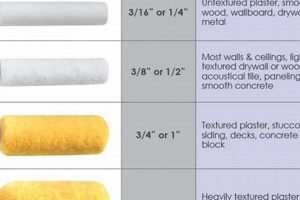
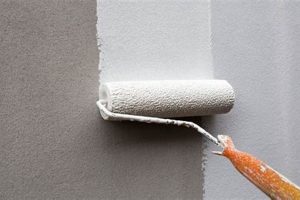
Tip 4: Utilize Appropriate Application Tools. Foam rollers typically yield the smoothest finish, minimizing brush strokes and imperfections. High-quality brushes may be used, but proper technique is critical to avoid streaking.
Tip 5: Observe Recommended Drying Times. Adhere strictly to the manufacturer’s recommended drying times between coats and before curing. Premature use can damage the surface and compromise its writing performance.
Tip 6: Cure the Surface Before Use. Most products require a curing period, typically several days, before they are ready for chalk. Consult the manufacturer’s instructions for specific curing recommendations.
Tip 7: Season the Surface After Curing. Rub the entire surface with the side of a piece of chalk and then erase. This process prepares the surface to accept chalk markings and prevents “ghosting” from initial use.
By meticulously following these recommendations, a durable and aesthetically pleasing writing surface can be achieved. This attention to detail ensures long-term functionality and user satisfaction.
The subsequent section will address common issues and troubleshooting techniques to further enhance the user experience.
1. Adhesion

Adhesion, the ability of one substance to stick to another, is a critical determinant of the long-term performance of specialized surfacing. Insufficient adhesion results in premature failure, manifesting as peeling, chipping, or blistering. These defects compromise the aesthetic appeal and render the surface unusable for its intended purpose. Proper surface preparation is paramount to fostering robust adhesion. For example, applying the paint to a glossy surface without prior sanding diminishes adhesion, increasing the likelihood of subsequent failure. Similarly, contamination from grease, dust, or moisture impedes the formation of a strong adhesive bond.
The selection of appropriate primer materials further contributes to adhesive strength. Primers designed for specific substrates, such as metal or wood, contain chemical components that enhance bonding between the substrate and the specialized surfacing. Neglecting to use a primer or employing an incompatible primer negates the benefits of careful surface preparation. Consider a scenario where specialized surfacing is applied directly to untreated wood. The wood’s porosity allows absorption of the paint’s liquid components, leaving the solid particles inadequately bound to the substrate. This results in a weak, friable finish susceptible to damage.
Achieving durable writing surfaces necessitates meticulous attention to surface preparation and primer selection. The economic consequences of adhesion failure extend beyond the cost of the surfacing material itself. Labor costs associated with reapplication, downtime during repairs, and potential damage to underlying surfaces all contribute to increased overall expenses. Therefore, investing in proper preparation and using appropriate primers represents a prudent measure, ensuring the longevity and functionality of the specialized writing surface.
2. Durability

Durability, defined as the capacity to withstand wear, pressure, or damage, is a critical attribute influencing the lifespan and utility of surfaces created with specialized paint. A durable finish resists scratches, abrasions, and impacts, maintaining its functionality and aesthetic appeal over extended periods. Conversely, a lack of durability manifests as chipping, cracking, or fading, necessitating frequent repairs or replacement. For instance, high-traffic areas, such as restaurant menu boards or children’s play areas, demand a highly durable finish to withstand constant use and potential impacts. The composition of the paint, the quality of application, and the adherence to curing protocols directly affect the resulting durability.
Consider the example of a school classroom where surfaces created with paint are subjected to daily use and cleaning. A product lacking inherent durability will exhibit premature wear, requiring regular repainting, thereby incurring additional costs and disruption. The choice of cleaning agents also impacts durability. Abrasive cleaners or harsh chemicals can degrade the finish, accelerating wear. Selecting appropriate cleaning methods and materials extends the lifespan of the surface. Furthermore, the surface’s preparation prior to application directly influences the final outcome. A poorly prepared surface compromises adhesion, increasing vulnerability to damage. A well-prepared surface, properly primed, enhances adhesion and contributes to overall durability.
In summary, durability is an indispensable characteristic of this type of finish. Selecting a high-quality product, applying it meticulously, and maintaining it with appropriate care are essential for achieving a long-lasting and functional surface. While initial cost considerations may influence product selection, the long-term benefits of a durable finish, including reduced maintenance and replacement costs, justify investing in a superior product and following best practices for application and care. A durable surface ensures continued usability and aesthetic appeal, contributing to a positive and productive environment.
3. Texture

The surface characteristic known as texture significantly influences the performance and usability of specialized surfacing. Texture dictates the degree to which chalk adheres to the painted surface, affecting both legibility and erasability. An understanding of texture’s various facets is crucial for optimizing the user experience and ensuring satisfactory results.
- Roughness and Chalk Adhesion
Increased roughness provides a greater surface area for chalk particles to adhere to, resulting in darker, more visible markings. However, excessive roughness can trap chalk dust, hindering complete erasure and leading to ghosting or staining. The ideal surface possesses a moderate degree of roughness that balances visibility and erasability. Examples include comparing coarse versus fine grit sandpaper on the surface.
- Smoothness and Erasability
A smoother surface facilitates easier erasure of chalk markings. However, an excessively smooth finish may prevent adequate chalk adhesion, resulting in faint or inconsistent markings. The degree of smoothness must be carefully controlled to optimize both erasability and legibility. For example, a glossy surface would make chalk marking difficult.
- Application Techniques and Texture Control
The application method significantly impacts the final texture of the coating. Spraying, rolling, or brushing techniques yield distinct textures. Spraying typically produces the smoothest finish, while brushing may result in a more textured surface. Selection of the appropriate application technique allows for precise control over the final texture. For example, using a brush on the surface will add a more textured look.
- Material Composition and Texture Properties
The composition of the paint, including the size and type of particulate matter, directly influences the resulting texture. Products containing larger particles typically produce a rougher finish, while those with finer particles create a smoother finish. Understanding the material properties enables informed product selection to achieve the desired texture characteristics.For example, chalkboard paints with a higher concentration of silica or similar texturizing agents will create a rougher surface.
These interconnected facets of texture highlight its critical role in determining the overall effectiveness of products that turn surfaces into writing areas. Balancing roughness, smoothness, and composition through appropriate selection and application techniques is essential for achieving optimal performance and user satisfaction. The interplay of these factors dictates the degree to which the surface fulfills its intended function as a reusable writing and drawing medium. Comparing high and low texture outcomes highlights importance of the proper texture for a great outcome.
4. Erasability

The ability to remove markings cleanly and efficiently is paramount to the functionality of any surface coated with specialized surfacing. The ease with which chalk or specialized markers can be erased directly impacts the user experience and the long-term viability of the application. Achieving optimal erasability requires careful consideration of several key factors inherent to the composition, application, and maintenance of this specialized coating.
- Surface Preparation and Erasability
Proper surface preparation plays a crucial role in establishing a surface that permits clean erasure. An uneven or poorly prepared substrate can lead to inconsistent marking and difficulty in removing chalk residue. For instance, applying the coating directly to a porous, unprimed surface may cause chalk to become embedded within the material, hindering complete removal. Conversely, a smooth, properly primed surface facilitates effortless erasure, ensuring a clean and reusable writing area.
- Paint Composition and Erasability
The formulation of the paint significantly influences its erasability characteristics. Products with a high concentration of binding agents may create a less porous surface, making it more difficult for chalk to adhere initially and subsequently easier to erase. Conversely, formulations with a high proportion of particulate matter may create a more textured surface, enhancing chalk adhesion but potentially impeding complete erasure. The ideal composition strikes a balance between chalk adhesion and ease of removal. For example, paints containing fine silica particles may provide sufficient texture for writing while still allowing for clean erasure.
- Curing Time and Erasability
Adequate curing time is essential for achieving optimal erasability. Premature use of the surface before it has fully cured can compromise its integrity and impede the removal of chalk markings. During the curing process, the paint undergoes chemical reactions that solidify and harden the finish, creating a cohesive and durable surface that resists chalk penetration. Adhering to the manufacturer’s recommended curing time ensures that the coating achieves its maximum erasability potential. This is comparable to how the curing time of concrete affects its strength and durability.
- Cleaning Practices and Erasability
Appropriate cleaning practices are critical for maintaining the erasability of specialized surfacing over time. Harsh or abrasive cleaning agents can damage the surface, creating microscopic scratches that trap chalk dust and hinder complete erasure. Gentle cleaning with a soft, damp cloth or a specialized cleaning solution is recommended to preserve the integrity of the finish and ensure long-term erasability. Consider using a microfiber cloth instead of a scouring pad to clean the surface.
These interconnected elementssurface preparation, paint composition, curing time, and cleaning practicescollectively determine the erasability of specialized surfacing. Attending to each of these factors optimizes the surface’s ability to function effectively as a reusable writing and drawing medium. Failing to address any of these aspects can compromise the user experience and diminish the lifespan of the coating.
5. Color

The selection of color extends beyond mere aesthetics when considering surfaces created with specialized paint. The hue directly influences contrast, legibility, and the overall visual impact of the written or drawn content. Traditionally, a dark color, most notably black or dark green, provides the optimal contrast for light-colored chalk. This contrast enhances readability, particularly in environments with varying lighting conditions. Deviation from darker shades can diminish visibility, especially when using standard white or light-colored chalk. The psychological impact of color also warrants consideration. Darker colors tend to evoke feelings of formality and authority, suitable for educational or professional settings, while brighter colors can foster creativity and playfulness, ideal for children’s spaces or informal environments. Consider the impact of a light gray versus a dark green painted board in a classroom setting; the dark green offers superior readability for the majority of students.
Beyond the traditional dark hues, specialized tints are available, expanding the design possibilities. While these options offer aesthetic flexibility, the impact on legibility must be carefully evaluated. Lighter colors may necessitate the use of specialized, highly pigmented chalk or markers to achieve sufficient contrast. Furthermore, the base color can affect the perceived color of chalk markings; a blue-tinted surfacing might subtly alter the appearance of white chalk. In practical applications, the selection of color should align with the intended use of the surface and the lighting conditions of the environment. A restaurant menu board may benefit from a classic black finish for ease of reading, while a child’s art area may utilize a brighter color to stimulate creativity. The color of the paint can be custom-matched to existing dcor, further enhancing the aesthetic integration of the writing surface within the space.
In conclusion, color is a fundamental component that governs the visual effectiveness and aesthetic appeal of surfaces created using specialized paints. Careful consideration of contrast, legibility, and the intended environment is paramount when selecting the appropriate hue. While unconventional tints offer design flexibility, prioritizing readability and functionality remains crucial. The interplay between color and the writing medium determines the overall success of the surface as a communication or creative tool, and a proper plan will maximize success of writing and drawing tasks.
6. Application
The process of applying specialized coating dictates the ultimate appearance, durability, and functionality of the finished surface. Adherence to established best practices is essential for achieving optimal results and maximizing the lifespan of the writable area. Improper application techniques can lead to a variety of problems, including poor adhesion, uneven texture, and reduced erasability.
- Surface Preparation and Its Impact on Application
Adequate surface preparation is a foundational element of a successful application. This encompasses cleaning, sanding, and priming to ensure optimal adhesion and a smooth, uniform finish. Neglecting this step can result in paint failure, such as peeling or cracking, compromising the surface’s integrity. For instance, applying specialized paint directly to a glossy surface without proper sanding will likely result in poor adhesion and premature wear.
- Environmental Conditions During Application
Ambient temperature and humidity levels significantly influence the paint’s drying and curing process. Extreme temperatures or high humidity can disrupt the formation of a durable film, leading to problems like blistering or tackiness. Applying the coating in a well-ventilated area is crucial to facilitate proper drying and minimize exposure to potentially harmful fumes. Manufacturers’ guidelines typically specify ideal environmental conditions for application.
- Application Techniques and Equipment
The choice of application method and equipment, such as brushes, rollers, or sprayers, affects the final texture and uniformity of the surface. Rollers generally produce a smoother finish compared to brushes, while sprayers offer the potential for a very even coating but require specialized equipment and expertise. Applying thin, even coats is preferable to a single thick coat, which can lead to runs, drips, and prolonged drying times. Consistent technique across the entire surface ensures a uniform appearance. For example, using a high-density foam roller minimizes brush strokes and provides a more consistent texture.
- Curing Process and Long-Term Performance
Following the application, the curing process is critical for the coating to achieve its full hardness, durability, and erasability. Premature use of the surface before it has fully cured can damage the finish and compromise its long-term performance. Adhering to the manufacturer’s recommended curing time is essential for optimal results. For example, some products may require several days of curing before they are ready for chalk use. During this period, the paint’s chemical components fully cross-link, resulting in a resilient and functional surface.
These elements of proper application constitute a chain of interdependent factors crucial to the success of specialized surfacing. Each step, from initial preparation to final curing, directly impacts the aesthetic appeal, durability, and functionality of the finished product. Failing to address any of these facets can compromise the investment in the coating and result in a substandard writing surface.
7. Curing

The curing process represents a critical phase in the transformation of applied specialized coating into a functional writing surface. Curing involves a series of chemical reactions wherein the liquid paint film hardens and solidifies, achieving its designed properties. This phase directly impacts the durability, erasability, and overall performance of the final product. Insufficient curing compromises these properties, leading to premature failure of the finish. The duration of curing varies depending on the specific product formulation, environmental conditions, and the thickness of the applied coats. Manufacturers provide recommended curing times that must be strictly adhered to for optimal results. For instance, if chalk is applied to a surface before it is adequately cured, the chalk particles may become permanently embedded within the still-soft finish, resulting in “ghosting” and diminished erasability.
The chemical processes occurring during curing involve the cross-linking of polymer chains within the paint film. This cross-linking creates a strong, interconnected network that provides the necessary hardness and resistance to abrasion required for a functional writing surface. Factors such as temperature and humidity influence the rate of cross-linking. Lower temperatures slow down the curing process, while high humidity can interfere with the evaporation of solvents from the paint film. Consequently, application and curing should ideally occur within the temperature and humidity ranges specified by the manufacturer. In practical terms, failing to allow sufficient curing time can lead to a soft, easily damaged surface that is difficult to clean. Alternatively, creating the finish in a high humidity environment can lead to similar defects.
In summary, the curing process is not merely a passive waiting period but an active chemical transformation that fundamentally determines the performance characteristics of specialized surfacing. Adhering to the manufacturer’s recommended curing times and maintaining appropriate environmental conditions are essential steps in ensuring a durable, erasable, and long-lasting writable surface. Neglecting the curing process compromises the investment and negates the benefits of selecting a high-quality product and applying it with meticulous technique. Understanding the science behind curing empowers users to make informed decisions and achieve the desired outcome, and helps users maximize the use of the painted surface.
Frequently Asked Questions About Coating for Writing Surfaces
The following section addresses common inquiries regarding the application, usage, and maintenance of materials designed to transform surfaces into erasable writing boards.
Question 1: What constitutes proper surface preparation prior to application?
Optimal surface preparation entails cleaning the surface to remove dirt, grease, and debris. Sanding glossy surfaces to create a better grip is recommended. Priming is essential, particularly on porous or untreated surfaces, to ensure uniform adhesion and coverage.
Question 2: How many coats are recommended for optimal performance?
Multiple thin coats, typically two to three, are preferable to a single thick coat. Thin coats promote even drying, minimize the risk of cracking, and contribute to a smoother, more durable finish.
Question 3: What is the appropriate drying and curing time before using the surface?
Drying time between coats generally ranges from two to four hours, depending on environmental conditions and product specifications. Curing time, the period before the surface can be used, typically extends for several days, as specified by the manufacturer. Premature use can damage the finish.
Question 4: What type of chalk or markers are suitable for use?
Standard chalk or specialized liquid chalk markers are appropriate. However, it’s advisable to test a small, inconspicuous area first to ensure compatibility and prevent staining. Always use clean erasers and avoid excessive pressure when removing markings.
Question 5: How should the surface be cleaned to maintain its erasability?
Cleaning should be performed with a soft, damp cloth or a specialized cleaning solution designed for specialized surfacing. Avoid abrasive cleaners or scouring pads, which can damage the finish and impair erasability.
Question 6: What steps can be taken to prevent “ghosting” or staining?
Seasoning the surface by rubbing it with chalk and then erasing prior to initial use can help minimize ghosting. Regular cleaning and the use of high-quality chalk or markers also contribute to preventing staining over time.
These FAQs provide essential guidance for achieving successful outcomes and prolonging the lifespan of writable surfaces. Adherence to these recommendations ensures optimal performance and user satisfaction.
The subsequent section will delve into advanced techniques and troubleshooting strategies for addressing specific challenges related to the application and use of these products.
Conclusion
This exposition detailed the properties, application, and maintenance of surfacing that transform substrates into writable surfaces. Topics discussed included proper surface preparation, optimal application techniques, and the significance of curing processes. Erasability, texture, color considerations, and typical challenges were addressed to provide a comprehensive understanding of achieving durable and functional writing areas.
Mastery of these principles enables informed decision-making and successful implementation of projects. Careful attention to detail and adherence to recommended practices will yield long-lasting and effective surfaces, maximizing the potential of this versatile coating in diverse environments.