A deep, rich color imparted to wood surfaces through staining or other treatments is a characteristic feature in interior design and furniture making. This aesthetic choice involves the application of pigments and sealants to enhance the natural grain while providing a darker tone, often evoking a sense of luxury or traditional craftsmanship. For example, mahogany furniture or ebony-stained floors exemplify this approach to wood finishing.
The adoption of darker tones in woodwork offers numerous advantages, including the ability to conceal imperfections, create a warmer ambiance, and complement various design schemes. Historically, it has been associated with sophistication and high-quality materials, finding prominence in both residential and commercial spaces. Its use often increases perceived value and adds a timeless quality to interior environments.
The subsequent sections will delve into specific techniques for achieving desired color, explore the variety of wood types suitable for this application, and examine its role within contemporary design trends.
Achieving Optimal Results with Dark Wood Tones
Employing darker coloration on wood surfaces requires careful planning and execution to ensure a satisfactory and enduring outcome. The following guidelines address critical aspects of the process.
Tip 1: Surface Preparation is Paramount. Thorough sanding, cleaning, and removal of existing finishes are essential for uniform stain absorption and adhesion. Failure to properly prepare the surface can result in blotchy or uneven coloring.
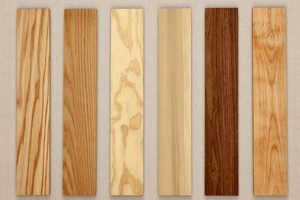
Tip 2: Select Appropriate Wood Species. Certain wood types, such as cherry or maple, may require a pre-stain conditioner to minimize blotching due to their closed grain structure. Open-grained woods like oak generally accept stain more readily.
Tip 3: Employ Test Samples. Prior to applying any treatment to the entire project, test the stain or finish on a representative piece of wood. This allows for assessment of the color and its interaction with the specific wood species.
Tip 4: Apply Thin, Even Coats. Avoid applying excessive amounts of stain or finish in a single coat. Multiple thin coats, properly dried between applications, result in a more uniform and controlled depth of coloration.
Tip 5: Consider the Underlying Wood Tone. The natural color of the wood will influence the final appearance. Reddish-toned woods, for instance, may require adjustments in stain selection to achieve the desired depth and hue.
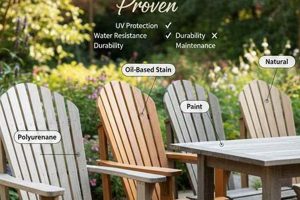
Tip 6: Utilize a Quality Topcoat. Protecting the stained surface with a durable topcoat, such as polyurethane or lacquer, is crucial for long-term durability and resistance to wear and tear.
Tip 7: Observe Proper Drying Times. Adhering to the manufacturer’s recommended drying times between coats is critical for proper curing and adhesion, preventing potential issues such as tackiness or finish defects.
Careful attention to surface preparation, wood selection, stain application, and protective finishing will significantly contribute to achieving a professional and aesthetically pleasing transformation using these deep colors.
The next section explores the selection of appropriate products and techniques to maintain and protect such finishes.
1. Color Consistency

Maintaining uniform coloration is a critical factor in achieving a high-quality dark finish on wood surfaces. Variations in color can detract from the overall aesthetic appeal and indicate potential flaws in the application process.
- Stain Formulation and Batch Variation
Differences in the formulation of stains or variations between different production batches can result in subtle but noticeable color inconsistencies. It is essential to use stains from the same batch or carefully blend different batches to ensure a uniform starting point. Using different stain brands on the same project would definitely create problems.
- Wood Porosity and Absorption Rates
Different areas of a wood surface can exhibit variations in porosity, leading to uneven stain absorption. Knots, grain patterns, and variations in wood density can all affect how the finish penetrates the wood. Pre-stain conditioners can mitigate these differences, promoting more uniform color uptake.
- Application Technique and Layering
Inconsistent application techniques, such as uneven brushing or spraying, can result in variations in color intensity. Applying multiple thin coats, rather than one thick coat, promotes more even color distribution and allows for better control over the final hue. Each layer should dry completely to prevent color mixing.
- Environmental Factors and Curing Conditions
Environmental factors, such as temperature and humidity, can influence the drying and curing process of the finish, potentially affecting the final color. Maintaining consistent environmental conditions during application and curing is crucial for achieving uniform color development. Exposure to direct sunlight during drying can cause uneven fading.
Addressing these potential sources of color variation through careful material selection, meticulous preparation, consistent application, and controlled curing processes is essential for achieving a professional and aesthetically pleasing result when applying dark finishes to wood.
2. Grain enhancement

The application of a coloration to wood surfaces is intrinsically linked to the visibility and definition of the wood’s natural grain. The degree to which the grain is accentuated or suppressed significantly influences the final aesthetic outcome. Darker hues, in particular, have a pronounced effect, often serving to amplify the contrast between the lighter and darker portions of the wood, thereby emphasizing the grain’s pattern. For example, on quarter-sawn oak, the medullary rays become strikingly apparent with a dark stain, creating a characteristic “ray flake” appearance. This effect is due to the finish penetrating and coloring the more porous areas of the grain, while the denser areas reflect light, resulting in a heightened visual texture.
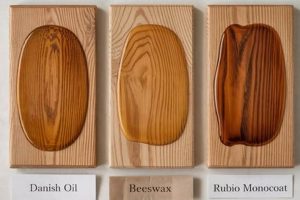
The method by which grain enhancement is achieved varies, depending on the desired effect and the wood species. Open-grained woods, such as oak or ash, readily accept stains and finishes, allowing the grain to be easily highlighted. In contrast, close-grained woods, like maple or cherry, require specific techniques, such as the use of a gel stain or a glaze, to prevent a muddy or indistinct appearance. Wire brushing or sandblasting can also be employed to physically open the grain, creating a more pronounced texture before the application of the finish. The choice of finish whether it be an oil-based stain, a water-based stain, or a pigmented varnish also impacts the degree of grain accentuation.
In summary, grain enhancement is a critical consideration when working with coloration on wood. The intentional manipulation of grain visibility can transform a simple surface into a visually compelling feature, adding depth and character to the piece. Careful selection of materials and techniques, tailored to the specific wood species and desired aesthetic, is essential for achieving optimal results. Understanding the interplay between finish and grain is paramount for both professional woodworkers and hobbyists seeking to create pieces with lasting beauty and value.
3. Protective Layer

The application of a protective layer over a dark coloration on wood is inextricably linked to its long-term preservation and aesthetic appeal. The coloration itself, while providing an initial visual transformation, inherently lacks the durability to withstand environmental factors and physical wear. Without a protective layer, the color is susceptible to fading from ultraviolet (UV) radiation, scratching from abrasion, and damage from moisture exposure. This underscores the vital role of a protective layer as a necessary component, not merely an optional addition, to a dark finish. Real-world examples abound: furniture exposed to sunlight without a UV-resistant topcoat will exhibit color fading, while wooden flooring lacking a durable polyurethane layer will readily show scratches and wear patterns in high-traffic areas.
Further analysis reveals the nuanced selection criteria for appropriate protective layers. Considerations extend beyond mere resistance to physical damage. The type of finish must be compatible with the underlying color to prevent chemical reactions or alterations in hue. For instance, certain lacquer-based topcoats can slightly yellow over time, impacting the original dark tone. Furthermore, the protective layer’s sheen level profoundly influences the overall aesthetic. A matte finish may enhance the natural appearance, while a high-gloss finish provides increased durability and reflective properties. The chosen application method also dictates the outcome; spraying ensures a uniform coat, whereas brushing may leave visible brushstrokes if not executed with precision.
In summary, the integration of a suitable protective layer is paramount for ensuring the longevity and visual integrity of a dark coloration on wood. The selection process involves careful consideration of material compatibility, desired aesthetic properties, and appropriate application techniques. Neglecting this crucial step compromises the durability and ultimately detracts from the inherent value of the finished product. Challenges remain in balancing the competing demands of durability, aesthetic appeal, and environmental regulations, driving continuous innovation in finish formulations and application methods.
4. Application Method

The selected application method exerts a substantial influence on the final appearance, durability, and overall quality of a dark coloration on wood. The chosen technique directly affects the uniformity of color, penetration of the finish into the wood’s grain, and the formation of a protective layer. Therefore, careful consideration of application methods is crucial for achieving the desired aesthetic and functional characteristics.
- Brushing
Brushing, a manual application method, is suitable for small-scale projects and intricate details. However, it can present challenges in achieving a uniform finish, particularly on large surfaces. Brushstrokes may be visible, affecting the smoothness and evenness of the color. Proper brush selection, using natural or synthetic bristles appropriate for the finish type, and consistent technique are essential to minimize these issues. For example, applying a dark stain with an inferior brush can result in uneven color distribution and unsightly brush marks.
- Spraying
Spraying, using compressed air or airless sprayers, offers a more efficient and uniform application, particularly for large surfaces. It allows for fine control over the amount of finish applied, reducing the risk of drips and runs. However, spraying requires proper ventilation and safety precautions, as well as skill in adjusting the spray pattern and pressure to achieve optimal results. Improper spraying can lead to orange peel texture, runs, or insufficient coverage, negatively impacting the appearance of a dark finish.
- Wiping
Wiping involves applying the finish with a cloth or pad and then wiping off the excess. This method is well-suited for highlighting the wood grain and creating a more transparent finish. It allows for precise control over the color intensity and is less prone to runs or drips than brushing or spraying. However, wiping requires careful attention to ensure consistent removal of excess finish, as uneven wiping can result in blotchy or uneven color. Using a clean, lint-free cloth is critical to avoid contamination and streaking.
- Dipping
Dipping involves immersing the wood object into a container of the finishing product. It is typically used for mass production of wooden items. While it can provide quick and even coverage, it may not be suitable for items of varying shapes and sizes, and there’s a risk of excessive finish buildup or dripping. Proper preparation and drying techniques are essential to prevent these issues. Dipping is most often used in industrial settings rather than DIY projects.
In conclusion, the choice of application method is a critical determinant of the quality and appearance of a dark coloration on wood. Each method presents its own set of advantages and disadvantages, and the optimal choice depends on factors such as the size and complexity of the project, the type of finish being used, and the skill level of the applicator. Careful consideration of these factors is essential for achieving a professional and aesthetically pleasing final result.
5. Wood preparation

Wood preparation forms the foundational stage for achieving a successful dark coloration on wood surfaces. Its influence extends beyond mere aesthetics, impacting the finish’s adherence, uniformity, and longevity. Proper preparation dictates the final outcome, determining whether the deep hue enhances the wood’s natural characteristics or accentuates surface imperfections.
- Sanding and Surface Smoothing
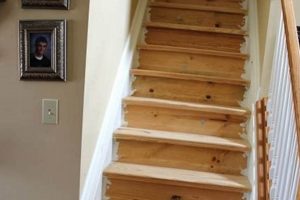
Sanding removes imperfections, such as scratches, dents, and planer marks, creating a smooth, uniform surface. A rough surface will absorb stain unevenly, resulting in blotchy coloration. For instance, failing to sand a table top adequately before applying a dark stain will highlight any existing scratches, detracting from the desired aesthetic. Different grits of sandpaper are progressively used to refine the surface, starting with coarser grits to remove larger imperfections and finishing with finer grits to achieve a polished texture.
- Cleaning and Contaminant Removal
Cleaning removes dust, dirt, grease, and other contaminants that can impede stain penetration and adhesion. Residual oils or waxes can create barriers, preventing the finish from bonding properly with the wood fibers. A common example is residue from handling the wood with bare hands, which can leave behind oils that repel the stain. Solvents such as mineral spirits or denatured alcohol are often used to thoroughly clean the surface before any finish is applied.
- Repairing Imperfections and Filling Gaps
Repairing imperfections, such as cracks, knots, and holes, ensures a consistent and visually appealing surface. Filling gaps with wood filler or epoxy provides a uniform substrate for the stain, preventing uneven absorption and color variations. An example is using wood filler to patch a knot in a pine board before staining it a dark color. The filler must be sanded smooth and flush with the surrounding wood to ensure a seamless appearance.
- Application of Wood Conditioner or Sealer
Wood conditioners or sealers are used to control stain absorption, particularly on woods with uneven densities, such as pine or cherry. These products create a more uniform surface, reducing the likelihood of blotching or streaking. For example, applying a wood conditioner to pine before staining it a dark color helps to prevent the stain from being absorbed too quickly in some areas and not enough in others, resulting in a more consistent color across the entire surface.
In conclusion, wood preparation is an indispensable step in the process of applying a dark coloration. The combined effect of sanding, cleaning, repairing, and conditioning ensures optimal stain penetration, color uniformity, and overall finish quality. These preparatory steps are not merely preliminary tasks but integral components that determine the ultimate success of the project. A meticulously prepared surface will showcase the wood’s inherent beauty while maintaining its integrity and longevity, making the dark finish a true enhancement rather than a superficial covering.
Frequently Asked Questions
This section addresses common inquiries regarding the selection, application, and maintenance of dark wood finishes, providing clarification and practical guidance.
Question 1: Is a dark finish suitable for all types of wood?
While dark coloration can be applied to various wood species, certain types are more conducive to achieving optimal results. Open-grained woods, such as oak and ash, readily absorb the stain, enhancing the grain pattern. Close-grained woods, like maple and cherry, may require pre-stain conditioners to prevent blotching and ensure uniform color absorption.
Question 2: What factors influence the final color outcome?
The final hue of a dark finish is influenced by several elements, including the natural color of the wood substrate, the type and concentration of the stain or pigment used, the application method, and the number of coats applied. Conducting test samples on representative pieces of wood is recommended to assess the interaction of these factors.
Question 3: How can the longevity of a dark finish be maximized?
Maximizing the lifespan of a dark finish involves protecting it from environmental factors, such as ultraviolet (UV) radiation and moisture, and physical damage. Applying a durable topcoat, such as polyurethane or lacquer, provides a protective barrier against scratches, stains, and fading. Regular cleaning and maintenance further contribute to preserving the finish’s integrity.
Question 4: What are common issues encountered during application, and how can they be avoided?
Common problems include uneven color absorption, blotching, brush marks, and runs. Thorough surface preparation, including sanding and cleaning, is essential to ensure uniform stain penetration. Applying thin, even coats and using appropriate application techniques minimize the occurrence of these issues.
Question 5: Does the sheen level of a topcoat affect the perceived color?
The sheen level of the topcoat influences the perceived depth and richness of the dark finish. High-gloss topcoats enhance the reflectivity and intensity of the color, while matte finishes provide a more subdued and natural appearance. The choice of sheen should align with the desired aesthetic and the intended use of the finished piece.
Question 6: Are there specific maintenance products recommended for dark finishes?
Maintenance of dark finishes requires avoiding harsh chemicals or abrasive cleaners that can damage the protective layer and dull the color. Mild, pH-neutral cleaners specifically formulated for wood surfaces are recommended. Regular dusting and occasional polishing with a wax-based product can help maintain the finish’s luster and protect it from wear.
In conclusion, the successful application and maintenance of a dark finish necessitates a comprehensive understanding of wood characteristics, finishing techniques, and protective measures. Adhering to these principles will ensure a durable and aesthetically pleasing outcome.
The following section will address recent advancements and trends in dark wood finishing technology.
Dark Wood Finish
This exploration has detailed the multifaceted nature of a dark wood finish, encompassing its selection criteria, application methodologies, protective measures, and maintenance protocols. The inherent variables, ranging from wood species and stain composition to environmental factors and user technique, dictate the resultant quality and longevity. Emphasis has been placed on meticulous preparation, controlled application, and appropriate protective measures as critical determinants of a successful outcome.
The pursuit of excellence in the application of these finishes demands a continuing commitment to both traditional craftsmanship and innovative technologies. As materials science advances and environmental regulations evolve, the industry must prioritize sustainable practices and enduring performance. Ultimately, the value proposition of this finish lies in its capacity to impart both aesthetic refinement and lasting protection to wood surfaces, justifying the diligent effort required for its proper execution.