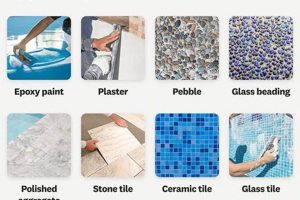
The selection of materials and treatments applied to surfaces within a designed space constitute a critical aspect of the overall aesthetic and functionality. These elements encompass a wide array of options, from paint and coatings to textiles and hardware, all contributing to the final appearance and tactile experience. For instance, specifying a matte paint for walls versus a glossy paint drastically alters the light reflection and perceived texture of a room.
Judicious selection significantly impacts not only visual appeal but also durability, maintenance requirements, and the perceived value of the space. Historically, the availability of specific materials has influenced design trends, but modern technology provides an unprecedented range of choices. The careful consideration of these elements ensures longevity and minimizes life-cycle costs while fostering the desired atmosphere.
The subsequent sections will delve into the specific categories of options available, exploring the characteristics of different materials and their application in various design contexts. Furthermore, it will examine the considerations involved in selecting appropriate solutions for diverse project requirements, including budget constraints, sustainability goals, and performance expectations.
Design Finishes
Effective application of appropriate solutions is pivotal to the success of any design project. The following guidelines offer valuable insights for optimizing the selection and integration process.
Tip 1: Establish a Clear Design Intent. Define the desired aesthetic and functional goals early in the project. This clarity will guide the selection process and prevent costly revisions later on. For example, a modern, minimalist space may benefit from clean, seamless solutions, whereas a traditional setting may call for more ornate or textured options.
Tip 2: Prioritize Durability and Maintenance. Evaluate the anticipated usage and environmental conditions of the space. High-traffic areas necessitate resilient materials resistant to wear and tear. Consider maintenance requirements and life-cycle costs when comparing different solutions. For instance, a durable epoxy flooring in a commercial kitchen will likely outperform a cheaper, less resilient alternative in the long run.
Tip 3: Consider the Impact of Lighting. Different textures and colors react differently to various lighting schemes. Natural light and artificial light can significantly alter the perceived appearance of a space. Sample materials should be evaluated under different lighting conditions to ensure the desired effect is achieved.
Tip 4: Integrate Sustainability Considerations. Opt for materials with low VOC (Volatile Organic Compounds) emissions and that are responsibly sourced. Consider reclaimed or recycled materials whenever possible. Sustainable choices contribute to a healthier indoor environment and minimize the environmental impact of the project. Selecting FSC-certified wood is one example of a sustainable choice.
Tip 5: Address Acoustic Performance. Many surface treatments can influence the acoustics of a space. Consider the acoustic properties of different materials, especially in open-plan offices, conference rooms, or other areas where sound control is important. Acoustic panels or textured surfaces can help reduce reverberation and improve speech intelligibility.
Tip 6: Create a Cohesive Palette. Maintain a consistent color scheme and material palette throughout the design to create a unified and harmonious aesthetic. Limit the number of different options to avoid visual clutter and ensure a cohesive look. Using a consistent metal finish, such as brushed nickel, on hardware throughout a space contributes to visual harmony.
Tip 7: Manage Moisture. Account for moisture exposure in areas like bathrooms or kitchens. Choose moisture-resistant materials and appropriate sealants to prevent water damage and mold growth. For example, using a waterproof membrane under tile in a shower is crucial for preventing water penetration.
Judiciously implementing these considerations throughout the design process yields superior results, enhancing the overall quality and value of the space. Such a proactive approach helps avoid potential issues and allows for a more aesthetically pleasing and functionally appropriate outcome.
With these tips in mind, the subsequent sections will present detailed explorations of various materials, offering guidance on their optimal applications and performance characteristics.
1. Material Properties

The inherent characteristics of materials exert a profound influence on the selection and application of treatments. Attributes such as texture, density, porosity, and thermal conductivity dictate the suitability of a material for specific applications and its compatibility with various treatments. For example, the porosity of wood necessitates sealing to prevent moisture absorption and subsequent degradation, whereas the non-porous nature of stainless steel renders it naturally resistant to corrosion, influencing the treatments required for its protection and aesthetic modification. The understanding of these properties is, therefore, a critical prerequisite to the design and execution of any successful project.
Further, consider the impact of thermal properties on material selection. In environments subject to extreme temperature fluctuations, materials with high thermal expansion coefficients may exhibit cracking or warping if not properly treated or if incompatible surface treatments are applied. The selection of appropriate adhesives, coatings, and sealants must account for these expansion characteristics to ensure the long-term integrity of the finish. Similarly, understanding a material’s reaction to ultraviolet (UV) radiation is vital for exterior applications, where UV-resistant coatings or treatments are essential to prevent fading or discoloration over time. An example of this would be specifying UV-resistant paint for outdoor metal railings.
In conclusion, a comprehensive understanding of a material’s inherent properties is not merely advisable, but absolutely essential for informed decision-making. It directly affects the efficacy, durability, and aesthetic outcome of any project. Challenges arise when such crucial details are overlooked, potentially leading to premature failure, increased maintenance costs, or compromised aesthetic quality. Recognizing and accommodating these material characteristics forms a critical link to a successful and sustainable design.
2. Application Technique

The method by which a material is applied directly influences the final appearance, performance, and longevity of design finishes. The selection of appropriate tools, preparation of the substrate, and environmental conditions during application all contribute to the ultimate quality. Improper application techniques can compromise even the highest-quality materials, resulting in visual defects, reduced durability, and premature failure. For instance, applying paint to an unprepared surface can lead to peeling and blistering, negating the intended aesthetic and protective benefits. The relationship is causal: a flawed technique generates a flawed outcome.
Application technique forms an integral component of design finishes, dictating how effectively the intrinsic properties of a material are translated into the finished surface. The skill and precision of the applicator are as crucial as the selection of the material itself. Consider the application of Venetian plaster, a decorative technique requiring meticulous layering and burnishing to achieve its characteristic depth and sheen. An inexperienced applicator may struggle to replicate the desired effect, underscoring the importance of specialized expertise. Similarly, the even application of a sealant is essential for preventing water damage and prolonging the lifespan of stone or tile surfaces.
Understanding the connection between application technique and design finishes holds practical significance for both designers and contractors. Detailed specifications, comprehensive training, and rigorous quality control measures are essential for ensuring successful outcomes. Specifying the proper surface preparation, application methods, and environmental controls in the design documentation helps to mitigate potential errors. Furthermore, investing in skilled labor and providing ongoing training on new materials and techniques can significantly improve the quality and durability of design finishes, reducing maintenance costs and enhancing the overall value of the project.
3. Durability Requirements

The anticipated lifespan and performance demands placed upon a designed space directly influence the selection of appropriate solutions. A high-traffic commercial environment mandates robust materials resistant to wear, impact, and frequent cleaning. Conversely, a low-use residential setting may accommodate more delicate or decorative options. The failure to align materials with functional demands precipitates premature degradation, necessitating costly repairs or replacements. Specifying a delicate, porous stone flooring in a busy restaurant, for example, invites staining, chipping, and eventual failure. Consequently, understanding the nature and intensity of expected use patterns is fundamental to ensuring the longevity and sustained aesthetic quality.
The specification process entails a rigorous evaluation of material properties in relation to anticipated stresses. Factors such as abrasion resistance, chemical resistance, UV stability, and moisture permeability must be considered. In healthcare facilities, surfaces must withstand frequent sanitization with harsh chemicals, dictating the selection of non-reactive materials with impervious coatings. Similarly, in outdoor applications, materials must resist the degrading effects of sunlight, precipitation, and temperature fluctuations. The consequences of neglecting these factors manifest as fading, cracking, or delamination, compromising both the appearance and structural integrity. For instance, specifying an exterior paint lacking UV inhibitors will invariably result in premature fading and chalking, necessitating frequent repainting.
In summary, durability requirements function as a critical determinant in guiding material selection. Accurate assessment of usage patterns, environmental stressors, and maintenance protocols is essential. By prioritizing solutions that exhibit appropriate performance characteristics, designers and specifiers can mitigate long-term costs, enhance the overall value of the project, and ensure sustained aesthetic satisfaction. Overlooking durability leads to compromised performance, increased maintenance, and diminished aesthetic appeal. The informed selection of durable solutions is therefore an investment in the long-term success of any project.
4. Aesthetic Considerations

The selection of treatments profoundly influences the perceived quality and character of a designed space. Aesthetic considerations, encompassing factors such as color, texture, pattern, and reflectivity, directly shape the overall ambiance and visual appeal. These elements exert a substantial impact on the emotional response and user experience within the environment. For example, the deliberate use of warm, earthy tones and natural textures can cultivate a sense of comfort and tranquility, while cool, monochromatic palettes and sleek, reflective surfaces often evoke a sense of modernity and sophistication. Choices in this realm are not merely cosmetic; they actively contribute to the creation of a desired atmosphere and brand identity.
The practical significance of aesthetic considerations extends beyond subjective preferences. Thoughtfully chosen solutions can enhance spatial perception, improve lighting conditions, and create visual interest. A strategic combination of matte and gloss treatments, for instance, can add depth and dimension to a room, while the incorporation of patterned textiles or textured wallcoverings can introduce visual rhythm and tactile appeal. The principles of color theory and spatial harmony must guide the selection process to ensure a cohesive and visually pleasing outcome. The use of a light, reflective treatment on a low ceiling can create an illusion of greater height, while a dark, matte treatment on a large wall can visually recede, making the space feel more intimate.
A challenge lies in balancing aesthetic aspirations with functional requirements and budgetary constraints. An uncompromising pursuit of visual perfection can lead to impractical or unsustainable choices. A successful design harmonizes aesthetic vision with practical considerations, resulting in a space that is both visually appealing and functionally appropriate. Neglecting the aesthetic dimension compromises the emotional impact and user experience, reducing the overall value and effectiveness of the design. The deliberate and informed application of aesthetic principles is therefore a critical component of a successful and sustainable design project.
5. Cost Implications
The selection of surface treatments represents a significant financial investment in any design project, and the cost implications extend far beyond the initial purchase price. The chosen materials dictate not only the upfront expenditures but also the long-term maintenance, repair, and potential replacement costs. For instance, opting for a less expensive flooring material might reduce initial expenses but could lead to higher life-cycle costs due to increased wear and tear requiring more frequent replacement. This relationship underscores the importance of a comprehensive cost-benefit analysis encompassing both immediate and future financial burdens. Therefore, neglecting to fully account for these financial factors can lead to compromised project outcomes and unexpected budgetary strain. A real-life example illustrating this point involves a commercial building that initially selected inexpensive paint for its exterior, only to face significant repainting costs within a few years due to rapid fading and weathering. The practical significance of this understanding lies in making informed decisions that align with the project’s overall budget and long-term financial sustainability.
Further analysis reveals that the cost of surface treatments is directly correlated with factors such as material quality, installation complexity, and required maintenance. High-end materials, while typically more expensive initially, often offer superior durability and aesthetic appeal, potentially increasing the perceived value and marketability of the space. The complexity of the installation also significantly impacts costs, with intricate patterns and custom designs demanding more skilled labor and specialized equipment. Additionally, the ease of maintenance is a critical cost consideration; materials that require frequent cleaning or specialized care will incur higher operational expenses over time. For example, installing intricate mosaic tiles may enhance visual appeal but may also increase cleaning costs, creating a tension between aesthetics and maintenance expenses. Balancing these factors requires a nuanced understanding of the project’s priorities and the financial resources available. Cost-effective solutions often involve a strategic combination of high-end and budget-friendly materials, allowing designers to maximize aesthetic impact while staying within financial constraints.
In conclusion, the interplay between cost implications and material selection demands careful consideration to ensure long-term value and sustainability. By analyzing the entire life-cycle costs, project stakeholders can avoid short-sighted decisions that may result in compromised performance or increased expenses. The key insight lies in recognizing that surface treatments are not merely cosmetic elements but rather integral components that impact the financial viability and overall success of the design. Overlooking the long-term cost implications can lead to unforeseen financial burdens and potential project failures, while a strategic and informed approach contributes to a sustainable and aesthetically pleasing outcome. The challenge lies in finding the optimal balance between initial investment, maintenance requirements, and aesthetic goals, ensuring that the project aligns with both financial and design objectives.
Frequently Asked Questions
This section addresses common inquiries regarding the selection, application, and maintenance of surface treatments in design projects. It is intended to provide clarity and guidance on key aspects of these critical elements.
Question 1: What factors primarily influence the longevity of surface treatments in high-traffic areas?
The lifespan of materials in high-traffic environments is significantly influenced by abrasion resistance, impact resistance, and ease of maintenance. Selecting materials with high ratings in these categories and implementing regular cleaning protocols are essential for maximizing longevity.
Question 2: How does the type of substrate affect the choice of coatings?
The substrate material dictates the compatibility of coatings. Porous substrates require primers to ensure proper adhesion, while non-porous surfaces may necessitate surface preparation to promote bonding. Failure to consider substrate properties can result in premature coating failure.
Question 3: What are the implications of selecting materials with high Volatile Organic Compound (VOC) emissions?
Materials emitting high levels of VOCs can negatively impact indoor air quality, posing potential health risks to occupants. Selecting low-VOC or VOC-free options is essential for promoting a healthy indoor environment and complying with environmental regulations.
Question 4: How does lighting affect the perceived color of treatments?
Different light sources can significantly alter the perceived color. Natural light tends to enhance true colors, while artificial light can introduce shifts in hue and intensity. Evaluating samples under various lighting conditions is crucial for ensuring the desired aesthetic outcome.
Question 5: What is the importance of proper surface preparation prior to application?
Surface preparation is critical for achieving optimal adhesion and a uniform finish. Removing contaminants, repairing imperfections, and applying appropriate primers are essential steps in ensuring the long-term performance and aesthetic quality.
Question 6: How can sustainability considerations be integrated into the selection of surface treatments?
Sustainability can be integrated by choosing materials with recycled content, low VOC emissions, and responsible sourcing certifications. Prioritizing durable and low-maintenance options also contributes to long-term sustainability by reducing the need for frequent replacements.
Understanding these frequently asked questions will facilitate more informed decision-making, promoting successful and sustainable outcomes for design projects.
The subsequent sections will delve into specific types of material solutions, providing in-depth insights into their characteristics, applications, and performance attributes.
Conclusion
The preceding exploration of design finishes underscores their fundamental role in shaping the aesthetic, functional, and economic dimensions of built environments. From material properties and application techniques to durability demands and cost considerations, a comprehensive understanding of these elements is essential for informed decision-making. The careful selection and application of such treatments are not merely cosmetic endeavors; they are integral to the creation of sustainable, high-performance spaces that meet the evolving needs of users and stakeholders.
As technology advances and design priorities shift, the importance of informed selection will only intensify. Continued research and professional development are crucial for staying abreast of emerging materials, application methods, and sustainability practices. Only through a commitment to excellence and innovation can the full potential of these elements be realized, contributing to the creation of built environments that are both aesthetically pleasing and functionally resilient.