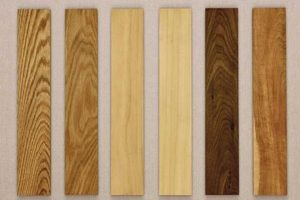
These are the materials applied to the outer shell of a residential building, protecting it from the elements and contributing significantly to its aesthetic appeal. Examples encompass siding materials such as vinyl, wood, brick, and stucco, along with roofing materials like asphalt shingles, tile, and metal. The selection of appropriate options directly impacts the building’s long-term durability and maintenance requirements.
The right choice offers benefits including increased property value, improved energy efficiency through insulation and reflectivity, and enhanced resistance to weather-related damage like rot, insect infestation, and fading from ultraviolet (UV) radiation. Historically, regional availability and cost considerations heavily influenced material selection; however, modern technology offers a wider array of durable and sustainable options, allowing for greater design flexibility and long-term performance.
This article will explore various types, discussing their properties, installation considerations, associated costs, and environmental impacts. It will also address factors to consider when selecting the most suitable option for a specific project, considering both functional and aesthetic requirements.
Selection and Maintenance Guidelines
Selecting and maintaining the right exterior surfaces are critical for preserving structural integrity and maximizing curb appeal. Careful consideration of several factors will ensure optimal long-term performance.
Tip 1: Material Compatibility: Ensure all components of the exterior system, including siding, trim, and sealants, are compatible with each other. Incompatible materials can lead to premature failure and costly repairs.
Tip 2: Climate Considerations: Select materials appropriate for the local climate. Coastal areas require salt-resistant options, while regions with freeze-thaw cycles necessitate materials resistant to cracking and expansion.
Tip 3: Proper Installation: Adhere strictly to manufacturer installation guidelines. Improper installation can void warranties and significantly reduce the lifespan of the system.
Tip 4: Regular Inspections: Conduct regular inspections, at least twice annually, to identify and address minor issues before they escalate into major problems. Pay close attention to areas prone to water damage, such as around windows and doors.
Tip 5: Timely Repairs: Address any damage, such as cracks, chips, or peeling paint, promptly. Delaying repairs can allow moisture intrusion, leading to structural damage and mold growth.
Tip 6: Professional Consultation: Consult with qualified professionals, such as architects, contractors, or building inspectors, to obtain expert advice on material selection and installation techniques.
Tip 7: Prioritize Drainage: Ensure proper drainage around the foundation and roof to prevent water from pooling and damaging the exterior surfaces.
Adhering to these guidelines will contribute to a durable, aesthetically pleasing, and long-lasting exterior, safeguarding the investment and enhancing the buildings overall value. The following sections will delve into specific material options and their respective maintenance requirements.
1. Protection

The primary function of exterior finishes is to protect a building’s structural components from environmental elements. Inadequate shielding invites moisture intrusion, leading to rot, mold growth, and eventual structural failure. For example, a compromised roof, regardless of its aesthetic appeal, exposes interior spaces to water damage, necessitating costly repairs and potentially rendering the building uninhabitable. The selection of robust materials appropriate for the local climate is paramount to mitigating these risks.
Moreover, the protective qualities extend beyond weather resistance. Exterior cladding serves as a barrier against insect infestation, physical impact, and even fire. Brick veneer, for instance, offers superior fire resistance compared to wood siding, providing enhanced safety for occupants. Effective protection also encompasses insulation, reducing energy consumption by maintaining stable interior temperatures. Properly installed siding minimizes air infiltration, further contributing to energy efficiency and occupant comfort.
In conclusion, the protective capacity of exterior finishes directly correlates with a building’s longevity, safety, and overall value. Neglecting this fundamental aspect, prioritizing aesthetics or cost savings, ultimately undermines the building’s integrity and necessitates extensive and expensive remedial measures. A comprehensive understanding of protective properties, combined with appropriate material selection and meticulous installation, ensures a durable and secure building envelope.
2. Aesthetics
Aesthetics play a crucial role in defining a residential building’s character and its integration within the surrounding environment. The selection of exterior finishes significantly influences curb appeal, property value, and the overall perception of the dwelling. Aesthetic considerations extend beyond superficial appearance; they encompass the harmonious blending of materials, colors, and textures to create a cohesive and visually pleasing design. The impact of aesthetics is readily apparent in real estate markets, where homes with meticulously maintained and aesthetically appropriate exteriors command higher prices and attract more prospective buyers.
The relationship between aesthetics and exterior finishes manifests in various design choices. For example, a craftsman-style home often features natural materials like wood siding and stone accents, reflecting a specific architectural aesthetic. Conversely, a modern home might utilize sleek metal panels and large expanses of glass, projecting a different visual identity. Color palettes also contribute significantly. A well-chosen color scheme enhances architectural features and complements the landscape, while a poorly executed color scheme can detract from the building’s overall appeal. The aesthetic choices are directly dictated by the specific design vision of the building. Furthermore, understanding the connection between aesthetics and exterior finishes enables informed decisions regarding renovation and remodeling projects. When replacing siding or roofing, selecting materials that align with the existing architectural style and neighborhood context ensures a seamless and aesthetically pleasing outcome.
In conclusion, aesthetics are an integral component of exterior finishes for houses, influencing not only visual appeal but also property value and marketability. A thoughtful approach to aesthetic considerations, encompassing material selection, color palettes, and architectural style, is essential for creating a harmonious and enduring design. The challenge lies in balancing aesthetic preferences with practical considerations such as budget, durability, and maintenance requirements. However, prioritizing aesthetics from the outset leads to a more desirable and valuable building.
3. Durability

Durability, in the context of exterior finishes for houses, refers to the capacity of a material to withstand environmental stressors and maintain its structural integrity and aesthetic appearance over an extended period. The selection of durable finishes is critical for minimizing long-term maintenance costs and ensuring the building’s longevity.
- Material Resistance to Weathering
A primary aspect of durability is a material’s resistance to weathering, including exposure to sunlight (UV radiation), moisture, temperature fluctuations, and wind. Materials with high weathering resistance, such as brick or fiber cement siding, exhibit minimal degradation over time, reducing the need for frequent repairs or replacements. Conversely, materials susceptible to moisture absorption or UV damage, like untreated wood, require regular maintenance to prevent decay and maintain their appearance.
- Resistance to Physical Impact
Durability also encompasses a material’s ability to withstand physical impact from objects such as hail, tree branches, or accidental collisions. Materials like stone or reinforced concrete offer superior impact resistance, providing enhanced protection against damage. Siding materials with lower impact resistance, such as thin vinyl siding, may be prone to cracking or denting, necessitating repairs or replacements following impact events.
- Resistance to Biological Degradation
Biological degradation, including damage from insects, fungi, and other organisms, poses a significant threat to the longevity of certain exterior finishes. Wood, in particular, is susceptible to rot and insect infestation if not properly treated or maintained. Durable materials, such as metal or engineered wood products with insect-resistant properties, offer greater protection against biological degradation, reducing the risk of structural damage and associated repair costs.
- Longevity and Life-Cycle Cost
Ultimately, the durability of exterior finishes directly influences their longevity and life-cycle cost. While some materials may have a lower initial cost, their shorter lifespan and higher maintenance requirements can result in higher overall expenses over time. Durable materials, although potentially more expensive initially, offer a longer service life, reduced maintenance, and improved return on investment. A thorough analysis of life-cycle costs, considering both initial expenses and long-term maintenance, is crucial for selecting the most cost-effective and durable exterior finishes.
The long-term performance of exterior finishes is inextricably linked to their inherent durability. Careful consideration of these factors, including resistance to weathering, physical impact, biological degradation, and life-cycle cost, is essential for ensuring a building’s structural integrity, minimizing maintenance expenses, and maximizing its long-term value.
4. Cost

The cost of exterior finishes directly impacts decisions regarding material selection and project scope. A limited budget may necessitate choosing less expensive options such as vinyl siding, while a larger budget allows for the consideration of premium materials like brick or natural stone. Cost considerations extend beyond the initial purchase price, encompassing installation labor, necessary tools or equipment rentals, and potential future maintenance expenses. The interplay between material cost and labor expenses often influences decision-making; for example, a readily available, easy-to-install material may result in lower overall project cost despite a moderately higher material price. Similarly, long-term cost analyses must factor in the expected lifespan of a material and its associated maintenance requirements. Choosing a cheaper material with a shorter lifespan will likely result in higher replacement costs over time compared to a more expensive, durable option.
Variations in material pricing are also influenced by geographical location, market demand, and raw material availability. Regions with abundant local sources of a particular material may benefit from reduced transportation costs, resulting in lower prices for consumers. Conversely, imported materials or those requiring specialized manufacturing processes often incur higher costs. Real-world examples illustrate this point: In areas with active lumber industries, wood siding may be a relatively affordable option, while in regions lacking timber resources, its cost may be significantly higher. Similarly, the demand for specific materials driven by prevailing architectural trends or homeowner preferences can cause price fluctuations, making careful budgeting and material sourcing essential components of any construction or renovation project.
Ultimately, a comprehensive understanding of the cost implications associated with exterior finishes is vital for effective project planning and execution. Balancing initial investment with long-term performance and maintenance requirements ensures cost-effectiveness and prevents budget overruns. Furthermore, thorough research into material pricing, installation costs, and regional variations empowers homeowners and contractors to make informed decisions that align with their budgetary constraints and project goals.
5. Installation

Installation quality exerts a direct influence on the performance and longevity of exterior finishes for houses. Improper installation techniques negate the benefits of even the most durable materials. For example, incorrectly installed siding, regardless of its weather resistance, creates pathways for moisture intrusion, leading to rot and structural damage. Conversely, a well-executed installation maximizes the protective and aesthetic qualities of the finish, contributing to the building’s overall value and resilience.
The connection between installation and the effectiveness of exterior finishes is evident across various material types. Stucco, known for its durability and aesthetic appeal, requires meticulous application and curing processes. Improper mixing, inadequate layering, or insufficient curing can result in cracking, delamination, and water damage. Similarly, the correct installation of roofing materials, such as asphalt shingles or tiles, demands precise overlapping and fastening to ensure a watertight seal. Failure to adhere to manufacturer specifications compromises the roof’s ability to protect the underlying structure from the elements. A poorly installed window within the wall creates drafts or even allow water damage. Precise installation matters.
Therefore, professional installation, performed by qualified and experienced contractors, represents a critical investment. While DIY installation may appear cost-effective, the risks associated with improper techniques often outweigh potential savings. The consequences of faulty installation can range from cosmetic imperfections to significant structural problems, necessitating costly repairs and replacements. Emphasizing the importance of professional installation underscores the need for informed decision-making when selecting exterior finishes for houses, recognizing that material quality and installation expertise are equally essential for long-term performance and value.
6. Maintenance

The long-term performance of exterior finishes directly depends on consistent and appropriate maintenance. Neglecting upkeep initiates a cascade of negative consequences, accelerating material degradation and compromising the protective barrier against environmental elements. For instance, unaddressed cracks in stucco allow moisture ingress, leading to structural deterioration and potential mold growth. Similarly, failure to repaint wood siding results in peeling, exposing the wood to rot and insect infestation. Regular maintenance activitiescleaning, sealing, painting, and minor repairsproactively mitigate these risks, extending the lifespan of the exterior finishes and preserving the building’s integrity.
The connection between upkeep and longevity manifests in tangible financial benefits. A well-maintained exterior not only enhances curb appeal, increasing property value, but also prevents costly repairs and replacements down the line. Routine power washing removes dirt, algae, and other contaminants, preventing them from embedding in the material and causing irreversible damage. Sealing wood surfaces protects against moisture absorption, minimizing the risk of warping and decay. Promptly addressing minor issues, such as replacing damaged shingles or patching cracks, prevents them from escalating into major problems requiring extensive and expensive remediation. Specific examples include homeowners who proactively re-caulk windows every few years, preventing water damage that would otherwise necessitate complete window replacement. Also, the homeowner who regularly cleans gutters is helping ensure that water is properly channeled away from exterior walls.
In conclusion, the relationship between upkeep and performance cannot be overstated. Neglecting this component ultimately undermines the investment in exterior finishes, resulting in accelerated deterioration, diminished aesthetic appeal, and increased long-term costs. By prioritizing regular maintenance activities and addressing issues promptly, homeowners safeguard their investment, extend the lifespan of exterior finishes, and preserve the structural integrity and value of their homes. Recognizing the importance of upkeep and implementing a proactive maintenance plan is essential for ensuring the long-term health and beauty of any building.
7. Sustainability
Sustainability has emerged as a pivotal consideration in the selection and application of exterior finishes for residential buildings. The environmental impact of these materials, from their production and transportation to their lifespan and eventual disposal, is now a central factor in responsible building practices.
- Embodied Energy
Embodied energy refers to the total energy consumed throughout a material’s lifecycle, including extraction, manufacturing, transportation, and installation. Materials with high embodied energy, such as aluminum or certain types of synthetic siding, contribute significantly to carbon emissions. Conversely, materials like locally sourced wood or recycled content siding have a lower embodied energy footprint, minimizing their environmental impact. A life cycle assessment evaluates total energy consumption and resource depletion.
- Material Sourcing and Production
The sourcing and production methods of exterior finishes impact their overall sustainability. Sustainably harvested wood, certified by organizations like the Forest Stewardship Council (FSC), ensures responsible forestry practices. Similarly, siding manufactured using recycled materials reduces the demand for virgin resources and minimizes waste. Responsible production processes minimize pollution and conserve water and energy.
- Durability and Longevity
Durable exterior finishes extend the lifespan of a building and reduce the need for frequent replacements, thereby minimizing waste and resource consumption. Materials with exceptional weather resistance, such as brick or fiber cement siding, offer long-term performance with minimal maintenance. A longer life cycle translates to reduced resource extraction and manufacturing over the building’s lifespan.
- End-of-Life Management
The end-of-life management of exterior finishes significantly impacts their sustainability. Materials that can be recycled or repurposed, such as metal siding or reclaimed wood, minimize landfill waste and conserve resources. Biodegradable materials, such as certain types of natural wood finishes, offer an environmentally responsible disposal option. Consideration of a material’s recyclability or biodegradability at the outset of a project promotes circular economy principles.
Incorporating sustainability principles into the selection of exterior finishes for houses aligns with environmentally responsible building practices and contributes to a more sustainable built environment. By carefully considering embodied energy, material sourcing, durability, and end-of-life management, building professionals and homeowners can minimize the environmental impact of residential construction and promote a more sustainable future. Choosing sustainable exterior finishes often results in buildings with lower operating costs, improved indoor air quality, and increased market value.
Frequently Asked Questions
This section addresses common inquiries regarding exterior finishes, offering concise answers to assist informed decision-making.
Question 1: What factors primarily influence the selection of exterior finishes?
Selection criteria encompass climate, budget, architectural style, maintenance requirements, and sustainability goals. Geographic location dictates resistance to weather conditions such as moisture, UV exposure, and temperature fluctuations. Budgetary constraints influence material choices, balancing initial cost with long-term performance. Architectural style informs aesthetic considerations, ensuring a cohesive design. Maintenance requirements impact long-term expenses and labor. Sustainability goals prioritize materials with low embodied energy and responsible sourcing.
Question 2: How does climate affect the performance of various options?
Climate significantly impacts the longevity and performance of exterior materials. Coastal regions require salt-resistant options to prevent corrosion. Areas with frequent freeze-thaw cycles necessitate materials that can withstand expansion and contraction without cracking. High humidity environments demand finishes resistant to mold and mildew growth. Arid climates benefit from UV-resistant materials to prevent fading and degradation.
Question 3: What are the common types and their distinguishing characteristics?
Common types include wood, vinyl, brick, stone, stucco, and fiber cement. Wood offers natural beauty but requires regular maintenance. Vinyl is cost-effective and low-maintenance but may lack aesthetic appeal. Brick provides durability and fire resistance. Stone offers exceptional longevity and aesthetic value. Stucco provides design flexibility but requires skilled application. Fiber cement combines durability with versatility.
Question 4: What installation considerations are crucial for ensuring optimal results?
Proper installation adheres strictly to manufacturer guidelines. Inadequate installation voids warranties and compromises the material’s performance. Factors include correct flashing around windows and doors, proper fastening techniques, and appropriate expansion joints. Professional installation minimizes the risk of moisture intrusion, structural damage, and premature failure.
Question 5: What maintenance practices contribute to the longevity of exterior finishes?
Regular maintenance is critical. Cleaning removes dirt, algae, and other contaminants. Painting or sealing protects against moisture and UV damage. Inspecting for cracks, chips, or other damage allows for prompt repairs. Routine maintenance prevents minor issues from escalating into major problems.
Question 6: What are the sustainability aspects one should consider?
Sustainable choices involve considering the embodied energy, sourcing, and end-of-life management of materials. Prioritizing materials with low embodied energy minimizes carbon emissions. Selecting sustainably harvested wood or recycled content siding supports responsible resource management. Choosing recyclable or biodegradable materials reduces landfill waste.
Understanding these core principles of maintenance, selection and sustainability ensures homeowners and builders are able to make well-informed decisions about exterior building design. This translates to greater cost effectiveness, increased security and long-term project viability.
This article will now transition to discussing building codes relating to exterior building materials.
Exterior Finishes for Houses
The selection, installation, and maintenance of exterior finishes for houses constitute a significant investment with far-reaching implications. This exploration has underscored the multifaceted nature of these materials, highlighting their pivotal roles in protection, aesthetics, durability, cost-effectiveness, and sustainability. The careful consideration of these factors is not merely a cosmetic exercise but a fundamental aspect of responsible building ownership.
The decisions regarding exterior finishes determine a building’s long-term resilience, energy efficiency, and overall value. A commitment to informed decision-making, prioritizing both quality materials and skilled workmanship, ensures a secure and aesthetically pleasing environment for years to come. The future demands a continued emphasis on sustainable practices and innovative technologies to further enhance the performance and environmental responsibility of exterior building components.