The terminal boundary of plywood, when treated to achieve a refined aesthetic and functional quality, presents a distinct construction detail. This treatment can involve techniques such as applying edge banding, veneer, or specialized coatings to conceal the layered composition of the plywood core. An example would be applying a solid wood strip to the exposed side of a plywood shelf to provide a seamless, high-quality appearance.
The enhancement of this area significantly impacts both the durability and visual appeal of the resulting product. Historically, addressing this aspect has been crucial in applications where aesthetics are paramount, such as furniture manufacturing and cabinet making. Benefits include increased resistance to moisture intrusion, prevention of splintering or delamination, and an elevated overall perception of quality. This contributes to product longevity and enhanced market value.
Subsequently, the following discussion will delve into specific methodologies employed to achieve a superior surface. The focus will be on various materials, application techniques, and the resultant impact on structural integrity and overall presentation. Further sections will address cost considerations, comparative analyses of different approaches, and best practices for achieving optimal outcomes in diverse applications.
Guidance for Achieving a Superior Surface
The following provides essential considerations for optimizing the appearance and performance of plywood perimeters. Implementation of these measures contributes to both the longevity and aesthetic appeal of projects incorporating this material.
Tip 1: Prioritize Accurate Measurement and Cutting: Precision is paramount. Irregular cuts necessitate more extensive preparation, potentially compromising the final appearance. Employ sharp blades and appropriate cutting techniques to minimize splintering.
Tip 2: Employ Edge Banding for a Seamless Finish: Edge banding, available in various materials such as wood veneer, PVC, or melamine, effectively conceals the layered construction. Selection should align with the intended application and desired aesthetic.
Tip 3: Consider Solid Wood Edging for Enhanced Durability: In high-wear applications, solid wood edging provides superior impact resistance and longevity compared to thinner alternatives. Select a wood species that complements or matches the plywood veneer.
Tip 4: Utilize Wood Fillers to Address Imperfections: Minor gaps or imperfections can be effectively addressed with wood fillers formulated for paint or stain. Ensure the filler is compatible with the intended finish and sanding requirements.
Tip 5: Implement Proper Sanding Techniques: Gradual sanding with progressively finer grits is crucial for achieving a smooth, uniform surface. Avoid excessive pressure, which can create unevenness or damage the veneer.
Tip 6: Select Appropriate Finishes: The choice of finish significantly impacts both aesthetics and protection. Consider factors such as moisture resistance, UV protection, and desired sheen level. Thoroughly research compatible finishes for plywood applications.
Tip 7: Apply Multiple Coats of Finish: Multiple thin coats of finish, with proper drying and light sanding between applications, typically yield a superior result compared to a single heavy coat. This approach minimizes runs and promotes even coverage.
Adhering to these recommendations ensures a professional and durable result, enhancing the overall value and longevity of projects utilizing plywood. Attention to detail during each stage of the process is critical for achieving optimal outcomes.
Subsequent sections will examine specific product recommendations and address common challenges encountered during the process. This will provide a more complete understanding and enable informed decision-making.
1. Durability
The durability of plywood products is intrinsically linked to the quality of the treated perimeter. The raw, exposed edge of plywood presents a vulnerability to environmental factors and physical stress, ultimately impacting the lifespan of the material. Without proper treatment, the layered plies are susceptible to moisture intrusion, leading to delamination and weakening of the structure. Impact damage is also more readily absorbed by an unprotected edge, resulting in splintering and structural compromise. This vulnerability reduces the longevity of the plywood component and necessitates premature replacement, incurring additional costs and resource consumption. Real-world examples include the deterioration of untreated plywood shelving in humid environments and the chipping of edges on unprotected plywood furniture subject to daily use.
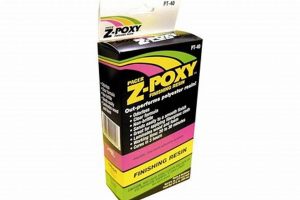
Addressing the durability of this specific area involves selecting appropriate edging materials and applying them effectively. Solid wood edging, for example, offers superior resistance to impact and abrasion compared to thinner veneer options. Proper sealing and finishing techniques are crucial for preventing moisture penetration. The method of attachment, whether through adhesives or mechanical fasteners, also influences the long-term integrity of the edge. Edge selection and application can thus significantly improve the product’s performance under stress. In marine applications, where constant exposure to moisture is expected, specialized epoxy coatings designed to seal the plywood core and protect the layers from exposure are essential.
In summary, attention to periphery preservation is not merely an aesthetic consideration; it is a fundamental factor in determining the overall durability of the product. Ignoring edge treatment will inevitably lead to premature failure and reduced lifespan. Selection of suitable materials and diligent application are vital for ensuring that plywood components withstand environmental stressors and physical impacts, delivering sustained performance and value. Challenges remain in balancing cost-effectiveness with long-term durability, requiring careful consideration of the specific application and anticipated environmental conditions.
2. Aesthetics
The visual presentation of plywood is directly influenced by the treatment of its perimeter. An untreated or poorly addressed boundary detracts from the overall aesthetic, revealing the layered composition and potentially appearing unfinished or rudimentary. Conversely, a refined edge enhances the perceived quality and craftsmanship of the piece. The treatment serves not only to conceal the plywood’s internal structure but also to introduce design elements that complement the overall aesthetic, thereby contributing to the product’s visual appeal. For instance, precisely applied wood veneer banding, stained to match the surface, can transform a simple plywood shelf into a sophisticated design element. Similarly, a rounded-over edge profile, meticulously sanded and finished, offers a soft, tactile quality that elevates the perceived value of furniture. The aesthetic considerations are, therefore, an integral aspect of the design and manufacturing process, impacting consumer perception and market value.
Practical applications of this understanding are evident in diverse fields. In cabinet making, carefully chosen edge banding materials, such as solid wood or high-pressure laminates, are routinely employed to create seamless transitions between plywood panels and adjacent surfaces. This attention to detail contributes significantly to the visual cohesion of the cabinetry system. In retail displays, where visual appeal is paramount, expertly finished plywood edges, often featuring mitered corners and precisely applied coatings, are used to create clean, modern lines that enhance product presentation. Architectural millwork also relies on sophisticated edge treatment techniques to achieve desired aesthetic outcomes, often incorporating custom profiles and specialized finishes to harmonize with the surrounding environment. These examples highlight the practical significance of aesthetic considerations in various industries.
In summary, the aesthetic treatment is a critical factor influencing the perceived quality and value of plywood products. Its impact extends beyond mere concealment of the layered core; it offers opportunities to introduce design elements and enhance the overall visual appeal. Challenges remain in balancing aesthetic goals with cost-effectiveness and durability requirements. Careful consideration of material selection, application techniques, and finish options is essential for achieving optimal aesthetic outcomes. A comprehensive understanding is critical for maximizing the potential of this versatile material.
3. Moisture Resistance
The capacity of plywood to resist moisture penetration is inextricably linked to the quality of perimeter. Raw, exposed plywood edges present a direct pathway for water ingress, leading to delamination of the veneer layers and subsequent structural degradation. The hygroscopic nature of wood necessitates adequate sealing of these edges to mitigate moisture absorption, thereby prolonging the material’s lifespan and maintaining its structural integrity. Without proper protection, plywood components subjected to humid environments or direct water exposure are prone to swelling, warping, and eventual failure. Real-world examples include the deterioration of untreated plywood subflooring in bathrooms, the delamination of outdoor furniture exposed to rain, and the disintegration of marine plywood used in boat construction when the edges are left unsealed. Such instances highlight the critical importance of moisture resistance as a key component of any treatment strategy.
Effective moisture resistance can be achieved through various edge treatment techniques. Edge banding with waterproof materials, such as PVC or ABS, provides a physical barrier against water intrusion. Application of penetrating epoxy sealers to the periphery creates a hydrophobic layer that repels moisture. Solid wood edging, when properly sealed and finished, also offers a degree of protection against water damage. The specific method employed depends on the intended application and the level of moisture exposure anticipated. For instance, marine-grade plywood used in boatbuilding requires thorough encapsulation with epoxy resin to ensure long-term resistance to saltwater immersion, whereas plywood shelving in a dry indoor environment may only require a simple sealant or edge banding. The choice of adhesive used to attach the edge treatment is also crucial, as water-resistant adhesives prevent moisture from wicking into the plywood core through the glue line.
In summary, moisture resistance is a crucial attribute inextricably linked to the overall performance and longevity of plywood products. Neglecting perimeter protection against moisture intrusion inevitably leads to premature material failure and structural instability. Selection of appropriate edge treatment materials and implementation of meticulous application techniques are essential for ensuring that plywood components withstand environmental stressors and maintain their structural integrity over time. Ongoing research and development efforts focus on creating more effective and environmentally friendly moisture-resistant edge treatments, reflecting the continued importance of this attribute in plywood applications across diverse industries.
4. Edge Banding
Edge banding serves as a critical component in achieving a refined perimeter on plywood materials. This process involves applying a narrow strip of material to the exposed edge, effectively concealing the layered core and contributing to both aesthetic appeal and functional performance. The selection and application of edge banding directly influence the overall quality and longevity of plywood-based products.
- Material Composition and Selection
The choice of edge banding materialranging from wood veneer and PVC to ABS and acrylicdictates its durability, resistance to impact, and aesthetic compatibility. Wood veneer offers a natural appearance, while PVC and ABS provide enhanced moisture resistance and impact strength. Material selection should align with the intended application and environmental conditions. For instance, PVC edge banding is frequently employed in kitchen and bathroom cabinetry due to its moisture-resistant properties, whereas wood veneer may be preferred for furniture requiring a more traditional aesthetic.
- Adhesive Application and Bonding Strength
The integrity of the bond between the edge banding and the plywood substrate is paramount for long-term performance. Hot-melt adhesives, such as EVA and PUR, are commonly used for their rapid curing times and strong adhesion. Proper application techniques, including consistent adhesive distribution and adequate pressure during bonding, are essential to prevent delamination. Weak adhesion can lead to edge banding failure, exposing the plywood core and compromising its structural integrity.
- Profile and Surface Treatment
Edge banding profiles, such as square, rounded, or beveled edges, influence the tactile feel and visual appearance of the completed surface. Surface treatments, including sanding, staining, and finishing, further enhance the aesthetic integration of the edge banding with the surrounding plywood. Precise profiling ensures a smooth transition between the edge banding and the plywood face, minimizing the risk of splintering or chipping. Careful surface treatment contributes to a uniform and visually appealing overall finish.
- Application Techniques and Equipment
Edge banding application can be performed manually or with automated machinery. Manual application is suitable for small-scale projects and custom shapes, while automated edge banders offer higher precision and efficiency for large-scale production. Automated systems typically include features such as adhesive application, edge banding placement, trimming, and buffing. The choice of application technique depends on factors such as production volume, budget constraints, and desired quality level.
In summary, edge banding represents a multifaceted process that significantly impacts the quality and appearance of plywood products. Proper selection of materials, adhesives, and application techniques is crucial for achieving a durable, aesthetically pleasing, and functionally sound perimeter. The effective implementation enhances the overall value and longevity, contributing to product sustainability and consumer satisfaction.
5. Material Selection

The selection of appropriate materials profoundly influences the final quality and durability of a treated periphery. The choice extends beyond mere aesthetics, impacting structural integrity, resistance to environmental factors, and overall lifespan. A comprehensive understanding of material properties and their compatibility with plywood is essential for achieving optimal outcomes.
- Edge Banding Composition and Performance
The composition of edge banding dictates its resistance to moisture, impact, and wear. Materials such as PVC offer superior moisture resistance, while solid wood provides enhanced impact strength. The selection should align with the intended application and anticipated environmental conditions. For example, a plywood shelf intended for use in a damp environment, such as a bathroom, would benefit from PVC edge banding, whereas a table intended for heavy use might require solid wood edging for increased durability. In marine applications, epoxy is a good sealant.
- Adhesive Compatibility and Bond Strength
The adhesive used to secure the treatment must be compatible with both the plywood substrate and the edging material. The bond strength directly affects the long-term integrity of the edge. Incompatible adhesives can lead to delamination and premature failure. For instance, using a water-based adhesive with PVC edge banding can result in poor adhesion and eventual detachment, especially in humid environments. Water-resistant adhesives are crucial for exterior or high-moisture applications.
- Finish and Coating Properties
The selection of finishes and coatings influences both the aesthetic appeal and the protective qualities. Coatings provide resistance to scratches, UV exposure, and chemical damage. The chosen finish should be compatible with the edging material and the intended aesthetic. For example, a clear coat might be preferred for highlighting the natural grain of solid wood edging, while a paint finish might be used to match the edge to the surrounding plywood surface. UV-resistant coatings are essential for outdoor applications to prevent fading and degradation.
- Substrate Preparation and Surface Compatibility
Surface preparation of the substrate contributes to the integrity of the plywood component. This will improve adhesion to material selection. Also, it may expose the quality and consistency of the layers of the plywood which dictate which material selection to chose.
In conclusion, material selection represents a critical decision point in achieving a quality level. Factors such as the composition of edge banding, adhesive compatibility, and finish properties must be carefully considered to ensure durability, aesthetic appeal, and long-term performance. These considerations ensure the result is functional and aesthetically sound.
6. Application Technique

The methodology employed to treat the periphery of plywood exerts a significant influence on the resultant quality. Poor application techniques invariably lead to subpar results, compromising both the aesthetic appeal and functional integrity. Conversely, meticulous application yields a robust, visually pleasing, and long-lasting surface. The specific techniques utilized, encompassing cutting, sanding, adhesive application, and finishing, directly impact the final outcome.
Consider the application of edge banding as an example. Improper cutting can create gaps or uneven surfaces, undermining the effectiveness of the edge banding and creating vulnerabilities to moisture intrusion. Inconsistent adhesive application can result in weak bonds, leading to delamination over time. Furthermore, inadequate sanding and finishing can leave rough textures or visible imperfections, detracting from the overall aesthetic. Conversely, precision cutting, uniform adhesive distribution, and meticulous sanding and finishing ensure a seamless, durable, and visually appealing edge. In architectural millwork, for example, skilled craftsmen employ specialized tools and techniques to create perfectly mitered corners and flawlessly finished edges, demonstrating the profound impact of application technique on the final product.
In summary, application technique constitutes a critical determinant of the overall quality. Neglecting proper application methods inevitably leads to compromised performance and diminished aesthetic value. Emphasizing precision, consistency, and meticulous attention to detail is paramount for achieving a superior perimeter that enhances both the functionality and visual appeal of the material. The challenge lies in ensuring that all personnel involved in the process are adequately trained and equipped to execute these techniques effectively, consistently delivering high-quality results.
Frequently Asked Questions About treated Plywood Boundary
This section addresses common inquiries regarding the treatment of plywood boundaries, providing concise answers to inform professional practices.
Question 1: What constitutes an appropriately treated plywood termination?
A properly treated plywood termination is one that effectively conceals the layered composition of the core, provides adequate protection against environmental factors, and contributes positively to the aesthetic appeal of the finished product.
Question 2: Why is this specific area treatment necessary?
Treatment is essential to prevent moisture intrusion, enhance durability, improve aesthetic appearance, and prevent splintering. Untreated edges are vulnerable to damage and degradation, reducing the lifespan and value of the plywood component.
Question 3: What materials are suitable for treating plywood perimeters?
Suitable materials include solid wood, wood veneer, PVC, ABS, and specialized coatings such as epoxy. The selection depends on the application, desired aesthetic, and level of protection required.
Question 4: How does application technique impact the performance?
Proper application techniques, including precise cutting, consistent adhesive application, and meticulous sanding, are crucial for ensuring a strong bond, a smooth surface, and a long-lasting result. Poor application can lead to delamination, uneven surfaces, and reduced durability.
Question 5: What are the primary benefits of a well-executed treatment?
The primary benefits include increased resistance to moisture and impact, enhanced aesthetic appeal, prolonged lifespan, and improved overall value. A well-treated perimeter contributes significantly to the quality and longevity of the plywood product.
Question 6: How does cost influence the selection of appropriate edge-treatment?
Cost considerations often necessitate a balance between desired performance characteristics and budget constraints. Lower-cost options, such as PVC edge banding, may be suitable for less demanding applications, while higher-cost options, such as solid wood edging, may be justified for applications requiring superior durability and aesthetic appeal. A thorough cost-benefit analysis is recommended.
In summary, appropriate care is essential for ensuring its long-term performance and aesthetic appeal. Understanding the benefits of various treatment options and selecting the most suitable materials and application techniques is crucial for achieving optimal results.
The following section provides a comprehensive overview of best practices for treating plywood perimeter, offering practical guidance for professionals and hobbyists alike.
In Conclusion
The preceding discussion has comprehensively examined the significance of the term “finished plywood edge,” encompassing its definition, benefits, application techniques, and material considerations. The exploration highlighted the criticality of meticulous perimeter treatment in achieving both aesthetic refinement and enhanced durability. Proper execution safeguards against moisture intrusion, prevents delamination, and elevates the overall value proposition of plywood-based products.
The presented information serves as a foundation for informed decision-making in the selection and implementation of surface treatment strategies. Continued adherence to best practices and ongoing innovation in materials and techniques will further optimize the performance of surface for many applications. Implementing a “finished plywood edge” is vital for longevity.