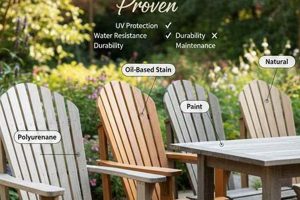
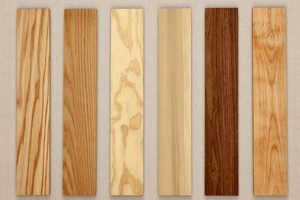
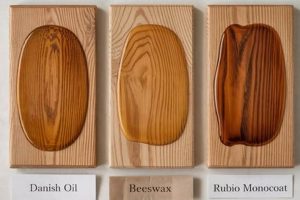
The process of applying protective or decorative coatings to maple lumber enhances its appearance and durability. This procedure seals the wood’s surface, safeguarding against moisture, scratches, and stains. For example, a clear coat application can highlight the natural grain pattern, while staining alters the wood’s color for aesthetic purposes.
Proper treatment extends the lifespan of maple furniture and flooring, preserving its value and beauty. Historically, treatments such as varnishing and oiling have been employed to protect wood surfaces. Modern techniques offer a wider range of options, including water-based finishes and polyurethane coatings, each offering distinct performance characteristics and environmental considerations.
The subsequent sections will delve into specific techniques, product types, and best practices for preparing the surface, applying the selected treatment, and maintaining the completed project. Attention will also be given to troubleshooting common issues and achieving optimal results.
Tips for Superior Results
Achieving a professional, lasting result when working with maple requires careful attention to detail. The following tips outline critical steps for successful application and long-term maintenance.
Tip 1: Surface Preparation is Paramount: Meticulously sand the maple surface, progressing through increasingly finer grits of sandpaper. Remove all dust particles with a tack cloth prior to application. Uneven surfaces or residual debris will compromise the final appearance.
Tip 2: Select the Appropriate Product: Consider the intended use of the maple object and the desired aesthetic. Water-based products offer low VOC emissions, while oil-based options typically provide greater durability. Test a small, inconspicuous area first to ensure compatibility and desired outcome.
Tip 3: Apply Thin, Even Coats: Avoid applying excessively thick layers. Multiple thin coats are preferable, allowing for proper drying and preventing runs or drips. Follow the manufacturer’s recommended drying times between coats.
Tip 4: Consider a Sealer: Maple’s tight grain can sometimes lead to blotchiness with certain stains. Applying a sanding sealer before staining helps to create a more uniform absorption and color.
Tip 5: Practice Proper Ventilation: Ensure adequate ventilation when working with solvent-based products. Use appropriate respirators and follow safety guidelines to minimize exposure to harmful fumes.
Tip 6: Sand Between Coats: Lightly sand with a fine-grit sandpaper (e.g., 320-400 grit) between coats to remove imperfections and create a smooth surface for subsequent layers.
Tip 7: Allow Adequate Curing Time: Full curing takes significantly longer than drying. Allow the recommended curing time before placing the maple object into service to ensure optimal durability and resistance to damage.
Following these guidelines will contribute significantly to the longevity and aesthetic appeal of your finished maple project. Careful preparation and meticulous application are crucial for achieving professional-quality results.
The following sections will address common problems and provide solutions for achieving optimal outcomes. Considerations for specialized finishes will also be addressed.
1. Preparation for Surface

The quality of the final treatment on maple lumber is intrinsically linked to the degree of surface preparation. A properly prepared surface allows the treatment to adhere uniformly, resulting in a smoother, more durable, and aesthetically pleasing outcome. Conversely, inadequate surface preparation can lead to a range of problems, including uneven absorption, bubbling, peeling, and premature failure of the treatment. As an example, residual sanding dust left on the surface will prevent proper adhesion, causing the treatment to lift and flake over time. Therefore, surface preparation is a critical and non-negotiable component.
Effective surface preparation for maple typically involves several stages. First, the wood must be thoroughly sanded to remove imperfections, such as scratches, dents, and planer marks. The sanding process usually starts with a coarser grit sandpaper to remove the larger imperfections and progresses to finer grits to create a smooth, even surface. Following sanding, the surface must be meticulously cleaned to remove all traces of dust and debris. This is often achieved using a tack cloth or a vacuum with a brush attachment. Depending on the wood and the chosen treatment, a pre-stain conditioner may also be applied to help control stain absorption and prevent blotchiness, particularly on maple’s tight grain.
In conclusion, surface preparation is not merely a preliminary step, but an integral part of the entire maple treatment process. Neglecting this phase can undermine even the most carefully chosen materials and application techniques. Therefore, understanding and implementing proper surface preparation methods is essential for achieving professional-quality results and ensuring the longevity and beauty of the finished maple product.
2. Selection of Material
The choice of coating agents exerts a profound influence on the final attributes of treated maple. The interaction between the material’s chemical properties and the wood’s structure directly affects the treatment’s adhesion, durability, and aesthetic characteristics. For instance, an improperly selected stain may not penetrate the dense grain structure of maple effectively, resulting in an uneven or blotchy appearance. Conversely, a polyurethane coating lacking adequate UV inhibitors will degrade rapidly when exposed to sunlight, diminishing its protective qualities and causing discoloration. This cause-and-effect relationship underscores the critical importance of informed material selection.
The significance of material selection extends beyond mere aesthetics. The chosen product directly affects the longevity and maintenance requirements of the finished piece. Oil-based products, while offering deep penetration and rich color, may require longer drying times and emit higher levels of volatile organic compounds (VOCs). Water-based products, conversely, provide a lower-VOC alternative but may necessitate more coats to achieve comparable durability and color saturation. A real-world example highlights this: selecting a moisture-resistant spar urethane for maple countertops in a kitchen setting protects against water damage from spills and daily use, increasing the lifespan of the countertop.
In summary, the selection of appropriate coatings is an indispensable component of successful maple preservation. Understanding the chemical compatibility between materials, the environmental conditions the treated wood will endure, and the desired aesthetic outcome is paramount. Improper selection can lead to a compromised treatment, increased maintenance costs, and a diminished lifespan for the maple object. Conversely, a well-informed choice optimizes the material’s protective and aesthetic qualities, ensuring lasting beauty and functionality.
3. Application Techniques

The effectiveness of any treatment on maple is significantly determined by the application techniques employed. Regardless of the quality of the chosen material, improper application can negate its benefits, leading to unsatisfactory results and potential long-term damage to the wood. The following facets highlight critical aspects of application that influence the final outcome.
- Spraying Techniques
Spraying, whether using compressed air or airless sprayers, provides a method for achieving a uniform coating, particularly on complex shapes or large surfaces. Proper spray gun setup, including nozzle selection and pressure adjustment, is crucial. Overlap each pass by approximately 50% to prevent striping and ensure consistent coverage. Improper technique, such as holding the gun too far from the surface or moving it too quickly, can result in dry spray and a rough texture.
- Brushing Techniques
Brushing is a traditional method often favored for smaller projects or when a more controlled application is desired. The selection of the appropriate brush is critical; a high-quality brush with natural bristles is recommended for oil-based materials, while synthetic brushes are suitable for water-based materials. Load the brush adequately but avoid over-saturation, which can lead to drips and runs. Apply the coating in long, even strokes, following the grain of the wood. Feather the edges to blend each stroke seamlessly.
- Wiping Techniques
Wiping is commonly used for applying stains, oils, and certain types of varnish. This technique involves applying the material liberally and then wiping off the excess with a clean cloth. The wiping process removes the material from the surface while leaving it in the pores of the wood, enhancing the grain and providing a more natural appearance. The type of cloth used is also important; lint-free cloths are recommended to prevent contamination of the finished surface.
- Roller Techniques
While less common, rollers can be used on flat, expansive surfaces. Use a short-nap roller for thin coatings and a longer-nap roller for thicker coatings. Apply even pressure and overlap each pass to avoid leaving roller marks. This technique is often used for applying sealers or base coats before a final coat is applied by spraying or brushing.
These facets illustrate the importance of understanding and mastering appropriate application techniques to effectively finish maple. The selection of the technique should be based on the chosen product, the size and complexity of the project, and the desired outcome. Proper training and practice are essential for achieving professional-quality results and maximizing the longevity and aesthetic appeal of maple projects.
4. Durability Enhancement
The act of finishing maple lumber serves as a primary mechanism for enhancing its resistance to environmental stressors and physical damage. The application of protective coatings creates a barrier that mitigates the effects of moisture absorption, ultraviolet radiation, abrasion, and chemical exposure. Without such protection, maple is susceptible to warping, cracking, staining, and premature degradation. Consequently, finishing constitutes a fundamental practice in extending the lifespan and maintaining the structural integrity of maple wood products. A clear example is the application of polyurethane on maple flooring, which provides a robust shield against daily foot traffic, spills, and scratches, thereby preserving its appearance and preventing the need for frequent repairs or replacements.
Different types of coatings offer varying degrees of protection and are selected based on the specific demands of the application. For instance, film-forming finishes like varnish and lacquer create a hard, durable surface that resists abrasion and solvents, making them suitable for high-use surfaces like tabletops and cabinets. Penetrating oils, on the other hand, offer less surface protection but enhance the wood’s natural beauty and provide dimensional stability by reducing moisture absorption. The selection and proper application of these materials, therefore, directly determine the level of protection afforded to the maple substrate. Consider exterior applications, where specialized coatings with UV inhibitors are used to prevent fading and structural weakening caused by prolonged sun exposure.
In summary, durability enhancement is an intrinsic and essential component of finishing maple. The correct selection and application of appropriate coatings is crucial for maximizing the lifespan, maintaining the aesthetic appeal, and preserving the functional integrity of maple wood products. The challenge lies in selecting the appropriate material for the intended application and ensuring that proper surface preparation and application techniques are employed. This approach is critical for achieving long-term performance and satisfaction.
5. Aesthetic Considerations
The process of treating maple lumber is intrinsically linked to aesthetic aims. The inherent visual qualities of maple, such as its fine grain and light color, provide a foundation upon which diverse aesthetic objectives can be realized. The selected treatment directly dictates the final appearance, influencing factors such as color, sheen, and the visibility of the wood’s natural features. For instance, a clear, matte finish preserves the wood’s natural tone and minimizes surface reflection, highlighting the grain pattern. Conversely, a dark stain dramatically alters the color, providing a richer, more dramatic appearance while potentially obscuring some of the grain detail. The choice, therefore, represents a critical juncture where functional protection meets artistic intent.
Furthermore, aesthetic considerations extend beyond simple color or sheen. The selection of a particular material can dramatically impact the perceived depth and texture of the wood. Penetrating oils, for example, enhance the natural figure of the maple, providing a warm, inviting aesthetic. Film-forming finishes, on the other hand, can create a smoother, more refined surface. Specialized techniques, such as distressing or antiquing, can be employed to impart a sense of age and character. A practical example is the use of a tinted lacquer on maple furniture, creating a custom color that complements a specific interior design scheme. The application of glaze highlights the intricate details of the piece further enhancing its visual appeal.
In summary, aesthetic considerations are not merely superficial additions, but rather an integral part of the process of treating maple lumber. An understanding of material properties and application techniques is crucial for achieving the desired visual outcome. Careful consideration of these factors leads to a final product that is both aesthetically pleasing and functionally durable, thus maximizing the value and enjoyment of the maple object. The selection should be made within the balance between long term wood expectation and user’s eye satisfaction.
6. Maintenance Procedures

The long-term preservation of maple lumber treated with protective coatings depends significantly on diligent maintenance procedures. These procedures serve to uphold the integrity of the treatment, preventing degradation and sustaining the aesthetic qualities of the wood. A lack of consistent maintenance can lead to premature failure of the coating and necessitate costly repairs or refinishing.
- Regular Cleaning Regimen
Periodic cleaning removes accumulated dirt, dust, and grime that can abrade or chemically react with the treatment surface. A mild detergent solution and a soft cloth are generally suitable for most finished maple surfaces. Avoid harsh chemicals or abrasive cleaners, which can damage or strip the treatment. Consistent cleaning helps prevent the buildup of contaminants that can compromise the coating’s protective properties. For example, in a kitchen setting, regular cleaning of finished maple cabinets prevents grease and food splatters from permanently staining or damaging the treatment.
- Protection from Physical Damage
Mitigating physical damage, such as scratches, dents, and impacts, is crucial for maintaining the integrity of the treated surface. The use of coasters, placemats, and felt pads under furniture helps to prevent surface damage from everyday use. Promptly addressing any minor damage, such as scratches, with appropriate touch-up methods can prevent the damage from spreading and compromising the underlying wood. On floors, placing rugs in high-traffic areas can reduce wear and tear, extending the lifespan of the treatment.
- Environmental Control
Maintaining stable environmental conditions, particularly humidity and temperature, is essential for minimizing stress on the wood and the protective treatment. Extreme fluctuations in humidity can cause the wood to expand and contract, potentially leading to cracking or peeling of the treatment. Controlling indoor humidity levels through the use of humidifiers or dehumidifiers can help to mitigate these effects. Furthermore, shielding the wood from direct sunlight can prevent fading and degradation of the coating.
- Periodic Reapplication or Touch-Up
Depending on the type of treatment and the level of use, periodic reapplication of the coating or touch-up of damaged areas may be necessary to maintain optimal protection and appearance. For surfaces subjected to heavy wear, such as flooring or tabletops, a maintenance coat may be required every few years to replenish the protective barrier. Addressing any areas where the treatment has been worn away or damaged through spot repairs helps to prevent further deterioration and maintain a consistent aesthetic.
These maintenance procedures, when implemented consistently, contribute significantly to the longevity and sustained aesthetic quality of maple lumber receiving protective coatings. They represent a proactive approach to preservation, minimizing the need for extensive repairs or refinishing and maximizing the value and enjoyment of the finished maple object. The careful integration of these practices extends the wood treatment result.
Frequently Asked Questions
This section addresses common inquiries and misconceptions related to the proper application of protective and aesthetic coatings to maple lumber. The aim is to provide clear, concise answers based on established best practices.
Question 1: Why is surface preparation so critical before applying any finishing product?
Surface preparation directly impacts the adhesion and uniformity of the subsequent finish. Residual contaminants or imperfections impede proper bonding, leading to premature failure or an uneven aesthetic. Sanding, cleaning, and appropriate pre-treatment are necessary to achieve a durable and visually appealing outcome.
Question 2: What are the primary differences between oil-based and water-based finishing products for maple?
Oil-based products typically offer enhanced penetration and durability but may exhibit higher VOC emissions and longer drying times. Water-based products provide a lower-VOC alternative with faster drying, although multiple coats may be necessary to achieve comparable protection and aesthetic depth. Selection should be predicated on project requirements and environmental considerations.
Question 3: How can blotchiness be prevented when staining maple lumber?
Maple’s dense grain structure often results in uneven stain absorption, leading to a blotchy appearance. Applying a pre-stain wood conditioner or sanding sealer helps to regulate absorption and promote a more uniform color. Proper sanding techniques and even stain application further minimize the risk of blotching.
Question 4: What are the optimal techniques for applying a clear coat to maple while minimizing brush marks?
Employing a high-quality brush with natural or synthetic bristles, depending on the product, is paramount. Applying thin, even coats in the direction of the grain, followed by feathering the edges, reduces brush marks. Light sanding between coats with fine-grit sandpaper further refines the surface. Spray application offers an alternative method for achieving a smooth, brush-mark-free finish.
Question 5: What are the most common causes of finish failure on maple, and how can they be prevented?
Common causes include inadequate surface preparation, improper product selection, and insufficient drying time between coats. Exposure to extreme temperatures or humidity can also contribute to premature failure. Adhering to recommended surface preparation guidelines, selecting appropriate products for the intended use, and controlling environmental conditions are crucial for prevention.
Question 6: What are the best practices for maintaining a finished maple surface to ensure its longevity and appearance?
Regular cleaning with a mild detergent solution, protection from physical damage through the use of coasters and placemats, and maintaining stable environmental conditions are essential. Periodic reapplication or touch-up of the finish may be necessary to replenish the protective barrier and address any areas of wear or damage.
These answers provide a foundational understanding of key considerations when working with maple. Attention to detail and adherence to best practices ensure a durable and aesthetically pleasing result.
The subsequent section will explore advanced techniques and specialized coatings for achieving unique aesthetic effects on maple lumber.
Finishing Maple Wood
This exploration has elucidated the critical aspects of treating maple lumber to achieve durable, aesthetically pleasing results. The process encompasses surface preparation, material selection, application techniques, durability enhancement, aesthetic considerations, and ongoing maintenance. Adherence to best practices in each of these domains is essential for maximizing the longevity and beauty of finished maple products. Failure to address any of these aspects can compromise the outcome.
Therefore, informed decision-making and meticulous execution are paramount. The information presented provides a foundation for understanding the complexities involved in successfully preparing maple for its intended use, whether for furniture, flooring, or other applications. Continued research and practical application of these principles will refine skills and facilitate optimal results, ensuring the enduring value of maple wood projects.