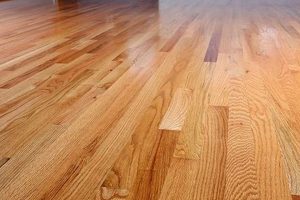
Addressing blemishes or imperfections affecting the protective layer atop wooden flooring is a common requirement in property maintenance. These corrective measures range from minor touch-ups to complete refinishing, contingent upon the severity and extent of the damage. For instance, a small scratch might necessitate only a spot repair, while widespread wear might demand a full sanding and reapplication of the protective coating.
Maintaining the integrity of this surface is vital for both aesthetic appeal and safeguarding the underlying wood from moisture, scratches, and general wear. Historically, homeowners have employed various methods to preserve their flooring, from waxing techniques to the application of durable synthetic coatings. The value of a well-maintained wooden floor extends beyond visual appeal, contributing significantly to property value and longevity of the floor itself.
The following discussion will detail various techniques employed to restore and maintain the protective surface of wooden flooring, encompassing patching scratches, addressing cloudiness, and comprehensive refinishing procedures.
Restoring Wood Floor Surface
Effective restoration of the protective layer on wooden flooring necessitates meticulous planning and execution. The following guidance outlines key considerations for achieving a durable and aesthetically pleasing result.
Tip 1: Identify the Existing Finish: Determining the type of existing coating is crucial for compatibility. Performing a solvent test in an inconspicuous area will assist in identifying whether it is water-based, oil-based, or wax. Applying an incompatible product can lead to adhesion issues and necessitate complete removal of all layers.
Tip 2: Thoroughly Prepare the Surface: Proper preparation is paramount. This involves cleaning the floor to remove dirt, wax, and any loose debris. Sanding may be required to address scratches or unevenness, ensuring a smooth, uniform base for the new layer.
Tip 3: Select Appropriate Materials: Choose coatings designed for flooring applications, considering factors such as durability, sheen, and volatile organic compound (VOC) content. Water-based options generally offer lower VOCs, while oil-based formulations may provide enhanced durability.
Tip 4: Apply Thin, Even Coats: Multiple thin coats are preferable to a single thick application. This promotes proper curing, reduces the risk of drips or runs, and ultimately yields a more resilient and aesthetically refined outcome.
Tip 5: Allow Adequate Drying Time: Adhering to the manufacturer’s recommended drying times is critical. Premature use of the floor can compromise the integrity of the new surface, resulting in blemishes and reduced longevity.
Tip 6: Control Environmental Conditions: Optimal temperature and humidity levels during application and drying periods are essential for proper curing. Refer to the product specifications for recommended environmental parameters.
Tip 7: Protect the Newly Finished Surface: After completion, protect the surface with appropriate felt pads on furniture and area rugs in high-traffic areas. Regular cleaning using pH-neutral cleaners designed for wooden floors will extend the life of the coating.
Adhering to these guidelines ensures the longevity and aesthetic quality of restored wooden flooring, contributing to both property value and enjoyment.
The subsequent sections will delve into specific techniques for addressing various types of surface damage, from minor scratches to extensive wear.
1. Surface Preparation
Effective surface preparation forms the cornerstone of any successful endeavor to restore the protective layer on hardwood flooring. Its impact is direct and consequential: inadequate preparation inevitably leads to compromised adhesion, diminished durability, and an aesthetically flawed outcome. Failure to remove existing contaminants, such as wax, dirt, or previous coatings, creates a barrier that prevents the new layer from properly bonding with the underlying wood. For instance, applying a new coating over a floor that has not been thoroughly cleaned will likely result in peeling, bubbling, or uneven sheen. Similarly, neglecting to address imperfections like scratches, dents, or unevenness before applying a new coat will only accentuate these flaws, rendering the floor visually unappealing. The process usually involves cleaning, sanding, and vacuuming to provide a clean and even surface.
The selection of appropriate methods and materials for surface preparation is equally critical. Coarse sanding, while effective for removing old layers, can damage the wood if performed incorrectly. Similarly, the use of inappropriate cleaning agents can leave residues that interfere with adhesion. A common scenario involves homeowners using household cleaners, which often contain silicone or oil-based additives, prior to applying a new coating. These additives can create a repellent surface, hindering the new layer’s ability to bond. Surface preparation often reveals the hidden state of the wood floor. It allows better assessment for structural repairs, pest damage, or wood rot that would be missed otherwise.
In summary, surface preparation is not merely a preliminary step but an integral component of successfully restoring the protective layer on hardwood floors. Thoroughness and the use of appropriate techniques directly influence the long-term performance and aesthetic quality of the restored surface. Overlooking this crucial phase introduces risks that can necessitate costly and time-consuming rework, ultimately undermining the desired result of a durable and visually appealing floor.
2. Finish Compatibility

The selection of a compatible protective layer is paramount when undertaking efforts to restore hardwood flooring. A mismatch between existing and newly applied surface treatments can precipitate a cascade of undesirable outcomes, ranging from compromised adhesion to premature deterioration. In essence, the term “finish compatibility” refers to the ability of two or more coatings to properly bond and perform as a cohesive unit. It is a foundational element in ensuring a durable and aesthetically pleasing outcome when attempting to correct imperfections or restore the protective qualities of a floor. Without proper consideration, even the most meticulous application techniques and high-quality materials are rendered ineffective.
The consequences of incompatibility are varied and often visually apparent. One common manifestation is delamination, wherein the newly applied coating separates from the existing one, resulting in peeling or flaking. This not only detracts from the floor’s appearance but also exposes the underlying wood to potential damage from moisture and abrasion. Another frequent issue is an uneven sheen or texture, arising from the disparate properties of the two layers. A practical example involves applying a water-based polyurethane over an oil-based varnish. The water-based product, lacking the chemical affinity for the oil-based layer, may exhibit poor adhesion and an inconsistent sheen, leading to an unsatisfactory finish. The chemical compositions can react poorly, causing discoloration, bubbling, or a sticky texture that never fully cures. To avoid these problems, identification of the existing floor coating is necessary before any refinishing is attempted.
Determining the appropriate coating is a crucial, sometimes challenging task. Solvent tests, small sample applications, and professional consultation can help identify existing floor coatings. Properly considering “finish compatibility” helps guarantee the long-term integrity and visual appeal of hardwood flooring. The practical significance of understanding this connection extends beyond mere aesthetics, directly influencing the floor’s durability, maintenance requirements, and overall value. Ignoring finish compatibility undermines the entire effort to restore the protective surface, potentially leading to costly rework and ultimately diminishing the floor’s lifespan.
3. Application Techniques

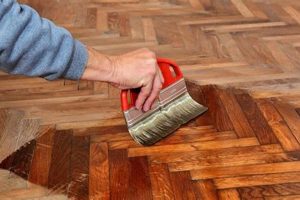
The success of any attempt to restore the protective surface on hardwood flooring hinges significantly on the application techniques employed. The method of application directly impacts the uniformity, durability, and overall aesthetic quality of the restored surface. Suboptimal techniques can lead to a range of issues, including uneven coating thickness, visible brush strokes, trapped air bubbles, and premature wear. For instance, applying an excessively thick coat of polyurethane can result in a sluggish curing process, leading to a soft, easily damaged surface. Conversely, applying too thin a coat may not provide adequate protection against abrasion and moisture. The proper use of applicators, such as brushes, rollers, or pads, is equally critical. Using a low-quality brush can leave behind bristles embedded in the coating, while employing an incorrect nap length on a roller can result in an uneven texture. The choice of application technique is often influenced by the type of coating being applied, the size and complexity of the floor area, and the desired aesthetic outcome.
Proper application extends beyond the mere physical act of applying the protective layer. It involves meticulous attention to detail throughout the entire process, from preparing the applicator to controlling the application environment. The applicator should be clean and free of any debris that could contaminate the coating. Maintaining a consistent application rate and overlapping each stroke or pass slightly helps ensure a uniform layer. Controlling environmental factors, such as temperature and humidity, is also essential, as these conditions can affect the coating’s viscosity and drying time. Consider a situation where a homeowner applies a water-based coating on a hot, dry day. The rapid evaporation rate could cause the coating to dry too quickly, resulting in visible lap lines and reduced adhesion. In contrast, applying an oil-based coating in high humidity can prolong the drying time, increasing the risk of dust contamination and surface imperfections. Professionals often use specialized tools like a lambswool applicator for oil-based finishes or a microfiber pad for water-based products. These tools, coupled with precise application methods, result in a durable, even, and visually appealing surface.
In conclusion, the application techniques employed are not merely procedural steps but integral components of a successful restoration of the protective layer on hardwood flooring. Improper techniques can undermine even the most carefully selected materials and preparations, leading to a compromised outcome. A thorough understanding of the correct application methods, coupled with meticulous attention to detail and environmental control, is essential for achieving a durable, aesthetically pleasing, and long-lasting restored surface. This careful execution is the key to protecting the investment in hardwood flooring and preserving its beauty for years to come.
4. Environmental Control

Environmental control plays a critical role in the successful restoration and maintenance of the protective coating on hardwood floors. Deviations from recommended temperature and humidity levels during application and curing can significantly compromise the final result, impacting durability, appearance, and longevity.
- Temperature Regulation
Temperature directly influences the viscosity and drying time of coatings. High temperatures accelerate evaporation, potentially leading to rapid drying and poor leveling, resulting in visible brush marks or lap lines. Conversely, low temperatures can impede the curing process, leaving the surface soft and susceptible to damage. Maintaining a consistent temperature within the manufacturer’s recommended range is crucial for optimal film formation. For example, polyurethane finishes often require a temperature range between 65F and 75F for proper curing. Application outside this range can lead to adhesion failures or an inconsistent sheen.
- Humidity Management
Humidity levels affect the absorption rate of the coating into the wood and the evaporation rate of solvents or water. High humidity can prolong drying times, increasing the risk of dust contamination and resulting in a cloudy or hazy finish. Low humidity, on the other hand, can cause rapid evaporation and premature surface drying, preventing proper bonding. Maintaining relative humidity within the specified range, typically between 40% and 60%, is essential for achieving a clear, durable finish. In coastal regions with high ambient humidity, dehumidifiers are often necessary to create an environment conducive to proper curing.
- Ventilation and Airflow
Proper ventilation is essential for removing volatile organic compounds (VOCs) released during the application and curing process. Inadequate ventilation can lead to a buildup of harmful fumes and hinder the curing process. However, excessive airflow can also be detrimental, causing dust and debris to settle on the wet surface, resulting in imperfections. Maintaining a balance between ventilation and dust control is crucial. A typical strategy involves using fans to circulate air without directly blowing onto the newly coated surface. This promotes the evaporation of solvents and reduces the concentration of VOCs, creating a safer and more conducive environment for curing.
- Dust and Contaminant Control
Airborne particles, such as dust, dirt, and pollen, can settle on the wet surface, causing surface imperfections and compromising the final appearance. Implementing dust control measures is essential, including vacuuming the floor thoroughly before application, using tack cloths to remove any remaining particles, and sealing off the work area to prevent dust from entering. In critical applications, air filtration systems may be used to remove airborne particles and create a virtually dust-free environment. Furthermore, ensuring that clothing and equipment are clean and free of contaminants helps minimize the risk of introducing imperfections to the newly applied coating.
The interconnectedness of these environmental factors necessitates a comprehensive approach to environmental control. Failure to address any single factor can compromise the overall result, leading to a finish that is less durable, aesthetically pleasing, and long-lasting. Therefore, careful monitoring and regulation of temperature, humidity, ventilation, and dust levels are essential components of successfully restoring and maintaining the protective surface on hardwood flooring.
5. Cure Time

The duration required for a protective coating to fully harden, often referred to as “cure time,” is an indispensable element in the successful restoration of hardwood flooring. Cure time directly influences the durability, resilience, and overall performance of the protective layer. Premature use of a floor before the coating has fully cured can result in surface imperfections, reduced abrasion resistance, and compromised adhesion. For example, placing furniture on a floor coated with polyurethane before the recommended cure time has elapsed can leave indentations, scratches, or even cause the coating to peel. The specific duration varies significantly depending on the type of coating, environmental conditions, and the thickness of the applied layers.
Different types of protective coatings exhibit varying cure times, each dictated by their chemical composition and drying mechanisms. Water-based polyurethane finishes typically require shorter cure times compared to oil-based counterparts, often ranging from several days to a week for full hardness. Oil-based coatings, due to their higher solvent content, necessitate longer cure times, sometimes extending to several weeks. Furthermore, environmental factors, such as temperature and humidity, exert a considerable influence on the curing process. Lower temperatures and high humidity levels can significantly prolong cure times, while elevated temperatures and low humidity can accelerate the process, albeit potentially compromising the coating’s integrity if drying occurs too rapidly. Adhering to the manufacturer’s recommended cure time is essential. Failing to allow adequate curing can lead to costly rework, necessitating sanding and reapplication of the coating.
In conclusion, cure time is not merely a passive waiting period but an active component of the restoration process that directly impacts the quality and longevity of the protective layer on hardwood flooring. Understanding the factors that influence cure time and adhering to recommended guidelines are crucial for ensuring a durable, aesthetically pleasing, and long-lasting restored surface. Recognizing this connection is fundamental to achieving optimal results and safeguarding the investment in hardwood flooring.
6. Maintenance
Effective maintenance is intrinsically linked to preserving and extending the protective qualities of hardwood floor coverings, directly influencing the frequency and necessity of surface restoration. Consistent and appropriate maintenance practices mitigate wear and tear, reducing the likelihood of scratches, abrasions, and moisture damage that necessitate surface refurbishment. Neglecting regular maintenance accelerates the deterioration process, leading to premature degradation of the protective layer and, consequently, increasing the need for remedial action.
A clear example of this connection is seen in high-traffic areas. Floors in these zones subjected to heavy foot traffic and abrasive elements like dirt and grit, experience faster deterioration. Regular sweeping and vacuuming prevent the accumulation of these abrasive materials, while periodic cleaning with pH-neutral solutions removes dirt and grime that can dull or damage the protective layer. Furthermore, employing protective measures such as area rugs in high-traffic zones and felt pads under furniture legs minimizes direct abrasion and prevents indentation, thereby prolonging the surface’s integrity. Inversely, allowing these areas to accumulate debris and experience unprotected contact accelerates the breakdown of the surface, necessitating more frequent corrective action.
In summary, diligent maintenance is a proactive strategy that minimizes the need for surface restoration on hardwood floors. It mitigates the factors that contribute to wear and tear, prolonging the lifespan of the protective layer and preserving its aesthetic appeal. While maintenance cannot eliminate the need for future restorative work entirely, it significantly reduces its frequency and complexity, representing a cost-effective and practical approach to preserving the value and beauty of hardwood flooring.
Frequently Asked Questions
The following addresses common inquiries regarding maintaining and restoring the protective coating on wooden floors. These answers aim to provide clarity and guidance for property owners seeking to preserve and enhance the durability and aesthetic appeal of their floors.
Question 1: What are the primary indicators that the surface treatment requires attention?
Visual cues include scratches, dullness, discoloration, peeling, and evidence of moisture damage, such as water stains or warping. Tactile feedback, such as a sticky or rough surface, also suggests compromised surface integrity.
Question 2: Is spot repair a viable option for minor surface imperfections?
Spot repair can be effective for addressing isolated scratches or blemishes. However, careful matching of color and sheen is critical to ensure a seamless blend with the surrounding area. It is most effective for recent and shallow damage.
Question 3: What factors determine the lifespan of the protective coating on a wooden floor?
Lifespan is influenced by several variables, including the type of surface treatment applied, the level of foot traffic, maintenance practices, and environmental conditions. Regular cleaning and the use of protective measures, such as area rugs, contribute to extended longevity.
Question 4: What are the potential consequences of neglecting necessary surface restoration?
Failure to address surface damage can lead to the underlying wood becoming vulnerable to moisture, dirt, and further damage. This can result in structural issues, diminished aesthetic appeal, and a reduction in property value.
Question 5: What professional assistance is recommended when tackling surface restoration?
For extensive damage, unfamiliarity with surface treatments, or uncertainty regarding the appropriate course of action, seeking guidance from a qualified flooring contractor is advisable. Professionals possess the knowledge and equipment necessary to achieve optimal results.
Question 6: What preventative measures can prolong the life of a newly restored surface?
Preventative measures include using floor protectors under furniture, placing mats at entryways to trap dirt and debris, promptly cleaning spills, and employing cleaning products specifically designed for wooden flooring. Regular maintenance is crucial.
The preceding responses offer fundamental insights into maintaining and restoring the surface on wooden floors. Implementing these practices can contribute significantly to preserving the beauty and longevity of this valuable architectural feature.
The subsequent section will address advanced techniques for surface maintenance and restoration.
Conclusion
The detailed examination of methodologies to fix finish on hardwood floor underscores the importance of meticulous execution and a comprehensive understanding of materials and techniques. Surface preparation, finish compatibility, application methods, environmental control, cure time, and maintenance are identified as critical factors influencing the success of restoration efforts. Each element contributes uniquely to the durability, aesthetic appeal, and longevity of the restored surface.
Addressing damaged surface coatings on hardwood flooring presents a continuing challenge for property owners. A commitment to informed practices and proactive maintenance is essential to safeguard this valuable architectural investment and preserve its intrinsic beauty for years to come. Ongoing education and adaptation to evolving technologies within the flooring industry remain paramount in sustaining the integrity of hardwood surfaces.