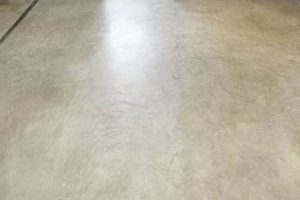
Surface treatments designed to protect and enhance cement-based flooring systems provide a range of aesthetic and functional advantages. These applications encompass a diverse selection of materials, from penetrating sealers that guard against staining to epoxy coatings that offer robust durability and visual appeal. As an example, the application of a polished overlay can transform a plain gray slab into a high-gloss, decorative surface.
The strategic selection of appropriate treatments is critical to the longevity, maintenance, and overall performance of cement-based flooring. The choice influences resistance to abrasion, chemical exposure, and moisture intrusion, thereby affecting the long-term cost-effectiveness of the installation. Historically, simple sealants were primarily used; however, advances in material science have led to the development of sophisticated systems that offer both enhanced protection and decorative possibilities, increasing property value and extending service life.
The subsequent sections will delve into the different types of available treatments, addressing their specific characteristics, application methods, and suitability for various environments and intended uses. Topics will include sealers, coatings, overlays, and polishing techniques, along with considerations for preparation and maintenance.
Practical Guidance
The following recommendations are intended to optimize the selection and application process, ensuring long-term performance and aesthetic satisfaction.
Tip 1: Surface Preparation is Paramount: Ensure the slab is clean, dry, and free of contaminants. Proper grinding and patching are essential for achieving a uniform and durable outcome.
Tip 2: Understand Environmental Factors: Consider the intended use and environmental conditions of the space. High-traffic areas require abrasion-resistant options, while areas exposed to chemicals necessitate chemically resistant materials.
Tip 3: Prioritize Moisture Mitigation: Conduct moisture testing to determine the vapor transmission rate. Implement appropriate moisture barriers to prevent adhesion failures and bubbling.
Tip 4: Select Compatible Materials: Ensure compatibility between the substrate, primer, and the topcoat. Incompatible materials can lead to delamination, cracking, or discoloration.
Tip 5: Consider Slip Resistance: In areas prone to wet conditions, specify systems with adequate slip resistance to prevent accidents. Aggregate additives or textured coatings can enhance traction.
Tip 6: Perform Regular Maintenance: Implement a regular cleaning schedule using pH-neutral cleaners. Avoid harsh chemicals or abrasive scrubbers that can damage the surface.
Tip 7: Consult with Professionals: Engage experienced contractors and consultants to ensure proper selection, application, and quality control throughout the project.
Diligent adherence to these guidelines will contribute to the attainment of a resilient, aesthetically pleasing, and long-lasting surface.
The subsequent sections will delve deeper into addressing surface imperfections that can be improved with optimal surface treatments.
1. Durability

The connection between “Durability” and the selection process for cement-based floor treatments is paramount. Durability, in this context, refers to the ability of a floor treatment to withstand wear, abrasion, impact, and chemical exposure over an extended period. The effectiveness of a concrete surface treatment directly influences the lifespan of the flooring system and minimizes the need for frequent repairs or replacements. For example, in industrial settings with heavy machinery and foot traffic, epoxy coatings are often selected due to their superior abrasion resistance compared to simpler sealants. The selection directly impacts the long-term cost-effectiveness of the flooring system.
The cause-and-effect relationship is straightforward: inadequate treatment selection leads to premature degradation, requiring costly interventions. Conversely, choosing a durable, high-performance treatment enhances the flooring’s resistance to damage, thereby extending its service life. In retail environments, polished concrete surfaces can provide a visually appealing and highly durable solution, provided that appropriate densifiers and sealers are applied to enhance hardness and stain resistance. Inadequate surface hardness leads to scratching and wear, compromising the aesthetic appeal and necessitating frequent maintenance.
In summary, durability is a critical criterion in the selection process for cement-based surface treatments. The selection must consider the specific demands of the environment and the anticipated level of traffic and exposure. While high-performance, durable options may have a higher initial cost, they often provide a more economical solution in the long run by reducing maintenance expenses and extending the flooring’s service life. Overlooking the importance of durability can result in significant long-term costs and disruptions.
2. Aesthetics

Aesthetics play a pivotal role in the selection of surface treatments for cement-based flooring, transforming a purely functional element into an integral part of the overall design. The visual characteristics of a floor contribute significantly to the perceived value and atmosphere of a space, influencing occupant experience and brand perception.
- Color and Tint
The color of a surface treatment can drastically alter the mood of a room. Neutral tones offer a versatile and timeless appeal, while bolder colors can create a dynamic or distinctive environment. Integral color additives, stains, and dyes provide a wide range of options. For example, a retail space might utilize a vibrant, branded color to reinforce its identity, whereas a museum might opt for a subtle, understated tone to complement the exhibits. The choice of color directly impacts the perceived value and atmosphere of the space.
- Texture and Pattern
Texture adds depth and visual interest to the surface. Options range from smooth, polished finishes to textured, aggregate-exposed treatments. Patterns can be achieved through stencils, saw cuts, or decorative overlays. A polished finish can evoke a modern, minimalist aesthetic, while an aggregate finish imparts a rustic, natural character. These textural and patterned options add unique character to the flooring, creating a focal point or a subtle complement to the surrounding elements.
- Sheen and Gloss Level
The level of sheen, ranging from matte to high-gloss, affects the reflectivity and perceived cleanliness of the floor. A high-gloss finish enhances light reflection and creates a sense of spaciousness, but may also highlight imperfections. A matte finish offers a more subtle and understated appearance, concealing minor blemishes and reducing glare. The appropriate selection depends on the lighting conditions, the desired level of formality, and the maintenance requirements of the space.
- Decorative Aggregates
Embedding decorative aggregates, such as glass, stone, or metal flakes, into a surface treatment provides visual texture and enhances the aesthetic appeal. The type, size, and distribution of aggregates can be customized to achieve a specific design effect. For instance, incorporating recycled glass fragments into a flooring system can enhance its sustainability profile while creating a unique and visually appealing surface. Aggregates can be selected to complement the architectural style and color palette of the surrounding environment.
The aesthetic considerations of surface treatments significantly influence the perceived value and character of a space. Careful selection of color, texture, sheen, and decorative elements ensures the flooring complements the overall design vision, contributes to the intended atmosphere, and enhances the occupant experience. The treatment transforms the floor into an element that is not only functional but also aesthetically pleasing.
3. Protection

The protective characteristics imparted by surface treatments are fundamental to the longevity and performance of cement-based flooring systems. Selection directly influences the resistance to a range of detrimental factors, thereby ensuring structural integrity and aesthetic preservation.
- Moisture Intrusion Resistance
Treatments act as barriers against water penetration, preventing moisture-related damage such as cracking, spalling, and the growth of mold and mildew. Penetrating sealers, for instance, create a hydrophobic layer within the surface, minimizing water absorption. In environments prone to humidity or spills, effective moisture resistance is crucial for maintaining the flooring’s structural integrity and preventing health hazards.
- Chemical Resistance
The ability to withstand exposure to various chemicals is critical in industrial and commercial settings. Coatings formulated with epoxy or polyurethane provide a resilient barrier against acids, alkalis, solvents, and oils. Without adequate chemical resistance, surfaces can suffer from staining, etching, and degradation, leading to costly repairs or replacements. Chemical resistance ensures continued use and preserves appearance.
- Abrasion Resistance
Surface treatments enhance resistance to wear and tear caused by foot traffic, equipment movement, and mechanical abrasion. High-performance coatings and sealers create a durable surface that withstands scratching, scuffing, and erosion. In high-traffic areas, abrasion resistance is essential for maintaining the flooring’s appearance and preventing premature deterioration. Polished surfaces also exhibit enhanced durability.
- UV Protection
Exposure to ultraviolet radiation can cause fading, discoloration, and degradation of surface treatments. UV-resistant coatings and sealers protect against these effects, preserving the color and integrity of the flooring in outdoor or sunlit environments. UV protection is particularly important for maintaining the aesthetic appearance and structural integrity.
The protective features offered by floor treatments directly contribute to the long-term performance and cost-effectiveness. These treatments guard against moisture, chemicals, abrasion, and UV radiation. The resulting benefit is a resilient and visually appealing surface. Consequently, proper selection based on environmental factors is essential to mitigate risks and ensure long-term durability.
4. Maintenance
The long-term appearance and functionality of cement-based flooring systems are intrinsically linked to diligent maintenance protocols. The type of treatment applied dictates the specific cleaning and upkeep procedures required to preserve the floor’s integrity and aesthetic qualities.
- Regular Cleaning Regimens
Consistent cleaning removes surface dirt, debris, and spills that can compromise the integrity of the treatment. The frequency and method of cleaning depend on the type of surface treatment and the level of traffic. For example, polished floors benefit from regular dust mopping and occasional wet mopping with a pH-neutral cleaner, whereas floors with epoxy coatings may require more frequent and aggressive cleaning to remove industrial contaminants. Neglecting regular cleaning leads to the accumulation of dirt and grime, diminishing the floor’s appearance and potentially causing damage to the treatment.
- Protective Measures
Implementing protective measures minimizes wear and tear and prevents damage to the surface. This includes the use of mats at entrances to trap dirt and moisture, the application of furniture pads to prevent scratches, and the prompt removal of spills to prevent staining. In industrial environments, designating specific traffic patterns and using protective barriers around equipment can minimize abrasion and impact damage. These measures extend the lifespan of the floor treatment and reduce the need for costly repairs or replacements.
- Periodic Reapplication
Certain surface treatments require periodic reapplication to maintain their protective qualities and aesthetic appearance. Sealers, for instance, may need to be reapplied every few years to maintain their water-repellent properties and prevent staining. Coatings may require periodic recoating to repair scratches and abrasions and restore their original gloss level. The frequency of reapplication depends on the type of treatment, the level of traffic, and the environmental conditions. Failing to reapply treatments as needed results in diminished protection and accelerated deterioration.
Effective maintenance strategies are indispensable for preserving the investment in cement-based flooring systems. Tailoring maintenance practices to the specific characteristics of the treatment applied ensures long-term performance, aesthetic appeal, and cost-effectiveness. Neglecting maintenance protocols can negate the benefits of even the most durable and high-performance treatments, leading to premature degradation and costly interventions.
5. Cost
The cost associated with cement-based floor treatments is a multifaceted consideration, encompassing both initial expenses and long-term financial implications. The selection process inevitably involves a trade-off between upfront investment and projected lifecycle costs. A lower initial expenditure on a less durable treatment may translate into higher maintenance expenses, frequent repairs, or premature replacement. Conversely, a higher initial investment in a robust, high-performance treatment can yield significant savings over the lifespan of the flooring system through reduced maintenance and extended durability. For example, selecting a low-cost acrylic sealer for a high-traffic retail space might necessitate annual reapplication, accumulating expenses exceeding the initial cost of a more durable epoxy coating that lasts for several years without requiring significant maintenance. This discrepancy highlights the importance of a comprehensive cost analysis that extends beyond the initial purchase price.
Several factors contribute to the overall cost. Material selection is a primary driver, with epoxy coatings and polished overlays typically commanding higher prices compared to simpler sealers or stains. Surface preparation, including grinding, patching, and moisture mitigation, represents a substantial portion of the total expense. Labor costs associated with application also vary depending on the complexity of the installation and the skill level required. Geographic location, project size, and accessibility can further influence pricing. A project involving a complex decorative overlay in a remote location with limited access will likely incur significantly higher labor and transportation costs compared to a straightforward sealant application in a readily accessible urban setting. Furthermore, the availability and cost of specialized equipment, such as polishing machines or chemical-resistant sprayers, must be factored into the budget.
A thorough cost-benefit analysis is essential for making informed decisions. This analysis should consider not only the initial material and installation costs but also the projected lifespan, maintenance requirements, energy efficiency (e.g., reflectivity impacting lighting costs), and potential downtime associated with repairs or replacements. While selecting the least expensive option may seem appealing in the short term, a more strategic approach that prioritizes lifecycle value often proves more economically prudent. Understanding the interplay between cost, performance, and long-term maintenance requirements is crucial for optimizing the investment in a cement-based flooring system and ensuring a favorable return on investment.
6. Safety

Safety is a paramount concern in the selection and application of surface treatments for cement-based flooring. The chosen surface directly influences the risk of accidents and injuries, requiring careful consideration of slip resistance, fire safety, and the potential for chemical exposure.
- Slip Resistance
The coefficient of friction of a flooring surface is critical for preventing slip-and-fall accidents. Treatments with inadequate slip resistance, particularly when wet, pose a significant hazard. Regulations often mandate minimum slip resistance values for specific applications, such as commercial kitchens or areas prone to spills. Texturing additives, specialized coatings, or etching techniques enhance slip resistance. Inadequate slip-resistance is a primary cause of falls, which can result in serious injuries, highlighting the importance of selecting treatments with appropriate traction.
- Fire Safety
Surface treatments can affect the flammability and smoke generation characteristics of cement-based flooring. Materials with low flame spread and smoke development ratings are essential for minimizing fire hazards and facilitating safe egress during emergencies. In occupied spaces, the use of treatments that release toxic fumes when exposed to heat is unacceptable. Compliance with fire safety codes and regulations is a non-negotiable aspect of the selection process. Fire-resistant surfaces contribute to safer evacuation routes and reduce the spread of flames.
- Chemical Exposure
Some surface treatments may release volatile organic compounds (VOCs) during or after application, posing health risks to occupants and installers. Low-VOC or zero-VOC options minimize these risks and contribute to improved indoor air quality. In industrial settings, treatments resistant to specific chemicals used in the workplace are essential for preventing corrosion and maintaining a safe working environment. Exposure to harmful fumes and substances can have long-term health consequences, necessitating the careful selection of chemically inert or low-emission treatments.
- Cleanability and Sanitation
Treatments that are easy to clean and sanitize contribute to a safer and healthier environment by preventing the growth of bacteria, mold, and other pathogens. Seamless coatings and non-porous sealers are particularly effective in healthcare facilities and food processing plants, where hygiene is of utmost importance. Inadequate cleanability can lead to the accumulation of contaminants, increasing the risk of infections and compromising sanitation standards. Smooth, easily disinfected surfaces minimize this risk, promoting a cleaner and safer environment.
The integration of safety considerations into the selection of cement-based flooring treatments is indispensable. By addressing slip resistance, fire safety, chemical exposure, and cleanability, decision-makers can mitigate risks and ensure the well-being of occupants and installers. Compliance with relevant regulations and a commitment to selecting safe and sustainable materials are essential for creating a secure and healthy environment.
7. Environment

The environmental impact of surface treatments for cement-based flooring has emerged as a significant consideration, influencing material selection, application practices, and disposal methods. A comprehensive assessment necessitates evaluating the lifecycle effects, from raw material extraction to end-of-life management.
- Material Composition and VOC Emissions
The chemical composition of floor treatments directly influences their environmental footprint. Traditional coatings often contain volatile organic compounds (VOCs), which contribute to air pollution and pose potential health risks. The shift towards low-VOC or zero-VOC formulations mitigates these concerns, improving indoor air quality and reducing the overall environmental burden. Water-based acrylic sealers and plant-based oil finishes represent alternatives with reduced VOC emissions. The adoption of environmentally responsible formulations is crucial for minimizing the negative impacts on air quality and human health.
- Resource Depletion and Embodied Energy
The extraction and processing of raw materials, as well as the manufacturing of surface treatments, consume significant energy and resources. Evaluating the embodied energy of different materials, from epoxy resins to concrete densifiers, allows for informed decisions that minimize resource depletion. The selection of locally sourced materials reduces transportation emissions and supports regional economies. Life Cycle Assessments (LCAs) provide a comprehensive framework for quantifying the environmental impacts associated with each stage of a product’s lifecycle, enabling comparisons between different treatment options.
- Waste Generation and Recycling Potential
The disposal of waste materials generated during application, maintenance, and eventual removal of floor treatments presents environmental challenges. Implementing strategies to minimize waste, such as optimizing material usage and employing reusable application tools, reduces landfill burden. Exploring the recycling potential of different treatments, such as concrete grinding residue, promotes a circular economy. Proper disposal of hazardous materials, such as solvent-based coatings, is essential for preventing soil and water contamination. Sustainable construction practices prioritize waste reduction and recycling to minimize environmental impact.
- Durability and Longevity
The durability of a floor treatment directly impacts its environmental performance. Longer-lasting treatments reduce the need for frequent replacements, conserving resources and minimizing waste generation. Selecting durable and resilient materials, such as polished concrete or high-performance epoxy coatings, extends the lifespan of the flooring system and reduces the overall environmental footprint. Investing in durable solutions minimizes the environmental costs associated with premature degradation and replacement.
The environmental implications of cement-based flooring treatments extend beyond immediate application, necessitating a holistic perspective that encompasses material selection, resource consumption, waste management, and product longevity. Prioritizing sustainable materials and practices is essential for minimizing environmental impact and promoting a more responsible approach to flooring design and construction. The integration of environmental considerations into the selection process not only benefits the planet but also enhances the long-term value and sustainability of the built environment.
Frequently Asked Questions
This section addresses common inquiries regarding surface treatments designed for cement-based flooring systems, providing concise and informative answers.
Question 1: What is the expected lifespan of a typical epoxy coating applied to a concrete floor?
The lifespan varies significantly based on traffic volume, chemical exposure, and the quality of application. Properly applied epoxy coatings in residential settings can last for 10 to 20 years. In high-traffic commercial or industrial environments, the lifespan may be reduced to 5 to 10 years, necessitating periodic recoating to maintain protection and appearance.
Question 2: What are the primary benefits of polishing a cement-based floor?
Polishing enhances durability, stain resistance, and aesthetic appeal. The process densifies the surface, increasing resistance to abrasion and impact. Polishing also eliminates the need for coatings, reducing maintenance requirements and VOC emissions. The resulting surface is easy to clean and offers a modern, sophisticated appearance.
Question 3: How does one determine the appropriate sealer for an exterior surface?
Selection depends on climate conditions, anticipated traffic, and desired aesthetic. Acrylic sealers offer good UV resistance and water repellency but may require more frequent reapplication. Siloxane or silane sealers penetrate deeper, providing longer-lasting protection against moisture intrusion and freeze-thaw damage. The chosen sealer should be compatible with the surface texture and porosity to ensure optimal performance.
Question 4: What precautions should be taken when applying chemical stains to a cement-based floor?
Proper surface preparation is paramount, including thorough cleaning and profiling. Chemical stains react with the surface, creating permanent color variations. It is crucial to test the stain in an inconspicuous area to verify the desired color and effect. Adequate ventilation is necessary during application, and appropriate personal protective equipment, including gloves and respirators, must be used to prevent chemical exposure.
Question 5: How can moisture vapor transmission be mitigated before applying a surface treatment?
A calcium chloride test or relative humidity probe test determines the moisture vapor emission rate. If excessive moisture is present, a moisture vapor barrier should be installed prior to applying any coating or overlay. These barriers prevent moisture from migrating through the slab, which can cause delamination, bubbling, or blistering of the surface treatment.
Question 6: What are the key differences between water-based and solvent-based sealers?
Water-based sealers offer lower VOC emissions and easier cleanup, making them environmentally friendly. Solvent-based sealers typically provide better penetration and durability, offering superior resistance to water and chemicals. The selection depends on the specific application requirements and environmental considerations.
Effective planning and maintenance can greatly impact the final results of surface treatment, ensuring longevity and satisfaction.
The following section provides a summary of the concepts covered in the preceding sections.
Conclusion
This examination of floor finishes for concrete has presented the multifaceted considerations essential for informed decision-making. The selection of an appropriate treatment necessitates a thorough evaluation of durability requirements, aesthetic preferences, protective needs, maintenance protocols, budgetary constraints, safety standards, and environmental impacts. A failure to adequately address any of these factors may compromise the long-term performance and value of the flooring system.
Effective utilization of cement-based flooring requires a strategic approach that integrates technical expertise, regulatory compliance, and a commitment to sustainable practices. Therefore, stakeholders are encouraged to engage qualified professionals to ensure proper material selection, application, and maintenance. The continued advancement of materials and techniques promises to further enhance the functionality and aesthetics of cement-based flooring, contributing to more resilient and sustainable built environments.