Coatings applied to timber flooring and other wooden surfaces serve to protect the material from wear, moisture, and staining. These applications enhance the aesthetic appeal of the wood, accentuating its natural grain and color. Examples include polyurethane, varnish, lacquer, and penetrating oils, each providing a distinct level of protection and visual outcome.
The application of protective layers is crucial for maintaining the longevity and beauty of wooden installations. These layers shield against everyday abrasions, water damage, and the fading effects of sunlight. Historically, natural oils and waxes were employed; however, modern formulations offer superior durability and resistance to environmental factors, extending the lifespan of wood products and preserving their value.
The selection process depends on various factors, including the type of wood, the intended use of the surface, and the desired aesthetic. Considerations must also include the level of protection required, the ease of application, and the long-term maintenance needs. Subsequent sections will delve into the different types available, their specific characteristics, and appropriate application techniques.
Essential Guidance for Preserving Timber Surfaces
The following recommendations are designed to optimize the performance and longevity of protective coatings on timber surfaces, ensuring lasting beauty and resilience.
Tip 1: Surface Preparation: Thoroughly clean and sand the timber surface prior to application. Remove any existing coatings, dirt, or imperfections to ensure proper adhesion and a smooth, uniform appearance.
Tip 2: Select the Appropriate Product: Consider the intended use and environmental conditions when selecting a product. High-traffic areas necessitate more durable, scratch-resistant options, while moisture-prone environments require formulations with enhanced water resistance.
Tip 3: Proper Application Technique: Adhere strictly to the manufacturer’s instructions regarding application methods, drying times, and the number of coats required. Improper application can compromise the protective qualities and aesthetic appeal.
Tip 4: Environmental Control: Ensure adequate ventilation during and after application to facilitate proper drying and minimize the accumulation of harmful vapors. Maintain a consistent temperature range as recommended by the manufacturer for optimal curing.
Tip 5: Regular Maintenance: Implement a routine cleaning schedule using pH-neutral cleaners specifically designed for coated timber surfaces. Avoid abrasive cleaners or scouring pads that can damage the coating and reduce its protective properties.
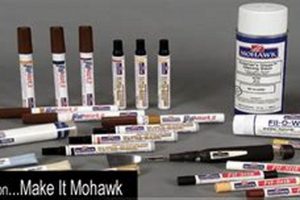
Tip 6: Prompt Repair of Damage: Address scratches, dents, or other forms of damage promptly to prevent moisture penetration and further degradation of the underlying timber. Small imperfections can often be repaired with touch-up kits specifically formulated for the applied coating.
Tip 7: UV Protection: For timber surfaces exposed to direct sunlight, select formulations containing UV inhibitors. Prolonged exposure to ultraviolet radiation can cause fading, discoloration, and premature degradation of the coating.
By adhering to these guidelines, the integrity and aesthetic value of timber surfaces can be preserved for extended periods, minimizing the need for costly repairs or replacements. Implementing these measures safeguards the investment and ensures enduring beauty.
The subsequent sections will address specific maintenance strategies and troubleshooting techniques for common issues encountered with various applications.
1. Protection against Abrasion

The capacity of a surface treatment to resist abrasion is a primary determinant of its long-term performance and aesthetic value. In the context of timber surfaces, resistance to abrasion directly influences the lifespan and visual appeal of the underlying material. The subsequent points detail key facets of abrasion resistance.
- Composition and Hardness of Coatings
The inherent hardness and chemical composition of a coating dictate its ability to withstand abrasive forces. Polyurethane-based formulations, for example, exhibit a high degree of hardness and are therefore frequently employed in high-traffic areas to mitigate wear from foot traffic, furniture movement, and other physical stresses. Lower quality coatings, with softer compositions, will degrade rapidly under similar conditions.
- Impact of Surface Preparation
Adequate surface preparation prior to coating application is crucial for achieving optimal abrasion resistance. An uneven or contaminated surface will compromise the adhesion of the applied coating, rendering it more susceptible to chipping, scratching, and peeling. Proper sanding and cleaning ensure a strong bond between the coating and the timber, thereby enhancing its ability to resist abrasive forces.
- Influence of Application Technique
The method of application, including the number of coats and the uniformity of each layer, significantly affects the overall abrasion resistance. Multiple thin coats, properly cured, generally provide superior protection compared to a single thick coat. Variations in thickness or uneven application create weak points that are more vulnerable to abrasive damage.
- Maintenance and Cleaning Practices
The use of appropriate cleaning agents and maintenance practices is essential for preserving abrasion resistance. Abrasive cleaners or harsh chemicals can erode or weaken the protective layer, rendering it more susceptible to scratches and wear. Regular cleaning with pH-neutral solutions specifically formulated for coated surfaces helps to maintain the integrity of the protective barrier.
The facets outlined above underscore the significance of selecting suitable formulations and adhering to proper application and maintenance protocols. The ultimate goal is to ensure that timber surfaces retain their aesthetic appeal and structural integrity despite exposure to abrasive forces. Improper execution in any of these areas can negate the protective benefits, leading to premature degradation and the need for costly repairs or replacements.
2. Enhancement of Aesthetics
The selection of appropriate coatings significantly influences the visual characteristics of timber surfaces. This aspect transcends mere surface treatment, functioning as a critical element in realizing the desired aesthetic outcome within architectural and design contexts. The careful consideration of color, sheen, and texture inherent in different materials allows for a tailored approach to enhance the inherent beauty of the wood.
- Color Tone and Saturation
Coatings influence the perceived color of the wood by either amplifying its natural hue or introducing a new tonal quality. Transparent coatings intensify the existing color, highlighting the grain patterns, while pigmented options can alter the wood’s color entirely, allowing for customization to match design schemes. The saturation level affects the intensity of the color, from subtle enhancements to bold transformations. For instance, a clear polyurethane might deepen the amber tones of oak, whereas a stain could impart a rich mahogany color to pine.
- Sheen Level and Reflectivity
The degree of gloss affects light reflection, contributing to the perceived depth and character of the surface. High-gloss coatings create a reflective surface, enhancing the vibrancy of the color and providing a modern, polished look. Matte or satin finishes diffuse light, offering a softer, more subdued appearance that minimizes imperfections and imparts a traditional or rustic feel. The choice between these options depends on the desired level of formality and the overall design aesthetic of the space.
- Texture and Surface Feel
Beyond visual appeal, coatings contribute to the tactile experience of timber surfaces. Some formulations penetrate the wood, preserving its natural texture, while others create a distinct surface film. For example, penetrating oils emphasize the grain, providing a natural, textured feel, while thicker coatings, such as epoxy resins, create a smooth, glossy surface. The selection of a coating with the appropriate texture enhances the overall sensory experience of the wood.
- Grain Definition and Clarity
The ability of a coating to highlight or obscure the wood’s grain is a critical aesthetic consideration. Certain penetrating oils and stains are designed to accentuate the grain patterns, emphasizing the natural characteristics of the wood. Conversely, pigmented or opaque coatings can minimize or completely obscure the grain, creating a uniform, monochromatic surface. The selection depends on whether the goal is to showcase the wood’s natural features or to create a more consistent and uniform appearance.
The enhancement of visual characteristics through the application of specific coatings is an integral component of interior design and architectural planning. The careful manipulation of color, sheen, texture, and grain definition allows for the creation of visually appealing and aesthetically cohesive spaces. These characteristics, combined, create an atmosphere that is both aesthetically pleasing and functional.
3. Resistance to moisture
The ability of hardwood surfaces to withstand moisture is critically dependent on the properties of applied coatings. Moisture ingress can lead to dimensional instability, decay, and aesthetic degradation. Therefore, selecting appropriate coatings with robust moisture resistance is essential for preserving the integrity and longevity of wooden installations.
- Hydrophobic Properties of Coatings
Certain coatings exhibit hydrophobic characteristics, repelling water and preventing it from penetrating the wood substrate. Polyurethane and epoxy-based formulations create a durable, non-porous barrier that effectively shields the wood from moisture exposure. The degree of hydrophobicity directly correlates with the coating’s ability to protect against water damage, making it a crucial factor in areas prone to humidity or spills. Examples include film-forming finishes, which are rated by their moisture vapor transmission rate (MVTR), an indicator of how well they block moisture.
- Penetrating Sealers and Water Repellency
Penetrating sealers, such as oil-based formulations, impregnate the wood fibers, enhancing their resistance to moisture absorption. While these sealers may not create a surface film, they reduce the wood’s ability to absorb water, minimizing the risk of swelling, warping, or fungal growth. The effectiveness of penetrating sealers depends on their ability to deeply penetrate the wood and create a water-repellent barrier within the cellular structure. An example is tung oil, which, when properly applied, helps wood resist water damage from humidity.
- Vapor Permeability and Breathability
Coatings with vapor permeability allow moisture vapor to escape from the wood, preventing the buildup of internal moisture that can lead to decay. These “breathable” coatings are particularly suitable for environments with fluctuating humidity levels, as they allow the wood to equilibrate with the surrounding atmosphere. In contrast, impermeable coatings can trap moisture, creating conditions conducive to fungal growth and wood rot. Examples include certain types of water-based finishes, which allow moisture to evaporate from the wood over time.
- Seam and Joint Sealing
The integrity of seams and joints is critical in preventing moisture intrusion, particularly in flooring and paneling applications. Flexible sealants and caulks are used to create watertight barriers, preventing water from seeping into vulnerable areas. Failure to properly seal seams and joints can lead to localized water damage, including swelling, staining, and structural weakening. This is seen where flooring meets walls, or between planks, where proper sealing can prevent water damage from spills or cleaning.
The interplay between these factors dictates the overall moisture resistance of timber surfaces. Selecting appropriate coatings, employing proper application techniques, and maintaining vigilant attention to seam and joint sealing are crucial for ensuring the long-term durability and aesthetic appeal of wooden installations in moisture-prone environments. Furthermore, coatings need to be routinely inspected and reapplied as needed to maintain the desired level of protection.
4. Ease of maintenance

The practical utility of timber surfaces is inextricably linked to the ease with which they can be maintained. The selection of appropriate surface treatments directly impacts the frequency and complexity of required maintenance procedures, influencing long-term costs and user satisfaction.
- Surface Smoothness and Cleanability
The texture imparted by a coating influences the ease with which dirt and debris can be removed. Smooth, non-porous surfaces facilitate effortless cleaning with standard household products. In contrast, textured or matte will finishes may trap particles, necessitating more aggressive cleaning methods that could compromise the coating’s integrity. As an example, a high-gloss polyurethane surface can typically be cleaned with a damp cloth, while a distressed finish might require specialized brushes and cleaning solutions.
- Resistance to Staining and Chemical Damage
The inherent resistance of a coating to staining and chemical damage dictates the severity of required maintenance interventions. Surfaces that are impervious to common household substances, such as spills and cleaners, require minimal upkeep. Conversely, finishes that are susceptible to staining necessitate immediate and specialized cleaning to prevent permanent discoloration. An instance of this would be an epoxy coating, which can withstand spills from harsh chemicals, unlike a wax finish, which is more susceptible to staining.
- Recoating Frequency and Effort
The longevity of a coating and the ease with which it can be reapplied are critical factors in determining overall maintenance demands. Coatings that exhibit high durability and require infrequent recoating minimize long-term labor and material expenses. Furthermore, formulations that can be easily reapplied without extensive surface preparation streamline the maintenance process. For example, oil-based penetrating finishes are known for easy spot repairs, unlike some polyurethane coatings, which require sanding and complete reapplication.
- Repairability of Scratches and Minor Damage
The ability to repair minor scratches and surface imperfections directly affects the aesthetic longevity and perceived maintenance burden. Coatings that can be easily touched up or repaired with readily available products reduce the need for extensive refinishing. In contrast, surfaces that are difficult to repair necessitate professional intervention and incur higher maintenance costs. Examples include using a touch-up marker to hide minor scratches on a stained surface versus having to completely refinish a scratched floor with multiple coats.
The interplay between these factors underscores the significance of carefully considering maintenance requirements during the selection and application of coatings. By prioritizing ease of maintenance, timber surfaces can retain their aesthetic appeal and functional integrity with minimal long-term effort and expense. These practices prevent premature degradation or the requirement of aggressive maintenance, protecting the integrity of both the aesthetic and the composition.
5. Longevity of the wood

The longevity of wooden installations is intrinsically linked to the selection and application of appropriate coatings. These surface treatments serve as a primary defense against environmental stressors, biological threats, and physical wear, thereby influencing the lifespan of the wood substrate. The selection of an inadequate coating, or improper application, can compromise this protective function, leading to premature degradation and necessitating costly repairs or replacements. For instance, untreated timber exposed to fluctuating humidity levels is susceptible to warping and cracking, while surfaces unprotected from ultraviolet radiation may exhibit fading and discoloration. A robust protective layer mitigates these risks, extending the service life of the wood.
Specific examples underscore the practical significance of this relationship. Exterior wooden decks treated with penetrating oil finishes require periodic reapplication to maintain water repellency and prevent rot, while interior flooring protected with durable polyurethane coatings can withstand decades of foot traffic with minimal wear. Museums and historical buildings often employ specialized coatings designed to preserve antique wooden artifacts, ensuring their structural integrity and aesthetic value for future generations. The efficacy of such interventions depends not only on the inherent properties of the applied substances but also on meticulous surface preparation, proper application techniques, and ongoing maintenance protocols.
In summary, ensuring the long-term preservation of wooden installations requires a comprehensive understanding of the protective function conferred by applied surface treatments. The challenges include selecting coatings that are compatible with the specific wood species, resistant to anticipated environmental conditions, and amenable to sustainable maintenance practices. Ultimately, the informed application of appropriate coatings represents a critical investment in the durability and enduring beauty of wooden structures, balancing both aesthetic and functional considerations.
Frequently Asked Questions About Hardwood Finishes
The following section addresses common inquiries regarding surface treatments for hardwood, providing clarification on key aspects and dispelling prevalent misconceptions.
Question 1: What factors influence the selection of a suitable product?
The selection process hinges upon several factors, including the species of wood, the intended use of the surface, anticipated environmental conditions, desired aesthetic characteristics, and maintenance requirements. Each of these considerations plays a pivotal role in determining the optimal formulation.
Question 2: How does surface preparation impact the performance of a coating?
Adequate surface preparation is paramount for ensuring proper adhesion and optimal performance. Removing contaminants, sanding to achieve a uniform texture, and addressing any existing imperfections are essential steps in creating a sound foundation for the applied coating.
Question 3: What distinguishes water-based and oil-based formulations?
Water-based are characterized by lower VOC emissions, faster drying times, and ease of cleanup. Oil-based formulations, on the other hand, typically offer enhanced durability, superior penetration, and a richer aesthetic. The choice depends on balancing environmental concerns with performance requirements.
Question 4: How can the longevity of a hardwood be extended?
The lifespan can be maximized through regular maintenance, prompt repair of damage, and the application of appropriate protective coatings. Implementing a routine cleaning schedule, addressing scratches or dents promptly, and reapplying coatings as needed are crucial measures.
Question 5: What role does sheen level play in the overall aesthetic?
The sheen level significantly influences the visual impact of a surface. High-gloss coatings enhance reflectivity and create a modern aesthetic, while matte finishes offer a subdued appearance and minimize the visibility of imperfections. Selecting an appropriate sheen level is essential for achieving the desired visual outcome.
Question 6: How does UV exposure affect surfaces and what can be done?
Prolonged exposure to ultraviolet radiation can cause fading, discoloration, and degradation. Selecting formulations with UV inhibitors and implementing measures to reduce direct sunlight exposure are effective strategies for mitigating these effects and preserving the aesthetic integrity of the coated surface.
In summary, selecting and applying appropriate surface treatments requires careful consideration of numerous factors. Adhering to best practices, including proper surface preparation, informed product selection, and diligent maintenance, is essential for ensuring long-term durability and aesthetic appeal.
The subsequent section will provide a comparative analysis of various types of hardwood, highlighting their unique characteristics and suitability for different applications.
Hardwood Finishes
The preceding discussion has illuminated the critical role of surface treatments in preserving and enhancing timber installations. From abrasion resistance to aesthetic enhancement and moisture protection, the selection and application of appropriate materials dictate the long-term performance and visual appeal of wood surfaces. A comprehensive understanding of these factors is essential for achieving optimal results.
Given the substantial investment represented by hardwood installations, a commitment to informed selection and diligent maintenance is paramount. Continued research and development in coating technologies will undoubtedly yield further advancements in durability, sustainability, and aesthetic versatility. Therefore, a proactive approach to knowledge acquisition and best-practice implementation remains essential for maximizing the value and lifespan of these valuable resources.
![Hunter x Hunter: Will it Ever Finish? [Predicting End] | Best Final Touch: Elevate Your Projects with Professional Finishing](https://bestfinaltouch.com/wp-content/uploads/2026/05/th-515-300x200.jpg "Hunter x Hunter: Will it Ever Finish? [Predicting End] Best Final Touch: Elevate Your Projects with Professional Finishing")