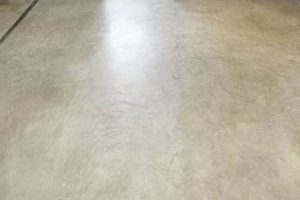
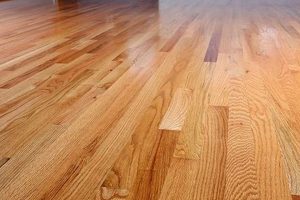
The process of applying a protective and aesthetic coating to timber floors is a crucial step in their installation and maintenance. This surface treatment, often involving sanding, staining, and sealing, enhances the wood’s natural beauty while providing a durable barrier against wear, moisture, and damage. For example, applying multiple coats of polyurethane ensures longevity and resistance to scratches.
Effective surface treatment is vital for prolonging the lifespan of timber floors and preserving their appearance. Historically, oil-based sealants were common, but modern options like water-based polyurethanes offer improved durability, faster drying times, and lower volatile organic compound (VOC) emissions. Consequently, choosing the right products and techniques contributes significantly to a floor’s resilience and aesthetic appeal, impacting both the environment and the value of the property.
The following sections will delve into the various types of coatings available, appropriate application methods, and essential preparation steps necessary to achieve optimal results. Furthermore, the discussion will cover maintenance procedures crucial for sustaining the integrity and beauty of treated floors for years to come.
Essential Guidance for Optimal Results
Achieving a superior and long-lasting surface on timber floors requires careful planning and execution. The following guidance aims to provide practical advice for ensuring the best possible outcome.
Tip 1: Thorough Surface Preparation is Paramount: Prior to any coating application, ensure the floor is meticulously sanded to a uniform smoothness. Remove all traces of dust, debris, and previous coatings. Imperfections at this stage will be magnified by subsequent treatments.
Tip 2: Select the Appropriate Coating Type: Different wood species and usage patterns necessitate specific coating formulations. Consider factors such as foot traffic, moisture exposure, and desired aesthetic when choosing between oil-based, water-based, or moisture-cured urethane systems. Consult with a professional if uncertainty persists.
Tip 3: Conduct a Test Area: Before proceeding with the entire floor, apply the chosen coating to a discrete area to assess color, adhesion, and overall appearance. This precautionary measure can prevent costly errors and ensure satisfaction with the final result.
Tip 4: Apply Thin, Even Coats: Multiple thin coats are preferable to a single thick coat. Thin coats promote proper drying and curing, minimizing the risk of bubbling, cracking, or peeling. Use a high-quality applicator designed for the specific coating being used.
Tip 5: Maintain Proper Environmental Conditions: Temperature and humidity levels can significantly impact the curing process. Adhere to the manufacturer’s recommendations regarding optimal environmental conditions during application and drying. Adequate ventilation is essential for removing fumes and promoting efficient curing.
Tip 6: Allow Sufficient Drying Time Between Coats: Premature application of subsequent coats can lead to trapped solvents and compromised adhesion. Adhere strictly to the manufacturer’s specified drying times between coats.
Tip 7: Screen lightly between coats: After each coat has dried completely, screen the surface lightly with a fine-grit screen to remove any imperfections and promote better adhesion for the next coat. Vacuum thoroughly after screening.
By adhering to these guidelines, one can significantly improve the quality, durability, and longevity of timber floors, resulting in a beautiful and functional surface that enhances the value of the property.
The subsequent sections will elaborate on specific maintenance procedures for preserving the integrity of treated floors and mitigating the effects of wear and tear.
1. Preparation

The quality and longevity of any surface applied to timber floors are inextricably linked to the thoroughness of the preparatory work. Flaws in the initial preparation will invariably compromise the integrity and appearance of the final product, resulting in premature failure and aesthetic deficiencies.
- Sanding and Leveling
The primary step in preparation involves sanding the floor to a uniform smoothness. This removes existing coatings, imperfections, and surface contaminants. Uneven sanding can lead to inconsistent sealant absorption and visible blemishes in the finished product. The use of progressively finer grits ensures a smooth, level surface suitable for the subsequent steps.
- Dust and Debris Removal
Complete removal of dust and debris generated during sanding is crucial. Residual particles can interfere with sealant adhesion, creating a rough or uneven texture. Vacuuming, followed by tack cloth wiping, is essential to ensure a clean substrate. Failure to remove dust properly will result in a compromised appearance and reduced durability.
- Repair of Imperfections
Prior to surface application, any structural or cosmetic imperfections, such as cracks, gaps, or damaged boards, must be addressed. Filling gaps with appropriate wood filler and replacing damaged boards are necessary to ensure a uniform and structurally sound base. Neglecting these repairs will lead to continued degradation and an aesthetically unappealing surface.
- Moisture Content Assessment
The moisture content of the wood must be within acceptable limits before applying any sealant. Excessive moisture can cause swelling, warping, and subsequent coating failure. Utilizing a moisture meter to assess the wood’s moisture level is crucial to ensure compatibility with the chosen sealant and prevent future problems.
These preparatory steps, while seemingly basic, are fundamental to achieving a professional and long-lasting surface. Proper execution of each stage minimizes the risk of future issues, maximizes the sealant’s performance, and enhances the overall value and aesthetic appeal of timber floors. The connection between meticulous preparation and a superior surface cannot be overstated.
2. Coating Selection

Coating selection stands as a critical determinant within the larger process of surface application to timber floors. The choice of coating directly influences the durability, appearance, and maintenance requirements of the finished surface. An inappropriate coating selection can result in premature wear, discoloration, or even structural damage to the underlying wood. For example, applying a water-based polyurethane to a floor subject to high moisture exposure, such as in a bathroom or kitchen, may lead to delamination and water damage over time.
The relationship between coating and wood species is also paramount. Some wood types, such as oak, are naturally porous and accept coatings readily, while others, like Brazilian cherry, contain oils that can interfere with adhesion. Understanding these material properties allows for informed decisions, ensuring optimal bonding and longevity. Moreover, the intended use of the floor dictates the necessary level of abrasion resistance and chemical resistance. Commercial settings, characterized by heavy foot traffic and potential spills, require coatings with superior durability compared to residential environments.
Ultimately, the selection of a coating represents a calculated trade-off between aesthetic preferences, performance requirements, and budgetary constraints. While high-performance coatings may offer superior protection and longevity, they often come with a higher price tag. A thorough assessment of the floor’s intended use, environmental conditions, and the specific characteristics of the wood is essential for making an informed decision. This careful consideration is vital for achieving a finished product that meets both functional and aesthetic expectations, ensuring the enduring beauty and value of timber floors.
3. Application Technique

The manner in which coatings are applied to timber floors significantly influences the final outcome. Variations in technique directly affect the uniformity, durability, and aesthetic quality of the finished surface, thereby determining its long-term performance and visual appeal. Mastery of appropriate application methods is essential for realizing the full potential of any chosen sealant.
- Applicator Selection and Preparation
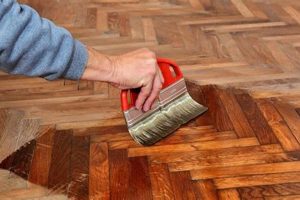
The choice of applicator, whether brush, roller, or pad, dictates the thickness and texture of the applied coating. Brushes are suitable for detailed work and edges, while rollers provide efficient coverage over larger areas. Pads offer a smooth, even distribution. Proper preparation, including cleaning and pre-wetting the applicator, is critical to prevent contamination and ensure a consistent application. A worn or improperly prepared applicator can lead to streaking, bubbling, or uneven coverage.
- Layer Thickness and Uniformity
The thickness of each applied layer directly impacts the coating’s drying time, adhesion, and durability. Overly thick coats can lead to slow drying, trapped solvents, and a tendency to crack or peel. Insufficiently thin coats may not provide adequate protection or coverage. Maintaining a consistent layer thickness throughout the application process is crucial for achieving a uniform appearance and optimal performance. Proper technique involves applying even pressure and overlapping strokes to ensure seamless coverage.
- Environmental Control During Application
Ambient temperature and humidity levels significantly influence the drying and curing processes. High humidity can retard drying, leading to prolonged tackiness and increased risk of dust contamination. Extreme temperatures can affect the viscosity and flow characteristics of the coating, potentially resulting in uneven application or premature drying. Maintaining optimal environmental conditions, as specified by the coating manufacturer, is essential for ensuring proper curing and achieving a durable, long-lasting finish. This may involve the use of climate control systems or scheduling applications during favorable weather conditions.
- Inter-Coat Preparation and Adhesion
Proper preparation between coats is essential to ensure optimal adhesion and a smooth, uniform surface. Lightly screening or scuffing the previous coat with fine-grit sandpaper creates a mechanical bond for the subsequent layer. Thorough removal of dust and debris after screening is critical to prevent contamination and promote adhesion. Neglecting inter-coat preparation can lead to delamination or a textured, uneven finish.
These technical considerations, when meticulously applied, elevate the quality and resilience of timber floor sealants. Skillful application techniques not only enhance aesthetic results but also contribute significantly to the long-term protection and preservation of wood surfaces, thereby maximizing the value and lifespan of installed timber floors.
4. Curing Process

The curing process is an integral and often overlooked aspect of surface application to timber floors. It represents the chemical transformation of a liquid sealant into a solid, durable film, directly influencing the coating’s performance characteristics and lifespan. Proper curing is paramount for achieving the desired levels of hardness, abrasion resistance, and chemical resistance, ultimately ensuring the long-term protection and aesthetic appeal of the floor.
- Temperature and Humidity Control
Ambient temperature and humidity exert a significant influence on the rate and completeness of the curing process. Elevated temperatures can accelerate curing, but may also lead to premature surface skinning and trapped solvents. High humidity levels can inhibit solvent evaporation, prolonging curing times and potentially compromising the coating’s hardness and adhesion. Maintaining optimal environmental conditions, as specified by the coating manufacturer, is critical for ensuring proper curing. Failure to do so can result in a soft, tacky, or brittle finish prone to damage. For example, applying a polyurethane coating in a damp basement may prevent it from fully hardening, leading to premature wear.
- Solvent Evaporation and Ventilation
The evaporation of solvents is a key component of the curing process for many types of coatings, including oil-based and solvent-based polyurethanes. Adequate ventilation is essential to facilitate the removal of these solvents, preventing their entrapment within the coating film. Trapped solvents can soften the coating, reduce its durability, and create a lingering odor. Proper ventilation ensures that the solvents fully evaporate, allowing the coating to harden and achieve its intended performance characteristics. The use of fans and open windows is often necessary to promote sufficient airflow.
- Curing Time and Traffic Restrictions
Coatings require a specific period of time to fully cure and develop their optimal properties. Premature exposure to foot traffic or furniture can damage the uncured coating, leading to scratches, dents, and other imperfections. Strict adherence to the manufacturer’s recommended curing times is essential to allow the coating to fully harden and achieve its intended durability. Traffic restrictions should be implemented during the curing period to prevent any damage to the newly sealed surface. For instance, heavy furniture should be kept off the floor until the coating has fully cured.
- Chemical Reactions and Crosslinking
The curing process often involves complex chemical reactions, such as crosslinking, which creates a network of interconnected polymer chains within the coating film. These crosslinks contribute to the coating’s hardness, flexibility, and resistance to chemicals and abrasion. Proper curing ensures that these chemical reactions proceed to completion, resulting in a strong, durable finish. Incomplete curing can lead to a weak, brittle coating that is susceptible to damage and premature failure. Catalyst systems are sometimes used to accelerate or control the crosslinking process.
In summary, the curing process is a critical phase in the surface application process. Attentive management of environmental factors, sufficient solvent evaporation, and adherence to recommended curing times are essential for achieving a resilient and aesthetically pleasing result. Neglecting these considerations can compromise the coating’s performance and longevity, ultimately diminishing the value and lifespan of the treated timber floor.
5. Durability

The intrinsic connection between surface application and the longevity of timber floors cannot be overstated; durability serves as a primary metric by which the success of a sealing process is judged. Selection of a sealant, application technique, and subsequent maintenance protocols all contribute to a floor’s ability to withstand daily wear and tear. Without a properly applied and maintained sealant, timber is susceptible to scratches, dents, moisture damage, and chemical staining, leading to premature degradation and costly repairs. For instance, floors in high-traffic areas such as hallways or living rooms require sealants formulated for increased abrasion resistance to prevent surface wear from foot traffic. Conversely, areas prone to moisture, such as kitchens or bathrooms, necessitate sealants that offer superior water resistance to prevent swelling and warping of the timber.
The practical significance of understanding this relationship extends beyond mere aesthetic preservation. A durable, well-protected surface reduces the need for frequent refinishing, thereby minimizing disruptions to daily life and long-term maintenance costs. Consider a commercial setting, such as a retail store or restaurant. Choosing a high-durability sealant can significantly extend the lifespan of the flooring, preventing the need for closure and replacement due to wear. Furthermore, proper sealant application enhances the hygienic properties of the floor by creating a non-porous surface that is easier to clean and less susceptible to harboring bacteria or allergens. In healthcare facilities, for example, this is a critical factor in maintaining a clean and safe environment. Selecting the appropriate products and techniques must take into consideration the specific traffic load, potential liquid exposure, and maintenance requirements of the site to ensure both lasting durability and appearance.
In conclusion, the pursuit of durability in the context of surface application for timber floors necessitates a holistic approach. Careful product selection, meticulous application, and conscientious maintenance are all essential components. Challenges remain in identifying universally applicable solutions, as optimal strategies vary based on wood species, environmental conditions, and intended use. However, a thorough understanding of the factors that contribute to surface resilience is essential for achieving long-term protection, aesthetic preservation, and sustained value.
6. Maintenance
The long-term integrity of a sealed timber floor is inextricably linked to consistent and appropriate maintenance practices. While effective surface application initially provides protection against wear, moisture, and staining, the benefits are significantly diminished without diligent upkeep. A causal relationship exists: inadequate maintenance accelerates the degradation of even the most robust sealing, leading to surface scratches, dulling, and eventual failure, necessitating costly repairs or replacement. For example, consistently using abrasive cleaners on a polyurethane surface will gradually erode the protective layer, leaving the wood exposed and vulnerable. Therefore, maintenance constitutes a crucial component of a comprehensive sealing strategy, ensuring the prolonged performance and aesthetic appeal of the floor.
Effective maintenance encompasses several key actions: regular sweeping or vacuuming to remove abrasive particles like dust and grit, prompt cleaning of spills to prevent staining and moisture damage, and the use of appropriate cleaning products specifically formulated for sealed timber surfaces. The practical significance of these actions is demonstrable in real-world scenarios. Consider a retail environment; daily sweeping and the use of a neutral pH cleaner can prevent the accumulation of dirt and debris that would otherwise scratch and dull the surface, preserving its shine and extending its lifespan. In contrast, neglecting these practices in a similar environment would result in rapid wear and a diminished appearance, potentially impacting customer perception and store ambiance.
Challenges persist in effectively communicating the importance of proper maintenance to end-users. Misinformation regarding cleaning products and techniques is common, and the long-term consequences of neglect are often underestimated. However, understanding the fundamental relationship between maintenance and surface performance is essential for maximizing the investment in sealed timber floors. Addressing these challenges through clear and accessible educational resources is crucial for promoting informed maintenance practices and ensuring the enduring beauty and functionality of timber flooring installations.
7. Aesthetics
Aesthetics, in the context of surface application to timber floors, transcends mere visual appeal. It encompasses the holistic sensory experience of the floor, influencing perceptions of quality, value, and comfort. The finished floor contributes significantly to the overall ambiance of a space, shaping perceptions of luxury, warmth, or modernity. Consequently, aesthetic considerations are integral to sealant selection, application techniques, and long-term maintenance practices.
- Color and Tone
The selected color and tone of the sealant profoundly impact the aesthetic character of the floor. Light-colored sealants can enhance the brightness and perceived spaciousness of a room, while darker tones impart a sense of warmth and sophistication. The choice should complement the existing architectural elements and furnishings to create a cohesive design. For instance, a dark walnut finish paired with contemporary furniture can evoke a sense of modern elegance.
- Gloss Level and Sheen
The gloss level, ranging from matte to high-gloss, influences the light reflectivity and perceived smoothness of the floor. Matte finishes offer a subtle, natural look and tend to conceal imperfections, while high-gloss finishes provide a dramatic, reflective surface. Semi-gloss and satin finishes strike a balance between these extremes. The selection should consider the lighting conditions of the room and the desired level of visual impact. A high-gloss finish in a well-lit room can create a striking visual statement, while a matte finish in a naturally lit space can enhance its rustic charm.
- Grain Enhancement and Clarity
Certain sealants accentuate the natural grain patterns and textures of the wood, enhancing its visual interest and character. Clarity refers to the sealant’s ability to allow the wood’s natural color and grain to be seen without distortion. Sealants that offer superior clarity and grain enhancement can showcase the beauty of the timber, adding depth and dimension to the floor. For example, a clear, oil-based sealant can deepen the natural tones of oak and highlight its unique grain patterns.
- Surface Texture and Smoothness
The final surface texture achieved during the application process contributes significantly to the overall aesthetic experience. A smooth, even surface enhances the sense of luxury and comfort underfoot, while a textured surface can add visual interest and tactile appeal. The application technique, including sanding and coating methods, directly influences the surface texture. For instance, a hand-scraped finish can create a rustic, textured surface that evokes a sense of history and craftsmanship.
These aesthetic facets, while seemingly independent, are interconnected and collectively contribute to the overall visual impact of surface application for timber floors. Attentive consideration of color, gloss, grain enhancement, and surface texture is essential for achieving a finished floor that enhances the aesthetic appeal of the space and meets the functional requirements of the environment. The successful integration of these elements elevates the floor from a purely functional component to a prominent design feature.
Frequently Asked Questions
The following section addresses common inquiries regarding surface application to timber floors, aiming to clarify misconceptions and provide informed guidance on achieving optimal results.
Question 1: What constitutes the most critical step in achieving a durable surface on timber floors?
Proper surface preparation, encompassing thorough sanding and meticulous dust removal, is paramount. Imperfections present at this stage will be magnified by subsequent sealing, compromising both aesthetics and longevity.
Question 2: How frequently should timber floors be resealed?
The frequency of resealing depends on usage patterns and the type of sealant applied. High-traffic areas may require resealing every 3-5 years, while low-traffic areas may only need it every 7-10 years. Visual cues such as surface scratches and dulling indicate the need for resealing.
Question 3: What are the primary differences between oil-based and water-based sealants?
Oil-based sealants offer enhanced durability and a richer tone, but typically require longer drying times and emit higher levels of volatile organic compounds (VOCs). Water-based sealants dry faster, have lower VOC emissions, and offer improved clarity, but may not provide the same level of durability.
Question 4: Does sealant choice influence the cleaning requirements for timber floors?
Yes, the type of sealant dictates the appropriate cleaning products and techniques. Abrasive cleaners should be avoided on all sealed timber floors, but specific cleaning agents are formulated for particular sealant types. Consult the sealant manufacturer’s recommendations for guidance.
Question 5: Can floors be stained prior to surface application?
Yes, floors can be stained to alter their color before applying the protective sealant. The stain must be fully dry before applying any topcoat.
Question 6: What measures can be taken to minimize off-gassing from newly sealed timber floors?
Selecting sealants with low VOC emissions, ensuring adequate ventilation during and after application, and adhering to the manufacturer’s recommended drying times can minimize off-gassing.
The information presented herein serves as a general guide. Specific project requirements may necessitate consultation with a qualified flooring professional.
The next section will delve into advanced techniques and considerations for complex surface projects.
Conclusion
The preceding analysis has examined various facets of hardwood flooring finishing, emphasizing the critical role of preparation, coating selection, application technique, curing process, and maintenance in achieving durable and aesthetically pleasing results. It is evident that successful hardwood flooring finishing is not merely an application process, but a complex interplay of informed decisions and skillful execution. The long-term performance of timber floors hinges on the careful integration of these elements, underscoring the need for both expertise and meticulous attention to detail.
As technology advances and new materials emerge, the field of hardwood flooring finishing will continue to evolve. Staying abreast of these developments and adhering to best practices is paramount for ensuring the enduring beauty and value of timber flooring installations. The responsibility lies with both professionals and end-users to prioritize knowledge and diligence in the pursuit of sustainable and high-quality outcomes.