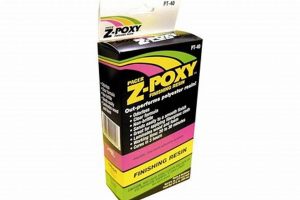
The process of applying a protective and aesthetic coating to a wooden surface composed of small wood blocks bonded together, commonly used for food preparation surfaces, is essential for longevity and hygiene. This procedure involves multiple stages, from surface preparation to the application of suitable sealants. This process not only enhances the visual appeal but also safeguards the wood against moisture, stains, and bacteria. An example of such a surface would be a thick, multi-toned maple surface installed within a modern kitchen as an island workstation.
Properly sealing this type of surface provides numerous advantages. It creates a barrier against water penetration, preventing warping and cracking of the wood. This resistance to moisture also inhibits the growth of mold and mildew, contributing to a healthier kitchen environment. Furthermore, the coating enhances the durability of the wood, protecting it from scratches and abrasions, thereby extending its lifespan and maintaining its aesthetic value. Historically, this practice has been crucial in preserving wooden surfaces used in demanding environments, ensuring their continued functionality and beauty.
The following sections will delve into the specific steps involved in surface preparation, sealant selection, application techniques, and maintenance practices necessary to achieve a durable and visually appealing result. Understanding these elements is critical for successful completion of the procedure.
Essential Considerations
The following insights offer guidance for optimal outcomes when undertaking the sealing of a wooden food preparation surface.
Tip 1: Wood Selection: Choose the wood species judiciously. Hardwoods such as maple, walnut, or cherry are denser and more resistant to wear and tear than softer woods. Consider the intended use and aesthetic preferences before making a selection.
Tip 2: Surface Preparation: Proper sanding is paramount. Begin with a coarse grit sandpaper (80-grit) to remove imperfections, followed by progressively finer grits (120-grit, 180-grit, 220-grit) to achieve a smooth, even surface. Vacuum thoroughly between each sanding stage.
Tip 3: Sealer Selection: Opt for food-safe sealants specifically designed for wooden surfaces. Mineral oil, beeswax, and certain types of varnish or polyurethane labeled as food-safe are suitable options. Research the properties and application requirements of each sealer before use.
Tip 4: Application Technique: Apply the sealer in thin, even coats, following the manufacturer’s instructions. Avoid over-application, which can lead to pooling and uneven drying. Allow each coat to dry completely before applying the next.
Tip 5: Proper Ventilation: Ensure adequate ventilation during the application process, particularly when using solvent-based sealants. Open windows and use fans to circulate air and prevent the build-up of harmful vapors.
Tip 6: Multiple Coats: Apply multiple coats of sealer to achieve adequate protection. Typically, three to five coats are recommended, depending on the sealer type and intended use. Allow sufficient drying time between coats.
Tip 7: Regular Maintenance: Maintain the surface by regularly cleaning it with mild soap and water. Reapply the sealer periodically, as needed, to maintain its protective properties and prevent the wood from drying out.
Adhering to these considerations can significantly improve the outcome, resulting in a durable, hygienic, and aesthetically pleasing surface.
These tips provide a foundation for successful execution, leading to a long-lasting and functional food preparation area.
1. Preparation
The success of properly coating a butcher block surface is inextricably linked to the quality of preparation undertaken prior to sealant application. Insufficient surface preparation invariably leads to diminished sealant adhesion, compromised aesthetic outcomes, and reduced durability. This foundational stage directly impacts the effectiveness and longevity of the coating. As a preliminary stage, preparation is paramount; surface imperfections or residual contaminants inhibit proper bonding of the sealant to the wood, leading to premature failure and an increased susceptibility to moisture penetration and bacterial growth. For example, failing to remove saw marks or adhesive residue prior to coating a butcher block island will inevitably result in an uneven finish with visible flaws, irrespective of the quality of the sealant employed.
Effective preparation involves multiple steps, including thorough cleaning and sanding. Cleaning removes surface debris, grease, and previous coatings that may impede sealant penetration. Sanding, initiated with coarser grits to address significant imperfections and progressing to finer grits for a smooth finish, creates an ideal surface texture for bonding. Sanding also opens the wood pores, enhancing sealant absorption. Neglecting this step can create a rough finish on the wood. As a result, one might experience an uneven feel or bumps on the butcher block’s surface.
In summation, meticulous preparation is not merely a preliminary task but an essential determinant of the ultimate success of the coating process. The consequences of inadequate preparation range from superficial aesthetic flaws to significant structural compromises, affecting the lifespan and hygiene of the butcher block. By investing in thorough cleaning, sanding, and attention to detail, one ensures the creation of a surface conducive to long-lasting protection and visual appeal.
2. Sealer Selection

Sealer selection exerts a considerable influence on the outcome of preserving a butcher block surface. The correct selection directly dictates the level of protection against moisture, stains, and bacterial ingress, which subsequently impacts the longevity and hygiene of the countertop. The sealer forms a crucial barrier between the wood and the external environment, thereby preventing damage and preserving the aesthetic quality of the surface. For example, opting for a non-food-grade sealer on a butcher block intended for food preparation could result in the leaching of harmful chemicals into food, posing a direct health risk. Thus, proper sealer choice is fundamental to successful implementation of the maintenance.
Several types of sealers are available, each with distinct properties and suitability for different applications. Mineral oil, a common choice, penetrates the wood, providing a replenishable barrier against moisture; however, it requires frequent reapplication. Film-forming sealers, such as polyurethane or varnish, offer more durable protection but may not be food-safe unless specifically formulated for that purpose. Careful consideration of the sealer’s composition, application requirements, and intended use is essential. For instance, a high-traffic surface used for cutting and chopping may benefit from a more robust, albeit potentially less natural, sealant, whereas a surface primarily used for light food preparation might suffice with regular mineral oil treatments. This is based on sealant selection.
In summary, appropriate sealer selection is not merely a detail but a determining factor in realizing the intended benefits of coating a butcher block. The decision should be informed by a clear understanding of the sealer’s properties, the intended usage of the surface, and food safety considerations. The consequences of an ill-informed choice range from inadequate protection and aesthetic compromise to potential health hazards. By prioritizing informed sealer selection, one ensures the creation of a durable, hygienic, and aesthetically pleasing butcher block surface.
3. Application

The phase of sealant application is critical to the outcome of the maintenance procedure, profoundly impacting the aesthetic appeal, durability, and protective qualities of the treated surface. Optimal results are contingent upon meticulous execution of specified techniques, appropriate environmental conditions, and adherence to manufacturer guidelines.
- Layer Thickness and Uniformity
The thickness and uniformity of each applied sealant layer directly influence protection and visual appeal. Thin, even coats facilitate proper drying and prevent the formation of unsightly drips or blemishes. Uneven application may result in areas with insufficient protection and other areas with excessive sealant buildup, leading to cracking or peeling over time. For instance, when applying mineral oil, saturating one area more than another leads to uneven absorption and a blotchy appearance.
- Environmental Control
Ambient temperature and humidity levels significantly affect the curing process. Extremes in either direction can impede proper drying and adhesion, potentially compromising the integrity of the sealant. High humidity may prolong drying times, increasing the risk of dust contamination, while excessive heat can cause premature drying, leading to cracking. Maintaining a stable, moderate environment, as recommended by the sealant manufacturer, is crucial for achieving optimal results. For example, a polyurethane sealant applied in high humidity may exhibit a cloudy or milky finish due to trapped moisture.
- Application Tools and Techniques
The selection and utilization of appropriate application tools contribute significantly to the uniformity and smoothness of the sealant layer. Options range from brushes and rollers to spray equipment, each suited to different sealant types and surface characteristics. Correct technique, such as applying sealant with the grain and avoiding excessive pressure, prevents brush marks or other imperfections. If one is using a brush with synthetic bristles with a water-based sealant, the finish might appear smoother than using a brush with natural bristles.
- Curing and Drying Times
Adequate curing and drying times are essential for complete sealant polymerization and development of maximum protective properties. Premature use of the countertop before full curing can lead to damage or contamination of the sealant layer. Insufficient drying can result in a tacky or soft surface that is susceptible to scratches and stains. Adhering to the manufacturer’s recommended drying and curing times is critical for ensuring long-term performance. For example, a butcher block treated with varnish requires adequate time to off-gas and fully cure before it is safe for direct contact with food.
The aforementioned aspects of correct application are fundamental to maximizing the benefits of the finishing process. Careful consideration of sealant properties, environmental conditions, tool selection, and adherence to recommended drying schedules collectively ensure a durable, aesthetically pleasing, and food-safe work surface.
4. Maintenance

Sustained performance and longevity of a butcher block surface are directly correlated with consistent and appropriate maintenance practices. The integrity of the protective coating and underlying wood structure relies on preventative measures and timely interventions to mitigate wear, damage, and potential contamination.
- Regular Cleaning Protocols
Routine cleaning, employing mild, pH-neutral detergents, is essential for removing food particles, spills, and accumulated debris. Failure to maintain a clean surface promotes bacterial growth, compromises hygiene, and accelerates the deterioration of the sealant layer. For instance, neglecting to clean a surface after cutting raw meat can lead to cross-contamination and potential foodborne illness. Frequent wiping with a damp cloth followed by thorough drying is recommended.
- Periodic Reapplication of Sealant
Sealant degradation occurs over time due to exposure to moisture, abrasive forces, and chemical agents. Periodic reapplication of the sealant is necessary to replenish the protective barrier and prevent moisture penetration into the wood. The frequency of reapplication depends on the sealant type, usage intensity, and environmental conditions. Surfaces treated with mineral oil require more frequent reapplication compared to those coated with durable film-forming sealants.
- Damage Mitigation and Repair
Prompt attention to surface imperfections, such as scratches, dents, or stains, prevents further damage and maintains the aesthetic appeal. Minor scratches can often be addressed through gentle sanding and reapplication of the sealant. Deeper imperfections may require more extensive repair, including wood filler or patching. Ignoring these issues leads to progressive degradation and potentially costly replacements.
- Environmental Control Measures
Controlling environmental factors, such as humidity levels and exposure to direct sunlight, contributes to the long-term preservation of the butcher block. Excessive humidity promotes wood expansion and contraction, potentially leading to warping or cracking. Prolonged exposure to direct sunlight can cause fading and discoloration. Employing strategies such as proper ventilation and UV-resistant coatings helps mitigate these adverse effects.
These aspects of consistent maintenance are essential for prolonging the lifespan, preserving the appearance, and ensuring the sanitary condition of a butcher block food preparation area. Neglecting these elements inevitably diminishes the protective properties of the applied coating, leading to accelerated deterioration and potential hygiene concerns, thereby undermining the initial efforts to protect and enhance the surface.
5. Food Safety

The intersection of food safety and the process of coating a butcher block surface is governed by a direct causal relationship. The choice of sealant, its application, and subsequent maintenance directly influence the potential for bacterial contamination and the overall hygiene of the surface used for food preparation. Improper sealant selection or inadequate application can lead to porous surfaces that harbor bacteria, creating a breeding ground for pathogens such as Salmonella or E. coli. The significance of food safety in this context lies in preventing foodborne illnesses and ensuring a safe environment for preparing meals. A real-life example illustrates the dangers of neglecting this connection: a butcher block finished with a non-food-grade sealant can leach harmful chemicals into food, posing a direct health risk. The practical significance of understanding this relationship cannot be overstated, as it protects consumers from potential harm and safeguards public health.
Further analysis reveals practical applications stemming from this understanding. For example, employing food-safe sealants such as mineral oil or beeswax creates a barrier against bacterial penetration, while also being non-toxic upon incidental ingestion. Regular cleaning with approved sanitizing agents and periodic reapplication of the sealant ensures continuous protection against microbial growth. Practical application includes the implementation of rigorous cleaning protocols and schedules, tailored to the frequency of use and types of food prepared on the surface. Another aspect of consideration includes making a more effective surface of the wood.
In summary, maintaining food safety is an indispensable component when coating a butcher block. The challenges associated with ensuring a safe food preparation surface are mitigated through informed sealant selection, meticulous application, and diligent maintenance. This understanding links directly to the broader theme of preventative healthcare, emphasizing the critical role of responsible choices in promoting public well-being.
Frequently Asked Questions
The following section addresses common inquiries regarding the process of coating a butcher block surface, providing detailed and objective answers to assist with informed decision-making.
Question 1: Is sealing a butcher block countertop truly necessary?
Sealing a butcher block surface is highly recommended. Untreated wood is susceptible to moisture absorption, staining, and bacterial growth. Sealing provides a protective barrier, extending the countertop’s lifespan and promoting hygiene.
Question 2: What is the expected lifespan of a properly finished butcher block surface?
The longevity of a finished butcher block depends on several factors, including wood type, sealant choice, and maintenance practices. With proper care, a well-maintained surface can last for several decades.
Question 3: Can any type of oil be used to seal a butcher block?
No. Only food-grade mineral oil or other sealants specifically formulated for food contact surfaces are suitable. Other oils may contain additives or impurities that are harmful to human health.
Question 4: How frequently should mineral oil be reapplied?
The frequency of reapplication varies depending on use and environmental conditions. Typically, mineral oil should be reapplied every few weeks or whenever the surface appears dry. More frequent applications are recommended for surfaces that are heavily used or frequently exposed to water.
Question 5: What are the signs that a butcher block surface needs resealing?
Signs indicating the need for resealing include dryness, dullness, water absorption, staining, and the presence of visible scratches or imperfections in the existing sealant layer.
Question 6: Are there any sealants that should be avoided?
Sealants containing volatile organic compounds (VOCs) or those not certified as food-safe should be avoided. These substances can leach into food and pose health risks. Always consult the sealant’s material safety data sheet (MSDS) before use.
Proper execution of the maintenance process is pivotal for ensuring a resilient and aesthetically pleasing outcome. Adherence to established guidelines for each stage, from preparation to sealant choice and application, greatly enhances the probability of achieving the desired result.
The final section summarizes key considerations for proper maintenance.
Conclusion
This article has explored the critical steps involved in the process of how to finish butcher block countertop, emphasizing the significance of preparation, sealant selection, application techniques, maintenance protocols, and food safety considerations. The information presented underscored the need for meticulous attention to detail at each stage to ensure a durable, hygienic, and aesthetically pleasing surface. Successfully executing this procedure requires informed decision-making and adherence to established best practices.
Proper execution of how to finish butcher block countertop is essential not only for the longevity of the surface, but also for the safety and well-being of those who use it. The responsible application of these guidelines will contribute to a more sustainable and health-conscious approach to food preparation spaces. Further research and development in food-safe sealant technologies will continue to refine and improve this process.