The process of applying a protective or decorative layer to previously coated wooden surfaces is a crucial step in woodworking and refinishing. This final layer enhances the durability, appearance, and longevity of the painted surface. Examples include applying varnish to a child’s painted toy to resist wear, or using a sealant on painted kitchen cabinets to protect against moisture.
Implementing this procedure offers substantial benefits, safeguarding against scratches, chips, and environmental damage, thereby extending the lifespan of the painted item. Historically, methods of protecting surfaces have ranged from natural oils to modern synthetic polymers, all serving the fundamental purpose of preservation and aesthetic enhancement.
The following sections detail various techniques, materials, and considerations necessary for effective surface protection and enhancement. This encompasses surface preparation, product selection, application methods, and troubleshooting common issues.
Tips for Effective Surface Coating Application
Achieving a professional and durable result requires careful attention to detail and adherence to established best practices. The following tips outline key considerations for successful surface coating application.
Tip 1: Surface Preparation is Paramount: Ensure the painted surface is clean, dry, and free of loose particles or contaminants. Light sanding with fine-grit sandpaper may be necessary to create a receptive surface for subsequent layers. For example, removing dust particles from previously painted furniture ensures proper adhesion of the topcoat.
Tip 2: Product Selection Matters: Choose a coating product compatible with the underlying paint and intended use of the item. Consider factors such as durability, sheen, and environmental resistance. Water-based acrylic varnishes are suitable for interior projects, while polyurethane coatings offer superior protection for high-traffic areas or outdoor applications.
Tip 3: Thin Coats Yield Superior Results: Apply multiple thin coats rather than one thick coat to minimize drips, runs, and uneven drying. Allow each coat to dry completely before applying the next, following the manufacturer’s recommendations for drying time. The application of a thin coat of varnish over painted trim will prevent runs and promote a smooth finish.
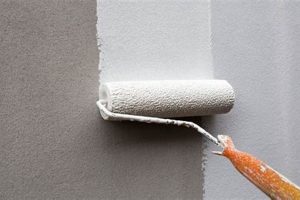
Tip 4: Proper Application Techniques are Essential: Use appropriate brushes, rollers, or spray equipment for the selected coating material. Maintain a consistent application speed and overlap each stroke slightly to avoid gaps or streaks. When applying varnish to painted cabinets, use a high-quality brush to achieve a uniform finish.
Tip 5: Sanding Between Coats Promotes Adhesion: Lightly sand between coats with fine-grit sandpaper (e.g., 320-grit or higher) to create a smooth, even surface and improve adhesion. Remove sanding dust thoroughly before applying the next coat. This step is particularly important when applying multiple coats of clear lacquer over painted surfaces.
Tip 6: Control the Environment: Apply coatings in a well-ventilated area with stable temperature and humidity. Avoid applying coatings in direct sunlight or excessively humid conditions, as these factors can affect drying time and finish quality. Applying a protective coat to painted doors should be done in an environment where temperature and humidity can be properly controlled.
Tip 7: Test in an Inconspicuous Area: Before applying a coating to the entire project, test it in an inconspicuous area to ensure compatibility and desired results. This allows for adjustments in technique or product selection if necessary. A small test patch on the back of a painted chair confirms that the varnish will dry to a clear, non-yellowing finish.
Adhering to these guidelines will contribute to a more durable, aesthetically pleasing, and long-lasting finish, ultimately enhancing the value and appearance of the painted wooden surface.
With these tips in mind, proceed to the article’s conclusion for a summary of key points and further considerations.
1. Preparation

Surface preparation is a foundational element in achieving a durable and aesthetically pleasing finished surface on previously coated wood. The quality of the preparation directly impacts the adhesion, appearance, and longevity of the subsequent protective or decorative layers. Insufficient preparation invariably leads to compromised results, manifesting as peeling, chipping, uneven sheen, or premature wear. For instance, applying a clear coat to a painted wooden surface without first removing dust and debris will result in embedded particles that detract from the final appearance and compromise the integrity of the finish.
The preparation phase typically involves cleaning, sanding, and priming, each serving a distinct purpose. Cleaning removes surface contaminants that impede adhesion. Sanding creates a mechanical key for the new finish to grip, and also smooths out imperfections in the existing paint layer. Priming, when necessary, provides a uniform base for the topcoat, enhancing adhesion and ensuring consistent color and sheen. Consider a scenario where a painted wooden table requires a fresh coat of varnish. Failure to adequately sand the existing paint surface to remove gloss will prevent the varnish from properly adhering, ultimately leading to peeling and a compromised finish. Conversely, thorough preparation ensures a seamless and durable bond between the existing paint and the new varnish layer.
In summary, meticulous surface preparation is not merely a preliminary step but an integral component of the entire finishing process. Neglecting preparation significantly increases the risk of failure, resulting in wasted materials, added labor, and a substandard final product. Proper execution in each stage contributes to the overall success and long-term performance of the finished wooden item.
2. Selection

The informed selection of finishing products is paramount to achieving desired aesthetic and protective qualities when treating previously coated wooden surfaces. Appropriate selection necessitates consideration of factors ranging from the type of existing paint to the intended environment of the finished item. Improper selection can lead to incompatibility issues, compromised durability, and unsatisfactory aesthetic outcomes.
- Compatibility with Existing Paint
The chemical composition of the selected finish must be compatible with the underlying paint. Applying an incompatible finish can result in adhesion failure, blistering, or discoloration. For example, applying an oil-based varnish over a water-based latex paint may lead to poor adhesion and eventual peeling. Conversely, a water-based acrylic varnish is generally compatible with most latex paints.
- Intended Use and Environment
The intended use and environmental conditions to which the finished item will be exposed dictate the required performance characteristics of the finish. Interior items require less robust protection than exterior items exposed to weather elements. For example, painted furniture intended for outdoor use requires a UV-resistant and water-resistant finish, such as a marine-grade varnish, to prevent fading, cracking, and moisture damage.
- Desired Sheen Level
The selected finish’s sheen level significantly impacts the appearance of the finished item. Sheen levels range from matte to high-gloss, each offering a distinct aesthetic effect. A matte finish provides a low-reflective surface, concealing imperfections and imparting a subtle, understated look. A high-gloss finish offers a highly reflective surface, enhancing color vibrancy and providing a durable, easily cleaned surface. The selection of the sheen is dependent on personal preference and the intended aesthetic of the finished piece.
- Application Method
The intended application method influences the choice of finishing product. Certain finishes are better suited for brush application, while others are designed for spraying. For instance, a thick varnish may be more easily applied with a brush, providing better control and preventing runs. Conversely, a thin lacquer is often best applied with a sprayer to achieve a smooth, even finish. The chosen application method should align with the product’s characteristics to achieve optimal results.
In summary, the careful selection of finishing products is a crucial step in the process. Considerations of compatibility, intended use, sheen level, and application method all contribute to a successful and durable finish. Neglecting these considerations can lead to suboptimal results, requiring rework and compromising the overall quality of the finished wooden surface.
3. Application
The act of applying a finish to previously painted wood represents a pivotal stage in ensuring both aesthetic appeal and protective functionality. The method and precision of application directly influence the final outcome, determining the smoothness, uniformity, and durability of the treated surface. This phase requires a strategic approach, aligning technique with the chosen material and desired effect.
- Surface Preparation Alignment
The success of the application hinges on the quality of the surface preparation. A properly prepared surface will accept the finish uniformly, minimizing imperfections and maximizing adhesion. For instance, failing to remove sanding dust prior to application can result in a textured finish with embedded particles. Conversely, meticulous surface preparation ensures a smooth, even base for optimal finish application.
- Tool Selection and Technique
The selection of application tools, such as brushes, rollers, or sprayers, is critical. Each tool imparts a distinct characteristic to the finish. Brushes offer control and are suitable for intricate details, while rollers provide efficient coverage for larger surfaces. Sprayers deliver a fine, even coat, minimizing brush strokes. The chosen technique, whether brushing, rolling, or spraying, must be executed with precision to avoid drips, runs, or uneven coverage. Consider the application of varnish to a painted door; brushstrokes applied in the same direction and overlapping slightly will prevent an uneven appearance.
- Environmental Control
The surrounding environment plays a significant role in the application process. Temperature, humidity, and airflow can affect the drying time and overall quality of the finish. Applying a finish in excessively humid conditions can prolong drying time and lead to a cloudy or milky appearance. Maintaining a stable and controlled environment minimizes these risks and promotes a consistent, high-quality finish. This means regulating temperature and airflow for coatings applied to surfaces like painted trim.
- Layering and Curing
The application of multiple thin layers, as opposed to a single thick coat, promotes enhanced durability and prevents issues such as cracking or peeling. Each layer must be allowed to dry completely before the subsequent application, following the manufacturer’s recommendations for drying times. Proper curing, the process by which the finish hardens and reaches its optimal properties, is equally crucial. Insufficient curing can result in a soft, easily damaged finish. Applying multiple thin layers of varnish over painted cabinets, with proper drying time between each coat, creates a more resilient surface.
Collectively, these facets of application underscore its critical role in realizing a successful painted wood finish. The careful consideration of surface preparation, tool selection, environmental control, layering, and curing ensures a durable, aesthetically pleasing, and long-lasting result. The execution of each step, guided by best practices and attention to detail, contributes to the overall value and appearance of the finished wooden surface.
4. Curing

The curing process constitutes a critical phase in the successful completion of previously painted wood, influencing the durability, chemical resistance, and overall longevity of the applied finish. The term refers to the chemical reactions within the finish material that lead to its full hardening and the development of its intended protective properties. Inadequate or improper curing directly compromises the quality and performance of the final product.
- Chemical Transformation
Curing involves polymerization or cross-linking reactions within the finish, transforming it from a liquid or semi-liquid state to a solid film. These reactions establish a robust network of chemical bonds, providing the finish with its hardness, abrasion resistance, and chemical stability. The speed and extent of this transformation depend on factors such as temperature, humidity, and the specific chemical composition of the finish. For instance, polyurethane finishes undergo a curing process that creates a highly durable and chemical-resistant surface, essential for painted kitchen cabinets exposed to frequent cleaning and spills.
- Environmental Influence
Environmental conditions significantly impact the curing process. Elevated temperatures generally accelerate curing, while low temperatures retard it. High humidity levels can interfere with the curing of certain finishes, potentially leading to cloudiness, reduced gloss, or impaired adhesion. For example, applying a varnish in a damp environment might result in a hazy finish that lacks the clarity and durability of a properly cured coating. Maintaining appropriate temperature and humidity levels is therefore crucial for optimal curing.
- Time Dependence
Curing is a time-dependent process, requiring a specified period for the chemical reactions to reach completion. Premature use of the finished item before full curing can result in damage to the coating, such as scratches, dents, or chemical staining. Manufacturers’ guidelines provide recommended curing times based on the specific product and environmental conditions. Patience is essential to allow the finish to achieve its full protective potential. A painted wooden tabletop, for example, should be allowed to cure fully before being subjected to heavy use or exposure to liquids.
- Impact on Durability
The extent and quality of curing directly correlate with the durability of the finished surface. A properly cured finish exhibits superior resistance to scratches, abrasion, chemicals, and UV radiation, extending the lifespan of the painted wood. Conversely, an under-cured finish remains vulnerable to damage and premature wear. For example, a properly cured lacquer on painted musical instruments protects against handling marks and environmental damage, preserving the instrument’s appearance and value.
In summary, understanding and controlling the curing process is integral to achieving a high-quality, durable, and aesthetically pleasing painted wood finish. By carefully managing the environmental conditions and adhering to recommended curing times, one can ensure that the finish achieves its full protective potential, thereby prolonging the lifespan and enhancing the beauty of the finished item. The facets of how to finish painted wood are important to get a quality product.
5. Protection

Protection forms an inherent and vital aspect of properly finishing painted wood. The purpose is to shield the underlying paint layer, and subsequently the wood itself, from degradation caused by environmental factors, physical wear, and chemical exposure, thus extending the lifespan and maintaining the aesthetic value of the item.
- Resistance to Physical Damage
The applied finish acts as a barrier against scratches, abrasion, and impacts. Without a protective layer, the paint is directly exposed to these stresses, leading to chipping, scratching, and premature wear. Consider a painted wooden tabletop; a durable topcoat prevents damage from everyday use, such as sliding objects or accidental bumps. The absence of a protective layer would result in rapid deterioration of the painted surface.
- Shielding Against Environmental Elements
Finishes provide a defense against moisture, UV radiation, and temperature fluctuations. Moisture can penetrate paint, causing swelling, warping, and eventual decay of the wood. UV radiation fades and degrades paint pigments, leading to discoloration and a dull appearance. A properly selected finish, particularly for exterior applications, mitigates these effects. Painted wooden siding, for example, requires a UV-resistant and waterproof finish to withstand prolonged exposure to the elements.
- Chemical Resistance
Many finishes offer resistance to chemicals, such as cleaning agents, solvents, and household spills. This protection prevents staining, discoloration, and damage to the paint layer. A painted kitchen cabinet, subjected to frequent cleaning and potential contact with food spills, benefits significantly from a chemical-resistant finish. Without it, the paint would be susceptible to staining and degradation from common household substances.
- Enhancement of Cleanability
Protective coats often create a smoother, less porous surface, facilitating easier cleaning and maintenance. The non-porous nature of many topcoats prevents dirt, dust, and grime from penetrating the paint, allowing for simple cleaning with mild detergents. Painted trim around windows and doors, often exposed to dust and fingerprints, becomes far easier to clean and maintain with a smooth, durable topcoat.
These protective facets, acting in concert, directly contribute to the overall longevity and visual appeal of painted wood. Selecting and applying appropriate finishes is therefore an essential component of how to finish painted wood, ensuring lasting beauty and safeguarding the underlying material from a variety of potentially damaging influences.
6. Longevity

The duration of serviceability for coated wooden articles is inextricably linked to the finishing techniques employed. The procedures and materials selected during surface treatment directly dictate the resistance to environmental degradation, physical wear, and chemical exposure, ultimately determining the product’s lifespan. Properly executed methods ensure prolonged aesthetic appeal and structural integrity.
- Material Selection and Lifespan
The inherent properties of the selected finish directly affect its resistance to degradation mechanisms. High-quality, durable finishes, such as two-part epoxies or marine-grade polyurethanes, offer superior protection against UV radiation, moisture, and abrasion, thereby extending the lifespan of the painted wood. Conversely, inexpensive or inappropriate finishes may degrade rapidly, necessitating frequent recoating or complete replacement. For example, exterior wooden trim finished with a high-grade acrylic latex paint will last considerably longer than the same trim coated with an inferior alkyd-based paint.
- Application Technique and Structural Integrity
The method of finish application influences the degree of protection afforded to the wood. Multiple thin coats, properly cured, provide a more robust and flexible barrier than a single thick coat, minimizing the risk of cracking or peeling due to expansion and contraction of the wood. Precise application techniques also ensure uniform coverage, preventing localized areas of weakness or vulnerability to moisture penetration. A properly applied varnish on painted wooden boats, for example, will prevent water ingress and subsequent rot, significantly extending the boat’s lifespan.
- Maintenance Regimen and Long-Term Performance
The establishment of a consistent maintenance regimen is critical for preserving the integrity and extending the life of the finish. Regular cleaning removes accumulated dirt, debris, and pollutants that can degrade the finish over time. Periodic inspection and touch-up repairs address localized areas of damage before they propagate and compromise the entire coating system. Painted wooden decks, for example, require regular cleaning and sealing to prevent moisture damage and prolong their service life.
- Environmental Conditions and Finish Degradation
The environmental conditions to which the painted wood is exposed significantly impact the rate of finish degradation. Exposure to intense sunlight, extreme temperature fluctuations, or high humidity accelerates the breakdown of many finishes, necessitating more frequent maintenance or recoating. Understanding the specific environmental challenges and selecting finishes designed to withstand these conditions is crucial for maximizing lifespan. Painted wooden fencing in arid climates, for example, requires finishes formulated to resist cracking and fading due to prolonged exposure to the sun.
These interconnected facets highlight the significance of diligent finish selection, careful application, proactive maintenance, and awareness of environmental factors in maximizing the longevity of painted wood. Implementing these practices ensures that coated wooden articles retain their aesthetic appeal and structural integrity for an extended period, representing a sound investment in both time and resources.
Frequently Asked Questions about Finishing Painted Wood
This section addresses common inquiries regarding the procedures and best practices associated with applying a protective finish to painted wooden surfaces. Clarification of these points can significantly impact the quality and longevity of the final result.
Question 1: Is it always necessary to apply a finish over painted wood?
The necessity of a topcoat depends on the intended use and environmental exposure of the painted item. High-traffic areas, items subjected to moisture, and surfaces requiring frequent cleaning benefit significantly from a protective finish. Decorative items with minimal handling may not require a topcoat.
Question 2: What type of finish is most suitable for painted kitchen cabinets?
Polyurethane or acrylic polyurethane finishes are commonly recommended for kitchen cabinets due to their durability, moisture resistance, and ease of cleaning. Water-based options offer lower VOC emissions and are generally preferred for indoor environments.
Question 3: How can brush strokes be minimized when applying a finish?
Employing a high-quality brush designed for the specific finish, maintaining a wet edge, and applying thin, even coats helps minimize brush strokes. Light sanding between coats with fine-grit sandpaper further smooths the surface.
Question 4: Is sanding between coats of finish always required?
Sanding between coats improves adhesion and removes imperfections, resulting in a smoother, more professional finish. It is particularly beneficial when applying multiple coats or when the previous coat exhibits any texture or irregularities.
Question 5: How long should painted wood be allowed to cure before use?
Curing times vary depending on the specific finish and environmental conditions. It is essential to adhere to the manufacturer’s recommendations, typically found on the product label. Premature use can damage the finish and compromise its protective properties.
Question 6: What precautions should be taken when spraying a finish?
Spraying requires proper ventilation, respiratory protection, and eye protection. Masking off surrounding areas is essential to prevent overspray. Multiple thin coats are preferable to a single thick coat to avoid runs and drips.
In summary, careful consideration of these frequently asked questions, along with adherence to best practices, will contribute to a successful and long-lasting finish for painted wooden surfaces.
The following section addresses potential problems and troubleshooting techniques.
Concluding Remarks on Finishing Painted Wood
The proper methods of how to finish painted wood are integral to ensuring durability, aesthetic appeal, and longevity of coated surfaces. This exploration has outlined critical aspects of preparation, material selection, application techniques, curing processes, and protective measures necessary for achieving a successful outcome. Emphasis has been placed on the interdependence of these factors and their collective influence on the final product.
Application of these principles is paramount for optimal results. Thoughtful consideration and adherence to established best practices are encouraged, as the investment in proper finishing yields significant long-term benefits. The preservation and enhancement of painted wood are achievable through informed and diligent implementation of these detailed guidelines.