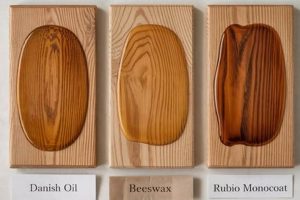
The process of applying a protective or decorative coating to raw lumber significantly enhances its durability and aesthetic appeal. This treatment seals the porous surface, preventing moisture absorption and minimizing the risk of warping, cracking, or staining. For instance, a bare pine tabletop benefits from this treatment through enhanced resistance to spills and scratches.
Proper surface treatment provides longevity and preserves the material’s natural beauty. Historically, treatments like linseed oil and beeswax were used. Modern methods often incorporate synthetic varnishes, lacquers, and urethanes, offering superior protection and a wider range of aesthetic finishes. The investment in this process results in increased value and resistance to environmental stressors.
A discussion of essential preparation techniques, application methods, and appropriate product selection follows. These elements constitute the core components required for successful surface treatments, leading to optimal results and a professionally finished product.
Finishing Unfinished Wood
Achieving a professional-quality finish on raw wood requires careful planning and execution. The following tips provide guidance for a successful project.
Tip 1: Sanding is paramount. Begin with a coarser grit sandpaper (e.g., 120-grit) to remove imperfections and gradually progress to finer grits (e.g., 220-grit, then 320-grit) for a smooth surface. Sand with the grain to prevent scratching.
Tip 2: Thorough Dust Removal is Crucial. After sanding, meticulously remove all dust particles. Use a vacuum cleaner with a brush attachment, followed by a tack cloth. Residual dust compromises the finish’s adhesion and appearance.
Tip 3: Select the Appropriate Finish. Consider the wood’s species, intended use, and desired aesthetic. Options include penetrating oil finishes for highlighting the natural grain, varnishes for durability, lacquers for a smooth, high-gloss surface, and polyurethanes for water resistance.
Tip 4: Apply a Sealer or Conditioner. Prior to staining, apply a wood conditioner, especially to softwoods. This prevents blotchy or uneven stain absorption, resulting in a more consistent color.
Tip 5: Test the Stain Color. Always test the chosen stain on a scrap piece of the same wood to ensure the desired color is achieved. Different wood species absorb stain differently.
Tip 6: Apply Thin, Even Coats. Avoid applying excessive finish in one coat. Multiple thin coats are preferable, allowing each coat to dry thoroughly before applying the next. This minimizes runs, drips, and bubbles.
Tip 7: Lightly Sand Between Coats. After each coat of finish has dried, lightly sand with very fine-grit sandpaper (e.g., 400-grit) to remove any imperfections and provide a smooth surface for the subsequent coat.
Tip 8: Proper Ventilation is Important. Ensure the work area is well-ventilated when applying finishes, as many products release volatile organic compounds (VOCs). Wear a respirator as needed.
By following these guidelines, one can achieve a durable, aesthetically pleasing, and professional-quality result. The careful execution of each step contributes significantly to the overall success of the finishing process.
The next section addresses common problems encountered during the finishing process and offers potential solutions.
1. Preparation

The initial stage of surface preparation significantly influences the final quality and longevity of the finish. This phase involves assessing the raw material and undertaking necessary steps to create a suitable substrate for coating application. A thorough preparation process minimizes potential defects and maximizes adhesion.
- Wood Inspection and Selection
Prior to commencing any surface treatment, a detailed inspection of the wood is essential. One must identify any existing defects such as knots, cracks, or excessive grain irregularities. The choice of wood species directly impacts the type of finish to be used and the level of preparation required. For example, porous woods like pine may require a pre-stain conditioner to ensure even stain absorption, whereas hardwoods like maple may require less initial conditioning.
- Surface Cleaning
The removal of surface contaminants, such as dirt, grease, or adhesive residue, is critical. These contaminants can interfere with the adhesion of the finish, leading to peeling or other defects. Methods include wiping with mineral spirits or using a mild detergent solution, followed by thorough drying. The absence of these steps may result in a compromised finish that fails to adhere properly.
- Repairing Imperfections
Minor imperfections, such as dents or small cracks, should be addressed before applying a finish. Wood filler can be used to fill these defects, creating a smooth, uniform surface. The filler must be compatible with the chosen finish and sanded flush with the surrounding wood. Failure to address these flaws can result in an uneven and visually unappealing finish.
- Strategic Sanding Assessment
The surface texture is assessed to determine the sanding grit sequence. Heavily weathered pieces might need coarser grits (e.g., 80-grit) initially, progressing to finer grits (e.g., 220-grit) for smoothing. Sanding direction, typically with the grain, avoids cross-grain scratches. The depth and frequency of sanding affect the smoothness and finish adhesion. Inconsistent application or improper grit selection can result in visible sanding marks or uneven finish absorption.
These facets of preparation collectively lay the groundwork for a successful treatment. Attention to detail during this phase minimizes future problems and ensures that the chosen finishing product performs as intended, yielding a durable and aesthetically pleasing outcome. Ignoring these steps may yield an unsatisfactory final product.
2. Sanding Sequence
The sanding sequence, a critical aspect of surface preparation, directly influences the quality and appearance when refining raw lumber. A well-executed sanding process creates an optimal surface for finish adhesion and uniform color absorption, ultimately determining the success of the finishing endeavor.
- Grit Progression and Surface Smoothing
The sanding process typically begins with coarser grit sandpaper to remove imperfections such as saw marks, dents, or raised grain. Subsequent sanding with progressively finer grits refines the surface, creating a smooth and even texture. For instance, beginning with 80-grit sandpaper on rough lumber, followed by 120-grit, 180-grit, and finally 220-grit, ensures a gradual refinement. Failure to systematically progress through grit levels can result in visible scratches or an uneven surface texture that detracts from the finished appearance.
- Wood Species and Sanding Adjustment
Different wood species respond differently to sanding. Softer woods, such as pine, require a lighter touch and finer grit sandpaper to avoid excessive material removal or uneven sanding. Harder woods, such as oak or maple, can withstand more aggressive sanding with coarser grits. Adjusting the sanding sequence based on the wood species is crucial for achieving a smooth, even surface without damaging the material. Neglecting this aspect may lead to an uneven finish or accentuate grain inconsistencies.
- Sanding Direction and Scratch Prevention
Sanding should generally proceed in the direction of the wood grain to minimize the risk of cross-grain scratches, which are particularly noticeable after finishing. Maintaining consistent pressure and overlapping sanding strokes also contribute to a uniform surface. Deviation from this practice can introduce visible scratches that compromise the aesthetic appeal of the final product. Consistent attention should be used to avoid creating swirl marks.
- Inter-Coat Sanding and Finish Adhesion
Light sanding between coats of finish is often necessary to remove imperfections such as dust nibs or brush strokes and to improve adhesion for subsequent coats. Fine-grit sandpaper (e.g., 320-grit or 400-grit) is typically used for this purpose, followed by thorough dust removal. This inter-coat sanding ensures a smooth, even finish with enhanced durability. Skipping this step may result in a textured finish with poor adhesion, increasing the risk of chipping or peeling.
In conclusion, the sanding sequence is an integral part of the finishing process. The appropriate selection of grit levels, consideration of wood species, attention to sanding direction, and the inclusion of inter-coat sanding are all crucial for achieving a high-quality, durable, and aesthetically pleasing finished product. Attention to detail during the sanding process is necessary to prepare the raw wood to accept the finish.
3. Dust Removal

Dust removal represents a critical juncture in the process. Residual particulate matter compromises the integrity and appearance of subsequent coatings. Dust, generated primarily during sanding, settles on the prepared surface and interferes with the finish’s ability to bond directly. This interference leads to various defects, including a textured or uneven finish, visible imperfections embedded within the coating, and potential adhesion failures. For instance, if sawdust remains on a wood surface before varnishing, the resulting finish will exhibit a rough texture, necessitating further sanding and recoating to achieve a smooth, professional outcome. Therefore, thorough dust removal is not merely a cosmetic step but a fundamental prerequisite for a successful wood finishing project.
The methodology employed for dust removal varies depending on the scale and specific requirements of the project. Vacuuming with a soft brush attachment effectively removes loose dust particles from the surface. Following vacuuming, wiping with a tack clotha specialized cloth impregnated with a slightly tacky substancecaptures any remaining fine dust. Compressed air can dislodge dust from intricate carvings or hard-to-reach areas. The effectiveness of the dust removal process can be assessed by visually inspecting the surface under bright, oblique lighting, which reveals any lingering particles. Overlooking this meticulous procedure often results in visible blemishes and diminished durability of the applied finish.
In summary, the connection between dust removal and the overall success of a wood finishing endeavor is undeniable. Dust removal represents a necessary action, and its omission directly impacts the finish’s quality and longevity. By rigorously adhering to established dust removal practices, the risk of defects is minimized, and the likelihood of achieving a durable, aesthetically pleasing result is significantly increased. This process is an integral component, ensuring a finished project exhibits the desired qualities and maintains its appearance over time.
4. Finish Selection

The selection of an appropriate finish is a critical determinant in the success of any project involving raw lumber. It directly influences the aesthetic outcome, durability, and protective qualities of the treated wood. The choice of finish constitutes a pivotal step within the broader process, dictating subsequent application techniques and long-term maintenance requirements. For example, selecting a penetrating oil finish for a rustic table will highlight the wood’s natural grain and offer minimal surface protection, whereas choosing a polyurethane finish for a kitchen countertop will provide enhanced water resistance and durability but may obscure the wood’s natural texture.
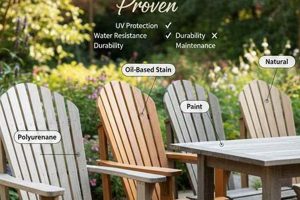
The characteristics of the wood species, the intended use of the item, and the desired level of protection are all factors that must be considered. Softwoods, like pine, may benefit from finishes that provide a hardening effect, while hardwoods can accommodate a wider range of options. Items subjected to heavy use or exposure to moisture, such as flooring or outdoor furniture, necessitate finishes with superior durability and water resistance. Understanding these practical considerations is essential to avoid mismatches between the finish and the application, which can lead to premature wear, aesthetic degradation, or even structural damage. The appropriate finish must also factor in the environmental conditions, because interior application cannot be same as exterior application. For example, exterior finish must have UV protection ability while interior application is unnecessary.
In conclusion, finish selection is not a mere afterthought but rather an integral component of surface treatment. It requires careful evaluation of the wood’s properties, the item’s intended use, and the desired aesthetic outcome. A well-informed decision enhances the wood’s beauty, protects it from environmental damage, and extends its lifespan. The appropriate choice results in a durable, aesthetically pleasing surface, underscoring the practical significance of informed finish selection.
5. Application Technique

The application technique employed when surface treating raw wood directly influences the final appearance, durability, and protective qualities of the resulting finish. The method of applying a finish serves as a critical link between the selected material and the substrate, determining how effectively the finish bonds, levels, and cures. Improper application can lead to a range of defects, including runs, drips, brush strokes, uneven coverage, and trapped air bubbles, which compromise both the aesthetic and functional aspects of the finished piece. For example, applying varnish too thickly with a brush can result in unsightly drips and prolonged drying times, while spraying lacquer in excessively thin coats may lead to a grainy, uneven surface that lacks sufficient protection. Thus, mastering appropriate application techniques represents a vital component in the pursuit of surface treatment excellence.
Various application methods exist, each suited to different types of finishes, wood species, and desired outcomes. Brushing remains a common technique for applying paints, varnishes, and polyurethanes, allowing for precise control and the ability to work the finish into the wood’s grain. Spraying, using either compressed air or airless sprayers, offers a smoother, more even finish with faster drying times, particularly beneficial for lacquers and certain varnishes. Wiping, often used for applying penetrating oils and stains, allows for easy control of color intensity and penetration depth. The specific application technique selected must align with the finish’s properties; for instance, a self-leveling varnish benefits from brush application to encourage even flow, whereas a fast-drying lacquer may require spraying to prevent brush strokes from becoming visible. Careful attention to factors such as ambient temperature, humidity, and the viscosity of the finish is necessary to optimize application technique and prevent defects.
In summary, the application technique serves as a crucial bridge between the selected finish and the raw wood, directly impacting the final outcome. It is therefore essential to understand the characteristics of the chosen finish, the properties of the wood, and the nuances of various application methods. Careful consideration of these factors, combined with proper execution, minimizes defects and enhances the aesthetic and functional qualities of the completed project. Proficiency in application techniques is not merely a skill, but a prerequisite for achieving professional-quality surface treatments that showcase the inherent beauty and durability of wood.
6. Drying Time

The duration required for a finish to cure represents a critical factor in achieving optimal results when coating raw lumber. Drying time directly impacts the hardness, durability, and appearance of the final surface. Premature handling or subsequent coat application before a finish has fully cured can lead to a range of defects, including surface imperfections, compromised adhesion, and reduced resistance to abrasion and moisture. For example, applying a second coat of varnish before the first coat is completely dry can trap solvents, resulting in a soft, cloudy finish that is susceptible to scratching and peeling. Therefore, understanding and adhering to recommended drying times is essential for ensuring a successful surface treatment.
Several variables influence the drying time of wood finishes, including the type of finish, ambient temperature, humidity levels, and the thickness of the applied coat. Oil-based finishes typically require longer drying times compared to water-based or solvent-based finishes. High humidity and low temperatures can significantly extend drying times, while warm, dry conditions accelerate the curing process. Applying multiple thin coats, rather than a single thick coat, promotes faster and more uniform drying. Proper ventilation is also crucial, as it facilitates the evaporation of solvents and accelerates the curing process. Failure to account for these factors can lead to inaccurate estimations of drying time, resulting in premature handling or recoating and subsequent finish defects. The drying time must be observed, or the finish will not adhere to the wood properly.
In conclusion, drying time is not merely a waiting period but an active component. Accurately assessing and managing the time it takes for the applied finish to dry appropriately is essential in surface treatment. Adherence to recommended drying times, combined with careful consideration of environmental factors and application techniques, minimizes the risk of defects and ensures a durable, aesthetically pleasing, and long-lasting surface treatment. Proper drying time ensures optimal adhesion and hardness of the finish.
7. Coat Refinement
Coat refinement constitutes a critical stage in the comprehensive surface treatment process. It directly addresses imperfections arising during the application and drying of coatings, ensuring the final product meets desired aesthetic and functional standards. Proper coat refinement enhances the finish’s smoothness, clarity, and overall durability.
- Leveling Imperfections
This facet focuses on eliminating surface irregularities such as brush strokes, orange peel texture, and dust nibs. Fine-grit sanding, typically using 320-grit to 400-grit sandpaper, is employed to level these imperfections without compromising the underlying finish. For instance, after applying a coat of varnish, light sanding removes any raised particles, creating a smoother substrate for subsequent coats. This process ensures a uniform and visually appealing surface, enhancing the finish’s overall quality.
- Clarity Enhancement
Cloudiness or haziness can occur in finishes, particularly after multiple coats of varnish or lacquer. Polishing compounds and fine abrasives are used to restore clarity by removing microscopic scratches and surface oxidation. Consider a high-gloss lacquer finish: polishing with specialized compounds can eliminate any residual haze, revealing a deep, reflective surface. This clarity enhancement is essential for showcasing the wood’s grain and color, contributing to the project’s aesthetic success.
- Adhesion Optimization
Proper coat refinement also improves the adhesion of subsequent finish layers. Light sanding creates a mechanical key, providing a better grip for the next coat. This is especially important when applying multiple coats of polyurethane or varnish. For example, lightly abrading a cured polyurethane layer before applying another coat ensures a strong bond between the layers, preventing peeling or chipping over time. Improved adhesion contributes directly to the finish’s longevity and resistance to wear.
- Scratch and Blemish Removal
Minor scratches or blemishes can occur during handling or the finishing process. These imperfections can be addressed using spot repairs with matching finish and careful leveling techniques. Imagine a small scratch on a newly finished tabletop: a small amount of finish can be applied to the scratch, allowed to dry, and then carefully sanded flush with the surrounding surface. This targeted approach minimizes the need for extensive refinishing and preserves the integrity of the overall finish.
Coat refinement is an integral component of surface treatment. Addressing these imperfections results in a visually superior and more durable surface. Proper refinement practices contribute significantly to the overall success of the finishing process, creating a lasting and aesthetically pleasing outcome. The techniques and skills required for effective coat refinement are essential elements in surface treatment.
Frequently Asked Questions
The following addresses commonly asked questions pertaining to the preparation, application, and maintenance of finishes on raw lumber. The information aims to clarify the steps and considerations involved in achieving a durable and aesthetically pleasing result.
Question 1: Is sanding always necessary before applying a finish?
Sanding is generally required to create a smooth surface, remove imperfections, and promote finish adhesion. The extent of sanding depends on the wood’s initial condition; however, some level of abrasion is typically beneficial.
Question 2: How does the choice of wood species affect the selection?
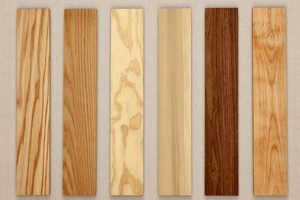
Different wood species possess varying densities, grain patterns, and resin content, influencing the way they absorb and interact with finishes. Consideration of these factors is critical when selecting the product.
Question 3: What is the purpose of a wood conditioner or sealer?
Wood conditioners or sealers help to equalize absorption, preventing blotchy or uneven stain penetration, particularly in softwoods. These products promote a more uniform color across the wood surface.
Question 4: How many coats of finish are typically required?
The number of coats depends on the desired level of protection, the type of finish, and the intended use of the item. Multiple thin coats are generally preferable to a single thick coat for enhanced durability and appearance.
Question 5: What is the ideal environment for applying wood finishes?
A well-ventilated area with moderate temperature and low humidity is optimal. These conditions promote proper drying and curing, minimizing the risk of defects such as runs, drips, or bubbles.
Question 6: How can one minimize brush strokes when applying a finish?
Using a high-quality brush, applying thin coats, and maintaining a wet edge can help minimize brush strokes. Light sanding between coats further reduces their visibility, resulting in a smoother final surface.
Understanding the nuances addresses the fundamental aspects necessary for a successful surface finishing project. These FAQs provide a foundation for informed decision-making and effective execution.
The subsequent section outlines troubleshooting strategies for common problems encountered during the finishing process.
Conclusion
The preceding sections have detailed the core procedures inherent in preparing and protecting raw lumber. From careful surface preparation and strategic finish selection to meticulous application techniques and proper drying protocols, each phase contributes significantly to the ultimate outcome. Successfully implementing “how to finish unfinished wood” requires a synthesis of knowledge, skill, and diligence, yielding a durable and aesthetically pleasing surface.
Mastering the process of “how to finish unfinished wood” ensures the longevity and beauty of wooden objects. By diligently applying the principles outlined, individuals can transform raw materials into enduring, valuable pieces. Continued refinement of these techniques will preserve the legacy of craftsmanship for future generations.