Achieving a desirable coating on a surface necessitates meticulous preparation and application techniques. This involves steps such as surface cleaning, priming, and the careful layering of coating material to produce an aesthetically pleasing and durable result. As an example, a cabinet door displaying a smooth, even, and defect-free surface is indicative of this procedure being executed correctly.
Superior surface coatings enhance the appearance and longevity of various objects and structures. The result safeguards underlying materials from environmental degradation, increasing their lifespan and reducing maintenance costs. Historically, perfecting coating application has been a pursuit across various cultures and industries, evolving from rudimentary techniques to sophisticated methods utilizing advanced materials and tools.
The following sections will detail essential aspects of surface preparation, material selection, application methodologies, and post-application refinement, all critical for producing professional-grade results.
Key Strategies for Achieving a Superior Coating
The following recommendations outline critical actions necessary for maximizing the quality of applied coatings, resulting in durable and visually appealing surfaces.
Tip 1: Surface Preparation is Paramount: Thoroughly clean the substrate to remove all contaminants, including dust, grease, and loose particles. Failure to do so compromises coating adhesion and appearance. For example, sanding glossy surfaces before applying primer improves mechanical bonding.
Tip 2: Employ Appropriate Primers: Select a primer compatible with both the substrate and the finish coating. Primers enhance adhesion, seal porous surfaces, and block stains, ultimately improving coating durability and uniformity. Consider using a stain-blocking primer on wood to prevent tannin bleed-through.
Tip 3: Utilize Quality Coating Materials: Invest in coatings formulated for the intended application and environment. Inferior coatings often exhibit poor coverage, durability, and color retention. Opt for a high-quality exterior coating for outdoor projects to withstand weathering.
Tip 4: Apply Thin, Even Coats: Multiple thin coats are preferable to a single thick coat, which is prone to runs, sags, and uneven drying. Allow each coat to dry completely before applying the next. For example, using two thin coats of paint on a wall provides better coverage and a smoother finish than one thick coat.
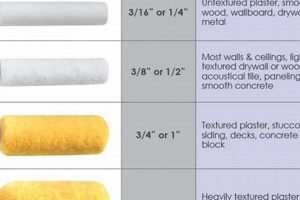
Tip 5: Use Appropriate Application Tools: Select brushes, rollers, or spray equipment designed for the specific coating being applied. Improper tools can lead to uneven application and surface defects. A high-density foam roller is ideal for achieving a smooth finish with latex coatings on walls.
Tip 6: Maintain a Wet Edge: When applying coatings to large surfaces, maintain a wet edge to prevent lap marks. This involves overlapping each stroke slightly with the previous one while the coating is still wet. Work in manageable sections to maintain a consistent application.
Tip 7: Sand Between Coats (If Necessary): Lightly sand between coats of coating with fine-grit sandpaper to remove imperfections and improve adhesion of subsequent coats. This step is particularly important for achieving a flawless finish on furniture.
These strategies, when implemented diligently, contribute significantly to the successful execution of coating projects, resulting in durable, aesthetically pleasing, and professionally finished surfaces. Prioritizing preparation and technique leads to superior outcomes and long-term satisfaction.
The subsequent sections will explore specific coating types and their optimal application techniques in greater detail.
1. Surface preparation

The quality of a finished coating is inextricably linked to the preparation of the underlying surface. Inadequate surface preparation directly compromises adhesion, uniformity, and longevity, thereby precluding a superior outcome. Contaminants such as dirt, grease, rust, or loose coatings act as barriers, preventing the new coating from bonding properly with the substrate. This inevitably leads to peeling, blistering, or premature failure of the finish. For example, applying a coating to an unprepared metal surface exhibiting rust will result in rapid deterioration and detachment of the coating as the rust continues to corrode the metal underneath.
Proper surface preparation entails a series of steps tailored to the specific material and its condition. These steps typically include cleaning to remove surface contaminants, abrading to create a mechanical key for adhesion, and repairing imperfections to ensure a smooth, even base. Wood surfaces, for instance, may require sanding to remove old finishes and create a smooth profile, followed by filling any holes or cracks with wood filler. Metal surfaces may require rust removal via wire brushing or chemical treatment, followed by priming with a corrosion-resistant primer. The selection of appropriate preparation methods directly influences the performance and aesthetic appeal of the final result. A failure to adequately prepare a surface, regardless of the coating’s quality, will invariably lead to compromised outcomes.
In summary, surface preparation is not merely a preliminary step but an integral component of the entire coating process. Its thorough execution is essential for ensuring proper adhesion, uniform coverage, and long-term durability. Investing time and effort in proper surface preparation is a prerequisite for achieving a high-quality coating and realizing its intended benefits. The direct consequence of neglecting this phase is a compromised finish, prone to premature failure and diminished aesthetic value. Therefore, recognizing and prioritizing effective surface preparation techniques is paramount.
2. Proper Priming

The successful application of a surface coating relies significantly on the proper execution of priming. This stage, often underestimated, directly influences the adhesion, uniformity, and longevity of the finish layer. Priming serves as an intermediary layer between the substrate and the coating, creating a stable and receptive base for the subsequent application. Its absence or improper application results in compromised coating performance, negating efforts to achieve a high-quality, lasting surface treatment. For example, coating bare wood without priming leads to uneven absorption of the topcoat, causing variations in color and sheen. The woods natural tannins may also bleed through the finish, discoloring it and requiring additional corrective measures.
The selection of an appropriate primer is contingent upon the substrate and the intended finish. Primers formulated for specific materials, such as metal, wood, or drywall, offer specialized properties to enhance adhesion and block potential staining. A metal primer, for instance, contains corrosion inhibitors that protect the underlying surface from rust and degradation. Similarly, stain-blocking primers prevent discoloration from previous stains or inherent material properties, ensuring a uniform and unblemished finish. The practical significance of understanding the connection between proper priming and the quality of surface coating lies in the minimization of costly rework and the maximization of the coated surface’s lifespan. A well-primed surface provides a smooth, uniform, and receptive base, allowing the finish to adhere effectively and exhibit its intended characteristics.
In conclusion, priming is not a mere procedural step but a critical component in obtaining a superior coated surface. The meticulous selection and application of the appropriate primer contributes directly to the adhesion, uniformity, and longevity of the coating. Neglecting this crucial step compromises the overall quality of the finish, leading to aesthetic imperfections and premature degradation. Therefore, a comprehensive understanding of priming’s role and its skillful execution are paramount for achieving a lasting and aesthetically pleasing result. The challenges in achieving a superior finish often stem from overlooking the fundamental role of priming, highlighting its importance within the broader coating process.
3. Coating Selection

The selection of an appropriate coating material is fundamental to achieving a desirable and durable surface treatment. The chosen coating directly influences the final appearance, resistance to environmental factors, and overall lifespan of the finished product.
- Environmental Suitability
The environment in which the coated object will reside dictates the necessary properties of the coating. Exterior applications necessitate coatings with UV resistance, weatherability, and resistance to temperature fluctuations. Interior applications may prioritize abrasion resistance, ease of cleaning, or low VOC emissions. For instance, selecting a marine-grade epoxy coating for a boat hull ensures resistance to saltwater corrosion, while a latex-based paint with low VOCs is suitable for interior walls, promoting air quality.
- Substrate Compatibility
The coating must be chemically and physically compatible with the underlying substrate. Applying an incompatible coating can lead to adhesion failure, blistering, or other defects. Coating adhesion varies based on surface characteristics and chemical bonds. An oil-based coating applied to a non-primed, porous wood surface may absorb unevenly, causing discoloration and inconsistent sheen. Conversely, a water-based coating on a glossy metal surface might fail to adhere without proper surface preparation and a suitable primer.
- Performance Characteristics
Different coatings offer varying levels of performance in terms of durability, flexibility, and resistance to specific chemicals or abrasives. A high-traffic floor requires a coating with superior abrasion resistance, whereas a flexible substrate might benefit from a more elastic coating that can withstand bending and deformation without cracking. A two-part epoxy coating, for instance, provides exceptional chemical resistance, making it suitable for laboratory benchtops, while a polyurethane coating offers excellent abrasion resistance for hardwood floors.
- Desired Aesthetic
The coating selection also depends on achieving the desired visual appearance of the surface, including color, sheen, and texture. Coatings are available in a wide spectrum of colors and finishes, ranging from matte to high gloss. Specialized coatings can provide textured surfaces or mimic the appearance of other materials, such as metal or stone. The selection is influenced by design considerations, such as whether to match existing colors, harmonize with adjacent elements, or create a specific aesthetic effect. For example, using a specific shade of blue on a home’s exterior can provide a calming effect to its street presence. The ultimate colour palette can be adjusted based on environmental needs.
In conclusion, appropriate coating selection is an indispensable factor in realizing a high-quality surface treatment. Considering environmental suitability, substrate compatibility, required performance characteristics, and desired aesthetic properties ensures a coating that not only enhances the appearance but also provides durable protection. A poorly chosen coating, irrespective of meticulous preparation and application, will inevitably lead to unsatisfactory results and a reduced lifespan of the coated object. By contrast, thoughtful consideration of these aspects facilitates optimal coating performance and a long-lasting, visually appealing outcome.
4. Application Technique

The method of coating application directly governs the uniformity, smoothness, and overall quality of the resultant finish. Deficiencies in application technique invariably manifest as visible imperfections, compromising the protective and aesthetic functions of the coating. For example, employing an incorrect spray gun technique can result in an uneven coating thickness, leading to runs, sags, or dry spray, all of which detract from the visual appeal and potentially weaken the coating’s protective barrier. Similarly, using an improper brushstroke pattern can leave visible brush marks, especially with coatings that dry quickly, demonstrating the critical role of application expertise.
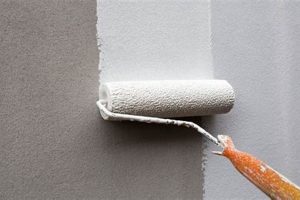
Selection of the appropriate application method is dependent upon the coating material, the size and shape of the object being coated, and the desired surface texture. Spray application, when executed correctly, provides a uniform and smooth finish, particularly advantageous for large, complex surfaces. Brush application, while slower, allows for greater control and is often preferred for intricate details or smaller areas. Roller application is suitable for large, flat surfaces, offering a balance between speed and uniformity. Each method necessitates specific techniques to minimize defects and maximize coating performance. Proper spray gun setup, consistent brush pressure, and controlled roller speed are essential for achieving optimal results. A painter applying consistent, overlapping strokes with a quality brush to a cabinet door is more likely to achieve a smooth, even finish, free from brush marks, than someone using haphazard strokes and a cheap brush.
In summary, skillful application technique is an indispensable component in achieving a high-quality coated surface. The technique’s influence on uniformity, smoothness, and overall aesthetic appeal is profound. Improper methods lead to defects that detract from the coating’s visual appeal and protective capabilities. Recognizing the significance of technique and mastering appropriate application methods are paramount for any professional or aspiring craftsman aiming for superior finishes. The challenge of obtaining a flaw-free result is frequently mitigated by diligent practice and a thorough understanding of the interplay between coating materials, application equipment, and proper methodology.
5. Layer thickness

Coating thickness is a critical determinant of both the protective capabilities and aesthetic qualities of a finished surface. The application of coatings in layers of appropriate thickness directly affects durability, opacity, and the prevention of common defects. Insufficient coating thickness compromises the coating’s barrier properties, rendering the substrate vulnerable to environmental factors such as moisture, UV radiation, and chemical exposure. Conversely, excessive coating thickness can lead to sagging, runs, or cracking, diminishing both the visual appeal and structural integrity of the coating. For example, an automotive clear coat applied too thinly will fail to provide adequate UV protection, resulting in premature fading and oxidation of the underlying paint. Conversely, an excessively thick layer of the same clear coat can lead to solvent entrapment, resulting in a cloudy or uneven finish.
Achieving the specified coating thickness requires careful calibration of application equipment, control of application speed, and consideration of environmental factors such as temperature and humidity. Wet film thickness gauges are frequently employed during application to verify that the coating is being applied within the recommended range. Multiple thin coats are generally preferable to a single thick coat, as they allow for more uniform drying and minimize the risk of defects. The type of coating material also influences the ideal layer thickness. High-solids coatings, for instance, typically require thinner layers than conventional coatings to prevent sagging and ensure proper curing. Industrial coatings, such as epoxy or polyurethane, may necessitate precise layer thickness to meet specific performance requirements outlined in engineering specifications.
In summary, careful management of coating thickness is essential for realizing the full potential of any coating system. It contributes directly to the longevity, protective function, and aesthetic quality of the finished surface. Failure to adhere to recommended thickness guidelines, whether through inadequate or excessive application, will invariably compromise the outcome. Prioritizing accurate thickness control and implementing appropriate monitoring techniques are critical for achieving a high-quality coating and maximizing its intended benefits. This understanding is essential for both skilled professionals and homeowners alike for any project requiring coating material, such as metal, wood, and even drywall.
6. Curing process

The curing process represents a critical phase in the lifecycle of any coating system, fundamentally determining its long-term performance and aesthetic characteristics. Proper curing is not merely the drying of a coating but a chemical transformation that solidifies and strengthens the material, enabling it to withstand environmental stressors and physical demands. The degree to which a coating is properly cured dictates its resistance to scratching, chipping, chemical exposure, and UV degradation. Therefore, an understanding of curing mechanisms and proper execution of curing procedures are indispensable for achieving a high-quality, durable finish.
- Temperature and Humidity Control
The curing rate of many coatings is directly influenced by temperature and humidity. Deviations from recommended curing conditions can result in incomplete cross-linking, leading to a soft, weak coating that is prone to damage. For example, epoxy coatings typically require specific temperature ranges for optimal curing; low temperatures can significantly slow the process, while excessive humidity can interfere with the chemical reactions, resulting in a compromised finish. The implications for obtaining a superior finish are significant, as improperly cured coatings may exhibit poor adhesion, reduced gloss retention, and diminished resistance to environmental stressors.
- Curing Time Adherence
Each coating formulation possesses a specific curing time, during which the material undergoes its transformation from a liquid to a solid state. Premature exposure to stress or contaminants before the coating has fully cured can disrupt this process, leading to surface imperfections, reduced durability, and compromised adhesion. For instance, handling freshly coated furniture before the recommended curing time has elapsed can result in fingerprints, smudges, or other surface damage. Adhering to recommended curing times, typically specified by the manufacturer, is therefore essential for achieving a durable, flawless finish. The adherence to curing recommendations can result in a harder exterior that ensures longevity for coating usage.
- Catalyst Ratios and Mixing
Many high-performance coatings, such as epoxies and polyurethanes, require the precise mixing of a resin and a catalyst. Incorrect catalyst ratios or inadequate mixing can disrupt the curing process, leading to a coating with diminished strength, poor chemical resistance, or an uneven finish. For example, insufficient catalyst in an epoxy coating can result in a sticky, uncured surface that remains permanently tacky. Rigorous adherence to manufacturer’s instructions regarding catalyst ratios and mixing procedures is therefore crucial for realizing the full performance potential of these coatings. Improper mixing can lead to material waste and require additional correction measures.
- Ventilation and Solvent Evaporation
Proper ventilation during the curing process is essential for facilitating the evaporation of solvents and volatile organic compounds (VOCs) from the coating. Inadequate ventilation can trap these solvents within the coating film, leading to blistering, bubbling, or a soft, weak finish. For instance, coating a small, enclosed space without adequate ventilation can result in a prolonged curing time and an inferior finish due to solvent entrapment. Ensuring proper airflow during the curing process promotes complete solvent evaporation and contributes to a harder, more durable finish. Proper ventilation also ensures safety by preventing the build-up of potentially harmful fumes.
In summary, the curing process is a non-negotiable aspect of obtaining a high-quality surface coating. Attention to temperature and humidity, strict adherence to curing times, precise catalyst mixing, and proper ventilation are all vital for ensuring that the coating achieves its full performance potential. Neglecting any of these factors compromises the coating’s durability, appearance, and protective capabilities. Mastering the nuances of the curing process is therefore paramount for any professional or homeowner seeking to achieve a long-lasting, aesthetically pleasing finish, reinforcing that a high-quality appearance is dependent on what happens after the coating is applied, not just during the application itself.
Frequently Asked Questions
This section addresses common inquiries regarding the attainment of high-quality surfaces. The responses aim to provide clear, concise, and technically accurate information relevant to achieving professional-grade results.
Question 1: What constitutes adequate surface preparation prior to coating application?
Adequate surface preparation entails the removal of all contaminants, including dirt, grease, rust, loose coatings, and any other materials that may impede adhesion. This often involves cleaning with appropriate solvents, mechanical abrasion, and, in some cases, chemical treatment. The specific preparation method is contingent upon the substrate material and its existing condition.
Question 2: How does primer selection impact the final coating outcome?
Primer selection is crucial for promoting adhesion, sealing porous surfaces, and preventing the migration of stains or chemicals from the substrate into the coating. The primer must be compatible with both the substrate and the intended coating material to ensure proper bonding and prevent premature failure.
Question 3: What factors should be considered when selecting a coating material?
Factors to consider when selecting a coating material include environmental exposure conditions, substrate compatibility, required performance characteristics (e.g., abrasion resistance, chemical resistance, UV resistance), and desired aesthetic properties (e.g., color, sheen, texture). Choosing a coating specifically formulated for the intended application is essential for optimal performance.
Question 4: What are the key techniques for achieving a uniform and smooth coating application?
Key techniques include applying thin, even coats; maintaining a wet edge to prevent lap marks; using appropriate application tools (e.g., brushes, rollers, spray equipment); and controlling environmental conditions such as temperature and humidity. Proper technique minimizes defects and maximizes coating performance.
Question 5: How does coating thickness affect the final result?
Coating thickness directly impacts the protective capabilities and aesthetic properties of the finish. Insufficient thickness compromises barrier properties, while excessive thickness can lead to sagging, runs, or cracking. Adhering to manufacturer-recommended thickness guidelines is crucial for optimal performance.
Question 6: What is the importance of proper curing after coating application?
Proper curing is essential for allowing the coating material to fully solidify and achieve its intended performance characteristics. Factors influencing curing include temperature, humidity, ventilation, and the correct mixing of multi-component coatings. Insufficient curing can lead to a soft, weak, and easily damaged finish.
In summary, achieving a superior coated surface requires careful attention to surface preparation, primer selection, coating selection, application technique, layer thickness, and the curing process. Each of these elements plays a critical role in determining the final outcome.
The next section will delve into advanced coating techniques and troubleshooting common application issues.
Achieving Superior Coatings
This exploration has addressed the multifaceted requirements to get a good paint finish. The discussion encompassed critical aspects from surface preparation and primer application to coating selection, application techniques, thickness control, and the curing process. Each stage exerts a significant influence on the final outcome, underscoring the necessity for a comprehensive understanding of coating principles.
Mastery in achieving high-caliber coatings requires a commitment to rigorous methodology and precise execution. By adhering to established guidelines and continuously refining techniques, professionals and enthusiasts alike can realize surfaces characterized by both exceptional durability and aesthetic appeal. The pursuit of coating excellence remains an ongoing endeavor, driven by innovation and a dedication to superior craftsmanship.