Achieving a flawlessly smooth painted surface is the process of minimizing imperfections and irregularities in the applied paint layer. This involves careful preparation, precise application techniques, and often, post-application refinement. An example is a meticulously painted automobile panel, reflecting light evenly and lacking any visible brush strokes or orange peel texture.
The pursuit of a smooth finish significantly enhances the aesthetic appeal and perceived value of painted objects. It provides a more professional and durable result, increasing resistance to wear, tear, and environmental factors. Historically, craftspeople have dedicated considerable effort to perfecting painting techniques to achieve this level of finish, often employing specialized tools and materials.
Subsequent sections will detail crucial steps for realizing a smooth paint layer. These include surface preparation, paint selection, application methods, and techniques for addressing imperfections. Each aspect plays a vital role in attaining the desired outcome.
Achieving an Impeccable Paint Layer
The following recommendations outline crucial steps for attaining a smooth and flawless paint finish on a variety of surfaces.
Tip 1: Surface Preparation is Paramount: Thoroughly clean the substrate to remove dirt, grease, and any loose particles. Sanding the surface is often necessary to create a uniform texture and ensure proper adhesion. For example, on wood, use progressively finer grits of sandpaper until the surface is uniformly smooth.
Tip 2: Select High-Quality Paint: Opt for paints specifically formulated for smooth application and leveling properties. Higher quality paints generally contain finer pigments and binders, resulting in a more uniform and durable finish. Oil-based paints traditionally offer superior leveling, but modern acrylic formulations can achieve comparable results.
Tip 3: Prime the Surface: Apply a primer coat that is compatible with both the substrate and the topcoat. Primer seals the surface, promotes adhesion, and provides a uniform base for the paint. Select a self-leveling primer for optimal smoothness.
Tip 4: Use Appropriate Application Tools: Choose brushes, rollers, or spray equipment designed for the specific paint type. High-density foam rollers or fine-bristle brushes minimize texture and streaking. A properly calibrated spray gun provides the most consistent and even application.
Tip 5: Apply Thin, Even Coats: Avoid applying thick coats of paint, which can lead to runs, drips, and uneven drying. Instead, apply multiple thin coats, allowing each coat to dry completely before applying the next. This allows the paint to level properly and minimizes imperfections.
Tip 6: Sand Between Coats (Optional): For an exceptionally smooth finish, lightly sand between coats with very fine-grit sandpaper (e.g., 400-grit or higher). This removes any imperfections or dust particles that may have settled on the surface.
Tip 7: Maintain Consistent Technique: Regardless of the application method, strive for consistent strokes or spray patterns to ensure uniform coverage and avoid variations in texture.
Tip 8: Control Environmental Conditions: Avoid painting in extremely humid or hot conditions, as these can affect the drying time and leveling properties of the paint. Ideal conditions are typically moderate temperatures and low humidity.
Adhering to these guidelines will significantly increase the likelihood of achieving a smooth and professional-looking painted surface. The resulting finish will not only be aesthetically pleasing but also more durable and resistant to wear.
The subsequent sections will delve into specific techniques for troubleshooting common painting issues and achieving optimal results in various applications.
1. Surface preparation

Attaining a smooth paint finish is fundamentally dependent on meticulous surface preparation. The presence of any imperfections on the substrate, such as dust, debris, grease, or pre-existing irregularities, will inevitably manifest in the final paint layer. The paint film, regardless of its inherent quality or application technique, will conform to the underlying surface texture, effectively amplifying rather than concealing these flaws. For example, painting over unsanded wood grain will result in a finish that reflects the wood’s texture, rather than presenting a uniformly smooth plane. Consequently, surface preparation is not merely a preliminary step; it is an integral component of achieving the desired result.
The practical implications of inadequate surface preparation extend beyond aesthetics. Improperly prepared surfaces can compromise paint adhesion, leading to premature chipping, peeling, or blistering. Consider the case of painting over a rusted metal surface without proper rust removal and priming; the paint film will likely fail within a short period, necessitating costly repairs. Conversely, thorough cleaning, sanding, and priming create a stable and uniform base for the paint, ensuring optimal adhesion and longevity. The specific preparation methods will vary depending on the substrate material and the type of paint being used, but the underlying principle remains consistent: a sound foundation is essential for a successful finish.
In summary, surface preparation is not merely a prerequisite but an intrinsic element of the entire painting process. Overlooking or underestimating its importance inevitably leads to compromised results. Effective surface preparation, including thorough cleaning, sanding, and priming, is crucial for achieving a durable, aesthetically pleasing, and uniformly smooth paint finish. Addressing this step correctly can minimize rework, reduce material costs, and extend the lifespan of the painted surface.
2. Paint Quality

The selection of paint significantly influences the ability to achieve a smooth and flawless finish. Higher-quality paints possess inherent characteristics that contribute directly to the final appearance and durability of the painted surface. These characteristics impact the paint’s leveling properties, pigment dispersion, and overall application behavior.
- Pigment Fineness and Distribution
High-quality paints utilize finer pigments that are more evenly dispersed throughout the binder. This results in a smoother film with reduced texture and a more uniform color. Conversely, paints with coarse or poorly dispersed pigments can exhibit a gritty texture and uneven coverage, hindering the achievement of a smooth finish. An example is the difference between automotive-grade paint, which uses extremely fine pigments for a mirror-like finish, and lower-grade paints that may show noticeable pigment clumping.
- Leveling Properties and Rheology
Leveling refers to the paint’s ability to flow and self-correct after application, eliminating brush strokes or roller marks. Higher-quality paints are formulated with rheological properties that promote excellent leveling, resulting in a smoother, more uniform surface. Paints with poor leveling properties tend to retain application marks, requiring additional sanding and refinement to achieve the desired smoothness. For instance, self-leveling acrylic enamels are designed to minimize brush strokes and produce a finish comparable to spraying.
- Binder Composition and Film Formation
The type and quality of the binder, which is the adhesive component of the paint, influence the film’s flexibility, durability, and smoothness. High-quality binders create a more cohesive and flexible film that is less prone to cracking or chipping, and they contribute to the paint’s ability to level effectively. In contrast, paints with inferior binders may form a brittle film that is susceptible to imperfections and lacks the necessary flow characteristics for a smooth application. Oil-based paints, known for their durable and smooth finishes, historically relied on high-quality oil-based binders.
- Solids Content and Coverage
Paints with a higher solids content generally provide better coverage and require fewer coats to achieve the desired opacity and smoothness. This reduces the risk of layering imperfections and contributes to a more uniform film thickness. Conversely, paints with low solids content may require multiple coats to achieve adequate coverage, increasing the potential for runs, drips, and uneven drying, ultimately compromising the smoothness of the finish. Professional-grade paints often boast higher solids content, translating to fewer coats and a superior final appearance.
In conclusion, paint quality is a critical determinant in the pursuit of a smooth and professional finish. The selection of paint with optimal pigment dispersion, leveling properties, binder composition, and solids content directly impacts the ease of application, the appearance of the final surface, and the longevity of the paint job. Investing in higher-quality paints can significantly reduce the effort required to achieve a smooth finish and improve the overall result.
3. Application technique

Application technique is a critical determinant in achieving a smooth paint finish. The manner in which paint is applied directly influences the uniformity of the coating, the presence of imperfections, and the overall visual quality of the surface. Incorrect techniques introduce irregularities that compromise the smoothness, regardless of the quality of the paint or the preparation of the substrate. For instance, an inexperienced painter using a brush may leave visible brushstrokes, while an improperly adjusted spray gun can create an “orange peel” texture. These application-related imperfections directly counteract the pursuit of a smooth finish.
Specific techniques contribute to, or detract from, a smooth finish. Thin, even coats are preferable to thick, uneven ones. Thick coats are prone to runs, drips, and sagging, disrupting the uniformity of the surface. The overlap of each brushstroke or spray pass is another crucial factor. Insufficient overlap leads to uneven coverage and visible transitions, while excessive overlap can result in a build-up of paint and potential imperfections. The angle and speed of application are also significant. Applying paint at an incorrect angle can create shadows and uneven distribution, while inconsistent speed can lead to variations in film thickness. Skilled painters develop a consistent and controlled application technique through practice and experience, minimizing these potential sources of imperfections. In automotive painting, for example, meticulous application using a spray gun in a controlled environment is essential to achieve the desired mirror-like finish.
In summary, application technique is not merely a procedural step; it is a fundamental component in achieving a smooth paint finish. Correct techniques, including thin coats, proper overlap, consistent angle and speed, minimize imperfections and contribute to a uniform and visually appealing surface. Recognizing the importance of application technique and developing the necessary skills are crucial for anyone seeking to achieve professional-quality results. Ignoring this aspect often results in wasted materials, increased labor, and a final product that fails to meet expectations.
4. Environmental control
Environmental control exerts a significant influence on the outcome of any painting project aiming for a smooth finish. Ambient conditions, primarily temperature and humidity, directly affect the viscosity of the paint, its drying rate, and its ability to level effectively. Unfavorable environmental conditions can introduce imperfections that are difficult, if not impossible, to rectify post-application. For instance, high humidity can slow down the evaporation of solvents in the paint, leading to runs, sags, and a prolonged drying time, ultimately resulting in a compromised surface. Conversely, excessively high temperatures can cause the paint to dry too quickly, preventing it from leveling properly and potentially leading to brush strokes or orange peel texture. Therefore, maintaining optimal environmental conditions is essential for facilitating the smooth and uniform flow of the paint film.
The practical implications of environmental control are evident in various painting applications. Automotive refinishing, for example, often takes place in climate-controlled spray booths where temperature and humidity are carefully regulated to ensure consistent paint performance and a flawless finish. Failure to control these variables can lead to paint defects that necessitate costly rework. Similarly, in furniture finishing, maintaining a stable environment minimizes the risk of imperfections and promotes the development of a smooth and durable coating. The specific optimal conditions vary depending on the type of paint being used; however, generally, moderate temperatures and low to moderate humidity levels are preferred. Manufacturers typically provide guidelines regarding the recommended temperature and humidity ranges for their products.
In summary, environmental control is an indispensable element in achieving a smooth paint finish. By managing temperature and humidity, it is possible to optimize the paint’s flow, leveling, and drying characteristics, minimizing the risk of imperfections. Understanding the influence of environmental factors on paint performance and implementing appropriate control measures are crucial steps for achieving professional-quality results. The practical significance of this understanding is reflected in numerous industries where a flawless finish is paramount.
5. Sanding
Sanding is a critical mechanical process integral to achieving a smooth paint finish. It involves abrading the surface to remove imperfections, create a uniform texture, and enhance paint adhesion. Sanding directly addresses surface irregularities that would otherwise be visible in the final painted layer. The effectiveness of sanding determines the extent to which a smooth and flawless finish can be realized.
- Removal of Imperfections
Sanding eliminates surface defects such as scratches, dents, or raised grain that compromise the smoothness of the substrate. The process levels the surface, removing inconsistencies that would be amplified by the paint film. For instance, sanding down a patched drywall repair ensures that the repair is flush with the surrounding surface, preventing a visible ridge in the painted finish. In automotive bodywork, extensive sanding is necessary to remove welding imperfections and create a perfectly smooth surface before painting.
- Creation of a Uniform Texture
Sanding creates a consistent surface texture that promotes uniform paint adhesion and reduces the likelihood of variations in sheen or color. This is particularly important when painting over dissimilar materials or surfaces with varying levels of porosity. For example, sanding a previously painted surface before applying a fresh coat ensures that the new paint adheres evenly and does not exhibit differences in appearance due to variations in the underlying finish.
- Enhancement of Paint Adhesion
Sanding roughens the surface, creating a mechanical key that allows the paint to adhere more effectively. This is especially crucial for glossy or non-porous surfaces where paint adhesion may be inherently poor. Sanding introduces microscopic grooves that increase the surface area available for bonding, improving the paint’s ability to resist chipping, peeling, or blistering. Primers often rely on the surface roughness created by sanding to establish a strong bond with the substrate.
- Leveling of Previous Coats
Sanding between coats of paint removes imperfections that may have accumulated during the application process, such as dust particles or brush strokes. This process creates a smoother base for subsequent coats, reducing the overall texture of the final finish. Fine-grit sandpaper is typically used for inter-coat sanding to avoid scratching the underlying paint film. In high-gloss finishes, meticulous inter-coat sanding is essential for achieving a perfectly smooth and reflective surface.
The connection between sanding and achieving a smooth paint finish is undeniable. Sanding is not merely a preparatory step but an integral part of the painting process, directly influencing the final appearance and durability of the painted surface. The effective application of sanding techniques, utilizing appropriate abrasive grits and methods, is paramount for realizing a professional-quality, smooth paint finish. Neglecting or inadequately performing sanding will inevitably result in a compromised outcome, irrespective of the quality of the paint or the skill of the applicator.
6. Equipment selection
The choice of equipment directly influences the feasibility of achieving a smooth paint finish. The tools employed determine the uniformity of application, the control over paint atomization, and the potential for introducing imperfections. Inadequate equipment selection invariably compromises the final result, regardless of other contributing factors.
- Spray Gun Type and Nozzle Size
The type of spray gun, whether HVLP (High Volume Low Pressure), LVLP (Low Volume Low Pressure), or airless, significantly impacts paint atomization and transfer efficiency. Smaller nozzle sizes are generally preferred for achieving finer atomization, which translates to a smoother finish. Incorrect nozzle selection can lead to uneven paint distribution and the “orange peel” effect. Automotive painting, for example, typically relies on HVLP guns with specific nozzle configurations to produce a flawless surface. The selection also involves the matching of nozzle with the viscosity of the paint used to ensure a smooth spray without drips or uneven texture.
- Brush Quality and Filament Type
For brush applications, the quality and type of brush filaments directly affect the smoothness of the paint layer. High-quality brushes with fine, synthetic filaments minimize brush strokes and promote even paint distribution. Natural bristle brushes may be more suitable for oil-based paints, while synthetic brushes are generally preferred for water-based paints. Low-quality brushes can shed bristles and leave visible marks, hindering the achievement of a smooth finish. Fine art painting, where smooth blending and even coverage are essential, demands brushes crafted from high-quality sable or synthetic filaments.
- Roller Cover Material and Nap Length
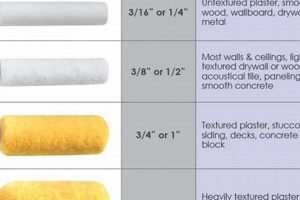
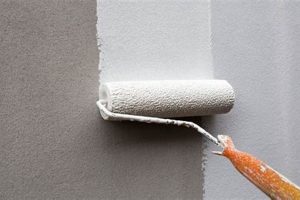
When using rollers, the cover material and nap length impact the texture of the painted surface. Smooth, lint-free roller covers with short nap lengths are best suited for achieving a smooth finish. Longer nap lengths are typically used for textured surfaces or when applying thicker coatings. Foam rollers can also provide a very smooth finish, but they may not be suitable for all types of paint. A common mistake is using a high-nap roller on a smooth wall, leading to a stippled texture instead of a flat finish.
- Paint Filtration Systems
The incorporation of paint filtration systems, whether in-line filters for spray guns or paint strainers for brush and roller applications, mitigates the introduction of particulate matter into the applied paint film. These systems remove impurities that can cause surface defects and compromise the smoothness of the finish. Failure to adequately filter paint can result in a gritty texture and visible imperfections. Many professional painting environments incorporate multi-stage filtration systems to ensure a pristine paint supply.
The interplay between equipment selection and technique significantly impacts the final outcome. Choosing the right tools and mastering their use is crucial for achieving a smooth and professional-looking paint finish. Disregarding the influence of equipment on the final result often leads to increased labor, wasted materials, and a compromised aesthetic outcome. The selection of tools should align to the nature of the work done, paint properties and environmental factors.
Frequently Asked Questions
This section addresses common inquiries regarding the techniques and considerations necessary to obtain a flawlessly smooth paint finish. The following questions and answers provide guidance based on established best practices and industry standards.
Question 1: Is sanding truly necessary for achieving a smooth paint finish, even on new surfaces?
Yes, sanding is typically necessary, even on new surfaces. While new surfaces may appear smooth, they often possess minor imperfections or mill scale that can affect paint adhesion and the final finish. Light sanding provides a mechanical key for the paint and ensures a uniform surface texture.
Question 2: How important is the choice of paint sheen in achieving a smooth appearance?
The choice of paint sheen significantly impacts the perceived smoothness of a surface. Higher-gloss sheens tend to highlight imperfections, while matte or eggshell sheens can help to conceal them. However, higher-gloss sheens are generally more durable and easier to clean, so the optimal choice depends on the specific application and desired balance between aesthetics and functionality.
Question 3: Can a smooth paint finish be achieved with a brush, or is spraying always required?
A smooth paint finish can be achieved with a brush, although it typically requires more skill and effort than spraying. High-quality brushes and meticulous application techniques are essential. Spraying generally provides a more uniform and consistent finish, especially for large surfaces.
Question 4: What is the ideal temperature and humidity range for painting to achieve a smooth finish?
The ideal temperature and humidity range varies depending on the type of paint being used, but generally, moderate temperatures (60-80F or 15-27C) and low to moderate humidity levels (below 50%) are preferred. Consult the paint manufacturer’s recommendations for specific guidelines.
Question 5: How can orange peel texture be prevented when spray painting?
Orange peel texture can be prevented by ensuring proper paint thinning, adjusting spray gun settings (pressure, fan pattern, and fluid flow), maintaining the correct distance from the surface, and controlling environmental conditions. Insufficient paint thinning or improper spray gun settings are common causes of orange peel.
Question 6: Is it possible to repair imperfections in a paint finish after the paint has dried?
Yes, it is possible to repair imperfections, such as runs, drips, or dust particles, after the paint has dried. This typically involves sanding down the affected area and applying a touch-up coat of paint. The repair may not be completely invisible, but it can significantly improve the overall appearance.
Achieving a smooth paint finish requires a comprehensive approach that considers surface preparation, paint quality, application technique, environmental control, and equipment selection. Attention to these details maximizes the likelihood of a professional and aesthetically pleasing result.
The following sections will delve into specific techniques for troubleshooting common painting issues and achieving optimal results in various applications.
Achieving Optimal Surface Refinement
This exploration of how to get the smoothest paint finish has detailed the multifaceted approach required for success. Surface preparation, paint selection, application technique, environmental control, sanding protocols, and equipment selection each represent crucial elements in the pursuit of a flawless surface. Mastery of these areas, employed in concert, permits the attainment of a professionally rendered paint layer, minimized imperfections, and enhanced aesthetic appeal.
The commitment to meticulous practice is paramount for superior surface refinement. Continuous refinement of established methods and materials remain essential for achieving excellence. The consistent application of best practices ensures durable and visually appealing outcomes in diverse painting contexts.