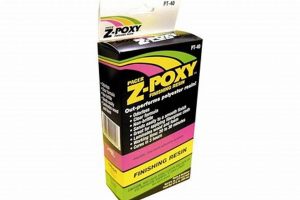
The process of applying a protective and decorative coating to cabinet surfaces in a kitchen environment is fundamental to their longevity and aesthetic appeal. This involves preparing the surface, applying a stain, paint, or clear coat, and sealing the finish for durability. Considerations include the type of wood, desired sheen, and resistance to moisture and wear. For example, applying a catalyzed varnish to oak cabinets enhances their natural grain while providing a robust barrier against daily use.
Proper surface treatment extends the lifespan of cabinetry, prevents damage from moisture and impact, and contributes significantly to the overall visual character of a kitchen. Historically, these treatments served primarily to protect the wood from rot and insects. Modern approaches emphasize both protection and design, allowing homeowners to customize the look and feel of their kitchens through a wide array of colors, textures, and levels of gloss.
The selection of appropriate materials and techniques is paramount to achieving a durable and attractive result. Subsequent sections will delve into the various types of coatings available, preparation methods crucial for a flawless outcome, and best practices for application to ensure a professional-grade appearance.
Essential Considerations for Kitchen Cabinet Surfaces
Achieving a professional and lasting result requires meticulous planning and execution. The following tips provide guidance on key aspects to ensure success.
Tip 1: Surface Preparation is Paramount. Thoroughly clean and sand cabinet surfaces to remove existing finishes and imperfections. Proper adhesion of new coatings hinges on a clean, even substrate.
Tip 2: Select the Appropriate Coating. Consider the cabinet material and desired aesthetic. Water-based acrylics offer low VOCs and easy cleanup, while oil-based enamels provide exceptional durability and a smooth finish. Assess the trade-offs for each option.
Tip 3: Primer is Essential for Adhesion and Uniformity. Apply a high-quality primer designed for the chosen topcoat. Primer promotes adhesion, seals porous surfaces, and creates a consistent base for color application.
Tip 4: Multiple Thin Coats are Superior to One Thick Coat. Apply several thin coats of the chosen coating, allowing each coat to dry completely before the next. This technique minimizes runs, drips, and uneven texture.
Tip 5: Sand Between Coats for a Smooth Finish. Lightly sand between coats with fine-grit sandpaper to remove imperfections and create a smooth surface for the subsequent coat. This process is crucial for achieving a professional-grade appearance.
Tip 6: Control the Environment During Application. Maintain a clean, dust-free environment with adequate ventilation. Dust particles can contaminate the finish, compromising its appearance and durability.
Tip 7: Consider a Topcoat for Added Protection. Applying a clear topcoat can provide an extra layer of protection against scratches, stains, and moisture. Select a topcoat compatible with the chosen coating system.
Adherence to these recommendations significantly improves the outcome. Careful preparation, material selection, and application techniques are essential for maximizing longevity and aesthetic appeal.
The subsequent section will address troubleshooting common problems encountered during the treatment process.
1. Surface preparation

Surface preparation is a foundational element in kitchen cabinet treatments, directly impacting the adhesion, durability, and aesthetic quality of the final coating. Inadequate preparation inevitably leads to premature failure of the treatment, regardless of the quality of materials used.
- Cleaning and Degreasing
The removal of grease, grime, and contaminants from cabinet surfaces is paramount. These substances interfere with the bonding process of primers and topcoats, leading to peeling, blistering, and uneven coverage. A common example includes kitchens with heavy cooking activity where grease accumulates on cabinet doors. Failure to degrease properly will compromise the finish, even with the application of high-performance coatings.
- Sanding and Smoothing
Sanding creates a profiled surface that allows for mechanical adhesion of the coating. It also removes existing imperfections such as scratches, dents, and raised grain. The grit of sandpaper used must be appropriate for the substrate. For example, using too coarse a grit on veneer can damage the thin surface layer, while using too fine a grit on heavily varnished surfaces may not effectively create a key for the new finish. Properly sanded surfaces provide a smooth, uniform base for the treatment.
- Repairing Imperfections
Addressing any existing damage to the cabinet surfaces before applying the new coating is essential for achieving a flawless appearance. This includes filling dents, cracks, and holes with appropriate wood fillers or patching compounds. Failure to repair imperfections will result in these flaws being visible through the new treatment, detracting from the overall aesthetic.
- Dust Removal
Following sanding, the complete removal of dust particles is critical. Residual dust can contaminate the coating, leading to a textured or uneven finish. Tack cloths, vacuuming with a brush attachment, and compressed air are commonly used to ensure a dust-free surface. The presence of even microscopic dust particles can significantly compromise the quality and appearance of the final result.
Effective surface preparation, encompassing cleaning, sanding, repairs, and dust removal, sets the stage for a successful treatment. These steps ensure that the subsequent coatings adhere properly, provide a durable protective layer, and achieve the desired aesthetic outcome for kitchen cabinets.
2. Material Selection

The selection of appropriate materials is pivotal to achieving a successful and durable kitchen cabinet treatment. Material choices directly influence aesthetics, longevity, ease of maintenance, and overall cost. Careful consideration must be given to the substrate, existing conditions, and desired outcome when choosing products for the coating process.
- Paint Type
The type of paint selected dictates the finish’s appearance and durability. Oil-based paints provide a hard, durable finish but are high in VOCs and require longer drying times. Water-based acrylics offer lower VOCs, easier cleanup, and good color retention but may not be as durable as oil-based options. Epoxy paints provide exceptional hardness and chemical resistance, making them suitable for high-use areas. The choice depends on the project’s specific requirements regarding durability, environmental impact, and aesthetic preferences; a homeowner desiring extreme durability might opt for an epoxy finish despite the higher cost and complexity of application, while another focused on environmental friendliness might prefer a water-based acrylic.
- Primer Selection
Primer serves as the crucial link between the substrate and the topcoat, enhancing adhesion and ensuring uniform color. Oil-based primers excel at sealing porous surfaces and blocking stains but can be more difficult to work with. Latex primers are easier to apply and clean up but may not offer the same level of stain blocking. Specialized primers, such as those with shellac, are highly effective at blocking odors and stains but require careful application and disposal. The selection of a primer compatible with both the substrate and topcoat is crucial for preventing adhesion problems and ensuring a long-lasting finish. For example, tannin-rich woods like oak require a stain-blocking primer to prevent discoloration of the topcoat.
- Clear Coats and Sealers
Clear coats and sealers provide an additional layer of protection against moisture, scratches, and UV damage, extending the life of the treatment. Polyurethane coatings offer excellent durability and water resistance, making them suitable for high-use areas. Varnish provides a warm, traditional look but may not be as durable as polyurethane. Lacquer offers a fast-drying, smooth finish but is less resistant to chemicals and moisture. The selection of a clear coat or sealer depends on the desired level of protection, the aesthetic, and the ease of application. In kitchens exposed to high humidity, a polyurethane clear coat provides essential protection against water damage.
The interplay between paint type, primer selection, and clear coats determines the overall performance of the surface. Each material’s properties must be carefully evaluated in relation to the specific requirements of the kitchen environment and the desired aesthetic outcome to maximize longevity, ease of maintenance, and visual appeal.
3. Application technique

Application technique is integral to the success of kitchen cabinet finishing. The method by which coatings are applied directly impacts the uniformity, durability, and aesthetic quality of the final product. Improper application can lead to a range of issues, including visible brush strokes, uneven color distribution, runs, drips, and premature coating failure. These defects detract from the visual appeal and compromise the protective function of the finish.
Consider the difference between applying paint with a high-quality sprayer versus a low-quality brush. A sprayer, when properly calibrated and operated, atomizes the coating into fine particles, allowing for even distribution across the surface. This results in a smooth, consistent finish with minimal texture. In contrast, a poor-quality brush may leave noticeable brush marks and an uneven coating thickness. Similarly, improper use of a roller can result in stippling or orange peel texture, both undesirable in cabinet finishing. Furthermore, factors such as spray angle, distance from the surface, and the speed of movement influence the overall outcome. A consistent, controlled application is essential for achieving a professional-grade finish.
In summary, the application technique is not merely a procedural step but a critical determinant of the outcome in kitchen cabinet finishing. Mastering the appropriate application methods, whether brushing, rolling, or spraying, ensures the applied coatings perform as intended, providing long-lasting protection and an aesthetically pleasing result. The quality of materials is only as good as the technique used to apply them.
4. Curing process

The curing process in kitchen cabinet finishing constitutes a critical phase where applied coatings undergo chemical reactions to achieve their ultimate hardness, durability, and resistance to environmental factors. Proper curing is essential for realizing the intended performance characteristics of the selected finish.
- Solvent Evaporation and Film Formation
The initial stage of curing often involves solvent evaporation from the applied coating. As solvents dissipate, the solid components of the finish coalesce to form a continuous film. Inadequate ventilation or low temperatures can impede solvent evaporation, resulting in a soft, tacky finish that is susceptible to damage. For example, applying lacquer on a humid day may trap moisture, leading to blushing or cloudiness within the film. Controlled environmental conditions are therefore crucial for successful solvent evaporation and film formation.
- Crosslinking Reactions
Many modern kitchen cabinet finishes, such as catalyzed varnishes and two-part epoxies, rely on crosslinking reactions to achieve their final properties. These reactions involve the formation of chemical bonds between polymer chains, resulting in a denser, more resilient coating. Insufficient mixing of components or deviation from recommended curing times can compromise crosslinking, leading to a weak or brittle finish. The strength and durability of the cured finish are directly proportional to the extent of crosslinking achieved during the curing process.
- Temperature and Humidity Control
The rate and completeness of curing are significantly influenced by temperature and humidity. Elevated temperatures generally accelerate curing reactions, while low temperatures retard them. High humidity can interfere with the curing of certain coatings, leading to adhesion problems or surface defects. Maintaining consistent temperature and humidity levels within the manufacturer’s recommended range is essential for optimal curing. For instance, applying a polyurethane finish in a cold, damp environment may result in prolonged curing times and compromised durability.
- Curing Time and Handling
The curing time required for a specific coating varies depending on the type of finish, environmental conditions, and film thickness. Premature handling of uncured cabinets can result in scratches, dents, and other surface damage. Allowing the finish to fully cure before installation and use is essential for ensuring its longevity. Manufacturers’ specifications regarding curing times must be strictly adhered to in order to achieve the intended performance characteristics of the coating.
In summation, the curing process represents a pivotal stage in kitchen cabinet finishing, directly impacting the long-term performance and aesthetic quality of the treated surfaces. Understanding and meticulously controlling the factors that influence curing, such as solvent evaporation, crosslinking reactions, temperature, humidity, and curing time, is paramount for achieving professional-grade results.
5. Durability assessment

Durability assessment plays a crucial role in kitchen cabinet finishing, providing a systematic evaluation of the coating’s ability to withstand wear and tear over time. This process ensures that the selected materials and application techniques meet specific performance criteria, ultimately influencing the longevity and aesthetic appeal of the finished cabinets.
- Abrasion Resistance
Abrasion resistance refers to the coating’s capacity to withstand damage from rubbing, scratching, or scraping. This is particularly relevant in high-traffic areas, such as around door handles and drawer fronts. A common test involves using a Taber abraser, which measures the amount of coating lost after a specified number of cycles under a weighted abrasive wheel. The results of abrasion resistance tests inform decisions regarding the selection of more durable coatings or the implementation of protective measures, such as applying a clear topcoat with enhanced scratch resistance.
- Chemical Resistance
Chemical resistance assesses the coating’s ability to withstand exposure to household chemicals, cleaning agents, and spills. Kitchen cabinets are frequently subjected to substances like vinegar, lemon juice, and various cleaning solutions. Chemical resistance tests involve exposing the finished surface to these substances for a specified period and then evaluating any changes in appearance or performance, such as staining, blistering, or softening. Coatings with high chemical resistance are essential in kitchen environments to prevent damage from common spills and cleaning practices.
- Moisture Resistance
Moisture resistance determines the coating’s ability to withstand exposure to humidity, water, and steam without degradation. Kitchens are prone to high humidity levels and occasional water spills, which can lead to swelling, blistering, or peeling of the finish. Moisture resistance tests involve subjecting the finished surface to prolonged exposure to humidity or immersion in water, followed by evaluation for any signs of damage. Selecting coatings with excellent moisture resistance is critical in kitchens to prevent water damage and maintain the integrity of the finish.
- Impact Resistance
Impact resistance evaluates the coating’s ability to withstand sudden blows or impacts without cracking, chipping, or denting. Kitchen cabinets may be subjected to impacts from dropped objects or accidental collisions. Impact resistance tests involve dropping a weighted object from a specified height onto the finished surface and then examining it for any signs of damage. Coatings with high impact resistance are important for preventing damage from everyday use and maintaining the cabinets’ structural integrity.
In conclusion, durability assessment provides essential data for selecting appropriate materials and application techniques in kitchen cabinet finishing. By evaluating abrasion resistance, chemical resistance, moisture resistance, and impact resistance, this process helps ensure that the finished cabinets can withstand the rigors of daily use and maintain their aesthetic appeal over an extended period.
6. Color consistency

Color consistency is a critical attribute of high-quality kitchen cabinet finishing. Variation in color across cabinet doors, drawer fronts, and exposed surfaces undermines the intended aesthetic, creating a disjointed and unprofessional appearance. Such inconsistency can arise from several factors, including improper mixing of paint, variations in the substrate’s absorption rate, inconsistent application techniques, and batch-to-batch variations in the paint itself. The cumulative effect of these inconsistencies can render a newly refinished kitchen visually inferior to its predecessor.
For example, consider a kitchen where the cabinet frames are constructed of maple while the doors are MDF. Maple, being a natural wood, exhibits varying degrees of porosity, which can lead to differential absorption of the paint or stain. MDF, being a manufactured product, offers a more uniform surface. If the finishing process does not account for these substrate differences through proper priming and sealing, the resulting color will vary noticeably between the frames and doors. Similarly, if the same paint color is sourced from different batches, subtle variations in pigment concentration can lead to discernible color differences, particularly in lighter hues.
Achieving color consistency demands meticulous attention to detail at every stage of the finishing process. This includes thorough mixing of paint to ensure uniform pigment dispersion, the use of a high-quality primer to equalize substrate absorption, consistent application techniques (whether brushing, rolling, or spraying), and sourcing all paint from the same batch whenever possible. Color consistency directly impacts the perceived value and quality of the entire kitchen, making it an indispensable consideration in professional cabinet finishing.
7. Maintenance methods

Maintenance methods are inextricably linked to kitchen cabinet finishing, serving as the proactive measures that preserve the integrity and aesthetics of the applied coating over time. The initial investment in a high-quality treatment is rendered less valuable if proper upkeep is neglected. The connection between the two is a direct cause-and-effect relationship: inadequate maintenance accelerates the degradation of even the most durable finishes, while diligent care extends their lifespan and visual appeal. For example, a kitchen cabinet finished with a catalyzed varnish, prized for its resistance to chemicals and abrasion, will still suffer damage if frequently exposed to harsh cleaning agents or abrasive scrub pads. The finish’s protective qualities are designed to withstand normal use, but they are not impervious to abuse.
Effective maintenance strategies encompass several key areas, including routine cleaning, spill management, and protection against environmental factors. Routine cleaning should involve the use of mild, non-abrasive detergents and soft cloths to remove everyday dirt, grease, and grime. Prompt spill management is essential to prevent staining and damage from acidic or alkaline substances. Protecting cabinets from excessive exposure to sunlight and humidity can also mitigate fading and warping. A homeowner who regularly cleans their cabinets with a gentle cleanser, wipes up spills immediately, and ensures adequate ventilation in the kitchen is effectively safeguarding their investment in the surface treatment. Furthermore, annual inspection for signs of wear, such as chips or scratches, allows for timely repairs that prevent further deterioration.
The long-term success of any kitchen cabinet treatment hinges on the consistent application of appropriate maintenance methods. Neglecting this crucial aspect not only diminishes the aesthetic appeal of the cabinets but also compromises their structural integrity and necessitates premature refinishing, incurring additional expense. Understanding the specific maintenance requirements of the chosen finish, and adhering to a proactive care regimen, is therefore paramount to realizing the full value and lifespan of kitchen cabinet finishing.
Frequently Asked Questions Regarding Kitchen Cabinet Finishing
This section addresses common inquiries concerning the treatment of kitchen cabinets, providing clarity on various aspects of the process.
Question 1: What distinguishes paint from other coating options for kitchen cabinets?
Paint provides color and protection. Other options, such as varnish or lacquer, emphasize clarity and wood grain visibility while offering varying degrees of durability.
Question 2: How frequently should kitchen cabinets be refinished?
The frequency of refinishing depends on usage and environmental factors. Cabinets in high-use kitchens exposed to moisture and frequent cleaning may require refinishing every 5-7 years. Lower-use kitchens may extend this interval.
Question 3: What measures should be taken to prepare kitchen cabinets for refinishing?
Preparation includes removing hardware, thoroughly cleaning the surfaces, sanding to create a smooth profile, and applying a suitable primer to promote adhesion and block stains.
Question 4: Is it possible to alter the color of kitchen cabinets during refinishing?
Yes, changing the color is a common objective of refinishing. The existing finish must be properly prepared to ensure the new color adheres correctly and provides uniform coverage.
Question 5: What factors contribute to the cost of kitchen cabinet refinishing?
Cost is influenced by cabinet size, complexity of design, the type of materials selected (paint, primer, topcoat), and the extent of surface preparation required. Labor costs also significantly contribute to the overall expense.
Question 6: What maintenance practices are recommended for refinished kitchen cabinets?
Maintenance includes regular cleaning with mild, non-abrasive cleaners, prompt removal of spills, and avoidance of harsh chemicals or abrasive scrubbing pads that could damage the finish.
These FAQs offer a foundational understanding of the key considerations in kitchen cabinet finishing. Proper material selection, preparation, application, and maintenance are paramount to achieving desired results.
The subsequent section explores potential problems encountered during the kitchen cabinet treatment process and offers guidance on their resolution.
Conclusion
The preceding discussion has examined the key facets of kitchen cabinet finishing, from surface preparation and material selection to application techniques, curing processes, and long-term maintenance. The objective has been to illuminate the critical factors influencing the success and longevity of a surface treatment. Attention to these elements is not merely cosmetic; it is integral to the preservation of a significant investment within the home.
The sustained performance of kitchen cabinetry relies upon a commitment to informed decision-making and diligent execution. While challenges may arise, a thorough understanding of the principles outlined herein provides a solid foundation for achieving durable, aesthetically pleasing results. Continued adherence to best practices ensures the enduring value of kitchen cabinet finishing.