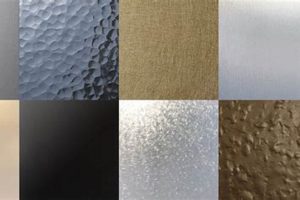
Processes designed to alter the surface properties of metallic components, enhancing their performance and lifespan, are critical across various industries. These processes encompass a range of treatments, from cleaning and deburring to plating and coating. An example includes applying a zinc coating to steel parts to inhibit corrosion, significantly extending their use in harsh environments.
The application of surface treatments is essential for improving corrosion resistance, wear resistance, aesthetics, and functionality. Historically, these treatments evolved from rudimentary techniques to sophisticated, automated operations. The adoption of these systems leads to increased product durability, reduced maintenance costs, and enhanced overall performance in various applications, impacting automotive, aerospace, construction, and electronics sectors.
The following discussion will delve into the specific types of surface treatments available, the equipment involved in their implementation, and the environmental considerations associated with their operation. Further, advances in technology and best practices for optimized performance will be explored.
Enhancing Outcomes in Surface Treatment Operations
The subsequent guidelines aim to improve the effectiveness and efficiency of surface treatment implementations. Strict adherence to these principles will yield enhanced product quality, reduced operational costs, and minimized environmental impact.
Tip 1: Rigorous Pre-Treatment Cleaning: The foundation of any successful surface treatment is thorough substrate preparation. Implement multi-stage cleaning processes, including degreasing, etching, and rinsing, to eliminate contaminants such as oils, oxides, and particulate matter. Insufficient cleaning compromises coating adhesion and overall performance.
Tip 2: Precise Control of Process Parameters: Maintain strict regulation of critical parameters, including temperature, pH, current density, and immersion time. Fluctuations in these variables can result in inconsistent coating thickness, non-uniform coverage, and diminished corrosion protection. Employ automated monitoring and control systems for optimal results.
Tip 3: Regular Equipment Maintenance: Implement a comprehensive maintenance schedule for all equipment, including pumps, filters, rectifiers, and tanks. Proactive maintenance prevents unexpected downtime, reduces the risk of process deviations, and extends the lifespan of capital equipment. Log all maintenance activities and track equipment performance metrics.
Tip 4: Optimized Chemical Bath Management: Implement a rigorous chemical bath monitoring and replenishment program. Regular analysis of bath composition ensures optimal chemical concentrations and minimizes the accumulation of contaminants. Utilize filtration and carbon treatment to maintain bath purity and extend bath life, reducing chemical consumption and waste generation.
Tip 5: Implement Waste Minimization Strategies: Adopt waste minimization techniques, such as counter-current rinsing, drag-out reduction, and closed-loop recycling. These strategies reduce water consumption, chemical usage, and waste disposal costs, while simultaneously minimizing environmental impact. Explore alternative, less hazardous chemicals and processes.
Tip 6: Thorough Quality Control Procedures: Establish comprehensive quality control procedures, including visual inspection, coating thickness measurement, adhesion testing, and corrosion testing. Regular inspection and testing identify process deviations and ensure that finished components meet required specifications. Document all quality control data and implement corrective actions as needed.
Tip 7: Employee Training and Certification: Invest in comprehensive training programs for all personnel involved in surface treatment operations. Properly trained operators are more likely to adhere to established procedures, identify potential problems early, and implement corrective actions effectively. Consider obtaining industry certifications to demonstrate competency and commitment to best practices.
By meticulously applying these guidelines, organizations can substantially elevate the quality, efficiency, and sustainability of their surface treatment endeavors. The implementation of robust process control, preventive maintenance, and waste minimization strategies leads to enhanced product performance, reduced operational expenditures, and diminished environmental footprint.
The subsequent sections will address emerging technologies and innovative approaches within the domain of surface treatment, further refining operational capabilities and environmental stewardship.
1. Corrosion Resistance

Corrosion resistance stands as a primary motivator for implementing many processes. The degradation of metallic materials due to electrochemical reactions with their environment necessitates protective measures. These processes, often involving the deposition of a barrier layer, inhibit or significantly slow down the corrosive attack. The selection of a particular system hinges on the base metal, the anticipated operating environment, and the required service life of the finished component. Unmitigated corrosion leads to structural failure, reduced efficiency, and costly replacements across industries, underscoring the economic and safety implications of prioritizing corrosion protection.
A classic example is the application of galvanizing to steel structures. The zinc coating acts as a sacrificial anode, corroding preferentially to the steel substrate and thereby preventing rust formation. This process is extensively used in bridges, pipelines, and construction materials. Another critical application is in the automotive industry, where electrodeposited coatings like chromium and nickel provide both corrosion protection and aesthetic appeal to vehicle components. In marine environments, specialized coatings containing inhibitors are applied to ship hulls to prevent saltwater corrosion and biofouling. These applications highlight how tailored surface treatments offer long-term protection in specific operational contexts.
The efficacy of any anti-corrosion metal finishing system is contingent upon proper surface preparation, process control, and coating integrity. Challenges include ensuring uniform coating thickness, preventing defects that could serve as corrosion initiation sites, and selecting materials compatible with the intended application. Understanding the mechanisms of corrosion and the protective capabilities of various metals and coatings is crucial for designing effective corrosion control strategies. The ongoing development of novel coatings and processes aims to enhance corrosion resistance, reduce environmental impact, and improve the overall performance of finished products.
2. Adhesion Strength

Adhesion strength is a critical performance characteristic directly influencing the functionality and longevity of a finished metallic component. It represents the measure of the bond between the applied coating and the substrate material. Poor adhesion inevitably leads to premature failure of the coating, compromising its intended protective or functional purpose. In the context of systems designed to modify or enhance metal surfaces, the integrity of this bond is paramount. For instance, in the automotive industry, the adhesion of paint layers to car bodies dictates the vehicle’s resistance to corrosion and environmental degradation. Similarly, in aerospace applications, the adhesion of thermal barrier coatings on turbine blades affects the engine’s efficiency and operational safety.
The factors affecting adhesion strength within surface treatment processes are multifaceted. Substrate preparation plays a vital role; thorough cleaning and pre-treatment are essential for removing contaminants that hinder the formation of a strong interface. The inherent properties of the coating material and the substrate also influence the bond; chemical compatibility and similar coefficients of thermal expansion contribute to improved adhesion. Furthermore, the application parameters, such as temperature, pressure, and application method, significantly impact the development of the interfacial bond. Surface roughness, too, is a contributing factor, as a controlled degree of roughness increases the surface area available for bonding.
Achieving optimal adhesion requires careful control and monitoring of the surface treatment process. Non-destructive testing methods, such as ultrasonic testing and pull-off testing, are routinely employed to assess adhesion strength. The development of advanced adhesion promoters and surface modification techniques continues to enhance the reliability and durability of finished metal products. Ultimately, the interplay between material selection, process control, and quality assurance determines the degree of adhesion, which, in turn, dictates the ultimate performance and lifespan of a metal component.
3. Surface Hardness

Surface hardness, defined as a material’s resistance to localized plastic deformation caused by indentation or scratching, is a critical attribute often enhanced or imparted by processes. Increased surface hardness improves resistance to abrasive wear, erosion, and galling, extending the service life of components subjected to demanding mechanical conditions. The application of a particular metal finishing process to achieve a specified level of surface hardness is often a key design consideration, directly influencing component performance and reliability. Case hardening of steel gears, for example, significantly enhances their wear resistance, enabling them to withstand high loads and prolonged use in power transmission systems. Similarly, hard anodizing of aluminum alloys produces a durable, wear-resistant surface essential for components operating in harsh environments. Understanding the relationship between metal finishing techniques and resulting surface hardness is paramount for optimizing component design and ensuring satisfactory performance in specific applications.
Different metal finishing methods impart surface hardness through various mechanisms. Carburizing and nitriding, for instance, introduce carbon or nitrogen atoms into the surface of steel, forming hard compounds that resist plastic deformation. Coating techniques, such as physical vapor deposition (PVD) and chemical vapor deposition (CVD), deposit thin, hard films of materials like titanium nitride or diamond-like carbon onto the substrate. Electroplating can also be employed to deposit hard metals, like chromium or nickel, onto softer base metals. The selection of a specific process depends on the desired hardness level, the substrate material, the application environment, and cost considerations. The effectiveness of these treatments is assessed through hardness testing methods, such as Vickers, Rockwell, and Knoop hardness tests, ensuring that the finished component meets the specified hardness requirements. These tests provide quantifiable data essential for quality control and process validation.
In summary, surface hardness is a crucial material property directly affected by various . The correct selection and execution of these processes are essential for tailoring surface hardness to specific application requirements, thereby improving wear resistance, extending component lifespan, and enhancing overall performance. While challenges exist in achieving consistent hardness values and ensuring long-term durability, continuous advancements in metal finishing technology and testing methods contribute to increasingly reliable and effective solutions for enhancing surface hardness in a wide range of engineering applications.
4. Aesthetic Qualities

Aesthetic qualities, encompassing visual appeal and perceived value, are significantly influenced by metal finishing operations. These operations transform raw materials into finished products with desired textures, colors, and reflectivities. The appearance of a metallic product directly affects consumer perception, brand recognition, and marketability. A meticulously finished surface signals quality and attention to detail, factors that often justify a higher price point. This relationship between surface appearance and perceived worth makes aesthetic enhancement a core function of specific .
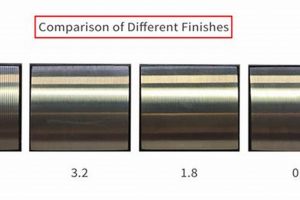
Various techniques contribute to achieving desired aesthetic outcomes. Polishing and buffing impart a smooth, lustrous finish, removing surface imperfections and enhancing reflectivity. Anodizing creates a durable, corrosion-resistant layer that can be dyed in a range of colors, enhancing visual appeal while providing functional benefits. Electroplating deposits a thin layer of precious metal, such as gold or silver, improving both appearance and corrosion resistance. Powder coating provides a durable, uniform finish in a wide spectrum of colors and textures. Each of these methods alters the surface characteristics of the metal, directly influencing its visual properties and aesthetic appeal. Consider the automotive industry, where chrome plating and specialized paint finishes are strategically employed to create a high-end, visually appealing product that resonates with consumers. In architecture, anodized aluminum facades and polished stainless steel accents are used to create modern, aesthetically pleasing building designs.
The effective integration of aesthetic considerations into the metal finishing process requires careful material selection, precise process control, and rigorous quality assurance. Challenges include achieving consistent color matching, preventing surface defects, and ensuring long-term durability of the finish. Overcoming these challenges necessitates a comprehensive understanding of the interaction between materials, processes, and environmental factors. Ultimately, the successful integration of aesthetic qualities within reflects a commitment to both form and function, enhancing product value and ensuring consumer satisfaction.
5. Wear Reduction

Wear reduction is a central objective in the application of many surface modification techniques. Mechanical components subjected to friction, abrasion, and erosion experience material loss, leading to diminished performance and eventual failure. Metal finishing systems address this issue by modifying the surface properties of materials to resist these wear mechanisms, thereby extending component lifespan and enhancing operational efficiency.
- Hard Coatings for Abrasive Wear
Hard coatings, such as those applied via physical vapor deposition (PVD) or chemical vapor deposition (CVD), provide exceptional resistance to abrasive wear. These coatings, composed of materials like titanium nitride (TiN) or chromium nitride (CrN), exhibit significantly higher hardness than the underlying substrate. Examples include cutting tools and dies used in manufacturing processes, where the hard coating protects the tool from wear caused by contact with abrasive materials. The result is increased tool life, improved cutting performance, and reduced downtime for tool changes.
- Lubricious Coatings for Friction Reduction
Lubricious coatings minimize friction between moving parts, thereby reducing adhesive wear and energy loss. These coatings, often based on materials like molybdenum disulfide (MoS2) or graphite, provide a low coefficient of friction and enable smooth sliding motion. Applications include bearings, gears, and sliding surfaces in engines and machinery. By reducing friction, these coatings minimize wear, improve energy efficiency, and reduce operating temperatures.
- Surface Texturing for Reduced Contact Area
Surface texturing involves creating micro-scale patterns on the surface of a component to reduce the actual contact area between sliding surfaces. This reduces friction and wear by minimizing the points of contact and promoting the retention of lubricant. Laser surface texturing is one technique used to create these patterns. Applications include piston rings in engines, where the textured surface reduces friction and wear, leading to improved engine performance and fuel efficiency.
- Diffusion Treatments for Enhanced Surface Hardness
Diffusion treatments, such as carburizing and nitriding, alter the chemical composition of the surface layer of a metal, increasing its hardness and wear resistance. These treatments involve heating the metal in a controlled atmosphere to allow atoms of carbon or nitrogen to diffuse into the surface, forming hard compounds. Applications include gears, crankshafts, and other components subjected to high contact stresses and wear. The increased surface hardness provided by these treatments significantly extends component life and improves reliability.
The selection of an appropriate wear reduction strategy depends on the specific wear mechanisms involved, the operating conditions, and the desired component lifespan. systems offer a range of solutions tailored to address these needs, providing effective and durable protection against wear in diverse applications. Ongoing research and development in metal finishing continue to yield innovative approaches for further enhancing wear resistance and extending the service life of metallic components.
6. Electrical Conductivity

The modification of surface characteristics in metallic materials invariably impacts electrical conductivity, a critical property for numerous applications. The presence of surface oxides, contaminants, or non-conductive coatings introduced by some processes can impede electron flow, thereby increasing resistance and reducing conductivity. Conversely, certain can enhance conductivity by depositing highly conductive metals or creating surface conditions that facilitate electron transport. The relationship between surface treatment and conductivity is therefore a key consideration in the design and manufacturing of electrical and electronic components.
Electroplating, a widely used surface treatment, provides a clear example of this connection. The deposition of a thin layer of highly conductive metals like copper, silver, or gold onto a substrate enhances the overall conductivity of the finished part. This is particularly relevant in the production of electrical connectors, printed circuit boards, and electronic components where reliable electrical performance is paramount. However, factors such as plating thickness, purity of the plating bath, and surface preparation of the substrate can significantly influence the final conductivity. Similarly, anodizing, while primarily used for corrosion protection, creates an insulating oxide layer on aluminum, which drastically reduces surface conductivity. Therefore, selective masking or post-anodizing treatments are necessary when maintaining conductivity in specific areas is required. The choice of process and its precise execution are dictated by the intended electrical function of the treated component.
In conclusion, the impact of on electrical conductivity is multifaceted and necessitates a careful evaluation of the desired outcome. While some treatments enhance conductivity by depositing conductive materials, others inadvertently impede electron flow. Understanding this interplay is crucial for selecting the appropriate and optimizing process parameters to ensure that the finished component meets the required electrical performance specifications. Challenges remain in achieving consistent conductivity across complex geometries and in mitigating the effects of environmental factors. Future advancements in metal finishing technology will likely focus on developing treatments that provide both enhanced performance characteristics and controlled electrical properties.
7. Chemical Resistance

Surface treatments play a critical role in conferring chemical resistance to metallic components. Exposure to corrosive environments, acids, alkalis, or solvents can degrade or destroy unprotected metals, leading to structural failure and operational disruptions. Metal finishing systems, through the application of protective coatings or surface modifications, create a barrier between the metal substrate and the aggressive chemical environment. The selection of a specific system hinges on the nature of the chemical exposure, the required service life, and the operational temperature. A practical illustration is the use of fluoropolymer coatings on chemical processing equipment, safeguarding against corrosion from harsh acids and solvents. Without these specialized surface treatments, the equipment would rapidly deteriorate, leading to process downtime and potential safety hazards.
The effectiveness of a surface treatment in providing chemical resistance depends on several factors, including the intrinsic chemical inertness of the coating material, its adhesion to the substrate, and its impermeability to the corrosive agent. For example, stainless steel alloys achieve their corrosion resistance through the formation of a passive chromium oxide layer on the surface. However, this passive layer can be compromised in chloride-rich environments, necessitating additional surface treatments such as passivation or the application of protective coatings. Similarly, electroplated nickel coatings provide excellent resistance to many alkaline solutions, but can be susceptible to attack by strong oxidizing acids. Therefore, a thorough understanding of the chemical compatibility between the coating material, the substrate, and the intended service environment is essential for selecting the appropriate finishing system.
In summary, surface treatments are indispensable for ensuring the chemical resistance of metallic components in a wide range of industrial applications. The selection of a specific system requires careful consideration of the corrosive environment, the required service life, and the material properties of both the coating and the substrate. Ongoing research and development in the field of metal finishing are focused on developing novel coatings and processes that offer enhanced chemical resistance, improved durability, and reduced environmental impact. The challenges lie in creating coatings that are both chemically inert and mechanically robust, capable of withstanding demanding operational conditions. Addressing these challenges is crucial for ensuring the long-term reliability and safety of metallic components in corrosive environments.
Frequently Asked Questions About Metal Finishing Systems
The following section addresses common inquiries concerning metal finishing processes, aiming to clarify their applications and benefits.
Question 1: What is the primary purpose of implementing metal finishing systems?
The primary purpose is to enhance the surface properties of metallic components. This encompasses improvements in corrosion resistance, wear resistance, aesthetic appeal, electrical conductivity, and chemical resistance, ultimately extending component lifespan and improving performance.
Question 2: What are the key types of processes employed within metal finishing systems?
Common processes include electroplating, anodizing, powder coating, painting, physical vapor deposition (PVD), chemical vapor deposition (CVD), and various surface preparation techniques such as cleaning, etching, and polishing. The specific method chosen depends on the desired surface properties and the substrate material.
Question 3: How does substrate preparation impact the effectiveness of metal finishing systems?
Substrate preparation is crucial. Thorough cleaning and removal of contaminants like oils, oxides, and scale are essential for ensuring proper coating adhesion and preventing premature failure. Inadequate preparation compromises the integrity and longevity of the finished product.
Question 4: What environmental considerations are associated with metal finishing systems?
Processes can generate hazardous waste, including heavy metals, solvents, and acids. Responsible waste management practices, such as wastewater treatment, waste minimization, and the use of environmentally friendly alternatives, are essential for mitigating environmental impact.
Question 5: How is the quality of finished products assessed after undergoing metal finishing?
Quality control measures typically involve visual inspection, coating thickness measurement, adhesion testing, corrosion testing, and hardness testing. These tests verify that the finished product meets specified requirements and performance standards.
Question 6: What are the long-term cost benefits of investing in effective metal finishing systems?
While initial investment costs may be significant, effective systems reduce maintenance costs, extend component lifespan, improve product reliability, and enhance overall performance. These factors contribute to long-term cost savings and increased profitability.
Metal finishing represents a crucial aspect of manufacturing, demanding meticulous attention to detail and a commitment to quality and environmental responsibility.
The subsequent section will explore emerging trends and innovative technologies in the field of surface treatment.
Conclusion
This exploration has elucidated the critical role that systems play in modern manufacturing. From enhancing corrosion resistance to improving aesthetics and functionality, these systems are integral to producing durable, high-performance metallic components. Understanding the nuances of various treatments, from substrate preparation to the selection of appropriate coatings, is paramount for achieving desired outcomes and ensuring long-term reliability.
As industries continue to demand enhanced performance and sustainability, the future of lies in innovation and responsible implementation. Continued research into environmentally friendly processes, advanced materials, and precise process control will drive the next generation of surface treatment technologies. A commitment to these advancements is essential for maintaining competitiveness and minimizing the environmental footprint of manufacturing operations.