The culmination of any needlepoint project lies in its final presentation. This process transforms a stitched canvas into a functional or decorative object. Methods vary widely, encompassing techniques for transforming the canvas into pillows, ornaments, framed art, or various useful items. Each technique requires specific considerations regarding fabric selection, seam construction, and embellishment choices to achieve a professional and durable result. For instance, a Christmas ornament might require a simple felt backing and a decorative cord for hanging, while a chair seat necessitates sturdy upholstery fabric and professional-grade construction methods.
Proper completion significantly enhances the perceived value and longevity of the work. A well-executed finish protects the stitching from wear and tear, preserving its beauty for years to come. Historically, proficient completion was considered an essential skill for needleworkers, reflecting pride in craftsmanship and attention to detail. The careful selection of materials and techniques elevates the piece from a mere craft project to a treasured heirloom, showcasing the artistry involved in its creation.
This exploration will delve into the diverse options available for bringing a needlepoint project to its ultimate form. The discussion will cover techniques for creating home dcor items, fashion accessories, and personalized gifts, focusing on the principles of sound construction and aesthetic appeal, providing a foundation for successful project completion.
Tips for Needlepoint Completion Techniques
Successful transformation of a stitched needlepoint canvas into a finished product relies on careful planning and execution. The following guidance promotes professional results and enhanced longevity.
Tip 1: Canvas Preparation: Prior to any completion method, thoroughly block the needlepoint. This ensures the design is square and eliminates distortion caused by stitching tension. Use appropriate blocking boards and rust-proof pins to maintain even tension during the drying process.
Tip 2: Fabric Selection: The choice of backing or bordering fabric should complement the colors and style of the needlepoint. Consider the weight and durability of the fabric, particularly for items subject to frequent use. For example, upholstery-grade fabric is suitable for pillows or seat cushions.
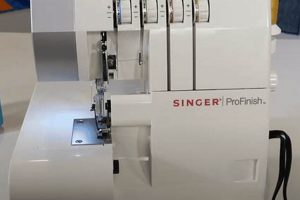
Tip 3: Seam Construction: Employ appropriate seam allowances and stitch types based on the chosen completion method. Reinforce corners and stress points with additional stitching to prevent tearing. A serger can provide a clean, professional edge finish for fabrics that fray easily.
Tip 4: Embellishments: Consider adding decorative elements such as piping, tassels, or decorative trim to enhance the finished appearance. Select embellishments that coordinate with the overall design and are securely attached to withstand wear and tear.
Tip 5: Secure Fastenings: Zippers, buttons, and other closures should be securely attached and appropriately sized for the finished item. Reinforce buttonholes and zipper attachments to prevent failure with repeated use.
Tip 6: Professional Finishing: For complex projects, consider engaging a professional finisher. A skilled finisher possesses specialized equipment and expertise to ensure a high-quality, durable result, particularly for items like framed art or upholstered furniture.
Tip 7: Matching Thread: Use a thread that matches the canvas edges. This will ensure that the edges are neatly tucked away during the finishing process, preventing unwanted thread from becoming visible.
Diligent application of these principles will result in professionally finished needlepoint projects, enhancing their aesthetic appeal and ensuring their lasting value.
These considerations provide a solid foundation for achieving professional results in needlepoint projects.
1. Seam construction choices

The selection of appropriate seam construction techniques is a critical determinant in the overall quality and longevity of completed needlepoint projects. These decisions directly impact the structural integrity, aesthetic appeal, and functional suitability of the finished item.
- Seam Allowance
The width of the seam allowance dictates the strength and durability of the join. A wider seam allowance provides more fabric to grip, reducing the risk of fraying or tearing, particularly in areas subject to stress. For items like pillows or upholstery, a minimum of 5/8 inch is recommended to accommodate potential wear. Conversely, for delicate edges such as those on ornaments, a narrower seam allowance may be preferable for aesthetic reasons, requiring careful edge finishing to prevent unraveling.
- Stitch Type
The stitch type used to join fabric sections significantly influences the seam’s resilience. Straight stitches are suitable for basic seams, while zigzag or overlock stitches offer increased elasticity and prevent fraying, crucial for fabrics prone to unraveling or in applications requiring flexibility. Reinforcing stitches, such as backstitching or topstitching, add additional strength to high-stress areas, such as corners or zipper attachments.
- Corner Construction
Corners represent points of concentrated stress in many finished needlepoint items. Mitering corners, where the fabric is folded and sewn at a 45-degree angle, minimizes bulk and creates a clean, professional appearance. Reinforcing mitered corners with additional stitching or corner patches prevents tearing and maintains structural integrity. For curved corners, clipping or notching the seam allowance allows the fabric to lay flat, preventing puckering and ensuring a smooth finish.
- Edge Finishing
The method used to finish raw fabric edges directly impacts the longevity and aesthetic appeal of the completed item. Serging, or overlocking, provides a clean, secure edge that prevents fraying, ideal for fabrics prone to unraveling. Binding edges with bias tape or decorative trim offers a polished finish and enhances the overall design. For delicate fabrics, hand-stitched hemming provides a subtle, secure edge that minimizes bulk and maintains a refined appearance.
The selection of appropriate seam construction choices is not merely a technical consideration but an integral part of the overall design process. Careful consideration of these factors contributes to a finished needlepoint item that is both aesthetically pleasing and structurally sound, capable of withstanding the rigors of use while maintaining its visual appeal for years to come. For instance, the decision to use a French seam on a delicate silk backing versus a serged edge on a durable upholstery fabric demonstrates the importance of tailoring seam construction to the specific materials and intended use of the finished piece.
2. Fabric compatibility

The selection of suitable backing and bordering materials represents a crucial step in realizing any needlepoint completion idea. Fabric compatibility directly influences the finished product’s durability, aesthetic appeal, and overall functionality. Mismatched materials can lead to structural instability, visual disharmony, and premature wear.
- Weight and Weave Density
The weight and weave density of the chosen fabric should align with the needlepoint canvas and its intended use. A lightweight, loosely woven fabric may not provide sufficient support for a densely stitched canvas, leading to distortion or sagging. Conversely, a heavy, stiff fabric may overwhelm a delicate needlepoint design. For items subject to frequent use, such as pillows or bags, a durable, tightly woven fabric is essential to withstand wear and tear. Examples include upholstery-grade cotton or linen for pillows and canvas or twill for bags. The choice ensures structural integrity and prevents premature failure of the completed item.
- Color and Pattern Harmony
The color and pattern of the backing or bordering fabric should complement the needlepoint design. Clashing colors or overly busy patterns can detract from the needlepoint’s visual impact. A solid-colored fabric in a coordinating hue often provides a neutral backdrop that allows the needlepoint to take center stage. Alternatively, a subtle pattern, such as a small-scale stripe or texture, can add visual interest without overpowering the stitched design. The selected material should enhance, not compete with, the artistic merit of the needlepoint.
- Texture and Hand
The texture and hand (feel) of the fabric contribute to the overall tactile experience of the finished item. A rough or scratchy fabric can detract from the comfort of a pillow or the elegance of a framed piece. Smooth, soft fabrics, such as velvet or silk, provide a luxurious feel and enhance the perceived value of the needlepoint. Consider the intended use of the item when selecting fabric texture. For example, a sturdy, textured fabric may be appropriate for a durable tote bag, while a soft, smooth fabric is better suited for a decorative cushion.
- Care Requirements
The care requirements of the backing or bordering fabric should be compatible with the needlepoint canvas. If the needlepoint is dry-clean only, the chosen fabric should also be dry-clean only to avoid differential shrinkage or damage during cleaning. Similarly, if the needlepoint is washable, the fabric should be washable as well. Disparate care requirements can lead to irreversible damage or distortion of the finished item. Prioritizing materials with similar care needs ensures the longevity and maintainability of the completed project.
In summary, achieving harmonious fabric compatibility constitutes an integral element in the successful realization of needlepoint completion concepts. Thoughtful assessment across material weight, color, texture, and care considerations ensures the creation of enduring, visually appealing, and functionally appropriate finished items. The careful selection of complementary textiles ultimately enhances the value and lifespan of the finished needlepoint creation, transforming a stitched canvas into a cherished heirloom.
3. Embellishment selection

The addition of embellishments represents a critical juncture in the transformation of a stitched needlepoint canvas into a completed object. The selection of appropriate decorative elements significantly influences the aesthetic impact and perceived value of the finished piece. This process requires careful consideration of design principles, material compatibility, and the intended function of the completed project.
- Trim and Edging
The strategic application of trim and edging defines the boundaries of the needlepoint design and introduces textural contrast. Options range from simple piping and binding to elaborate braids, tassels, and fringe. The selected trim should complement the colors and style of the needlepoint while providing a clean, professional finish to raw edges. For example, a silk cord may enhance a formal needlepoint design, while a rustic cotton fringe complements a more casual aesthetic. Improperly chosen trim can detract from the needlepoint’s inherent beauty and compromise the overall design.
- Beads and Sequins
Incorporating beads and sequins adds dimension and visual interest to the needlepoint design. These embellishments can highlight specific design elements, create focal points, or introduce a sense of sparkle and texture. The size, shape, and color of the beads and sequins should be carefully considered to ensure they complement the needlepoint stitching. For instance, small seed beads can add a subtle shimmer, while larger faceted beads create a more dramatic effect. Overuse or improper placement of beads and sequins can overwhelm the design and detract from the needlepoint’s craftsmanship.
- Buttons and Charms
The strategic placement of buttons and charms introduces a personalized touch and enhances the functionality of certain needlepoint projects. Buttons can serve as closures for pouches or pockets, while charms can add a whimsical element to ornaments or keychains. The selection of buttons and charms should reflect the overall style and theme of the needlepoint design. For example, vintage buttons may complement a traditional needlepoint, while contemporary charms add a modern flair. Secure attachment is crucial to prevent loss or damage to the embellishments.
- Ribbons and Fabric Appliqus
The integration of ribbons and fabric appliqus provides opportunities to introduce additional colors, textures, and patterns to the needlepoint design. Ribbons can be used to create decorative bows, ties, or borders, while fabric appliqus can add dimension and visual interest. The selection of ribbons and fabric should be carefully coordinated with the needlepoint stitching to ensure a cohesive design. For example, silk ribbons may enhance a formal needlepoint, while cotton appliqus complement a more casual aesthetic. Proper application techniques, such as fusible interfacing or hand stitching, are essential to ensure the durability of the embellishments.
The thoughtful selection and application of embellishments elevate the needlepoint project from a simple stitched canvas to a refined, personalized creation. The strategic use of trim, beads, buttons, and ribbons enhances the aesthetic appeal, adds dimension, and reflects the individual artistry of the needleworker. Careful consideration of design principles and material compatibility ensures that the embellishments complement the needlepoint stitching and enhance the overall value of the finished piece. A well-embellished needlepoint becomes a cherished heirloom, showcasing the skill and creativity of its maker.
4. Blocking precision
Blocking precision directly and significantly influences the success of any needlepoint finishing idea. The blocking process, which involves stretching and securing a completed needlepoint canvas to achieve its intended shape and dimensions, corrects distortions caused by the stitching process. A lack of blocking precision results in a canvas that is not square or rectangular, leading to difficulties in subsequent finishing steps. For example, if a canvas intended for a pillow is not properly blocked, the resulting pillow will be misshapen, exhibiting uneven seams and a lack of symmetry. The precision achieved during blocking determines the ease and quality with which the canvas can be integrated into the intended finished product, whether it be a framed piece, a cushion, or any other application. Distorted needlepoint can not align correctly with the backing, lining, or other components of the finished item, which is causing fitting, construction, and overall aesthetic appearance of the project. Accurate blocking creates a stable and appropriately shaped foundation upon which the finishing process can be executed with greater ease and precision.
Consider the case of a needlepoint designed to be incorporated into a handbag. If the canvas is not blocked correctly, the sides of the handbag will not align properly, leading to a distorted and unprofessional appearance. Precise blocking, on the other hand, ensures that the canvas conforms to the dimensions of the handbag pattern, allowing for clean seams and a polished final product. Similarly, for framed needlepoint, a precisely blocked canvas will fit snugly within the frame, preventing unsightly gaps or bulges. Imperfect blocking can also affect the perceived quality of the materials used, making even high-end threads and fabrics appear subpar due to the distorted presentation. Therefore, blocking precision is not merely a preparatory step, but an integral component of the finishing process that directly impacts the final outcome.
In conclusion, blocking precision is essential for translating needlepoint finishing ideas into tangible, high-quality finished products. Failure to prioritize accurate blocking introduces challenges throughout the finishing process, compromising the structural integrity and aesthetic appeal of the final item. While blocking can be time-consuming, the investment in ensuring precision yields significant returns in terms of the finished product’s quality and longevity. By recognizing the critical role of blocking precision, needleworkers can enhance their skills and achieve superior results in their finishing endeavors.
5. Closure security

The term “closure security,” in the context of needlepoint finishing ideas, refers to the reliability and durability of mechanisms used to fasten or seal a finished needlepoint item. This encompasses zippers, buttons, clasps, hook-and-loop fasteners, and other devices that maintain the integrity of the enclosed space or secure the item in its intended configuration. The connection between closure security and needlepoint finishing ideas lies in the direct impact of the closure’s functionality on the usability, aesthetic appeal, and lifespan of the completed project. Weak or poorly installed closures can compromise the item’s functionality, diminish its visual appeal, and necessitate premature repairs or replacement. Examples include a handbag with a faulty zipper that renders the bag unusable or a pillow with loosely attached buttons that detract from its decorative value.
Effective implementation of closure security principles within needlepoint finishing ideas requires careful consideration of several factors. First, the type of closure must be appropriate for the intended use of the item. A heavy-duty zipper is necessary for a frequently used bag, while delicate snaps may suffice for a decorative sachet. Second, the method of attachment must be robust and secure. Hand-sewing closures with reinforced stitches, using appropriate thread weight, or employing specialized tools such as a zipper foot on a sewing machine are all critical to ensuring closure longevity. Third, the placement of the closure must be strategic, minimizing stress points and maximizing ease of use. Closures positioned in high-stress areas should be reinforced with interfacing or additional fabric layers to prevent tearing or distortion. Furthermore, the aesthetic integration of the closure with the overall design is paramount; closures should complement the colors, textures, and style of the needlepoint.
In summary, closure security is an indispensable element of needlepoint finishing ideas. It directly affects the functionality, appearance, and durability of the finished product. Challenges in achieving adequate closure security often stem from insufficient material selection, inadequate attachment techniques, or improper placement. A comprehensive understanding of closure security principles and their application to various needlepoint finishing techniques is essential for producing high-quality, long-lasting, and aesthetically pleasing items. The ability to create items with secure and functional closures significantly enhances the value and satisfaction derived from needlepoint projects.
Frequently Asked Questions Regarding Needlepoint Completion
The subsequent section addresses common inquiries regarding the techniques and best practices associated with the terminal phase of needlepoint projects. These answers are intended to provide clarity and guidance for achieving professional and durable results.
Question 1: What constitutes “blocking” in needlepoint finishing, and why is it necessary?
Blocking is the process of stretching a completed needlepoint canvas back into its original shape, typically square or rectangular, after it has become distorted by the stitching process. This step is crucial because it ensures that the finished item will have the correct dimensions and that seams and edges will align properly. Failure to block can result in a misshapen or uneven finished product.
Question 2: Which fabrics are most suitable for backing needlepoint pillows?
Durable, upholstery-grade fabrics are generally recommended for backing needlepoint pillows. These fabrics can withstand the wear and tear of regular use and provide sufficient support for the needlepoint canvas. Options include cotton duck, linen, velvet, and synthetic blends. The choice of fabric should also complement the colors and style of the needlepoint design.
Question 3: What is the optimal method for securing zippers in needlepoint bags or pouches?
Zippers should be securely hand-sewn or machine-sewn to the needlepoint canvas, using a zipper foot on a sewing machine for greater precision. Reinforcing the zipper attachment with additional stitching at the ends and corners is essential to prevent tearing or separation. The zipper should also be appropriately sized for the bag or pouch to ensure smooth and reliable operation.
Question 4: How does one prevent fraying along the edges of a needlepoint canvas during finishing?
Fraying can be prevented by binding the edges of the canvas with bias tape, serging the edges with an overlock machine, or applying a fabric sealant. These methods secure the raw edges of the canvas and prevent the threads from unraveling, ensuring a clean and professional finish.
Question 5: What is the proper technique for attaching embellishments, such as beads or buttons, to a finished needlepoint piece?
Embellishments should be securely hand-sewn to the needlepoint canvas using a strong thread that matches the color of the embellishment. The attachment points should be reinforced to prevent the embellishment from coming loose with wear. The placement of embellishments should be carefully considered to enhance the overall design and avoid overwhelming the needlepoint.
Question 6: When should a professional finisher be engaged for a needlepoint project?
A professional finisher should be considered for complex projects, such as framed artwork or upholstered furniture, or when the needleworker lacks the necessary skills or equipment. Professional finishers possess specialized expertise and equipment to ensure a high-quality, durable result.
These responses offer foundational knowledge for navigating the intricacies of needlepoint completion. Adherence to these guidelines promotes success in bringing needlepoint creations to their finished state.
The ensuing segment explores resources available to further enhance proficiency in transforming needlepoint canvases into finished articles.
Conclusion
This exploration of needlepoint finishing ideas has illuminated the multifaceted nature of transforming a stitched canvas into a completed work. Key aspects, including precise blocking, appropriate fabric selection, secure closure mechanisms, and the judicious use of embellishments, have been identified as critical determinants of the finished item’s quality and longevity. Proper execution of these techniques elevates the craft from a simple pastime to a form of artistic expression, resulting in pieces that are both visually appealing and structurally sound.
The value of meticulous attention to detail during the finishing stage cannot be overstated. It is through careful consideration of each element that needlepoint projects achieve their full potential, becoming treasured heirlooms or functional items of lasting beauty. Further exploration and refinement of these skills are encouraged, ensuring the continuation of this art form and the creation of works that will be appreciated for generations to come.

![Best Nouveau Moisturizing Finishing Lotion [Review] | Best Final Touch: Elevate Your Projects with Professional Finishing](https://bestfinaltouch.com/wp-content/uploads/2026/05/th-338-300x200.jpg "Best Nouveau Moisturizing Finishing Lotion [Review] Best Final Touch: Elevate Your Projects with Professional Finishing")