A coating applied to wooden or composite structures designed for interior use, this protective layer enhances the item’s aesthetic appeal while guarding against wear, moisture, and potential damage. This applied layer can range from high-gloss lacquers to matte, chalky textures, each offering a distinct visual and tactile experience, as seen in applications to tables, chairs, and cabinets.
The relevance of this protective treatment extends beyond mere decoration. It significantly contributes to the longevity of household pieces, preventing the absorption of liquids and the buildup of dirt, thus simplifying maintenance. Historically, the selection of materials and techniques used to create this protective layer has reflected evolving styles and technological advancements, shaping interior design trends across different eras.
The following sections will explore the various types available, delving into their characteristics, application methods, and suitability for different types of household pieces. Furthermore, preparation techniques, surface considerations, and troubleshooting common issues will be addressed, offering a comprehensive guide for achieving optimal results.
Essential Application Guidelines
Achieving a professional and durable result relies on meticulous preparation and adherence to best practices. The following guidelines are designed to maximize the lifespan and aesthetic appeal of treated pieces.
Tip 1: Surface Preparation is Paramount: Proper preparation, including thorough cleaning, sanding, and priming, is critical. Remove existing coatings and imperfections to ensure optimal adhesion and a smooth final appearance. Failure to adequately prepare the surface can lead to premature peeling or cracking.
Tip 2: Select Appropriate Application Tools: The choice of brush, roller, or sprayer directly impacts the uniformity and texture. High-quality brushes with synthetic bristles are generally recommended for water-based products, while natural bristles are often preferred for oil-based options. Consider the size and complexity of the piece when selecting the appropriate tool.
Tip 3: Control Environmental Conditions: Temperature and humidity levels significantly influence drying time and the overall quality of the final treatment. Avoid application in excessively hot, cold, or humid environments. Maintain adequate ventilation to promote even drying and prevent the formation of imperfections.
Tip 4: Apply Thin, Even Coats: Multiple thin coats are superior to a single thick coat. This technique minimizes the risk of drips, runs, and uneven drying, resulting in a smoother and more durable surface. Allow each coat to dry completely before applying the subsequent layer.
Tip 5: Consider a Topcoat for Enhanced Protection: A clear topcoat provides an additional layer of protection against scratches, stains, and UV damage. Select a topcoat compatible with the chosen medium and apply according to the manufacturer’s instructions. This step significantly extends the lifespan and preserves the aesthetic integrity of treated items.
Tip 6: Proper Curing Time is Crucial: Allow the coating to fully cure according to the manufacturer’s specifications before subjecting the item to regular use. Premature handling can damage the surface and compromise the integrity of the treatment. Curing typically requires several days to weeks, depending on the specific product.
Tip 7: Sanding Between Coats for Optimal Smoothness: Lightly sanding between coats with fine-grit sandpaper (e.g., 320-grit or higher) can remove minor imperfections and create a smoother surface for subsequent layers. Be sure to clean the surface thoroughly after sanding to remove any dust particles.
Adhering to these guidelines ensures a professional and long-lasting result, maximizing the value and aesthetic appeal of treated household items. Diligent application and adherence to best practices yield a superior finish that enhances durability and longevity.
The next section will delve into common problems encountered during application and offer solutions for achieving optimal results.
1. Durability

The resistance of a surface treatment to wear, abrasion, impact, and chemical exposure directly influences the lifespan and functionality of furniture. The applied layer, intended to protect and enhance wooden or composite structures, must possess inherent properties that withstand the rigors of daily use. The absence of adequate protective qualities results in premature degradation, necessitating frequent repairs or replacement. For example, kitchen cabinets treated with a low-durability coating will exhibit scratches, stains, and peeling more readily than those treated with a robust, chemically resistant formulation. The initial selection of the coating material and application process are crucial determinants of long-term protective capacity.
Durability is not solely dependent on the inherent properties of the coating material; environmental factors and usage patterns also contribute significantly. A dining table frequently exposed to spills and abrasive cleaning agents requires a more durable treatment than a decorative side table that experiences minimal contact. Selecting appropriate materials with enhanced resistance to specific environmental stressors ensures prolonged protection and reduces maintenance requirements. Furthermore, proper application techniques, including adequate surface preparation and curing time, contribute significantly to overall durability. The implementation of a multi-layered system, including a primer, color coat, and protective topcoat, is often employed to enhance resistance to external factors.
Understanding the link between inherent protective capacities and the conditions to which furniture is subjected is essential for optimizing the investment in both materials and labor. Prioritizing durable treatments, such as catalyzed conversion varnishes or two-part epoxies, for high-use items located in demanding environments, represents a proactive strategy to minimize long-term costs. Conversely, less durable options may suffice for items experiencing minimal wear. Ultimately, the informed selection and application of durable surface treatments are integral to maximizing the functional lifespan and preserving the aesthetic value of household items.
2. Adhesion Strength

Adhesion strength represents a critical factor in determining the longevity and performance of coatings on household structures. The capacity of the coating to establish and maintain a robust bond with the substrate directly influences its resistance to chipping, peeling, and blistering. Inadequate adhesion compromises the protective and aesthetic benefits of the treatment, leading to premature failure and the need for rework. For instance, an improperly adhered coating on a kitchen table will be susceptible to damage from routine cleaning and contact with utensils, resulting in unsightly imperfections and reduced lifespan. The attainment of optimal adhesion necessitates meticulous surface preparation, compatible materials, and appropriate application techniques.
The selection of compatible materials constitutes a primary determinant of adhesion strength. Certain types of protective layers exhibit superior bonding characteristics with specific substrates, while others may prove incompatible. The application of an oil-based product over a water-based primer, for example, can compromise the adhesive bond due to inherent differences in chemical composition and drying characteristics. Likewise, applying a non-flexible treatment to a substrate that is prone to expansion and contraction can lead to cracking and peeling as the substrate moves. Proper material selection considers the substrate type, environmental conditions, and intended use of the piece.
In conclusion, adhesion strength constitutes a fundamental property influencing the durability and aesthetic appeal of a treatment. The implementation of meticulous surface preparation techniques, the selection of compatible materials, and the adoption of appropriate application methods are all essential for maximizing adhesion and ensuring a long-lasting and visually appealing treatment. The understanding of adhesion strength is directly linked to the economic considerations of furniture preservation, minimizing the frequency of repairs and replacement.
3. Surface Preparation

Surface preparation constitutes a foundational element influencing the quality and longevity of any coating applied to household items. The adherence and uniformity are directly contingent upon the condition of the substrate prior to application. Failure to adequately prepare the surface invariably leads to diminished aesthetic appeal and accelerated deterioration of the protective layer. A common example illustrates this principle: the application of a glossy enamel to a table without proper sanding results in visible imperfections, such as dust particles trapped beneath the coating, and premature peeling due to inadequate adhesion. Therefore, proper surface preparation is not merely a preliminary step but an integral component determining the ultimate success of any finishing project.
The specific techniques employed during surface preparation are dictated by the existing condition of the item and the desired outcome. Removal of old, flaking treatment is often necessary, achieved through mechanical sanding, chemical stripping, or a combination of both. Following this, filling imperfections such as cracks or dents with wood filler ensures a level and uniform surface. Sanding to create a smooth profile is paramount, providing a receptive surface for the subsequent application. Priming further enhances adhesion and provides a uniform base for the colored treatment, preventing uneven absorption and color variations. The investment in thorough surface preparation, though time-consuming, yields significant returns in terms of enhanced durability and aesthetic quality.
In summary, surface preparation is inextricably linked to the overall success of finishing household pieces. Neglecting this phase compromises the adhesion, appearance, and lifespan of the treatment. While different methods and materials may be employed depending on the specific project, the underlying principle remains constant: a meticulously prepared surface provides the optimal foundation for a durable and aesthetically pleasing result. This understanding underscores the importance of allocating sufficient time and resources to surface preparation, ensuring the long-term value and beauty of treated items.
4. Application technique
The application technique significantly influences the final quality and longevity of coatings on household items. Skillful execution is essential to achieving a smooth, uniform, and durable surface. Deviations from established best practices invariably result in compromised aesthetics and premature failure of the treatment.
- Spraying Technique
Spraying, whether using compressed air or airless systems, requires precise control of material flow and nozzle distance. Improper technique can lead to runs, sags, or orange peel texture. Consistent spray patterns and overlap are crucial for achieving a uniform coating thickness, especially on intricate designs.
- Brush Application
Brush application demands careful attention to brush stroke direction and consistency. Uneven pressure or excessive material can result in visible brush marks and variations in color. The choice of brush bristle material, whether natural or synthetic, also affects the smoothness of the final appearance.
- Roller Application
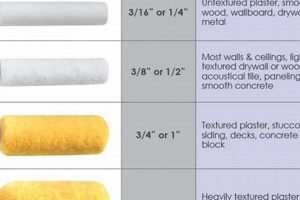
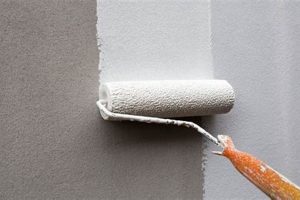
Roller application requires selecting the appropriate roller nap for the surface texture and coating type. Overlapping roller strokes and maintaining a wet edge are essential for avoiding visible seams and uneven coverage. Excessive roller pressure can lead to air bubbles and a textured surface.
- Surface Preparation and Cleanliness
Prior to any application, the surface must be meticulously cleaned and prepared. Contaminants such as dust, grease, or residue can interfere with adhesion and create imperfections in the final surface. Proper surface preparation is integral to ensuring optimal results, regardless of the chosen application method.
These application techniques collectively contribute to the final outcome. Each technique requires specific skills and careful attention to detail to ensure a durable and aesthetically pleasing result. Mastering these skills ensures the realization of the coating’s full potential, maximizing both its protective and visual properties on household items.
5. Curing Time

Curing time, the duration required for a coating to achieve its full hardness, chemical resistance, and adhesion properties, is inextricably linked to the performance and longevity of applied coatings on household items. Inadequate curing directly compromises the integrity of the finish, rendering it susceptible to damage and premature failure. For instance, a table top treated with a catalyzed varnish and placed into service before the full curing period elapses is more likely to sustain scratches, water rings, and chemical stains than one that has been allowed to cure completely. The chemical reactions inherent in the curing process must be allowed to progress to completion for optimal results.
The duration of the curing period varies significantly depending on the type of coating, ambient temperature, humidity levels, and film thickness. Coatings based on alkyd resins generally require longer curing times than those based on acrylic or polyurethane chemistries. Lower temperatures and higher humidity levels retard the curing process, while thicker films may require extended periods to fully harden. Forced-air drying and the use of heat lamps can accelerate the curing process, but these techniques must be carefully controlled to avoid damaging the surface. Failure to account for these variables can result in a coating that remains soft, tacky, or prone to solvent entrapment, even after extended drying times.
In summary, curing time is a critical and often overlooked aspect of household item treatment. Strict adherence to manufacturer’s recommendations regarding curing time is essential to achieving optimal durability, chemical resistance, and aesthetic performance. While accelerating the curing process may be tempting, it is crucial to proceed with caution and to ensure that the coating has fully cross-linked before placing the item into service. The long-term benefits of proper curing far outweigh the short-term convenience of expedited use, ensuring a durable and aesthetically pleasing surface for years to come.
6. Aesthetic Appeal

Aesthetic appeal represents a fundamental component influencing the selection and application of coatings on household items. The inherent capacity to enhance the visual qualities of furniture, aligning with contemporary design trends or individual preferences, directly contributes to the perceived value and desirability of treated pieces. The selection of color, gloss level, and texture are all deliberate choices made to evoke specific aesthetic responses. For example, the application of a distressed chalk treatment to a vintage dresser aims to create a rustic, antique aesthetic, while a high-gloss lacquer on modern cabinets seeks to convey a sense of sophistication and elegance. The success of any furniture treatment is inextricably linked to its ability to enhance the piece’s aesthetic qualities.
The relationship between coating selection and aesthetic impact extends beyond mere visual considerations. Tactile qualities, such as smoothness or texture, also contribute significantly to the overall aesthetic experience. A finely sanded and polished surface invites touch and conveys a sense of quality craftsmanship. Furthermore, the durability and resistance to wear directly influence long-term aesthetic appeal. A treatment that readily scratches or stains diminishes the visual appeal of the piece, necessitating frequent maintenance or repair. Therefore, the selection of coatings must consider not only initial aesthetic impact but also the long-term preservation of visual qualities.
In conclusion, aesthetic appeal is an integral consideration in the selection and application of coatings. The capacity to enhance the visual qualities of furniture, aligning with contemporary trends and individual preferences, contributes significantly to the perceived value and desirability of treated pieces. A thorough understanding of color theory, gloss levels, texture, and durability is essential for achieving optimal aesthetic results. Prioritizing aesthetic appeal, alongside functional considerations, ensures the enduring beauty and value of household items. While challenges may arise in balancing aesthetic preferences with practical requirements, the ultimate goal remains to create a visually pleasing and durable surface that enhances the overall living environment.
Frequently Asked Questions
This section addresses common inquiries concerning the selection, application, and maintenance of coatings applied to household items. The following questions and answers provide guidance based on established best practices and technical considerations.
Question 1: What factors influence the selection of an appropriate coating for wooden household items?
Several factors dictate the optimal choice, including the type of wood, the intended use of the item, and the desired aesthetic. Softwoods generally require priming to prevent excessive absorption, while hardwoods may benefit from a sealant to enhance smoothness. Items subjected to frequent use or exposure to moisture necessitate coatings with superior durability and water resistance.
Question 2: How critical is surface preparation prior to application?
Surface preparation is paramount. The presence of existing treatments, dirt, or imperfections compromises adhesion and longevity. Sanding, cleaning, and priming create a receptive surface, ensuring uniform application and optimal performance.
Question 3: What are the advantages and disadvantages of water-based versus oil-based coatings?
Water-based products offer lower VOC emissions, faster drying times, and ease of cleanup. However, they may exhibit less durability and require more coats to achieve equivalent coverage compared to oil-based products. Oil-based products provide enhanced durability and leveling properties but require longer drying times and specialized solvents for cleanup.
Question 4: How does ambient temperature and humidity affect the application process?
Extreme temperatures and high humidity levels impede drying and curing, potentially leading to runs, sags, or a compromised surface. Maintaining moderate temperatures and adequate ventilation promotes uniform drying and optimal film formation.
Question 5: Is sanding between coats necessary?
Light sanding between coats with fine-grit sandpaper (e.g., 320-grit or higher) removes minor imperfections and creates a smoother surface for subsequent layers. This practice enhances the final aesthetic appearance and ensures optimal intercoat adhesion.
Question 6: How long should the coating cure before the item is put into regular use?
The curing time varies depending on the coating type, ambient conditions, and film thickness. Adhering to the manufacturer’s recommendations is crucial to ensure the coating achieves its full hardness, chemical resistance, and adhesion properties. Premature use can damage the surface and compromise its protective qualities.
The selection, application, and maintenance of surface treatments for household items require careful consideration of several factors. Adherence to established best practices and manufacturer’s recommendations ensures optimal performance and longevity.
The subsequent section will delve into troubleshooting common problems encountered during the application of surface treatments, providing practical solutions for achieving professional results.
Paint Finish for Furniture
This exploration has underscored the critical role that a quality paint finish plays in both the preservation and enhancement of household pieces. From meticulous surface preparation to the nuanced selection of appropriate application techniques, each stage contributes to the ultimate durability and aesthetic appeal. Factors such as adhesion strength, curing time, and the inherent properties of the chosen coating medium are not merely details but fundamental determinants of the long-term performance and visual impact.
The informed application of surface treatments, therefore, represents a significant investment in the longevity and aesthetic value of household items. Continued advancements in material science and application methodologies promise further refinements in protective capabilities and visual possibilities. Prioritizing knowledge, technique, and diligent execution remains paramount for achieving optimal results and ensuring the enduring beauty of treated furniture.