A specific surface treatment applied to aluminum, imparting a low-gloss, matte appearance. This subdued sheen is achieved through mechanical or chemical processes that create microscopic irregularities on the metal’s surface, scattering light rather than reflecting it directly. One might observe this treatment on architectural components, appliance housings, or electronic device casings.
The application of this surface refinement provides numerous advantages. It effectively minimizes glare and fingerprints, enhancing the aesthetic appeal and maintaining a cleaner appearance. Furthermore, it can offer improved scratch resistance compared to polished surfaces, contributing to the longevity of the treated material. Its understated elegance has made it a popular choice in both modern and classic designs across diverse industries. Historically, matte metal finishes have been valued for their ability to conceal imperfections and project an image of understated quality.
Understanding the characteristics and benefits of this treatment is crucial when selecting materials for various applications. The subsequent sections will delve deeper into specific applications, detailing the processes involved in its creation, and comparing its properties to alternative surface treatments available for aluminum.
Practical Considerations for Specifying a Matte Aluminum Surface
The following recommendations provide guidance for achieving optimal results when incorporating a specific low-gloss aluminum surface into project designs and manufacturing processes.
Tip 1: Surface Preparation is Paramount: Prior to applying the finishing process, ensure the aluminum substrate is free of contaminants, scratches, or imperfections. Inadequate preparation can result in inconsistencies in the final appearance.
Tip 2: Select the Appropriate Application Method: Mechanical abrasion, chemical etching, and powder coating are viable options. The chosen method should align with the desired texture and durability requirements.
Tip 3: Consider Alloy Selection: Different aluminum alloys respond differently to the finishing process. Research alloy compatibility to ensure the intended aesthetic and performance characteristics are achieved. For example, alloys with higher silicon content may exhibit variations in color or texture.
Tip 4: Establish Consistent Process Controls: Maintain strict control over process parameters such as abrasive grit size, chemical concentrations, and dwell times to ensure uniformity in the final product.
Tip 5: Specify Tolerances Clearly: Define acceptable variations in gloss level and surface roughness to avoid ambiguity and ensure consistent results across production batches. Use standardized gloss meters and surface profilometers for objective measurement.
Tip 6: Protect the Finished Surface During Handling and Installation: Implement measures to prevent scratching or damage to the finished surface during handling, transportation, and installation. Protective films or careful packaging can mitigate risks.
Tip 7: Consider Environmental Factors: Evaluate the intended environment of the finished product. Exposure to harsh chemicals, UV radiation, or extreme temperatures may necessitate additional protective coatings or surface treatments.
Adhering to these suggestions will facilitate the successful integration of a matte-finished aluminum material, ensuring both aesthetic appeal and long-term performance.
The concluding sections will address maintenance strategies and explore potential future innovations in aluminum surface treatment technologies.
1. Aesthetic Appeal

The inherent visual characteristics of aluminum, when coupled with specific surface treatments, exert a significant influence on the perceived aesthetic quality of manufactured goods. The interplay between material properties and surface finish dictates the overall impression conveyed by a product, directly impacting its market appeal and perceived value.
- Subdued Reflectivity
Unlike polished aluminum, the finish in question significantly reduces glare and reflection. This matte appearance offers a sophisticated, understated visual that is less prone to showing fingerprints and smudges. Examples include high-end audio equipment and architectural cladding where a subtle, non-obtrusive aesthetic is desired.
- Textural Depth
The micro-irregularities imparted onto the aluminum surface during the finishing process introduce a subtle tactile element. This textural quality adds visual depth and complexity, enhancing the perceived quality and craftsmanship. This is often leveraged in consumer electronics casings and furniture design.
- Color Uniformity
This method promotes a more uniform and consistent color appearance compared to brushed or polished finishes. The diffuse reflection minimizes variations in color perception across different viewing angles, ensuring a cohesive aesthetic. This feature is particularly beneficial in large-scale applications such as building facades.
- Modern Versatility
The neutral and adaptable nature of this finish complements a wide range of design styles, from minimalist and contemporary to industrial and classic. Its versatility allows it to seamlessly integrate into diverse aesthetic contexts, making it a preferred choice for designers seeking a timeless and adaptable material finish.
The aforementioned facets highlight the pivotal role that surface refinement plays in shaping the aesthetic perception of aluminum products. The treatment not only enhances visual appeal through its subdued reflectivity and textural depth but also provides practical benefits such as improved color uniformity and versatility, making it a valuable asset in numerous design applications.
2. Corrosion Resistance

The inherent resistance of aluminum to corrosion is a critical factor in its selection for various applications. Surface treatments, such as the application of a matte texture, can significantly influence this property, either enhancing or, if improperly executed, diminishing its protective capabilities.
- Formation of a Protective Oxide Layer
Aluminum naturally forms a thin, adherent oxide layer upon exposure to air. This layer acts as a barrier, preventing further oxidation and corrosion of the underlying metal. Surface finishing processes can impact the integrity and thickness of this layer, influencing the overall corrosion resistance. For example, controlled chemical etching used to create a subdued gloss can promote a more uniform and stable oxide layer compared to mechanical abrasion that might introduce microscopic imperfections.
- Minimizing Surface Imperfections
Corrosion often initiates at surface defects such as scratches, pits, or inclusions. A properly applied refinement can minimize these imperfections, reducing the potential for corrosion initiation sites. The microscopic texture diffuses light and reduces the visibility of imperfections that might otherwise accelerate corrosion processes. Examples include architectural panels and automotive trim where long-term exposure to environmental elements necessitates a smooth, corrosion-resistant surface.
- Enhanced Coating Adhesion
Surface preparations used to achieve a matte effect can improve the adhesion of subsequent coatings, such as paints or powder coatings. Enhanced coating adhesion provides an additional barrier against corrosive agents, further enhancing the overall corrosion protection. This is particularly relevant in marine or industrial environments where aluminum components are exposed to harsh chemicals and salt spray.
- Galvanic Compatibility Considerations
When aluminum is used in conjunction with dissimilar metals, galvanic corrosion can occur. Surface treatments, including those that produce a subdued appearance, can influence the galvanic compatibility of aluminum with other materials. Careful selection of materials and surface treatments is crucial to minimize the risk of galvanic corrosion in assemblies exposed to electrolytes. For example, anodizing, often used in conjunction with this finish, can provide an insulating barrier to prevent galvanic interaction.
The relationship between surface texture and corrosion resistance is complex and multifaceted. While the inherent properties of aluminum contribute significantly to its corrosion resistance, the application of a subdued gloss requires careful process control and material selection to ensure that the finishing process enhances, rather than compromises, the metal’s protective characteristics. Consideration of environmental factors and potential galvanic interactions is essential for long-term performance.
3. Durability Enhancement

The application of a specific low-gloss treatment to aluminum surfaces is intrinsically linked to the overall durability of the material. The alteration of the surface microstructure yields significant improvements in resistance to wear, abrasion, and other forms of mechanical degradation. The resulting enhanced longevity is a critical factor in applications requiring sustained performance under demanding conditions.
- Scratch Resistance Augmentation
The texturing process creates a surface that is less prone to visible scratching compared to polished alternatives. Scratches, when they do occur, are less noticeable due to the diffuse reflection of light. This characteristic is particularly relevant in high-traffic areas or applications where incidental contact is likely, such as architectural hardware and public transportation interiors.
- Abrasion Resistance Improvement
The surface modification can increase the material’s resistance to abrasion, the gradual wearing away by friction. The textured surface distributes frictional forces more evenly, minimizing localized wear and tear. Applications benefiting from this attribute include sliding door frames and components in industrial machinery.
- Reduced Fingerprint Visibility
The matte surface minimizes the visibility of fingerprints and smudges, maintaining a cleaner appearance and reducing the need for frequent cleaning. This is a significant advantage in consumer electronics and appliance applications where aesthetics and ease of maintenance are paramount.
- Enhanced Adhesion of Protective Coatings
The creation of a micro-textured surface can enhance the adhesion of subsequent protective coatings, such as paints or clear coats. Improved coating adhesion provides an additional barrier against environmental degradation and mechanical damage, further extending the service life of the treated aluminum component. This is critical in applications involving prolonged exposure to harsh environments, such as marine or industrial settings.
The enhanced durability conferred by this low-gloss treatment significantly extends the service life of aluminum components. The resistance to scratches, abrasion, and the reduced visibility of blemishes contribute to a prolonged aesthetic appeal, while improved coating adhesion offers an additional layer of protection against environmental factors. These factors collectively enhance the overall value and suitability of the treated aluminum for a wide range of demanding applications.
4. Manufacturing Processes

The attainment of a specific matte appearance on aluminum surfaces necessitates a precise and controlled sequence of manufacturing processes. These processes dictate the final texture, uniformity, and durability of the finish, impacting its suitability for various applications. Selection and optimization of these processes are crucial for achieving the desired aesthetic and performance characteristics.
- Mechanical Abrasion
This process involves the use of abrasive materials, such as brushes, pads, or belts, to create microscopic scratches on the aluminum surface. The grit size and pressure applied determine the degree of matte appearance achieved. Examples include using orbital sanders with fine-grit sandpaper to create a uniform, non-reflective surface on architectural extrusions or applying abrasive wheels to automotive trim components. Improper control of pressure or grit size can lead to uneven finishes or excessive material removal.
- Chemical Etching
Chemical etching utilizes acidic or alkaline solutions to selectively dissolve the aluminum surface, creating a uniform matte texture. The concentration of the etchant, immersion time, and temperature are critical parameters. This process is often employed in the production of electronic enclosures and decorative panels. Inadequate rinsing after etching can result in residual chemicals that compromise corrosion resistance.
- Bead Blasting
Bead blasting involves propelling small beads of glass, ceramic, or steel onto the aluminum surface. The impact of the beads creates a peened effect, resulting in a uniform, non-reflective texture. Bead blasting is frequently used in the aerospace and automotive industries. The choice of bead material and air pressure affects the final surface roughness and potential for surface contamination.
- Powder Coating with Matte Topcoat
This two-step process involves applying a pigmented powder coating to the aluminum substrate, followed by a matte clear coat. The matte clear coat diffuses light, creating the desired non-reflective appearance. Powder coating is often used on architectural elements and outdoor furniture. The thickness and application uniformity of both layers influence the final appearance and durability of the finish.
The selection of the appropriate manufacturing process depends on factors such as production volume, cost constraints, desired surface roughness, and the specific aluminum alloy being used. Each method offers distinct advantages and limitations, requiring careful consideration to achieve the desired matte appearance while maintaining the integrity and performance characteristics of the aluminum substrate.
5. Application Versatility

The adaptability of aluminum surface treatments, particularly a specific matte refinement, significantly broadens its applicability across diverse industries. This versatility stems from the finish’s ability to meet both aesthetic and functional requirements, enabling its integration into various product designs and environments.
- Architectural Applications
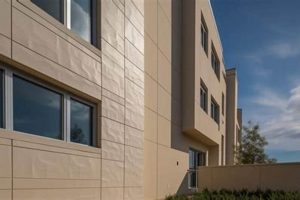
In architecture, the material provides a consistent, non-glare surface for cladding, curtain walls, and interior paneling. Its ability to diffuse light reduces visual distractions and maintains a uniform appearance across large surfaces. Examples include office building facades and museum interiors, where aesthetics and functionality are equally important. The durability of the finish also makes it suitable for exterior applications exposed to varying weather conditions.
- Consumer Electronics
The finish lends a premium aesthetic to consumer electronics such as laptops, smartphones, and audio equipment. Its resistance to fingerprints and smudges maintains a clean appearance, enhancing the user experience. This surface treatment is often favored for its ability to convey a sense of sophistication and durability, aligning with the perceived value of high-end electronics.
- Automotive Industry
In the automotive sector, the material is used for interior trim, exterior accents, and functional components. Its scratch resistance and resistance to corrosion make it suitable for automotive environments. Examples include dashboard panels, door handles, and exterior badging, where both aesthetics and durability are critical. The finish also provides a uniform base for subsequent coatings and paints.
- Lighting Fixtures
The reflective properties of aluminum, when combined with a subdued gloss, make it suitable for lighting fixtures. The finish diffuses light evenly, reducing glare and creating a more comfortable and visually appealing lighting environment. This is particularly relevant in commercial and residential lighting applications, where controlling light distribution is essential for both functionality and aesthetics.
The widespread use of aluminum with this matte treatment across these diverse sectors underscores its adaptability and appeal. The ability to meet both aesthetic preferences and functional requirements, such as durability and corrosion resistance, ensures its continued relevance in various manufacturing and design contexts.
Frequently Asked Questions
The following section addresses common inquiries and clarifies pertinent aspects of surfaces that have undergone the application of a specific low-gloss aluminum treatment. The information is presented to provide a comprehensive understanding of its properties, applications, and maintenance.
Question 1: What distinguishes this surface treatment from polished aluminum?
This finish is characterized by its low-gloss, matte appearance, achieved through mechanical or chemical processes that create microscopic surface irregularities. Polished aluminum, conversely, exhibits a highly reflective, mirror-like surface achieved through extensive buffing and polishing.
Question 2: Does the application of a satin treatment affect the corrosion resistance of aluminum?
When properly executed, this treatment can enhance corrosion resistance by creating a more uniform and stable oxide layer. However, improper execution, such as inadequate rinsing after chemical etching, can compromise corrosion resistance.
Question 3: Is a low-gloss sheen surface more prone to scratching than other aluminum finishes?
The textured surface of the finish is less prone to visible scratching compared to polished alternatives. Scratches, when they do occur, are less noticeable due to the diffuse reflection of light.
Question 4: What are the typical maintenance requirements for aluminum treated with this refinement?
Maintenance typically involves periodic cleaning with a mild detergent and water. Abrasive cleaners should be avoided, as they can damage the finish. Protective coatings can be applied to further enhance durability and ease of maintenance.
Question 5: Can this finishing be applied to all aluminum alloys?
While the finish can be applied to a wide range of aluminum alloys, the results can vary depending on the alloy’s composition and characteristics. Alloys with higher silicon content, for example, may exhibit variations in color or texture.
Question 6: Is this treatment suitable for outdoor applications?
Yes, the corrosion resistance and durability of the treatment make it suitable for outdoor applications. However, the long-term performance will depend on the specific environmental conditions and the application of any additional protective coatings.
In summary, the matte-like aluminum surface offers a compelling balance of aesthetic appeal, durability, and corrosion resistance, making it a versatile choice for numerous applications. Proper selection of manufacturing processes and careful maintenance practices are essential for maximizing its benefits.
The concluding section will explore potential future innovations in aluminum surface treatment technologies and their implications for design and manufacturing.
Conclusion
This exploration has illuminated the multifaceted characteristics of aluminum treated to achieve a low-gloss, matte surface. Key aspects examined encompass its aesthetic appeal, enhanced corrosion resistance, and improved durability. The diverse manufacturing processes employed to attain this finish, ranging from mechanical abrasion to chemical etching, were detailed, alongside a survey of its versatile applications across architectural, consumer electronic, and automotive domains.
The continued advancement in aluminum surface treatment technologies promises to further refine the properties and broaden the applications of materials finished in this manner. Professionals involved in material selection and design should remain abreast of these developments to leverage the full potential of this versatile finish in future projects. Its balance of aesthetics and performance ensures its continued relevance in demanding applications.