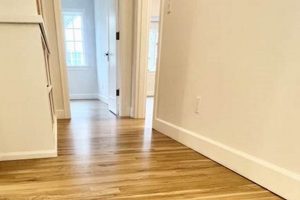
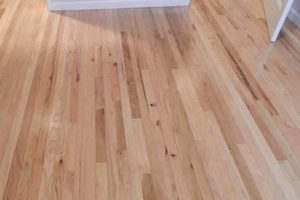
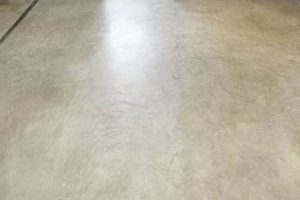
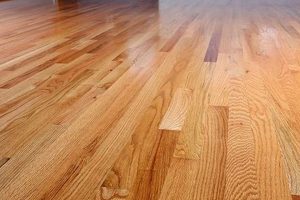
A coating system formulated with water as its primary solvent, designed to protect and enhance the appearance of flooring surfaces, is a common choice for both residential and commercial applications. These products typically consist of acrylic or polyurethane resins dispersed in water, creating a durable film upon drying. For example, a homeowner might select this type of coating to protect hardwood floors in a living room, due to its relatively low odor and ease of application.
The utilization of such products offers several advantages. Their low volatile organic compound (VOC) content contributes to improved indoor air quality, aligning with environmental sustainability goals. Furthermore, these finishes often exhibit good abrasion resistance and clarity, preserving the natural beauty of the underlying flooring material. Historically, solvent-based coatings were the standard, but growing environmental awareness and stricter regulations have fueled the increased adoption of water-based alternatives.
The following sections will delve into the specific characteristics, application techniques, maintenance procedures, and performance considerations associated with these aqueous coating solutions for floor protection. These considerations are essential for informed decision-making when selecting a floor finishing solution.
Key Considerations for Aqueous Floor Coating Systems
Effective application and maintenance of aqueous floor coating systems are crucial for achieving optimal performance and longevity. The following points outline essential considerations to ensure a successful outcome.
Tip 1: Surface Preparation is Paramount: Adhesion of the aqueous coating relies heavily on a properly prepared substrate. Ensure the floor is thoroughly cleaned, free of contaminants (wax, grease, dust), and properly abraded to promote mechanical bonding. For example, sanding hardwood floors with progressively finer grits is essential before applying the finish.
Tip 2: Controlled Application Environment: Environmental factors, particularly temperature and humidity, significantly impact the drying and curing process. Maintain the manufacturer’s recommended conditions during application and for the specified curing period. High humidity can prolong drying time and affect the film’s clarity.
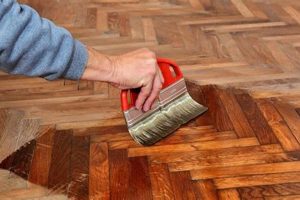
Tip 3: Thin, Even Coats are Superior: Multiple thin coats of the aqueous coating generally yield a stronger and more visually appealing finish than a single thick coat. Thick coats can lead to uneven drying, bubbling, and reduced abrasion resistance. Apply each coat uniformly using appropriate applicators, such as microfiber pads or brushes designed for water-based finishes.
Tip 4: Inter-Coat Abrasion Enhances Adhesion: Lightly abrade the surface between coats after the previous coat has fully dried and cured. This creates a mechanical key for subsequent coats to adhere to, increasing overall durability. Use fine-grit sandpaper or a sanding screen for this process.
Tip 5: Allow Adequate Curing Time: The finish requires sufficient time to fully cure before heavy traffic or furniture placement. Adhering to the manufacturer’s recommended curing schedule is critical for achieving optimal hardness and chemical resistance. Premature use can damage the uncured finish.
Tip 6: Regular Maintenance Protects the Investment: Implement a regular cleaning and maintenance schedule using products specifically formulated for aqueous floor coatings. Avoid harsh chemicals or abrasive cleaners that can damage the finish. Use walk-off mats to minimize dirt and grit tracked onto the floor.
Tip 7: Understand Product-Specific Recommendations: Different aqueous floor coating systems have varying properties and application requirements. Always consult the manufacturer’s technical data sheets for specific instructions and recommendations regarding surface preparation, application techniques, and maintenance procedures. Deviations from these guidelines can compromise the performance of the finish.
Implementing these considerations helps to maximize the protective qualities and aesthetic appeal of water based floor finish, increasing the lifespan and maintaining the quality of the flooring surface.
The next section will address common issues encountered with these coating systems and provide troubleshooting solutions to achieve desired outcomes.
1. Low VOC Emissions

The adoption of aqueous floor finishing systems is intrinsically linked to the reduction of volatile organic compound (VOC) emissions. Traditional solvent-based floor finishes release significant quantities of VOCs into the atmosphere during application and curing. These VOCs contribute to photochemical smog formation and pose potential health risks to occupants and applicators. Aqueous coatings, by employing water as the primary solvent, inherently minimize VOC content. The shift towards these finishes directly addresses concerns related to air quality regulations and the demand for environmentally responsible building materials.
The importance of minimal VOC release in floor coatings extends beyond regulatory compliance. It directly influences the indoor environmental quality of occupied spaces. Lower VOC levels translate to reduced exposure to potentially harmful chemicals, which is particularly pertinent in sensitive environments such as schools, hospitals, and residences occupied by individuals with respiratory sensitivities. The practical significance of this understanding is exemplified by the increasing prevalence of certifications and labeling programs that identify and promote low-VOC products, guiding consumers and specifiers towards healthier and more sustainable options. For instance, a school choosing an aqueous floor finish over a solvent-based alternative contributes directly to a healthier learning environment for students and staff.
In conclusion, the connection between aqueous floor finishes and low VOC emissions represents a significant advancement in flooring technology. The reduced environmental impact and improved indoor air quality associated with these systems are driving their widespread adoption across various sectors. While challenges related to performance characteristics compared to traditional finishes may exist, ongoing research and development are continuously improving the capabilities of aqueous coatings, solidifying their role as a cornerstone of sustainable building practices.
2. Application Techniques

The successful utilization of aqueous floor coatings hinges significantly on employing appropriate application techniques. Deviations from recommended procedures can lead to premature failure of the finish, compromising its protective qualities and aesthetic appeal. The following points detail critical aspects of application.
- Surface Preparation Protocols
Proper preparation is paramount for adequate adhesion. This involves thoroughly cleaning the substrate to remove contaminants such as dust, grease, and previous coatings. Abrading the surface, typically through sanding, creates a mechanical profile that facilitates bonding with the aqueous finish. Inadequate surface preparation is a common cause of finish delamination, leading to costly repairs. For instance, failing to remove residual wax from a previously waxed floor will impede the adhesion of even the highest-quality aqueous coating.
- Environmental Control Considerations
Environmental conditions, particularly temperature and humidity, significantly influence the drying and curing process of aqueous coatings. High humidity can prolong drying times, increasing the risk of defects such as clouding or blushing. Extremes in temperature can also affect the viscosity of the finish, making it difficult to apply evenly. Manufacturers typically specify optimal temperature and humidity ranges for application; adhering to these guidelines is essential for achieving a uniform and durable finish. Failing to maintain the recommended conditions may result in a compromised coating with reduced abrasion resistance.
- Application Method and Equipment Selection
The choice of application method and equipment impacts the uniformity and thickness of the applied coating. Options include brushes, rollers, and specialized applicators designed for aqueous finishes. The selection should be based on the size and complexity of the area being coated, as well as the viscosity of the finish. Incorrect equipment can lead to streaking, pooling, or uneven film thickness. For example, using a low-quality roller can introduce air bubbles into the finish, resulting in a visually unappealing surface. Proper technique, such as maintaining a wet edge and avoiding excessive pressure, is crucial regardless of the equipment used.
- Curing Process Management
The curing process allows the aqueous finish to achieve its full hardness and chemical resistance. Disrupting the curing process, such as by exposing the finish to heavy traffic or cleaning agents too soon, can permanently damage the coating. Manufacturers specify a curing schedule that outlines the recommended timeframes for light foot traffic, furniture placement, and full-use conditions. Adhering to this schedule is critical for maximizing the long-term performance of the finish. Premature use can lead to scratching, staining, and reduced overall durability.
These application techniques, when implemented meticulously, contribute significantly to the success of the aqueous floor coating system. Proper surface preparation, environmental control, appropriate equipment usage, and adherence to the curing schedule are all essential for achieving a durable, aesthetically pleasing, and long-lasting finish. Neglecting any of these aspects can compromise the integrity of the coating and ultimately necessitate premature repairs or replacement.
3. Durability Expectations

Durability expectations are a critical factor influencing the selection and application of aqueous floor finishes. The anticipated level of wear and tear a floor surface will endure directly dictates the type of aqueous finish required. Higher traffic areas, such as commercial spaces or hallways, necessitate finishes formulated for superior abrasion resistance and impact strength. Failure to match the product’s capabilities with the intended use results in premature degradation of the finish, necessitating costly repairs or replacement. For example, an aqueous finish designed for residential use will likely exhibit inadequate performance when subjected to the heavy foot traffic and potential for spills common in a restaurant setting. The appropriate selection process therefore integrates a thorough assessment of environmental stressors and anticipated usage intensity.
The fulfillment of durability expectations for aqueous floor finishes involves several contributing elements beyond the inherent properties of the coating itself. Substrate preparation, application techniques, and ongoing maintenance practices all play crucial roles. Even the most durable aqueous finish will fail prematurely if applied to a poorly prepared surface or subjected to harsh cleaning chemicals. The industry provides specific guidelines for substrate preparation, including cleaning, sanding, and priming, tailored to different flooring materials. Adherence to these guidelines, coupled with meticulous application techniques, is essential for maximizing the lifespan and protective capabilities of the finish. Regular maintenance, including routine cleaning with appropriate products, further contributes to achieving the desired level of long-term durability.
In conclusion, aligning durability expectations with the selection and application of water based floor finish is essential for achieving optimal performance and minimizing life-cycle costs. A comprehensive approach that considers the intended use, environmental conditions, application protocols, and maintenance practices is critical for ensuring the longevity and protective qualities of the finished floor. Furthermore, ongoing research and development in aqueous coating technology continue to improve their durability characteristics, making them an increasingly viable option for a wider range of applications. Understanding the inherent limitations and proper application methodologies ensures that the chosen finish meets the specified durability criteria, thereby maximizing the return on investment.
4. Maintenance Protocols

The longevity and aesthetic appeal of water based floor finish are intrinsically linked to the implementation of effective maintenance protocols. These protocols encompass a range of cleaning and care procedures designed to protect the finish from premature wear and degradation. The selection and frequency of these procedures must be tailored to the specific type of finish applied and the environmental conditions to which the floor is exposed. Without diligent adherence to appropriate maintenance guidelines, even the highest-quality water based floor finish will exhibit diminished performance and require more frequent restoration.
- Regular Cleaning Schedules
Establishing a consistent cleaning schedule is fundamental to preserving the integrity of water based floor finish. Regular removal of dirt, dust, and debris prevents the accumulation of abrasive particles that can scratch and dull the surface. The frequency of cleaning should be dictated by the traffic volume and exposure to environmental contaminants. For instance, a high-traffic commercial space will require more frequent cleaning than a residential setting. The use of appropriate cleaning tools, such as microfiber mops and soft-bristled brooms, minimizes the risk of surface damage. Improper cleaning practices, such as using abrasive scrub pads, can compromise the finish and necessitate premature refinishing.
- Appropriate Cleaning Solutions
The selection of cleaning solutions is a critical aspect of maintenance protocols. Water based floor finishes are often susceptible to damage from harsh chemicals and abrasive cleaners. The use of pH-neutral cleaning solutions specifically formulated for these types of finishes is recommended. Avoid products containing ammonia, bleach, or solvents, as these can strip the finish and leave the floor vulnerable to staining and damage. Furthermore, it is important to use cleaning solutions sparingly, as excessive moisture can penetrate the finish and cause swelling or warping of the underlying flooring material. The use of concentrated cleaning solutions requires careful dilution to avoid adverse effects.
- Protective Measures
Implementing protective measures helps to minimize wear and tear on water based floor finish. Placement of walk-off mats at entryways traps dirt and debris before they can be tracked onto the floor. Furniture pads placed under the legs of chairs and tables prevent scratching and denting. The avoidance of heavy objects being dragged across the floor further reduces the risk of damage. In commercial settings, the use of floor protectors on wheeled carts and equipment minimizes abrasion from repetitive movements. These proactive measures extend the lifespan of the finish and reduce the need for frequent maintenance.
- Periodic Recoating
Even with diligent maintenance, water based floor finishes will eventually exhibit signs of wear. Periodic recoating involves applying a fresh layer of finish to restore the floor’s appearance and protective qualities. The frequency of recoating depends on the traffic volume and the level of wear experienced by the floor. Recoating is typically less disruptive and less expensive than a full refinishing, which involves sanding down to the bare wood. Regular inspections of the finish allow for timely identification of areas that require recoating. Delaying recoating can lead to more extensive damage, necessitating a full refinishing to restore the floor to its original condition.
These facets of maintenance protocols collectively contribute to the long-term performance and aesthetic preservation of water based floor finish. Effective implementation of these measures requires a comprehensive understanding of the finish’s properties, the environmental conditions to which it is exposed, and the appropriate cleaning and care techniques. Prioritizing proactive maintenance practices minimizes the need for costly repairs and extends the lifespan of the floor, ensuring a lasting investment in the overall appearance and functionality of the space.
5. Cure Time

Cure time is a critical parameter directly influencing the performance characteristics of water based floor finish. The term refers to the duration required for the applied coating to achieve its intended hardness, chemical resistance, and overall durability. The composition of aqueous floor coatings, primarily consisting of water-borne resins, dictates that a significant portion of the cure process involves the evaporation of water. Insufficient cure time directly correlates with a compromised finish, characterized by reduced abrasion resistance and heightened susceptibility to damage. For example, premature exposure to foot traffic or furniture placement on a partially cured floor can result in scratching, denting, and permanent marring of the surface. Understanding the cause-and-effect relationship between cure time and finish integrity is therefore essential for successful application and long-term performance.
The practical significance of adhering to recommended cure times is exemplified by examining the impact on maintenance requirements and lifecycle costs. A fully cured water based floor finish exhibits superior resistance to stains and chemicals, reducing the need for harsh cleaning agents and minimizing the risk of permanent discoloration. Conversely, a finish that has not fully cured is more vulnerable to staining from spills and requires more frequent cleaning interventions. Moreover, inadequate cure time leads to a shortened lifespan of the finish, necessitating more frequent recoating or refinishing. This increased maintenance burden translates to higher costs for labor, materials, and downtime. In a commercial setting, such as a retail store, the inability to fully utilize the floor space during extended cure times represents a significant economic disadvantage. Proper planning and adherence to the manufacturer’s specified cure schedule therefore contribute directly to optimizing the economic benefits of aqueous floor coating systems.
In summary, the relationship between cure time and the performance of water based floor finish is a fundamental consideration for specifiers, applicators, and end-users. Adhering to recommended cure times, typically specified by the manufacturer, is essential for realizing the intended durability, chemical resistance, and aesthetic qualities of the finish. While variations in temperature, humidity, and film thickness can influence the actual cure time, strict adherence to guidelines mitigates the risk of premature failure and maximizes the long-term value of the flooring investment. The challenges associated with managing cure times, particularly in environments with fluctuating conditions, underscore the importance of careful planning and execution to ensure successful outcomes.
6. Sheen Level

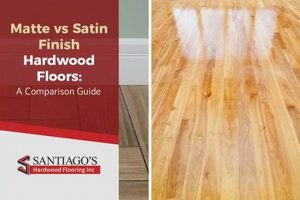
The sheen level of water based floor finish significantly influences both the aesthetic appearance and perceived durability of the flooring surface. Sheen refers to the degree of light reflection from the finished surface, ranging from matte (minimal reflection) to high gloss (maximum reflection). This characteristic is directly determined by the formulation of the finish, specifically the ratio of resin solids to flattening agents. Higher sheen levels, while visually appealing in some applications, tend to accentuate imperfections in the substrate, requiring meticulous surface preparation. Lower sheen levels, conversely, offer greater concealment of minor flaws and provide a more subdued, natural appearance. The selection of an appropriate sheen level is therefore a crucial decision, impacting the overall visual impact and perceived quality of the finished floor.
The practical implications of sheen level extend beyond aesthetics. Higher gloss finishes typically exhibit greater resistance to staining and easier cleaning due to their smoother, less porous surface. However, they are also more prone to showing scratches and scuff marks, necessitating more frequent maintenance to preserve their appearance. Matte finishes, while offering better scratch concealment, may be more susceptible to staining and require more aggressive cleaning techniques. The choice of sheen level, therefore, must consider the anticipated traffic volume and potential for spills and other contaminants. For instance, a high-traffic retail environment might benefit from a high-gloss finish for ease of cleaning, while a residential bedroom might favor a matte finish for its softer, more forgiving appearance.
In conclusion, sheen level constitutes a critical and integral attribute of water based floor finish, directly affecting both its visual appeal and performance characteristics. The optimal selection of sheen level necessitates careful consideration of aesthetic preferences, substrate conditions, anticipated traffic volume, and cleaning protocols. Understanding the trade-offs associated with different sheen levels enables informed decision-making, ensuring a durable, aesthetically pleasing, and long-lasting flooring surface. The integration of these considerations is critical for aligning the selected water based floor finish with the intended application and achieving the desired outcomes.
7. Substrate Compatibility

Substrate compatibility represents a foundational consideration in the application of water based floor finish. The term denotes the ability of the finish to form a durable and lasting bond with the underlying flooring material. The selection of an incompatible finish can result in adhesion failures, premature wear, and compromised aesthetic appeal, rendering the protective coating ineffective. Careful evaluation of substrate characteristics and finish properties is therefore essential for achieving optimal performance and longevity.
- Wood Species and Porosity
Different wood species exhibit varying levels of porosity, which directly influences the absorption rate and adhesion of water based finishes. Open-grained woods, such as oak and ash, require specific priming or sealing treatments to prevent excessive absorption and ensure a uniform finish. Denser woods, such as maple and birch, may present challenges for adhesion due to their lower porosity. A failure to address these species-specific characteristics can lead to uneven color penetration, blistering, or delamination of the finish. For example, applying a standard water based finish directly to an untreated oak floor without a sealer can result in an uneven, blotchy appearance.
- Existing Finishes and Coatings
The presence of existing finishes or coatings on the substrate can significantly impact the compatibility of water based floor finish. The type of existing finish, its age, and its condition all influence the ability of the new finish to bond properly. Incompatible finishes can react chemically, leading to adhesion failures, discoloration, or bubbling. Thorough removal of existing finishes, typically through sanding, is often necessary to ensure proper adhesion of the water based coating. However, certain existing finishes may require specialized removal techniques to avoid damaging the underlying substrate. Attempting to apply a water based finish over an incompatible oil-based polyurethane without proper preparation will likely result in peeling and cracking.
- Moisture Content of the Substrate
The moisture content of the substrate is a critical factor affecting the adhesion and durability of water based floor finish. Excessive moisture can interfere with the curing process, leading to blistering, clouding, or delamination. Water based finishes are particularly sensitive to moisture, as they rely on evaporation for proper curing. It is essential to ensure that the substrate has reached an appropriate moisture content level before applying the finish. This typically involves measuring the moisture content using a moisture meter and allowing the wood to acclimate to the environment. Applying a water based finish to a wood floor with a moisture content above the recommended threshold can result in irreversible damage to the finish and the underlying wood.
- Contaminants and Surface Preparation
The presence of contaminants on the substrate, such as dirt, grease, wax, or cleaning residues, can impede the adhesion of water based floor finish. These contaminants create a barrier between the finish and the substrate, preventing a strong bond from forming. Thorough cleaning and preparation of the surface are therefore essential for ensuring proper adhesion. This typically involves using appropriate cleaning solutions, sanding the surface to create a mechanical profile, and removing any residual dust or debris. Neglecting to properly clean and prepare the substrate can result in adhesion failures and a compromised finish. Applying a water based finish to a floor that has not been properly cleaned of grease will result in poor adhesion and premature wear in high-traffic areas.
These considerations underscore the importance of careful assessment and preparation when selecting and applying water based floor finish. Proper substrate compatibility, achieved through meticulous preparation and appropriate product selection, is a cornerstone of achieving a durable, aesthetically pleasing, and long-lasting flooring surface. The failure to address these compatibility factors can result in costly repairs, premature wear, and diminished performance of the finish, negating the benefits of using a water based system.
Frequently Asked Questions about Water Based Floor Finish
The following questions address common inquiries regarding water based floor finish, offering concise and informative responses.
Question 1: What distinguishes water based floor finish from its solvent-based counterparts?
Water based floor finish utilizes water as its primary solvent, resulting in lower volatile organic compound (VOC) emissions compared to solvent-based finishes. This characteristic contributes to improved indoor air quality and reduced environmental impact.
Question 2: How does the durability of water based floor finish compare to solvent-based options?
While early water based finishes were often perceived as less durable, advancements in resin technology have significantly improved their abrasion resistance and overall longevity. High-quality water based finishes can now rival the performance of many solvent-based products, especially when properly applied and maintained.
Question 3: What are the key steps involved in preparing a floor for the application of water based finish?
Proper preparation is essential for optimal adhesion. This includes thoroughly cleaning the floor to remove contaminants, sanding to create a suitable surface profile, and ensuring the substrate is dry and free of dust. Specific preparation requirements may vary depending on the flooring material and the previous finish, if any.
Question 4: What is the recommended method for applying water based floor finish?
The recommended method typically involves applying multiple thin coats of finish, using a high-quality applicator designed for water based products. Maintaining a wet edge, avoiding excessive overlap, and allowing sufficient drying time between coats are crucial for achieving a uniform and durable finish.
Question 5: What cleaning products are appropriate for maintaining water based floor finish?
Use pH-neutral cleaning solutions specifically formulated for water based floor finishes. Avoid abrasive cleaners, harsh chemicals, and excessive water, as these can damage the finish and compromise its protective properties. Regular sweeping or vacuuming to remove dirt and debris is also recommended.
Question 6: How long does it typically take for water based floor finish to fully cure?
The cure time can vary depending on the specific product, environmental conditions, and application thickness. Consult the manufacturer’s instructions for recommended cure times. In general, allow at least 24-72 hours for light foot traffic and several days for full cure before placing furniture or subjecting the floor to heavy use.
These FAQs provide a general overview of common questions regarding aqueous floor coating systems. Always consult manufacturer guidelines for specific product recommendations and application procedures.
The following section will examine potential challenges and offer insights for successful implementation.
Conclusion
This exploration has addressed critical aspects of water based floor finish, emphasizing considerations ranging from substrate preparation and application techniques to durability expectations and maintenance protocols. Understanding the nuanced properties of these finishes, particularly concerning VOC emissions, cure times, and sheen levels, is paramount for successful implementation. The selection of a compatible finish, coupled with adherence to manufacturer guidelines, remains essential for achieving optimal performance and longevity.
The decision to utilize water based floor finish represents a commitment to both environmental responsibility and flooring performance. Continued advancements in resin technology promise further enhancements in durability and ease of application. Careful evaluation of specific needs and a thorough understanding of best practices will maximize the return on investment, ensuring a lasting and aesthetically pleasing flooring solution for diverse applications.