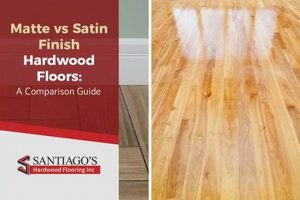
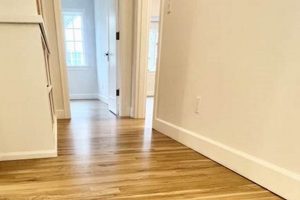
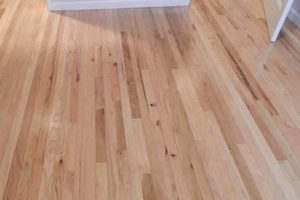
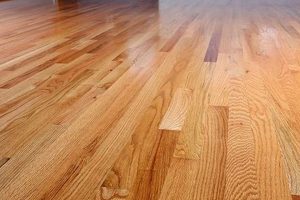
Wood floor coatings are available in a spectrum of sheens, impacting both aesthetics and practical performance. Two popular options are satin and semi-gloss. Satin finishes exhibit a low level of reflectivity, producing a soft, muted appearance. Semi-gloss finishes, in contrast, possess a higher degree of light reflection, resulting in a shinier and more lustrous surface.
The choice between these sheens significantly influences the perceived cleanliness, durability, and overall ambiance of a space. A lower sheen can mask imperfections and daily wear-and-tear more effectively, while a higher sheen can enhance the perception of brightness and spaciousness. Historically, sheen levels were limited by available technology; modern advancements allow for a wider range of durable and visually appealing options to suit diverse design preferences.
Understanding the distinctions in appearance, maintenance requirements, and suitability for specific environments is crucial when selecting the appropriate coating for wood flooring. Factors to consider include the desired aesthetic, the level of foot traffic, and the amount of natural light present in the room.
Guidance on Selecting Wood Floor Coating Sheen
Considerations when choosing between satin and semi-gloss coatings impact the long-term appearance and maintenance of wood flooring.
Tip 1: Evaluate Ambient Lighting: High levels of natural light will accentuate the sheen of semi-gloss, potentially revealing imperfections. Satin finishes perform better in brightly lit spaces where minimizing glare is desirable.
Tip 2: Assess Foot Traffic: Higher traffic areas benefit from the increased durability of semi-gloss, which typically offers greater resistance to scratches and scuffs. However, scratches may be more visible due to the reflective surface.
Tip 3: Match to Architectural Style: Traditional and formal interiors often complement the richer appearance of semi-gloss. Modern and minimalist designs may benefit from the understated elegance of a satin finish.
Tip 4: Consider Maintenance Requirements: Semi-gloss floors require more frequent cleaning to maintain their luster and remove visible dirt and smudges. Satin finishes are more forgiving and easier to maintain.
Tip 5: Evaluate Existing Dcor: Coordinate the sheen level with existing furniture and wall finishes. A cohesive approach ensures a harmonious and visually balanced space.
Tip 6: Test Sample Areas: Before committing to a full application, test both satin and semi-gloss samples in an inconspicuous area to observe their appearance under various lighting conditions.
Tip 7: Understand the Impact on Resale Value: While personal preference is paramount, selecting a sheen level that aligns with broader market trends can positively influence resale value.
Selecting the appropriate sheen involves balancing aesthetic preferences with practical considerations such as durability, maintenance, and lighting conditions. A thoughtful evaluation will ensure the chosen finish enhances both the beauty and longevity of the wood flooring.
Careful deliberation of these factors leads to an informed decision aligned with the functional and aesthetic requirements of the space.
1. Reflectivity

Reflectivity is a primary differentiating factor between satin and semi-gloss wood floor coatings, directly influencing a room’s perceived brightness and the visibility of surface imperfections. A satin finish, characterized by lower reflectivity, diffuses light, minimizing glare and concealing minor scratches or dust. Conversely, a semi-gloss finish reflects a higher percentage of incident light, resulting in a brighter appearance and enhanced clarity. However, this increased reflectivity also accentuates imperfections, requiring more diligent cleaning and maintenance to preserve the desired aesthetic.
The selection of sheen level based on reflectivity necessitates careful consideration of the room’s lighting conditions and the desired aesthetic. In areas with abundant natural light, a satin finish may be preferred to avoid excessive glare. Conversely, in dimly lit spaces, a semi-gloss finish can enhance brightness and create a more open atmosphere. The correlation between reflectivity and cleanliness is also crucial; a semi-gloss floor’s higher reflectivity makes it more susceptible to displaying dirt and smudges, thus requiring more frequent cleaning. For example, a high-traffic entryway might benefit from the greater durability of a semi-gloss, but only if resources are allocated for maintaining its pristine appearance. In contrast, a bedroom or study might be better suited to the forgiving nature of a satin finish.
Understanding the interplay between reflectivity, lighting, maintenance, and intended use is paramount in achieving a successful wood floor finish. While semi-gloss offers an enhanced sense of brightness, the associated maintenance demands and potential for glare should be carefully weighed against the more forgiving and subtle aesthetic of a satin finish. Ultimately, the choice hinges on a balanced assessment of practical considerations and design preferences.
2. Durability

The durability of a wood floor finish, specifically in the context of satin versus semi-gloss, is a critical factor influencing the longevity and appearance of the flooring under normal wear and tear. The inherent properties of each sheen level affect its resistance to scratches, scuffs, and abrasion, ultimately determining how well the floor maintains its original appearance over time.
- Hardness of the Finish Layer
The hardness of the finish layer is directly related to its ability to withstand physical damage. Semi-gloss finishes often contain a higher concentration of solids, resulting in a harder, more robust protective layer. This increased hardness translates to greater resistance against scratches from pet claws, furniture movement, and foot traffic. Conversely, while satin finishes provide adequate protection, their lower solids content may render them more susceptible to surface abrasions. In high-traffic areas, this difference in hardness becomes a significant factor in the long-term preservation of the floor’s integrity.
- Resistance to Abrasion
Abrasion resistance refers to a finish’s ability to withstand gradual wear caused by the repeated rubbing of abrasive materials, such as dirt and sand tracked indoors. Semi-gloss finishes generally exhibit superior abrasion resistance due to their denser composition. This resistance is crucial in maintaining the finish’s integrity in areas prone to the accumulation of abrasive particles. While satin finishes can be formulated to improve abrasion resistance, they typically require the application of more coats or the use of specialized additives to achieve comparable performance levels. For example, a hallway or entryway is more vulnerable to abrasion and would likely benefit from the enhanced protection of a semi-gloss finish.
- Impact Resistance
Impact resistance assesses a finish’s ability to withstand sudden, forceful impacts without cracking or chipping. Semi-gloss finishes, with their harder and more rigid structure, tend to resist impact damage better than satin finishes. This characteristic is particularly important in areas where dropped objects are common, such as kitchens or children’s playrooms. A dropped heavy object can cause a chip in a satin finish more readily than in a semi-gloss finish. While neither finish is impervious to damage, the inherent properties of semi-gloss provide an additional layer of protection against impact-related wear.
- UV Resistance and Color Retention
While not directly tied to physical durability, UV resistance and color retention significantly impact the long-term aesthetic appeal of a wood floor. Prolonged exposure to ultraviolet (UV) radiation can cause finishes to yellow or fade over time. High-quality satin and semi-gloss finishes incorporate UV absorbers to mitigate this effect. However, variations in formulation and the specific type of UV absorbers used can affect the degree of protection offered. A finish with superior UV resistance will maintain its original color and luster for a longer period, regardless of sheen level. In sun-drenched rooms, UV resistance becomes a critical consideration for preserving the floor’s aesthetic integrity.
In summary, while both satin and semi-gloss wood floor finishes provide a protective barrier against daily wear, the inherent properties of semi-gloss often result in superior durability due to its increased hardness, abrasion resistance, and impact resistance. The choice between the two depends on the specific needs of the environment, balancing aesthetic preferences with the anticipated level of traffic and potential for damage. Selecting a high-quality finish, regardless of sheen level, and ensuring proper maintenance will ultimately contribute to the long-term durability and beauty of the wood flooring.
3. Maintenance

Maintenance requirements are intrinsically linked to the sheen level of wood floor finishes. The selection of satin or semi-gloss coatings directly influences the frequency and intensity of cleaning necessary to maintain the desired aesthetic. Semi-gloss finishes, due to their higher reflectivity, exhibit a greater propensity to reveal dirt, smudges, and footprints. This characteristic necessitates more frequent cleaning to preserve the floor’s lustrous appearance. Conversely, satin finishes, with their muted sheen, conceal minor imperfections more effectively, reducing the perceived need for frequent cleaning. Therefore, the chosen sheen level dictates the ongoing maintenance burden associated with wood flooring.
Practical implications of these maintenance differences are significant. For example, in a household with children or pets, a semi-gloss floor may require daily cleaning to maintain a presentable appearance. This could involve sweeping or vacuuming followed by damp mopping with a specialized wood floor cleaner. In contrast, a satin finish in the same environment may only require cleaning every few days. Furthermore, the type of cleaner used can also vary. Semi-gloss floors may benefit from cleaners designed to enhance shine, while satin floors require products that avoid leaving a residue that could dull the finish. Commercial settings, such as retail stores or offices, face similar considerations. High-traffic areas with semi-gloss floors demand rigorous cleaning schedules to project a professional image, whereas satin finishes offer a more practical solution for minimizing visible wear and tear.
In summary, maintenance is a crucial determinant in the long-term satisfaction with wood floor finishes. While semi-gloss coatings offer a visually appealing shine, they necessitate a more demanding cleaning regimen. Satin finishes, while less reflective, provide a more forgiving surface that requires less frequent maintenance. The selection process must therefore weigh aesthetic preferences against the practical realities of maintaining the chosen sheen level, considering the intended use and the resources available for ongoing cleaning. Failure to adequately address maintenance requirements can diminish the floor’s appearance and shorten its lifespan, regardless of the initial quality of the finish.
4. Appearance

The visual characteristics imparted by wood floor finishes play a significant role in the overall aesthetic of a space. The dichotomy between satin and semi-gloss sheens offers distinct visual properties that cater to diverse design preferences and functional requirements.
- Light Reflection and Sheen Level
The degree of light reflection is the most overt difference. Semi-gloss finishes reflect a higher percentage of light, creating a brighter and more reflective surface. This heightened reflectivity can enhance the perception of space and highlight the wood grain. Satin finishes, conversely, diffuse light, resulting in a softer, more muted appearance. The lower reflectivity minimizes glare and conceals minor imperfections, contributing to a more uniform and subdued visual effect. For instance, a semi-gloss floor in a dimly lit room can amplify available light, while a satin finish in a sun-drenched space can reduce glare and create a more comfortable ambiance.
- Grain Definition and Clarity
The selected sheen impacts the visibility and clarity of the wood grain. Semi-gloss finishes tend to accentuate the natural grain patterns and textures of the wood, providing a sharper and more defined visual. Satin finishes, with their lower reflectivity, offer a more subtle and understated presentation of the grain. This difference is particularly relevant when considering the species of wood used for the flooring. Exotic hardwoods with intricate grain patterns may benefit from the enhanced definition offered by semi-gloss, while simpler wood species may be better suited to the understated elegance of satin.
- Color Perception and Depth
Sheen level influences the perceived color and depth of the wood floor. Semi-gloss finishes can enhance the richness and vibrancy of the wood’s natural color, creating a more visually stimulating effect. Satin finishes, on the other hand, tend to mute the color slightly, producing a more subtle and understated tone. This effect can be particularly noticeable with darker wood stains, where semi-gloss can amplify the color’s intensity, while satin provides a more restrained presentation. The choice between these options depends on the desired level of visual impact and the overall color palette of the space.
- Style and Ambiance
Wood floor finish is closely related to the desired style and ambiance of a room. Semi-gloss finishes often convey a sense of formality, elegance, and sophistication. This makes them well-suited for traditional or formal interiors where a polished and refined aesthetic is desired. Satin finishes, on the other hand, offer a more casual, relaxed, and understated appeal. They are well-suited for modern, minimalist, or rustic interiors where a less formal and more comfortable ambiance is preferred. The selection of sheen level should align with the overall design intent to create a cohesive and harmonious visual environment.
In summary, the appearance of wood flooring is significantly influenced by the choice between satin and semi-gloss finishes. These distinct visual properties impact light reflection, grain definition, color perception, and overall style, contributing to the creation of diverse aesthetic outcomes. Careful consideration of these factors is crucial for achieving the desired visual impact and creating a harmonious and visually appealing space. Ultimately, the selection of sheen level should align with the specific design goals and functional requirements of the environment.
5. Environment
The ambient environment significantly influences the performance and longevity of wood floor finishes, including satin and semi-gloss variants. Environmental factors, specifically humidity levels and temperature fluctuations, can induce expansion and contraction in wood, potentially leading to stress on the finish and subsequent cracking or peeling. The composition of the finish itself also interacts with the surrounding environment; some finishes may exhibit greater sensitivity to moisture or UV radiation than others. For example, coastal regions with high humidity may necessitate finishes formulated with enhanced moisture resistance to prevent premature degradation. Similarly, rooms with extensive sun exposure require finishes containing UV inhibitors to mitigate fading and discoloration.
Different environments demand varying levels of protection. A bathroom, characterized by high humidity and frequent temperature changes, requires a finish formulated to withstand these conditions. A semi-gloss finish, often containing a higher percentage of solids and creating a more impermeable barrier, may offer superior protection in such settings compared to a satin finish. Conversely, a living room with stable humidity and moderate temperature fluctuations may be suitable for either satin or semi-gloss, provided the chosen product offers adequate protection against daily wear and tear. The specific environmental challenges of a given space should dictate the selection of finish type and formulation, ensuring optimal performance and longevity.
Understanding the interplay between environmental factors and wood floor finishes is crucial for informed decision-making. Selecting a finish appropriate for the intended environment mitigates the risk of premature failure, minimizes maintenance requirements, and preserves the aesthetic appeal of the flooring. Neglecting these considerations can result in costly repairs and reduced lifespan of the wood floor. Therefore, a comprehensive assessment of the ambient environment is an integral component of the wood floor finishing process, directly impacting the long-term success of the installation.
6. Application

The method of application significantly impacts the final appearance and performance of wood floor finishes, particularly when differentiating between satin and semi-gloss sheens. Proper application techniques are essential to achieving the desired aesthetic and ensuring the finish adheres correctly, providing adequate protection to the wood surface. Inadequate application can result in uneven sheen levels, visible brush marks, or premature finish failure, regardless of the chosen product.
- Surface Preparation
Prior to applying any wood floor finish, meticulous surface preparation is crucial. This process typically involves sanding the wood to a uniform smoothness, removing all traces of previous finishes, and thoroughly cleaning the surface to eliminate dust and debris. The quality of surface preparation directly affects the adhesion and uniformity of the finish. For semi-gloss finishes, imperfections in the surface preparation are more apparent due to the higher reflectivity, necessitating a more rigorous sanding process. Failure to adequately prepare the surface can lead to visible imperfections and reduced durability of the finish.
- Application Tools and Techniques
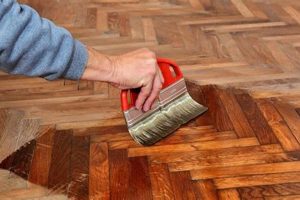
The choice of application tools and techniques also influences the final outcome. Brushes, rollers, and sprayers are commonly used to apply wood floor finishes, each offering distinct advantages and disadvantages. Brushes provide precise control and are suitable for small areas or intricate detailing, while rollers offer faster coverage for larger surfaces. Sprayers provide the most uniform application, minimizing brush marks and ensuring a smooth finish. The viscosity of the finish and the substrate affect the film build and the overall quality of the floor. The selection of appropriate tools and techniques depends on the finish type, the size of the area, and the desired level of control. For semi-gloss finishes, spraying is often preferred to minimize brush marks and achieve a consistent sheen level.
- Number of Coats and Drying Time
The number of coats applied and the drying time between coats directly impact the durability and appearance of the finish. Multiple thin coats are generally preferred over a single thick coat, as they promote better adhesion and reduce the risk of drips or runs. Proper drying time between coats allows the finish to fully cure, resulting in a harder and more durable surface. Semi-gloss finishes may require additional coats to achieve the desired level of reflectivity and protection, while satin finishes may require fewer coats to maintain their muted sheen. Insufficient drying time can lead to adhesion problems and a compromised finish.
- Environmental Conditions During Application
Environmental conditions, such as temperature and humidity, can significantly influence the application process. High humidity can slow the drying time and affect the adhesion of the finish, while extreme temperatures can cause the finish to become too viscous or too thin. Maintaining optimal environmental conditions during application is essential for achieving a consistent and durable finish. It’s important to ensure adequate ventilation during application and drying to promote proper curing and minimize the risk of volatile organic compound (VOC) exposure.
The application process is critical in determining the success of a wood floor finish, regardless of whether a satin or semi-gloss product is selected. Proper surface preparation, the use of appropriate tools and techniques, careful attention to the number of coats and drying time, and control over environmental conditions are all essential for achieving the desired aesthetic and ensuring the long-term durability of the finish. Attention to these details ensures the longevity and aesthetic quality of the finished wood floor.
7. Cost
The financial aspect of selecting a wood floor finish necessitates a comprehensive evaluation, considering both initial expenditures and long-term maintenance requirements. Satin and semi-gloss finishes, while serving the same fundamental purpose of protecting and enhancing wood flooring, exhibit cost variances attributable to formulation differences, application complexities, and required upkeep. Typically, the raw materials involved in manufacturing semi-gloss finishes, often requiring higher concentrations of resins and additives to achieve the desired reflectivity and durability, can contribute to a slightly elevated per-gallon price compared to satin finishes. However, this price differential is not always substantial and can be influenced by brand reputation, product line, and retailer markups. Furthermore, the cost of professional application must be factored into the overall budget. Certain semi-gloss finishes may demand specialized application techniques or equipment to ensure uniform sheen and minimize imperfections, potentially increasing labor costs. Therefore, focusing solely on the per-gallon price provides an incomplete assessment of the total financial commitment.
Ongoing maintenance costs also play a crucial role in the long-term financial evaluation. As previously discussed, semi-gloss finishes necessitate more frequent cleaning to maintain their lustrous appearance, resulting in increased expenditures for cleaning supplies and potentially professional cleaning services. Conversely, satin finishes, with their more forgiving sheen, require less intensive maintenance, translating to lower long-term cleaning costs. Real-life examples illustrate these cost dynamics. A homeowner opting for a semi-gloss finish in a high-traffic area may incur significantly higher cleaning expenses over the lifespan of the floor compared to a similar installation using a satin finish. Similarly, a commercial establishment prioritizing a pristine, high-gloss aesthetic may allocate a larger portion of its operating budget to floor maintenance. The practical significance of understanding these cost implications lies in enabling informed decision-making, ensuring that the chosen finish aligns not only with aesthetic preferences but also with budgetary constraints and long-term financial planning.
In conclusion, the cost analysis associated with wood floor finishes extends beyond the initial purchase price. Formulation complexities, application demands, and long-term maintenance requirements all contribute to the total financial burden. While semi-gloss finishes may offer enhanced aesthetics and durability in certain environments, their associated maintenance costs can offset any perceived benefits. Conversely, satin finishes provide a cost-effective alternative, balancing aesthetic appeal with reduced maintenance demands. Challenges in accurate cost estimation arise from fluctuating material prices, variable labor rates, and unforeseen maintenance needs. However, by carefully considering these factors, consumers can make informed decisions that optimize both aesthetic satisfaction and long-term financial value. The broader theme underscores the importance of holistic financial planning, recognizing that initial savings can be undermined by subsequent maintenance expenses.
Frequently Asked Questions
This section addresses common inquiries regarding the selection and application of satin and semi-gloss finishes for wood flooring.
Question 1: What distinguishes a satin finish from a semi-gloss finish?
The primary distinction lies in the level of reflectivity. Satin finishes exhibit a lower sheen, diffusing light and minimizing glare. Semi-gloss finishes reflect more light, resulting in a shinier appearance.
Question 2: Which finish is more durable, satin or semi-gloss?
Semi-gloss finishes often demonstrate greater durability due to a higher solids content, providing increased resistance to scratches and abrasions. However, high-quality satin finishes can offer comparable protection.
Question 3: How does each finish impact the visibility of imperfections?
Satin finishes are more effective at concealing minor scratches, dust, and imperfections due to their lower reflectivity. Semi-gloss finishes accentuate imperfections, requiring more frequent cleaning to maintain a pristine appearance.
Question 4: Which finish is easier to maintain?
Satin finishes generally require less maintenance. The reduced reflectivity minimizes the visibility of dirt and smudges, lessening the need for frequent cleaning. Semi-gloss floors necessitate more diligent cleaning to preserve their sheen.
Question 5: What are the ideal environments for each finish?
Satin finishes are well-suited for high-traffic areas or rooms with abundant natural light, where minimizing glare and concealing imperfections is desirable. Semi-gloss finishes can enhance brightness in dimly lit spaces and complement formal interiors.
Question 6: Does the choice of finish affect the resale value of a home?
While personal preference is paramount, selecting a finish that aligns with broader market trends and complements the architectural style of the home can positively influence perceived value.
The selection of wood floor finish is dependent on a balance of aesthetic preferences and practical considerations. Durability, maintenance, and environmental factors must be carefully evaluated.
This understanding serves as a foundation for making informed decisions regarding wood floor finishing. Subsequent sections will explore advanced techniques and troubleshooting tips.
Wood Floor Finish Satin vs Semi Gloss
The preceding analysis clarifies the distinctions between wood floor finish satin vs semi gloss. Sheen level directly impacts aesthetics, maintenance, durability, and environmental suitability. Selecting a finish requires careful consideration of reflectivity, traffic volume, lighting conditions, and stylistic preferences. Each option presents unique advantages and disadvantages, necessitating a balanced assessment.
The optimal wood floor finish satin vs semi gloss choice hinges on a thorough understanding of the space’s specific needs and constraints. Ignoring these factors can compromise both the floor’s longevity and its visual appeal. Further research and consultation with flooring professionals are encouraged to ensure a successful and enduring outcome.