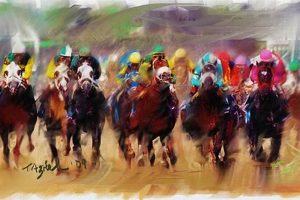
The completed artwork resulting from a paint-by-numbers kit represents the culmination of a guided painting process. This involves meticulously applying designated colors to pre-numbered sections on a canvas or other surface, ultimately yielding a recognizable image. An example is a landscape scene where each numbered area corresponds to a specific shade of paint, creating a cohesive visual when finished.
The significance of a fully realized paint-by-numbers piece lies in its accessibility and potential for creative expression. It provides a structured approach to painting, enabling individuals of varying skill levels to produce aesthetically pleasing outcomes. Historically, these kits have served as a popular form of relaxation and artistic engagement, promoting mindfulness and offering a sense of accomplishment. The resultant artwork can serve as a decorative item or a personal keepsake.
Following the understanding of this art form’s completed state, the subsequent discussion will delve into various aspects, including methods for preserving completed pieces, choosing appropriate framing options, and exploring advanced techniques to enhance the final product. This exploration aims to provide comprehensive insights into maximizing the longevity and visual appeal of these unique artistic endeavors.
Enhancing the Presentation of Completed Paint by Numbers
The following suggestions aim to refine the appearance and preserve the integrity of a completed paint-by-numbers project. Careful attention to these details ensures a professional and lasting result.
Tip 1: Addressing Canvas Imperfections: Examine the painted canvas for inconsistencies, such as thinly covered areas or visible numerical outlines. Apply a second coat of paint to these areas, ensuring uniform coverage. Allow adequate drying time between coats.
Tip 2: Applying a Protective Varnish: Consider applying a clear acrylic varnish to the finished canvas. This protective layer shields the paint from dust, UV damage, and minor abrasions. Select a varnish with a matte or gloss finish, depending on the desired aesthetic. Follow the manufacturer’s instructions for application and drying times.
Tip 3: Smoothing Brush Strokes: If prominent brush strokes are visible, employ a soft, wide brush to lightly blend the paint surface. This technique minimizes textural irregularities and creates a smoother appearance. Exercise caution to avoid disturbing the underlying paint layers.
Tip 4: Stretching the Canvas: For canvases that exhibit sagging or wrinkles, consider restretching the canvas on its frame. This process requires specialized tools and techniques to ensure proper tension and prevent damage to the artwork. Alternatively, seek professional canvas stretching services.
Tip 5: Framing Considerations: Select a frame that complements the artwork’s style and color palette. Consider the dimensions of the canvas and choose a frame that provides adequate support and protection. Ensure the frame is securely mounted to prevent accidental damage.
Tip 6: Proper Lighting and Display: Position the completed painting in an area with appropriate lighting. Avoid direct sunlight, which can fade the colors over time. Consider using strategically placed artificial lighting to enhance the artwork’s visual impact.
Consistent application of these techniques can elevate the quality of the finished artwork, providing extended preservation and appreciation of your creative project.
With these enhancement strategies in mind, the subsequent sections will explore methods for cleaning, storing, and further protecting the completed masterpiece.
1. Completed Application

In the context of “paint by numbers finished,” Completed Application represents the foundational step necessary for realizing the project’s intended outcome. It constitutes the meticulous and thorough painting of every designated area with the corresponding color specified within the kit. The causal relationship is straightforward: incomplete application, characterized by unfilled sections or visible numbers, inherently prevents the achievement of a “paint by numbers finished” state. The importance lies in its role as the primary component that transforms a prepared canvas into a recognizable image, mirroring the reference provided. For example, if the area intended to represent the sky is left partially unpainted, the final artwork will not fully depict the intended scene, thus remaining unfinished.
The effect of Completed Application extends beyond mere aesthetics. It dictates the overall visual coherence and impact of the final artwork. Incomplete application may also compromise the structural integrity of the painted surface, potentially leading to paint chipping or peeling in unpainted areas. Practically, achieving Completed Application requires patience, attention to detail, and consistent adherence to the kit’s instructions. This can be seen in the case where a user rushing through the process might leave thin, transparent layers of paint, revealing the underlying numbers and diminishing the painting’s visual quality.
In summary, Completed Application is not simply a task but a prerequisite condition for deeming a paint-by-numbers endeavor as “paint by numbers finished.” Its significance is multi-faceted, encompassing aesthetic appeal, structural integrity, and adherence to the artistic intent. The challenge lies in maintaining focus and precision throughout the painting process to ensure complete and uniform coverage. This understanding underscores the critical role that meticulous execution plays in the transformation from an incomplete kit to a finished artwork.
2. Color Accuracy

Color Accuracy is paramount to the successful completion of a paint-by-numbers project. Its direct relationship to the final aesthetic renders it a non-negotiable aspect in achieving a result that aligns with the intended design.
- Adherence to Provided Paints
The core of Color Accuracy resides in the precise application of the paints included within the specific paint-by-numbers kit. Deviating from these provided hues, even subtly, can fundamentally alter the visual outcome. For instance, if a light blue shade is replaced with a darker variant, the sky within a landscape scene may take on an unintended and potentially unnatural appearance. This variance detracts from the intended artistic representation, thereby compromising the project’s integrity.
- Consistency in Color Application
Beyond using the correct paints, ensuring consistent color application across the designated areas is crucial. Thin or uneven layers can lead to color variations, making certain sections appear lighter or darker than others. This inconsistency disrupts the visual harmony of the artwork. Imagine a field of grass where some areas are painted with a single, translucent layer while others receive multiple coats; the resulting unevenness diminishes the professional appearance of the finished piece.
- Impact on Visual Realism
Color Accuracy directly influences the realism and fidelity of the completed artwork. A painting of a portrait where the skin tones deviate significantly from their intended hues would result in a distorted or unnatural representation. The interplay of light and shadow, accurately rendered through correct colors, contributes significantly to the overall impression of depth and dimension. Therefore, any inaccuracies in color application can detract from the perceived realism of the “paint by numbers finished” product.
- The Role of Quality Control
The quality of the provided paints themselves plays a significant role in achieving Color Accuracy. Low-quality paints may exhibit inconsistencies in pigmentation or drying times, leading to unpredictable results. Reputable manufacturers of paint-by-numbers kits implement rigorous quality control measures to ensure that the provided paints match the intended colors and possess consistent properties. The presence of subpar paints directly hinders the ability to achieve a “paint by numbers finished” state that meets expectations.
Ultimately, Color Accuracy is not merely a desirable attribute but an indispensable element in determining whether a paint-by-numbers project can be deemed successful. Adherence to provided paints, consistent application, the impact on realism, and the underlying role of quality control converge to underscore the pivotal importance of color fidelity in achieving a “paint by numbers finished” artwork that accurately reflects the intended artistic design.
3. Surface Integrity

Surface Integrity directly influences the attainment of a “paint by numbers finished” project. A compromised surface, characterized by imperfections or damage, inhibits the uniform application of paint, undermining the overall visual quality. This relationship is causal: defects present prior to painting invariably manifest in the final artwork. The absence of Surface Integrity introduces variables that impede the intended design’s faithful reproduction. For example, a canvas with pre-existing tears or indentations will disrupt the paint’s smooth distribution, leading to uneven textures and visible flaws that detract from the finished piece. Its importance lies in its role as the foundational element upon which the entire artistic endeavor rests.
Specific examples of surface compromise include canvas sagging, warping of wooden boards, or the presence of foreign particles embedded within the painting surface. Each of these conditions poses unique challenges. Sagging canvases, for instance, can lead to paint pooling and uneven drying, resulting in distortions of color and form. Similarly, warping affects the structural stability of the support material, making it difficult to apply paint evenly. Real-world implications are seen in conservation efforts, where restoring damaged paintings often requires extensive and costly surface preparation before any repainting can occur. The practical significance is reflected in both the final appearance and the long-term preservation of the artwork.
In summary, Surface Integrity is not a mere technicality but an essential prerequisite for achieving a successful “paint by numbers finished” outcome. Addressing surface issues prior to commencing painting is crucial to ensure uniform paint application, prevent visual distortions, and promote the artwork’s longevity. The challenge lies in meticulously inspecting and preparing the painting surface, thereby establishing a stable foundation for artistic expression. Recognizing the importance of this component serves to enhance both the aesthetic appeal and the enduring quality of the finished piece.
4. Protective Sealing
Protective Sealing is a critical post-painting process that directly affects the longevity and visual integrity of a “paint by numbers finished” artwork. This involves the application of a protective layer, typically a varnish or sealant, designed to shield the painted surface from environmental factors and physical damage. Its importance lies in its ability to preserve the artistic efforts and prevent degradation over time.
- UV Radiation Mitigation
Exposure to ultraviolet (UV) radiation can cause fading and discoloration of paints, significantly diminishing the vibrancy of a “paint by numbers finished” piece. Protective sealants often contain UV inhibitors that act as a barrier, absorbing or reflecting harmful rays. This mitigation extends the lifespan of the colors, maintaining the original aesthetic for a longer duration. An example would be displaying an unsealed painting near a window, leading to noticeable fading within months compared to a sealed counterpart maintaining its original hues for years.
- Physical Abrasion Resistance
The painted surface is susceptible to scratches, scuffs, and general wear and tear from handling or cleaning. Protective Sealing forms a durable layer that provides resistance against such physical abrasions. This is particularly crucial for frequently handled or displayed pieces. Imagine dusting an unsealed artwork versus a sealed one; the unsealed piece is more likely to suffer minute scratches that dull the surface over time, whereas the sealant provides a buffer against such damage.
- Environmental Contaminant Barrier
Dust, grime, and pollutants can accumulate on the painted surface, dulling colors and obscuring details. A sealant creates a barrier that prevents these contaminants from directly contacting the paint layers, simplifying cleaning and maintaining visual clarity. For instance, displaying an unsealed painting in a kitchen environment would result in the accumulation of grease and cooking fumes, necessitating potentially damaging cleaning processes. A sealed artwork would allow for easier cleaning with a soft cloth without risking paint damage.
- Enhanced Color Depth and Uniformity
Certain sealants can enhance the perceived depth and richness of colors while providing a more uniform surface finish. Matte sealants reduce glare, allowing for better visibility of details, while gloss sealants can intensify color saturation. The choice of sealant finish depends on the desired aesthetic effect and complements the “paint by numbers finished” artwork’s overall presentation. A gloss sealant on a landscape scene, for example, can create a more vibrant and visually appealing result, mimicking the effect of a professionally varnished painting.
In conclusion, Protective Sealing is an indispensable final step in ensuring a “paint by numbers finished” project maintains its aesthetic appeal and structural integrity over time. Its capacity to mitigate UV radiation damage, resist physical abrasion, create a barrier against environmental contaminants, and enhance color depth underscores its vital role in preserving the artwork for long-term enjoyment. The application of a suitable sealant transforms a completed painting into a lasting piece of art.
5. Proper Framing
Proper Framing, in the context of a “paint by numbers finished” artwork, extends beyond mere aesthetics. It serves as a crucial element in preserving, protecting, and presenting the completed piece, significantly influencing its perceived value and longevity. Understanding its multifaceted role is essential for maximizing the impact of the finished artwork.
- Physical Protection and Support
A properly chosen frame provides essential physical protection against environmental elements such as dust, moisture, and physical contact. It supports the canvas or board, preventing warping or sagging over time. For example, a frame with a solid backing board can prevent a canvas from stretching and distorting, especially in environments with fluctuating humidity. The absence of proper support can lead to irreversible damage, compromising the integrity of the finished piece.
- Enhancement of Visual Presentation
The frame serves as a visual border, defining the artwork and directing the viewer’s focus. A well-selected frame complements the colors, style, and subject matter of the “paint by numbers finished” piece, enhancing its overall aesthetic appeal. Consider a simple, minimalist frame for a modern abstract design, allowing the artwork to take center stage. Conversely, an ornate frame might complement a traditional landscape. The frame should not overpower the artwork but rather enhance its inherent qualities.
- Preservation of Artistic Intent
Framing can subtly reinforce the artistic intention behind the piece. By selecting a frame that aligns with the artistic style, the presentation resonates with the creative vision. For example, a rustic wooden frame might enhance the authenticity of a pastoral scene, while a sleek metal frame could accentuate the modernity of an abstract design. Improper framing can detract from the artist’s intention, creating a disconnect between the artwork and its presentation.
- Long-Term Conservation
Acid-free mats and backing boards within the frame help protect the artwork from chemical degradation caused by acidic materials commonly found in cheaper framing options. These materials act as a barrier, preventing yellowing, fading, and other forms of deterioration. The use of UV-protective glass or acrylic further shields the artwork from harmful ultraviolet rays, preserving the vibrancy of the colors over extended periods. Investing in archival-quality framing materials is essential for ensuring the long-term conservation of the “paint by numbers finished” piece.
In conclusion, Proper Framing is an indispensable component in the final presentation and preservation of a “paint by numbers finished” artwork. By providing physical protection, enhancing visual appeal, reinforcing artistic intent, and ensuring long-term conservation, a carefully selected frame transforms the finished painting into a valued and lasting piece of art.
6. Optimal Display

Optimal Display profoundly influences the perceived value and longevity of a “paint by numbers finished” artwork. The causal relationship is direct: inappropriate display conditions accelerate deterioration, while judicious placement and lighting enhance visual appeal and prevent damage. The importance of Optimal Display as a final component stems from its capacity to safeguard the artistic effort invested in the painting process. Exposure to direct sunlight, for instance, initiates photochemical degradation of pigments, leading to fading and color shifts over time. Similarly, high humidity levels encourage mold growth on the canvas, causing irreversible damage. Understanding these environmental impacts is essential for preserving the artwork’s integrity.
Practical application of Optimal Display principles involves careful consideration of lighting, temperature, and humidity. Placement away from direct sunlight and heat sources minimizes the risk of fading and warping. Utilizing UV-protective glass or acrylic in the framing process offers an additional layer of protection. Controlled humidity levels, achievable through climate control systems or desiccants, prevent mold growth and canvas distortion. Real-world examples abound: museums meticulously regulate environmental conditions to preserve priceless artworks, demonstrating the critical role of display in long-term conservation. Similarly, private collectors invest in specialized lighting systems to showcase their art while minimizing potential damage. These measures reflect the understanding that proper display is not merely an aesthetic concern but a practical necessity for preserving artistic value.
In conclusion, Optimal Display is not an ancillary consideration but an integral component in realizing the full potential of a “paint by numbers finished” creation. The challenges lie in balancing aesthetic appeal with environmental preservation. By mitigating the damaging effects of light, temperature, and humidity, Optimal Display ensures the long-term viability of the artwork, transforming a completed painting into a lasting legacy. Recognizing this connection elevates the “paint by numbers finished” process from a simple craft project to an endeavor worthy of preservation and appreciation.
Frequently Asked Questions
The following questions address common inquiries regarding the completion, preservation, and presentation of paint-by-numbers projects. These answers aim to provide clarity and guidance for achieving optimal results.
Question 1: What constitutes a successfully “paint by numbers finished” artwork?
A successfully completed artwork demonstrates full application of paint to all designated areas, accurate color representation according to the kit’s instructions, and a surface free from visible imperfections. The artwork should also be adequately sealed and appropriately framed for preservation and display.
Question 2: How can uneven paint application be rectified in a “paint by numbers finished” piece?
Uneven paint application can be addressed by applying additional thin coats to areas requiring greater coverage. Ensure each coat dries completely before applying the next. Light sanding with fine-grit sandpaper can also smooth out inconsistencies, followed by another coat of paint.
Question 3: What is the recommended method for cleaning a “paint by numbers finished” canvas?
A gentle cleaning with a soft, dry cloth is generally sufficient for removing dust. For more stubborn stains, a slightly damp cloth can be used, ensuring minimal moisture exposure. A diluted solution of mild soap may be used sparingly, followed by thorough drying.
Question 4: How does UV exposure affect a “paint by numbers finished” artwork?
Prolonged exposure to ultraviolet (UV) radiation can cause fading and discoloration of paints, particularly those with lower lightfastness ratings. Displaying the artwork away from direct sunlight or utilizing UV-protective glass in the frame can mitigate these effects.
Question 5: What are the optimal storage conditions for a “paint by numbers finished” piece?
The ideal storage environment is cool, dry, and free from direct sunlight. The artwork should be stored in a protective sleeve or wrapped in acid-free paper to prevent dust accumulation and physical damage.
Question 6: Can a “paint by numbers finished” piece be further enhanced or customized?
While the intent of paint-by-numbers is to follow a predetermined design, subtle enhancements are possible. These might include blending colors for smoother transitions, adding textural elements with thicker paint application, or applying subtle glazing techniques. However, significant alterations may deviate from the original design’s intent.
These answers emphasize the importance of meticulous application, preventative care, and appropriate presentation in maximizing the longevity and visual appeal of “paint by numbers finished” artworks. Understanding these aspects contributes to a more satisfying and enduring artistic experience.
With these FAQs addressed, the subsequent section will delve into advanced techniques for those seeking to further refine their paint-by-numbers skills and explore creative variations on the traditional format.
paint by numbers finished
The preceding sections have methodically examined the various facets integral to achieving a successful “paint by numbers finished” outcome. From meticulous paint application and color fidelity to the crucial aspects of surface preparation, protective sealing, proper framing, and optimal display, each element contributes significantly to the artwork’s overall quality and longevity. A comprehensive understanding of these factors is essential for transforming a kit into a lasting artistic piece.
The presented insights should serve as a guide for both novice and experienced practitioners, encouraging a thoughtful approach to the art form. It is hoped that this information empowers individuals to not only complete “paint by numbers finished” projects with skill and precision, but also to appreciate the process as a means of fostering creativity and artistic expression. Continued diligence in these areas will undoubtedly contribute to the creation of artworks worthy of enduring admiration.