The feasibility of applying paint to pre-existing coated wood surfaces without abrasive preparation is a common inquiry. This process fundamentally involves adhering a new layer of coating to a surface that already possesses a protective finish. A successful outcome relies heavily on ensuring proper adhesion of the new paint layer to the existing finish.
Omitting sanding streamlines the painting process, saving considerable time and effort. This approach is particularly beneficial for intricate or delicate wooden items where aggressive sanding could cause damage. Historically, sanding has been considered a necessary step to create a “key” or rough surface to which the new paint can grip. However, advancements in paint technology have introduced alternative methods.
The following discussion will delve into the techniques and materials that facilitate paint application over finished wood surfaces without resorting to sanding, emphasizing the critical considerations for a durable and aesthetically pleasing result.
Painting Finished Wood Without Sanding
Achieving a professional-looking paint finish on pre-existing coated wood surfaces without sanding requires careful preparation and technique. The following tips provide guidance for a successful outcome.
Tip 1: Thoroughly Clean the Surface: Remove all dirt, grease, wax, and contaminants. Use a degreasing cleaner and a clean cloth. Residue can compromise paint adhesion.
Tip 2: Consider Liquid Deglossers: Liquid deglossers chemically etch the existing finish, creating a slightly porous surface for better paint adhesion. Follow the manufacturer’s instructions precisely.
Tip 3: Choose the Right Primer: A high-quality bonding primer is crucial. Look for primers specifically designed for glossy or hard-to-stick surfaces. Apply a thin, even coat.
Tip 4: Select Appropriate Paint: Acrylic latex paints offer good adhesion and durability. Self-priming paints can further simplify the process, but still require a clean and properly prepped surface.
Tip 5: Apply Thin Coats: Multiple thin coats of paint are superior to a single thick coat. This minimizes the risk of drips, runs, and uneven coverage. Allow each coat to dry completely before applying the next.
Tip 6: Lightly Scuff Sand (Optional): If the existing finish is extremely glossy or smooth, a very light scuff sanding with a fine-grit sandpaper (220 or higher) can further improve adhesion. Ensure thorough cleaning after sanding.
Tip 7: Allow Adequate Drying Time: Follow the paint manufacturer’s recommendations for drying and curing times. Rushing the process can lead to premature chipping or peeling.
By meticulously following these guidelines, a durable and attractive paint finish can be achieved on finished wood without the extensive labor of traditional sanding. This approach can significantly streamline painting projects while still achieving a professional-quality result.
The next section will address common challenges and troubleshooting tips for painting finished wood.
1. Surface Preparation

Surface preparation is a critical determinant of success when considering paint application over pre-existing finishes on wood without sanding. This process directly affects the adhesion of the new paint layer. Insufficient surface preparation, such as neglecting to remove grease or wax, introduces barriers that prevent a strong bond between the existing finish and the applied paint. For example, if furniture polish residue remains on a wood surface, the paint is likely to chip or peel prematurely.
The absence of sanding necessitates a heightened emphasis on chemical cleaning and degreasing. Instead of creating a mechanical bond through abrasion, the paint relies on a chemical bond facilitated by a clean, receptive surface. Liquid deglossers can augment this process by creating a slightly porous texture, albeit chemically induced, enhancing paint adhesion. Consider a scenario involving kitchen cabinets; years of accumulated grease and grime must be completely removed before any attempt to paint, ensuring longevity and visual appeal.
In summary, proper surface preparation compensates for the lack of sanding by establishing the required conditions for chemical adhesion. Ignoring this step significantly increases the risk of paint failure. Effective surface preparation is not merely a preliminary task but an integral component that determines the viability of painting finished wood without sanding.
2. Adhesion Promoters

Adhesion promoters play a vital role in the feasibility of painting over finished wood surfaces without sanding. These specialized products are designed to enhance the bond between the existing finish and the newly applied paint layer. Their use becomes especially crucial when mechanical abrasion, typically achieved through sanding, is omitted from the surface preparation process.
- Chemical Etching
Certain adhesion promoters contain chemical agents that subtly etch the existing finish. This creates microscopic irregularities that the paint can grip onto, mimicking the effect of light sanding. An example is a liquid deglosser, which softens the surface, allowing the primer to penetrate and adhere more effectively. Failure to chemically etch can result in poor paint adhesion and subsequent peeling, especially in areas subject to wear and tear.
- Bonding Primers
Bonding primers are formulated with ingredients that promote strong adhesion to glossy or non-porous surfaces. They often contain resins that exhibit exceptional gripping capabilities. These primers act as an intermediary layer, creating a stable foundation for the topcoat of paint. Using a standard primer on a finished surface without sanding may result in inadequate adhesion, leading to paint failure.
- Surface Tension Reduction
Adhesion promoters frequently function by reducing surface tension. This allows the paint to spread more evenly and wet the surface more thoroughly, maximizing contact and adhesion. Without this reduction, the paint may bead up or fail to adhere properly to the slick surface of the existing finish. This is particularly important when dealing with oil-based or polyurethane finishes, which tend to be highly resistant to water-based paints.
- Flexible Film Formation
Some adhesion promoters form a flexible film that moves and expands with the wood substrate. This flexibility helps to prevent cracking and peeling, particularly in environments with fluctuating temperature and humidity levels. Rigidity in the paint film, without adequate adhesion, can lead to stress fractures and eventual detachment from the underlying finish.
In conclusion, the effectiveness of painting finished wood without sanding heavily relies on the appropriate application of adhesion promoters. These products compensate for the lack of mechanical keying by chemically and physically enhancing the bond between the existing finish and the new paint layer. Choosing the right type of adhesion promoter, based on the specific type of existing finish and paint, is essential for achieving a durable and aesthetically pleasing result.
3. Primer Selection

Primer selection represents a crucial determinant in the success of painting over pre-finished wood surfaces absent sanding. The primer establishes the foundational bond necessary for subsequent paint layers, compensating for the lack of mechanical adhesion typically provided by sanding.
- Adhesion-Promoting Primers
These primers contain specific formulations designed to adhere to glossy or non-porous surfaces, typical of pre-finished wood. Their inclusion of bonding agents allows for chemical adherence where mechanical keying is absent. For instance, using a shellac-based primer on laminate furniture significantly increases the likelihood of successful paint adhesion, preventing peeling or chipping often observed with standard primers. Failure to use an adhesion-promoting primer frequently results in paint failure, negating any aesthetic improvements.
- Stain-Blocking Primers
Pre-finished wood may exhibit underlying stains or tannins that can bleed through subsequent paint layers. Stain-blocking primers create a barrier that prevents these discolorations from affecting the final finish. Consider applying a light-colored paint over dark-stained wood; without a stain-blocking primer, the original stain may seep through, compromising the desired color and finish quality. The application of a quality stain-blocking primer is critical to maintaining aesthetic integrity.
- Self-Leveling Primers
Existing finishes may possess minor imperfections or unevenness. Self-leveling primers can fill these imperfections, creating a smoother surface for painting. For example, applying a self-leveling primer to paneled doors with slight surface texture minimizes the appearance of these imperfections in the final paint finish, creating a more uniform and professional look. This attribute is particularly valuable when aiming for a high-gloss or smooth finish.
- Compatibility Considerations
The compatibility between the selected primer and the intended topcoat is paramount. Certain primers are formulated for use with specific paint types, such as latex or oil-based paints. Utilizing an incompatible primer and topcoat can result in poor adhesion, cracking, or other finish defects. A scenario involving applying latex paint over an oil-based primer, without proper preparation, often leads to paint peeling or blistering. Adhering to manufacturer guidelines regarding compatibility is essential for a durable and aesthetically pleasing outcome.
The careful consideration of primer selection, accounting for adhesion properties, stain-blocking capabilities, self-leveling characteristics, and compatibility with the topcoat, directly contributes to the overall success of painting over finished wood without sanding. The correct primer effectively bridges the gap created by omitting sanding, ensuring a durable and aesthetically pleasing finish.
4. Paint Compatibility

Paint compatibility is a pivotal factor in determining the feasibility of painting over finished wood surfaces without sanding. The interaction between the existing finish, any applied primer, and the topcoat paint significantly influences adhesion and the longevity of the resulting finish. Incompatibility can manifest as poor adhesion, cracking, peeling, or even chemical reactions that degrade the finish over time. The absence of sanding, which would otherwise provide a mechanical key for adhesion, elevates the importance of chemical compatibility between these layers.
For instance, applying a latex-based paint over an oil-based finish without proper preparation and priming often results in inadequate adhesion. The inherent properties of the two materials prevent a strong bond, leading to peeling. Conversely, using an alkyd-based paint over a poorly prepared latex finish can cause the underlying latex to soften and lift. The selection of a compatible primer, designed to bridge the differing chemical compositions of the existing finish and the topcoat, becomes essential to mitigate these risks. Specific primers are formulated to adhere to glossy or non-porous surfaces, creating a stable foundation for a variety of topcoat paints. Adhering to manufacturer guidelines regarding compatibility between primers and topcoats is critical, especially when bypassing the sanding process.
In summary, the success of painting finished wood without sanding hinges on careful consideration of paint compatibility. Selecting compatible materials and adhering to recommended application protocols are crucial for achieving a durable and aesthetically pleasing result. The challenges associated with incompatibility underscore the importance of thorough research and proper preparation to ensure a lasting finish.
5. Application Technique
Effective application technique is paramount when painting finished wood without sanding. The absence of a mechanically abraded surface necessitates meticulous execution to ensure proper adhesion and a uniform finish. Variations in technique directly impact the durability and aesthetic quality of the applied paint.
- Thin, Even Coats
Applying multiple thin coats of paint is superior to a single, thick coat. Thin coats dry more evenly, minimizing the risk of runs, drips, and sagging. They also promote better adhesion by allowing the paint to bond gradually to the existing finish. For instance, applying three thin coats of a self-priming acrylic paint to a finished dresser, allowing each coat to dry completely, will yield a smoother and more durable finish compared to a single, heavy application. Conversely, a thick coat is prone to trapping air and moisture, leading to blistering and premature failure.
- Brush and Roller Selection
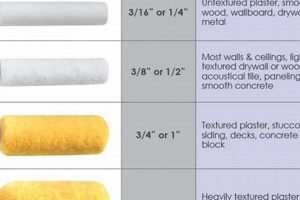
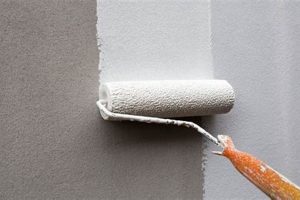
The selection of appropriate brushes and rollers significantly impacts the final finish. High-quality synthetic brushes are generally recommended for water-based paints, while natural bristle brushes are suitable for oil-based paints. Using the wrong brush can result in streaking, uneven coverage, and trapped air bubbles. Foam rollers can provide a smooth, virtually texture-free finish, but are less effective at applying thick or viscous paints. Selecting the correct brush or roller, and maintaining its cleanliness, is crucial for a professional-looking outcome.
- Surface Wetting and Leveling
Proper surface wetting ensures that the paint evenly coats the existing finish. Poor wetting can lead to beading or crawling, resulting in an uneven and unattractive finish. This is especially problematic with glossy surfaces. Employing techniques to reduce surface tension, such as using a paint conditioner or adding a small amount of thinner (when compatible), can improve wetting. Furthermore, the paint’s self-leveling properties determine its ability to eliminate brush strokes and minor imperfections. Paints with good self-leveling characteristics are preferable when aiming for a smooth, professional finish without sanding.
- Drying and Curing Times
Adhering to recommended drying and curing times is essential for achieving a durable paint finish. Premature handling or recoating can disrupt the curing process, leading to adhesion problems and a compromised final product. Allowing sufficient time for the paint to fully cure ensures that it develops its maximum hardness and resistance to wear. For example, handling painted cabinet doors before the paint has fully cured can result in fingerprints and surface damage. Consulting the paint manufacturer’s specifications for drying and curing times is imperative.
In essence, meticulous attention to application technique is a non-negotiable aspect of successfully painting finished wood without sanding. Mastering thin coat application, brush and roller selection, surface wetting, and adherence to drying times are all critical for achieving a durable and aesthetically pleasing result. These elements, when executed correctly, compensate for the absence of mechanical abrasion, allowing for a professional-quality paint finish on pre-finished wood surfaces.
Frequently Asked Questions Regarding Painting Finished Wood Without Sanding
The following questions address common concerns and misconceptions regarding the application of paint to pre-finished wood surfaces without the abrasive preparation typically associated with painting.
Question 1: Is painting over finished wood without sanding truly durable?
The durability hinges on meticulous surface preparation, primer selection, and paint compatibility. When performed correctly, the resulting finish can be comparable to that achieved with sanding. However, heavy-use items may benefit from the added mechanical adhesion provided by sanding.
Question 2: What types of finishes are unsuitable for painting without sanding?
Extremely glossy or slick finishes, particularly those with a thick build-up of polyurethane or varnish, may pose challenges. Thorough degreasing and the use of a high-quality bonding primer are crucial in these situations. If adhesion remains questionable, light scuff sanding is advisable.
Question 3: How does one properly clean a finished wood surface before painting without sanding?
Begin with a degreasing cleaner to remove grease, wax, and other contaminants. Follow this with a clean water rinse. Ensure the surface is completely dry before proceeding with priming or painting.
Question 4: Are specific paints better suited for painting over finished wood without sanding?
Acrylic latex paints, particularly those formulated with bonding agents, are generally well-suited. Self-priming paints can simplify the process, but do not eliminate the need for proper surface preparation. Oil-based paints can also be used, but require careful consideration of compatibility with the existing finish.
Question 5: Is a primer always necessary when painting over finished wood without sanding?
A primer is strongly recommended. It enhances adhesion, blocks stains, and creates a uniform surface for the topcoat. A high-quality bonding primer is particularly important for glossy or non-porous surfaces.
Question 6: What are the signs of inadequate adhesion when painting over finished wood without sanding?
Signs of inadequate adhesion include peeling, chipping, blistering, or cracking. These issues typically manifest within days or weeks of painting. Corrective action may involve stripping the paint and starting over with proper surface preparation and priming.
In summary, the success of painting finished wood surfaces without sanding depends on diligent preparation and careful selection of materials. Ignoring these key aspects can lead to premature paint failure and necessitate costly repairs.
The subsequent discussion will explore strategies for troubleshooting common issues encountered during the painting process.
Concluding Remarks on Painting Finished Wood Without Sanding
The preceding discussion has extensively explored the feasibility of painting over finished wood without sanding. While achievable, its success hinges on a combination of meticulous surface preparation, the selection of compatible materials, and the application of proper techniques. The omission of sanding necessitates a heightened emphasis on chemical adhesion and careful material selection to compensate for the lack of mechanical bonding.
Ultimately, whether to pursue painting finished wood absent sanding remains a decision contingent upon the specific project parameters, the desired level of durability, and the available resources. While advancements in paint technology offer viable alternatives to sanding, a thorough understanding of the underlying principles is essential for achieving a lasting and aesthetically pleasing result. Thoughtful consideration should be given to the long-term implications and potential trade-offs before embarking on such a project. Further research and cautious experimentation are encouraged to ensure optimal outcomes.