This product is a wax-based medium designed to impart a metallic sheen to various surfaces. It is applied by rubbing a small amount onto the desired area and then buffing it to achieve the desired luster. For example, it can transform a plain picture frame into one that mimics the appearance of antique gold or silver.
Its appeal lies in its ease of use and ability to create convincing metallic effects without the need for specialized equipment like spray guns or electroplating. This characteristic has made it a popular choice for crafters, hobbyists, and professionals alike. Historically, similar techniques using waxes and pigments have been employed for centuries to embellish objects and mimic precious metals.
The following sections will delve into specific applications, surface preparation techniques, methods for achieving different finishes, and considerations for long-term preservation of projects using this versatile product.
Application Guidance
Optimal utilization of this wax metallic finish necessitates careful consideration of several factors. Adherence to the following guidelines will enhance the final result and ensure longevity.
Tip 1: Surface Preparation is Paramount: Ensure the surface is clean, dry, and free of loose debris. Priming porous surfaces may be required to achieve uniform coverage.
Tip 2: Apply Sparingly: A small amount of the product is sufficient. Overapplication can result in a muddy or uneven finish.
Tip 3: Utilize Appropriate Application Tools: A soft cloth, fingertip, or specialized applicator can be employed. Experimentation will determine the most suitable method for the desired effect.
Tip 4: Buff Thoroughly: Buffing is critical to achieving the metallic sheen. Continue buffing until the desired luster is obtained.
Tip 5: Consider Layering Techniques: Multiple thin coats, rather than a single thick coat, will provide a smoother and more controlled finish.
Tip 6: Seal for Durability: Applying a sealant or clear coat will protect the finish and enhance its resistance to wear and tear, particularly on frequently handled objects.
Tip 7: Experiment with Color Combinations: Layering different metallic shades can create unique and custom effects.
By adhering to these principles, users can maximize the potential of the wax metallic finish and achieve professional-looking results. Proper preparation, controlled application, and appropriate sealing are key to a successful outcome.
The subsequent section will discuss methods for cleaning and maintaining surfaces treated with this finish, ensuring their continued beauty and longevity.
1. Metallic Appearance

The metallic appearance achieved through the application of this wax finish is central to its appeal and utility. This aspect directly influences its selection for various decorative and restorative purposes.
- Pigment Composition
The presence of finely ground metallic pigments, typically aluminum, bronze, or copper, within the wax matrix is fundamental to the resulting sheen. These pigments reflect light, creating the visual impression of polished metal. The specific composition dictates the final color and reflectivity.
- Light Reflection
The buffing process aligns these metallic pigments on the surface, enhancing their ability to reflect light uniformly. This aligned arrangement is what generates the characteristic luster associated with a metallic finish. Imperfect alignment results in a duller appearance.
- Simulated Patina
The formulation allows for the creation of simulated patina, mimicking the aged appearance of real metal. This is achieved through a careful balance of pigments and waxes, resulting in a finish that appears to have undergone natural oxidation or weathering processes.
- Surface Texture Influence
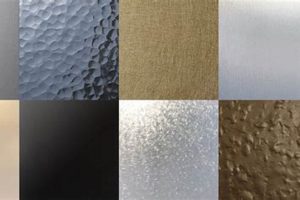
The underlying surface texture plays a significant role in the final metallic appearance. A smooth surface will yield a more reflective and polished look, while a textured surface will create a more subdued and nuanced effect. This interaction allows for customization of the finish to suit different aesthetic preferences.
In essence, the successful replication of a metallic appearance is dependent on the interplay of pigment composition, light reflection properties, the simulation of patina, and the influence of the underlying surface texture when this wax-based finish is applied. The capacity to manipulate these factors enables a wide range of simulated metallic effects, making it a versatile choice for various applications.
2. Wax Composition

The properties of the wax matrix are fundamentally linked to the performance and applicability of this metallic finish. The specific waxes used within the formulation dictate its consistency, ease of application, buffability, and ultimately, the durability of the resulting metallic layer. For instance, a blend incorporating beeswax might contribute to a softer, more pliable texture, facilitating easier application to intricate surfaces. Conversely, harder waxes could enhance the finish’s resistance to scratching and abrasion.
The wax composition also influences the adherence of the metallic pigments to the substrate. A well-formulated wax blend will ensure even distribution and bonding of the pigments, preventing them from flaking or rubbing off easily. Without the proper wax formulation, the metallic pigments would not adequately adhere to the surface and the metallic appearance will be temporary. The choice of waxes also affects the finish’s sensitivity to temperature and solvents. Some waxes may soften or dissolve when exposed to heat or certain cleaning agents, compromising the integrity of the metallic layer. The ability to achieve a smooth, even finish during the buffing process is also directly tied to the wax composition. If the wax is too soft, it may smear or leave a greasy residue; if it is too hard, it may resist buffing and result in an uneven sheen.
In summary, the wax composition within this metallic finish is not merely a carrier for the metallic pigments; it is a critical determinant of its performance characteristics, influencing its application, durability, and aesthetic qualities. Careful consideration of the wax properties is essential for achieving optimal results and ensuring the longevity of the metallic finish.
3. Surface Application

The suitability of this wax metallic finish is critically contingent upon the characteristics of the surface to which it is applied. A comprehensive understanding of surface application principles is paramount to achieving optimal results and ensuring longevity of the applied finish.
- Surface Porosity
The degree of porosity significantly impacts the absorption of the wax. Highly porous surfaces, such as unfinished wood or unsealed plaster, may require a primer or sealant to prevent excessive absorption and ensure a uniform metallic appearance. Conversely, non-porous surfaces, like glass or glazed ceramics, may require surface preparation to promote adhesion of the wax finish.
- Surface Texture
The texture of the surface influences the final aesthetic outcome. Smooth surfaces will yield a highly reflective, polished finish, while textured surfaces will create a more diffused, matte effect. Intricate carvings or embossed details can be effectively highlighted using this finish, accentuating the three-dimensional qualities of the surface.
- Surface Composition
The chemical composition of the surface can affect the adhesion and durability of the finish. Certain plastics or metals may react negatively with the solvents or binders present in the wax, leading to discoloration, cracking, or peeling. Compatibility testing is recommended prior to applying the finish to unfamiliar surfaces.
- Surface Cleanliness
The presence of dirt, grease, or other contaminants can impede adhesion and compromise the integrity of the finish. Thorough cleaning with a suitable solvent or detergent is essential to remove any surface impurities and ensure a strong bond between the wax and the substrate. Residue from cleaning agents must also be completely removed before application.
The success of this decorative treatment hinges on a careful evaluation of the target surface, acknowledging its porosity, texture, composition, and cleanliness. Appropriate preparation techniques tailored to the specific surface characteristics are crucial for maximizing the aesthetic appeal and long-term performance of this wax metallic finish.
4. Buffing Process

The buffing process is integral to achieving the desired metallic sheen associated with the application of this wax finish. It is not merely an optional step but a fundamental component that transforms the initial application into a lustrous, reflective surface. The act of buffing serves several crucial functions. First, it aligns the metallic pigments within the wax matrix, causing them to reflect light in a more uniform direction. This alignment directly contributes to the perceived metallic luster. Second, buffing removes excess wax, leaving a thin, even layer of metallic pigment bound to the substrate. This reduction in excess wax prevents the finish from appearing dull or cloudy. For example, without thorough buffing, a project intended to mimic aged bronze may instead appear as a dark, indistinct mass.
The intensity and duration of the buffing process directly influence the final outcome. A gentle buffing will produce a subtle sheen, suitable for creating antique or understated effects. More vigorous buffing will yield a highly polished, mirror-like finish. The tools used in the buffing process also play a role. Soft cloths, microfiber cloths, or specialized buffing wheels can be employed to achieve different textures and levels of reflectivity. Incorrect buffing techniques, such as applying excessive pressure or using abrasive materials, can damage the finish, resulting in scratches or unevenness. Consider the restoration of a vintage picture frame: careful buffing brings out the detail and highlights the metallic embellishments, transforming a worn object into a piece of art.
In conclusion, the buffing process is a critical step in realizing the full potential of the wax finish. It is the mechanism through which the latent metallic pigments are revealed, creating the desired luster and reflectivity. Mastery of buffing techniques, combined with careful selection of buffing tools, allows for precise control over the final appearance of the finished surface, enabling a wide range of aesthetic effects from subtle patinas to high-gloss sheens. Failure to properly buff the wax results in a substandard finish that does not exhibit the characteristic metallic appearance.
5. Color Range

The available color range significantly enhances the versatility and artistic potential of this wax metallic finish. The spectrum of hues offered allows users to tailor the finish to suit diverse aesthetic preferences and project requirements. The breadth of the color palette directly influences the ability to accurately replicate specific metallic tones or create unique, custom effects.
- Replication of Metals
The color range enables accurate reproduction of various metal appearances, including gold, silver, copper, and bronze. These options facilitate the creation of convincing faux finishes on a variety of substrates. For instance, a crafter restoring an antique mirror frame might use the gold finish to meticulously match the original gilding.
- Tinting and Mixing
The product’s color range extends beyond basic metallic tones, often including shades like black, white, and various earth tones. These colors can be used alone for subtle effects or mixed together to create custom metallic colors. A sculptor might combine bronze and black to achieve a specific patina effect on a cast resin sculpture.
- Layering Effects
The range allows for layering different metallic shades to create complex and visually interesting surfaces. Applying a base coat of silver followed by a top coat of gold can produce a shimmering, iridescent effect. A furniture restorer could employ this technique to simulate the multi-layered finishes found on antique pieces.
- Artistic Expression
Beyond strict replication, the color palette invites artistic experimentation and allows for the creation of non-traditional metallic finishes. Using unconventional color combinations can produce unique and eye-catching effects. A mixed-media artist might incorporate these finishes into their work to add texture, depth, and visual interest.
In essence, the extensive color range enhances the artistic freedom and applicability of the wax metallic finish. It enables users to move beyond simple replication and explore a wide range of creative possibilities, from restoring historical artifacts to producing contemporary art. The capacity to accurately mimic various metals, mix custom colors, and layer different shades expands the medium’s potential and makes it a valuable tool for a variety of artistic and decorative endeavors.
6. Protective Coating
The application of a protective coating over the wax metallic finish is a critical step in ensuring its longevity and preserving its aesthetic qualities. The wax composition inherent to the finish, while contributing to its unique sheen and application properties, renders it inherently vulnerable to abrasion, oxidation, and environmental factors. Without a protective layer, the metallic pigments are susceptible to damage and displacement, resulting in a diminished luster and potential discoloration. The finish, when exposed to frequent handling or adverse conditions, can degrade relatively quickly, negating the initial effort invested in its application. For example, a decorative picture frame treated with the metallic finish and left unsealed will likely show signs of wear and dulling within a short period, particularly along edges or surfaces subject to contact.
The selection of an appropriate protective coating is paramount and depends on the specific application and desired finish. Acrylic-based clear coats are commonly employed due to their durability and non-yellowing properties. However, compatibility testing is essential to ensure the chosen coating does not react adversely with the underlying wax finish. Solvent-based coatings, for instance, can dissolve or smear the wax, resulting in an undesirable outcome. The application method also warrants careful consideration; multiple thin coats are generally preferred over a single thick coat to avoid runs or unevenness. Moreover, the protective coating can influence the final appearance of the metallic finish, either enhancing its luster or imparting a matte effect, depending on the formulation. For projects requiring enhanced durability, such as furniture or frequently handled objects, epoxy resins may be considered, although their application demands specialized knowledge and equipment. Consider the restoration of antique hardware: a protective coating not only shields the metallic finish from wear but also prevents tarnishing, preserving its historical accuracy.
In summary, the incorporation of a protective coating is not merely an ancillary step but an integral element in the successful and enduring application of the wax metallic finish. It serves as a crucial barrier against environmental degradation, physical abrasion, and chemical interactions, ensuring the preservation of the intended aesthetic effect over time. While the selection and application of the coating require careful consideration and compatibility testing, the benefits in terms of enhanced durability and longevity are undeniable, safeguarding the initial investment and effort. Failure to apply a protective topcoat leaves the wax metallic finish vulnerable to premature wear and degradation, compromising its intended purpose and visual appeal.
7. Craft Versatility
The wax metallic finish finds extensive application across a multitude of craft disciplines, largely attributable to its ease of use and the ability to impart a convincing metallic appearance without specialized equipment. This inherent versatility renders it a staple in diverse crafting endeavors, from home dcor enhancements to professional model making and restoration projects. Its suitability stems from its capacity to adhere to a wide array of materials, including wood, metal, plastic, and even ceramics, enabling artists and hobbyists to embellish or transform existing surfaces with relative ease. The finish can be applied to intricate carvings, molded details, or even smooth, flat surfaces, adapting to a variety of textures and forms. For example, a plain, unfinished wooden picture frame can be readily transformed into a convincing replica of an antique gilded frame through the application of the wax finish and subsequent buffing. Similarly, plastic model kits can be elevated with a realistic metallic sheen, enhancing their overall visual impact and realism.
The finish also proves invaluable in the restoration of antique furniture and artifacts. Its ability to simulate the appearance of aged metal, including the subtle patinas that develop over time, makes it a preferred choice for conservators seeking to preserve the historical integrity of delicate objects. Damaged or worn metallic details can be meticulously restored using the wax finish, blending seamlessly with the original elements. The product’s user-friendly nature allows for precise control over the application process, enabling restorers to address localized areas without disturbing the surrounding materials. Furthermore, the finish can be easily sealed with a protective coating, ensuring the long-term preservation of the restored metallic elements. Consider, for example, the careful restoration of an antique brass handle on a piece of furniture; the finish, applied with precision and sealed appropriately, can restore its original luster and prevent further tarnishing.
The widespread adoption of the wax metallic finish across diverse craft applications underscores its practical significance as a versatile and accessible medium for achieving realistic metallic effects. Its ease of use, coupled with its adaptability to various materials and textures, empowers both novice and experienced crafters to elevate their projects with a touch of metallic elegance. While challenges may arise concerning surface preparation and long-term durability, the benefits afforded by its craft versatility render it an indispensable tool in the realm of artistic creation and restoration. The ability to achieve convincing metallic appearances on diverse materials connects directly to its broad application across many crafts.
Frequently Asked Questions
The following questions address common concerns and clarify usage aspects related to this wax metallic finish.
Question 1: What surface preparation is required before applying this wax metallic finish?
The surface must be clean, dry, and free of any loose debris, rust, or grease. Porous surfaces may require a primer to ensure even coverage and proper adhesion. Testing on an inconspicuous area is recommended, especially on unknown materials.
Question 2: How is the product applied to achieve the best results?
Apply a small amount of the product with a soft cloth or fingertip, working it into the surface. Avoid over-application, as this can result in a muddy appearance. Multiple thin coats are preferable to a single thick coat. Buff the surface thoroughly after application to achieve the desired metallic sheen.
Question 3: What are the best methods for cleaning surfaces treated with this wax metallic finish?
Clean gently with a soft, dry cloth. Avoid harsh chemicals or abrasive cleaners, as these can damage the finish. Light dusting is generally sufficient for routine maintenance. Consider applying a protective sealant for increased durability, particularly on frequently handled items.
Question 4: How durable is this wax metallic finish, and what factors affect its longevity?
Durability depends on several factors, including surface preparation, application technique, and environmental conditions. The finish is susceptible to abrasion and wear, especially in high-traffic areas. A protective sealant can significantly extend its lifespan. Exposure to direct sunlight or extreme temperatures may also affect its longevity.
Question 5: Can this product be used on outdoor projects?
While it can be used on outdoor projects, it is not designed for prolonged exposure to the elements. A durable, UV-resistant sealant is essential to protect the finish from fading, cracking, and peeling. Regular maintenance and reapplication may be required to preserve its appearance.
Question 6: Is this product safe to use, and what precautions should be taken during application?
Use in a well-ventilated area. Avoid prolonged skin contact. Keep out of reach of children and pets. Consult the product’s safety data sheet (SDS) for detailed safety information and handling instructions. Wear gloves and eye protection if desired.
This FAQ section provides essential guidelines for using the wax metallic finish effectively and safely. Understanding these key points will help ensure optimal results and long-lasting beauty.
The following segment will explore common issues and troubleshooting tips for users of this product.
Conclusion
This examination has revealed the multifaceted nature of amaco rub n buff wax metallic finish. Its application transcends simple surface decoration, influencing aesthetics, preservation, and artistic expression. Proper surface preparation, precise application techniques, and selection of suitable protective coatings are critical to achieving enduring results. The interplay of wax composition, pigment characteristics, and the buffing process determines the final appearance and longevity of the finish.
As a readily accessible and versatile medium, amaco rub n buff wax metallic finish continues to be a valuable resource for crafters, restorers, and artists alike. Its capacity to simulate the appearance of precious metals and enhance various surfaces positions it as a significant tool in both aesthetic enhancements and restoration endeavors. Continued adherence to recommended practices will ensure the effective and enduring utilization of this finish across a wide range of applications.