This exterior wall coating offers a durable and aesthetically versatile solution for buildings. It involves applying a cement-based mixture to a surface, creating a textured or smooth final layer. For example, a home builder might utilize this application over concrete block to provide a finished and weather-resistant exterior.
Its significance lies in its ability to enhance a structure’s appearance while simultaneously protecting it from the elements. This type of coating provides resistance to moisture, impact, and fire, extending the lifespan of the underlying building materials. Historically, similar materials have been used for centuries, adapted and refined over time to provide modern performance benefits.
The following discussion will delve further into the preparation, application techniques, and maintenance considerations associated with this building practice, exploring best practices and common challenges encountered during its implementation.
Application Best Practices
Achieving a successful and long-lasting exterior surface requires adherence to specific guidelines during preparation and application.
Tip 1: Surface Preparation is Paramount: Ensure the substrate is clean, sound, and free from loose debris, oil, or existing coatings that could compromise adhesion. Concrete surfaces should be properly cured and any cracks or imperfections addressed prior to application.
Tip 2: Proper Mixing Ratios: Adhere strictly to the manufacturer’s recommended mixing ratios for the cement-based material. Deviations can significantly affect workability, adhesion, and the cured product’s durability. Use clean, potable water and a consistent mixing process.
Tip 3: Application Thickness Control: Apply the material in the recommended layer thicknesses. Applying excessively thick layers can lead to cracking, while insufficient thickness can compromise its protective properties. Use depth gauges or markers to maintain consistent thickness.
Tip 4: Environmental Considerations: Avoid application during extreme temperatures (below 40F or above 90F) or in direct sunlight. Rapid drying can cause premature cracking. Monitor humidity levels and protect the surface from rain or excessive moisture during the curing process.
Tip 5: Curing is Essential: Proper curing is crucial for achieving maximum strength and durability. Keep the surface damp for the recommended curing period by misting it with water or covering it with plastic sheeting. Avoid allowing the surface to dry out too quickly.
Tip 6: Texture Application Techniques: If a textured finish is desired, employ consistent application techniques to achieve a uniform appearance. Practice on a test area to refine your technique and ensure the desired effect. Use appropriate tools for the chosen texture.
Tip 7: Expansion Joint Placement: Incorporate expansion joints into the design, particularly on large surfaces. These joints accommodate thermal expansion and contraction, preventing cracking and ensuring long-term stability. Follow industry best practices for spacing and design of expansion joints.
Adhering to these best practices will result in a durable, aesthetically pleasing, and long-lasting exterior surface, enhancing the value and protection of the underlying structure.
The next section will cover common challenges encountered and strategies for their resolution.
1. Composition

The composition of this exterior coating dictates its fundamental properties and performance characteristics. The selection and proportion of ingredients directly impact workability, adhesion, durability, and resistance to environmental factors. For instance, a mixture with an insufficient cement content may exhibit reduced strength and increased susceptibility to cracking. Conversely, an excessive amount of cement can lead to shrinkage and the formation of hairline cracks. Therefore, understanding the interplay between constituent materials is paramount.
A typical mixture comprises cement, sand, lime (optional), and water, with admixtures often incorporated to modify specific properties. Portland cement provides the binding agent, while sand acts as a filler, controlling shrinkage and influencing texture. Hydrated lime enhances workability and water retention, improving the mixture’s plasticity. Admixtures can include plasticizers, water reducers, or air-entraining agents, tailored to specific environmental conditions or application requirements. For example, in regions prone to freeze-thaw cycles, air-entraining agents can improve freeze-thaw resistance by creating microscopic air bubbles that relieve internal pressure.
In summary, the composition is not merely a recipe but a critical determinant of the exterior coating’s long-term performance. Careful consideration of the materials and their proportions, combined with appropriate admixtures, is essential for achieving a durable, aesthetically pleasing, and weather-resistant finish. Understanding the potential consequences of compositional variations allows for informed decision-making and mitigation of potential issues, ensuring the longevity and integrity of the application.
2. Application

The application phase is crucial for the successful implementation of this exterior wall coating. Proper techniques, environmental considerations, and adherence to established protocols directly influence the final outcome, affecting durability, aesthetics, and longevity.
- Surface Preparation
The condition of the substrate is paramount. Surfaces must be clean, structurally sound, and free from contaminants that could impede adhesion. Concrete requires proper curing, and any existing cracks or imperfections should be addressed prior to application. Failing to adequately prepare the surface can lead to premature failure, including cracking, delamination, and reduced weather resistance.
- Mixing and Proportioning
Following the manufacturer’s recommended mixing ratios is essential. Variations in water content, cement-to-sand ratio, or admixture dosage can compromise workability, adhesion, and overall performance. Over-hydration can weaken the matrix, while insufficient water can result in poor bonding and cracking. Precise measurements and thorough mixing are critical for achieving consistent results.
- Layering and Thickness Control
Applying the material in the specified layer thicknesses is necessary for achieving optimal strength and weather resistance. Excessive thickness can lead to shrinkage cracking, while insufficient thickness may compromise the coating’s protective properties. Employing proper tools and techniques to ensure uniform thickness is crucial for maintaining structural integrity and preventing localized weaknesses.
- Curing Procedures
Proper curing is vital for the hydration of the cement and the development of strength within the coating. Maintaining a moist environment during the curing period allows for complete hydration, maximizing durability and minimizing the risk of cracking. Curing methods may include misting with water, covering with plastic sheeting, or applying curing compounds. Failure to properly cure can result in a weaker, more brittle coating that is susceptible to damage.
These facets of application are interconnected and equally important for achieving a durable and aesthetically pleasing exterior finish. Neglecting any one aspect can compromise the overall performance and longevity of the coating, leading to costly repairs or premature failure. Meticulous attention to detail and adherence to established best practices are essential for maximizing the benefits of this building material.
3. Texture

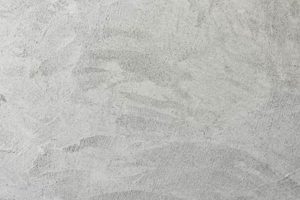
Texture is a primary design element in exterior applications, significantly influencing the aesthetic appeal and perceived quality of structures utilizing cement-based wall coatings. The selected finish can create a variety of visual effects, ranging from smooth and contemporary to rustic and traditional.
- Application Techniques
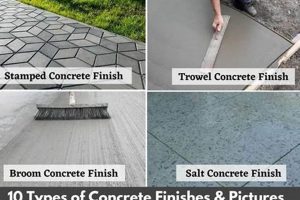
Various application techniques directly dictate the resulting texture. Trowel application can achieve smooth or subtly textured surfaces, while specialized tools like sponges, brushes, or combs can create more pronounced patterns. The choice of tool and the manner in which it is employed are critical in achieving the desired visual effect. For example, a “Spanish lace” texture is achieved through a specific trowel technique, while a “dash” finish involves spraying the material onto the surface. These methods alter how light reflects off the surface, impacting the overall visual impression.
- Aggregate Size and Type
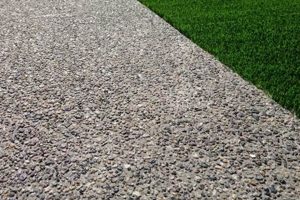
The size and type of aggregate used in the mixture contribute significantly to the final texture. Larger aggregates create a coarser, more rustic appearance, while finer aggregates yield a smoother finish. The inclusion of materials such as pebbles, shells, or glass can further enhance the textural complexity. The selection of aggregate is often dictated by the desired aesthetic and the surrounding architectural style. For instance, a building in a coastal environment might incorporate shells into the finish to reflect the local environment.
- Color Integration
The integration of color further enhances the impact of texture. Applying different colors to varying textured surfaces creates visual depth and emphasizes the three-dimensional qualities of the finish. Darker colors tend to accentuate texture, while lighter colors soften the appearance. Strategic use of color can highlight architectural features or create a specific mood or ambiance. For example, a deeply textured surface painted in a contrasting color will emphasize its rough features, creating a dramatic effect.
- Maintenance Considerations
The selected texture influences maintenance requirements. Rougher textures tend to trap dirt and debris more readily than smoother surfaces, necessitating more frequent cleaning. The chosen cleaning method must also be appropriate for the texture to avoid damaging the finish. Smooth surfaces are generally easier to clean and maintain, while textured surfaces may require specialized cleaning solutions or techniques. Therefore, the selection of texture should consider both aesthetic preferences and long-term maintenance requirements.
In conclusion, texture is an integral element of exterior cement-based wall coatings, impacting both the aesthetic appeal and practical considerations such as maintenance. The careful selection of application techniques, aggregate size and type, color integration, and an awareness of maintenance requirements ensures a durable and visually appealing final product.
4. Durability

The enduring nature of cement-based wall coatings is a critical performance characteristic, directly impacting the longevity and life-cycle cost of structures employing this finish. Resistance to weathering, impact, and abrasion are key components contributing to overall durability, determining its ability to withstand environmental stressors and physical damage over extended periods. The inherent composition and proper application techniques contribute directly to its structural integrity and resistance to degradation. For instance, a properly applied coating will exhibit greater resistance to cracking and delamination, ensuring long-term protection of the underlying substrate. This intrinsic property translates to reduced maintenance requirements and extended service life, making it a cost-effective solution for building exteriors.
Environmental factors such as freeze-thaw cycles, ultraviolet radiation, and moisture penetration pose significant challenges to the durability of exterior finishes. Properly formulated mixtures, incorporating appropriate admixtures, can mitigate these risks. Air-entraining agents enhance freeze-thaw resistance by creating microscopic air voids that relieve internal pressure. Sealants and coatings can reduce moisture penetration, preventing water damage and inhibiting the growth of mold and mildew. Furthermore, the application of a high-quality, UV-resistant topcoat can protect the finish from discoloration and degradation caused by prolonged exposure to sunlight. These considerations emphasize the importance of selecting appropriate materials and application techniques to maximize the durability of the finish in specific environmental conditions. A case study of buildings in the southwestern United States showcases the successful use of specific additives to enhance UV resistance, demonstrating the practicality of these measures.
In summary, durability is a foundational element in assessing the value and effectiveness of cement-based exterior finishes. Proper material selection, meticulous application, and proactive maintenance strategies are essential for maximizing its lifespan and ensuring long-term structural integrity. Understanding the factors influencing durability allows for informed decision-making, leading to cost-effective and sustainable building solutions. While challenges remain in addressing environmental stressors, ongoing research and development continue to improve the performance and longevity of these widely used exterior coatings.
5. Protection

The protective capabilities of cement-based exterior finishes are a primary determinant of their value and suitability for diverse building applications. These coatings function as a critical barrier against environmental elements, physical damage, and potential degradation mechanisms, safeguarding the structural integrity and longevity of the underlying building materials.
- Weather Resistance
This material provides a robust defense against moisture penetration, ultraviolet (UV) radiation, and temperature fluctuations. Its low permeability inhibits water intrusion, preventing damage from freeze-thaw cycles and reducing the risk of mold and mildew growth. UV-resistant additives can minimize discoloration and degradation caused by prolonged sun exposure. In regions with harsh climates, this weather resistance translates to reduced maintenance costs and extended service life for buildings employing this exterior treatment. Consider structures in arid environments, where its reflective properties reduce heat absorption, contributing to energy efficiency.
- Impact Resistance
The hardened surface offers a degree of impact resistance, protecting against minor collisions and abrasions that can compromise the integrity of the wall assembly. While not impenetrable, it provides a buffer against everyday wear and tear, reducing the likelihood of cracks, dents, or other forms of physical damage. In high-traffic areas or regions prone to severe weather, this impact resistance is a valuable asset, preserving the aesthetic appeal and structural soundness of buildings. A building situated near a busy road, for example, benefits from its ability to withstand impacts from debris.
- Fire Resistance
Cement-based materials inherently possess fire-resistant properties, providing a degree of protection against fire damage. They are non-combustible and can help slow the spread of flames, offering valuable time for evacuation and fire suppression efforts. Building codes often recognize this fire resistance, allowing for certain construction efficiencies when these finishes are employed. While it is not a substitute for comprehensive fire protection systems, it contributes to the overall fire safety of buildings. Many commercial buildings, for example, utilize this material as part of their fire-resistant design.
- Protection Against Insect Infestation
By creating a solid, seamless barrier, this finish can deter insect infestations. It eliminates potential entry points for insects that could damage the building’s structure or compromise its habitability. This is especially relevant in regions where termites or other wood-boring insects are prevalent. While not a guaranteed solution, it acts as a preventive measure, reducing the risk of costly insect damage. Homes in wooded areas, for instance, benefit from this protective layer against termites.
These protective facets collectively contribute to the value proposition, justifying its use in a wide range of construction projects. By mitigating environmental risks, resisting physical damage, and enhancing fire safety, this exterior finish safeguards the structural integrity and long-term performance of buildings, offering a durable and reliable protective solution. The benefits of using this material for protection extends its applicability beyond mere aesthetics to encompassing long-term building health and sustainability.
6. Maintenance
The longevity and aesthetic appeal of a cement-based exterior finish are intrinsically linked to consistent and appropriate maintenance practices. Without regular upkeep, the protective and decorative properties of the coating will diminish, leading to costly repairs and premature failure. The porous nature of some applications can allow for the accumulation of dirt, algae, and other environmental contaminants, impacting its appearance and potentially compromising its structural integrity. Furthermore, minor cracks or damage, if left unaddressed, can expand over time due to freeze-thaw cycles or moisture penetration, accelerating the deterioration process. Thus, maintenance is not an optional add-on but a fundamental component of ensuring the long-term performance of this exterior finish. Consider a residential building in a humid climate; without regular cleaning to remove algae growth, the finish will quickly become discolored and unsightly, reducing its curb appeal and potentially leading to moisture-related damage.
Specific maintenance tasks vary depending on the climate, application, and the type of finish. However, routine cleaning with a mild detergent and water is generally recommended to remove surface contaminants. Pressure washing can be effective for removing stubborn dirt or algae, but caution must be exercised to avoid damaging the surface. Inspections should be conducted regularly to identify and address any cracks, chips, or other forms of damage. Small cracks can often be repaired with patching compounds specifically designed for these materials. Larger cracks may require more extensive repairs, potentially involving the removal and replacement of damaged sections. In coastal areas, where salt spray is prevalent, more frequent cleaning may be necessary to prevent salt accumulation, which can accelerate corrosion and degradation. A commercial building near the ocean may need power washing semi-annually, coupled with crack sealing, to maintain its surface integrity.
In conclusion, the effective maintenance of a cement-based exterior is essential for maximizing its lifespan and preserving its aesthetic qualities. Neglecting maintenance can lead to significant deterioration and costly repairs. Regular cleaning, prompt repairs, and appropriate protective measures are key to ensuring the long-term performance and value of this common exterior finish. Although maintenance requirements add to the total life-cycle cost, they are significantly less than the cost of premature replacement, emphasizing the economic and practical significance of adhering to a consistent maintenance schedule. The effort invested in routine maintenance directly translates to enhanced durability, aesthetic appeal, and long-term cost savings.
Frequently Asked Questions
The following section addresses common inquiries regarding cement-based exterior finishes. Information provided aims to clarify prevalent misconceptions and offer practical guidance.
Question 1: Is a cement-based finish suitable for all climates?
The suitability of a cement-based exterior finish depends on specific climate conditions. While durable, extreme temperature fluctuations, excessive moisture, or prolonged exposure to harsh chemicals may necessitate specialized formulations or application techniques. Consultation with a qualified professional is advised to determine the optimal solution for a given environment.
Question 2: How does the cost of a cement-based finish compare to other exterior cladding options?
The cost of a cement-based exterior finish can vary depending on factors such as material selection, application complexity, and geographical location. Generally, it falls within a mid-range price point compared to alternatives like vinyl siding or brick veneer. Life-cycle costs, including maintenance and potential repairs, should also be considered when evaluating overall value.
Question 3: Can a cement-based finish be applied directly to wood framing?
Direct application of a cement-based exterior finish to wood framing is generally not recommended. Wood is susceptible to moisture damage, and direct contact with a cement-based product can exacerbate this issue. A suitable moisture barrier and lath system should be installed over the wood framing to provide a stable and durable substrate.
Question 4: What is the typical lifespan of a cement-based exterior finish?
The lifespan of a cement-based exterior finish can vary depending on factors such as material quality, application technique, environmental conditions, and maintenance practices. With proper installation and regular maintenance, it can last for several decades. Neglecting maintenance or exposing the finish to harsh conditions can significantly reduce its lifespan.
Question 5: Is a cement-based exterior finish environmentally friendly?
The environmental impact of a cement-based exterior finish depends on several factors, including the sourcing of materials, manufacturing processes, and the finish’s durability. Portland cement production is energy-intensive and contributes to greenhouse gas emissions. However, the use of recycled aggregates and supplementary cementitious materials can reduce the environmental footprint. A durable, long-lasting finish can also contribute to sustainability by reducing the need for frequent replacements.
Question 6: Can a cement-based exterior finish be painted?
A cement-based exterior finish can be painted, but specific paints formulated for masonry surfaces are recommended. Prior to painting, the surface should be clean, dry, and free from any loose debris. A primer may be necessary to ensure proper adhesion and prevent moisture from penetrating the finish. Regular repainting may be required to maintain the aesthetic appeal and protective properties of the finish.
In summary, understanding the nuances of this exterior finish is crucial for informed decision-making. Factors such as climate, cost, application methods, lifespan, environmental impact, and paint compatibility should be carefully considered.
The following section will explore potential future trends and innovations in this area of construction materials.
Conclusion
This exploration has detailed the multifaceted aspects of concrete stucco finish, encompassing its composition, application, texture, durability, protective capabilities, and maintenance requirements. Emphasis has been placed on the critical interplay between these elements in determining the long-term performance and aesthetic value of the material. Key considerations include proper surface preparation, adherence to mixing ratios, controlled application thickness, appropriate curing procedures, and consistent maintenance protocols. Furthermore, the discussion addressed common misconceptions and provided practical guidance through a series of frequently asked questions.
The enduring relevance of concrete stucco finish in construction underscores its balance of economic viability, design flexibility, and structural integrity. As building practices evolve, continued research and refinement of application techniques will be essential to maximizing its potential and addressing emerging challenges. Professionals should remain informed of advancements to leverage its benefits effectively and ensure responsible utilization in the built environment.