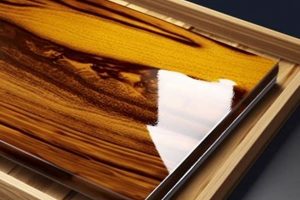
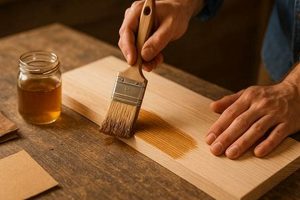
The concluding step in crafting a wooden vessel involves applying protective and aesthetic treatments to the surface. This process enhances the wood’s natural beauty while safeguarding it from environmental factors. An example includes applying several coats of food-safe oil to a maple creation, resulting in a lustrous, durable surface.
Properly executed, this culminating stage is paramount to the longevity and visual appeal of the piece. It shields the wood from moisture, preventing warping and cracking. Furthermore, it accentuates the grain and enriches the overall aesthetic, transforming a raw object into a refined and enduring artifact. Historically, various materials, from natural waxes to plant-based oils, have been utilized to achieve this protection and enhancement.
The subsequent discussion will delve into diverse methods and materials employed, focusing on achieving optimal results. Topics covered will include surface preparation techniques, selection of appropriate coatings, and application procedures for various protectants.
Enhancing Wooden Vessels
Achieving a professional, durable, and aesthetically pleasing result requires careful attention to detail and adherence to established best practices.
Tip 1: Surface Preparation is Paramount. Prior to application, ensure the surface is smooth and free of imperfections. Sanding with progressively finer grits is critical. Begin with a coarser grit to remove tool marks, then gradually refine the surface to at least 320 grit for optimal results.
Tip 2: Select an Appropriate Coating. Consider the intended use of the finished item when selecting a sealant. Food-safe oils are suitable for items used for serving or eating. Polyurethane or lacquer offer enhanced durability for decorative items.
Tip 3: Apply Thin, Even Coats. Multiple thin coats are preferable to a single thick application. This prevents runs, drips, and uneven drying. Allow each coat to dry completely before applying the next.
Tip 4: Consider the Environment. The drying environment significantly impacts the outcome. A dust-free, well-ventilated space is essential. Avoid applying protectants in humid conditions, as this can impede the drying process.
Tip 5: Buffing Enhances Sheen. After the final coat has cured, buffing with a soft cloth or buffing wheel can significantly enhance the sheen and smoothness of the surface.
Tip 6: Proper Curing Time is Crucial. Allow ample time for the coating to fully cure, according to the manufacturer’s instructions. Premature use can damage the freshly applied protectant.
Tip 7: Practice on Scrap Wood. Before applying anything to the finished creation, test the technique and coating on a piece of scrap wood from the same species. This allows refinement of the process and avoids potential errors on the final piece.
Tip 8: Safety Precautions. Always wear appropriate personal protective equipment, including gloves and a respirator, when working with sealants and solvents. Ensure adequate ventilation to avoid inhaling harmful fumes.
By meticulously following these guidelines, professionals can significantly improve the quality and longevity of their work, ensuring both visual appeal and protection against wear and tear.
The subsequent sections will explore specific coating options and their applications in greater detail.
1. Preparation

Preparation forms the bedrock upon which a successful surface treatment rests. The quality of this initial phase directly influences the adhesion, appearance, and longevity of the applied protectant. Inadequate preparation invariably leads to compromised results, regardless of the quality of materials used subsequently. This connection is causal: thorough surface preparation is a prerequisite for a superior final result.
The act of preparing a wooden object for a surface treatment involves removing imperfections, creating a uniform texture, and ensuring cleanliness. This often entails sanding, scraping, and the application of appropriate cleaning agents. For example, residual lathe marks on the interior of a turning will be magnified by the applied coating if left unaddressed. Similarly, dust particles trapped beneath a layer of sealant will create unsightly blemishes. The practical significance of understanding this lies in the avoidance of rework and wasted resources. Time invested in proper surface preparation is an investment in the overall quality and durability of the finished piece. Consider a scenario where a craftsman skips sanding steps; the coating might lift prematurely, requiring the entire process to be restarted. The time, effort, and materials lost highlight the importance of this initial preparation phase.
In summary, effective surface preparation is not merely a preliminary step but an integral component of the entire process. Neglecting this stage introduces risks that can undermine the entire endeavor. While challenges may arise, such as dealing with intricate designs or difficult-to-reach areas, the overarching principle remains: meticulous surface preparation is indispensable for achieving a professional and enduring surface treatment. This understanding links directly to the broader theme of quality craftsmanship, where attention to detail at every stage ensures a superior final product.
2. Material Selection
The selection of an appropriate material directly and significantly impacts the success and longevity of a surface treatment. The chosen material dictates the protection afforded to the wood, the final aesthetic appearance, and the suitability of the object for its intended use. This element is not merely a choice between options but a critical determination that profoundly affects the outcome. Improper material selection is a primary cause of premature failure, discoloration, or incompatibility with the wood substrate.
Consider the selection of a sealant for a salad bowl. If a non-food-safe varnish is applied, it presents a health hazard upon contact with food. Conversely, if a delicate wax is applied to a frequently used fruit bowl, it offers inadequate protection against moisture and wear, leading to rapid degradation. The practical consequence of this incorrect selection is clear: the piece becomes unusable or requires frequent reapplication of the protectant. A more appropriate selection, such as a food-safe oil or a durable, non-toxic resin, would enhance the piece’s longevity and ensure safe usage. Similarly, for a decorative item, a gloss or matte finish can alter the perceived formality and style of the piece.
In summary, careful material evaluation is crucial. Factors like intended use, wood species, and environmental conditions must be considered. An informed decision ensures durability, aesthetic appeal, and suitability for purpose. While the array of available options can be overwhelming, understanding the properties and limitations of each material is essential for effective surface treatments and highlights the inherent link to overall craftsmanship.
3. Application Technique
Application technique represents a pivotal stage in the process. The manner in which protective and aesthetic treatments are applied directly influences the uniformity, durability, and overall appearance of the finished surface. Inadequate application invariably leads to imperfections, compromised protection, and a reduction in the lifespan of the treatment. This aspect is not merely a procedural step but rather a critical determinant of the project’s success. A flawless surface requires a precise and controlled application technique.
The application process may involve brushing, spraying, wiping, or dipping, each method suited to particular materials and desired effects. For instance, uneven brushstrokes during varnish application result in visible ridges and an inconsistent sheen. Similarly, improper spraying can cause runs, orange peel texture, or insufficient coverage. Real-world examples illustrate the impact of application technique: a wiping varnish applied too thickly will lead to extended drying times and potential wrinkling; an oil protectant applied sparingly may fail to penetrate adequately, leaving the wood vulnerable to moisture. The practical significance of this understanding is evident in the avoidance of costly rework and material wastage. Mastering diverse application techniques allows for the achievement of professional-grade results.
In summary, effective application technique is indispensable for achieving a professional and long-lasting surface. Challenges, such as achieving a smooth, even finish on intricate designs, can be overcome with skill and meticulous attention. Mastering various techniques is essential.While challenges may arise, such as dealing with intricate designs or difficult-to-reach areas, the overarching principle remains: The final results are directly tied to the quality of its application.
4. Curing Process

The curing process represents the concluding phase following the application of a sealant and is critical to the overall quality and durability. This phase allows the applied coating to undergo chemical transformations, leading to hardening, cross-linking, and full development of its protective properties. The effectiveness of this process directly dictates the long-term performance of the application.
- Solvent Evaporation and Hardening
Many sealants contain solvents that must evaporate for the coating to harden. The curing process ensures the complete release of these solvents, preventing residual softness or tackiness. For instance, oil-based varnishes require extended curing times to allow for thorough solvent evaporation and the formation of a durable film. Incomplete solvent evaporation can result in a compromised finish that is prone to scratching or marring.
- Cross-Linking Reactions
Certain coatings, such as epoxy resins and catalyzed lacquers, undergo cross-linking reactions during curing. These reactions create a network of chemical bonds within the coating, enhancing its hardness, chemical resistance, and adhesion. Proper curing conditions, including temperature and humidity, are essential for facilitating these cross-linking reactions. Insufficient curing can lead to a brittle or weak finish that is susceptible to cracking or peeling.
- Shrinkage and Stress Relief
As a protectant cures, it often undergoes shrinkage, which can induce stress within the coating and at the interface with the wood substrate. Proper curing allows for gradual shrinkage, minimizing the risk of cracking or delamination. In instances where the wood expands and contracts due to environmental changes, a properly cured coating can better withstand these stresses, maintaining its integrity over time.
- Development of Final Properties
The curing process is essential for the full development of the desired properties, such as gloss, clarity, and chemical resistance. Premature use or exposure to harsh conditions before the coating is fully cured can compromise these properties. For example, placing a hot object on a freshly finished surface can leave a permanent mark or damage the uncured protectant. Allowing the coating to cure fully ensures that it achieves its intended level of performance and protection.
In conclusion, the curing process is not merely a passive waiting period but an active transformation essential for achieving a durable and aesthetically pleasing product. Control over curing conditions, adherence to manufacturer’s specifications, and patient avoidance of premature use all contribute to the success of the surface. These elements highlight the deep connection between the curing process and the ultimate quality and longevity of a project. The quality of a crafted wooden vessel cannot be divorced from the efficacy of the curing phase.
5. Safety Measures

Adherence to safety measures is paramount when undertaking surface treatments. These measures mitigate risks associated with handling chemicals, operating equipment, and managing airborne particulates, ensuring the well-being of the craftsperson and promoting a safe working environment.
- Ventilation and Respiratory Protection
Many sealants release volatile organic compounds (VOCs) during application and curing. Inhalation of these VOCs can lead to respiratory irritation, headaches, and long-term health problems. Adequate ventilation, achieved through open windows or exhaust fans, is essential to remove VOCs from the workspace. Respiratory protection, such as a properly fitted respirator with appropriate cartridges, provides an additional layer of safety by filtering out harmful airborne substances. The failure to implement adequate ventilation and respiratory protection can result in acute or chronic respiratory ailments.
- Eye and Skin Protection
Contact with sealants and solvents can cause irritation, burns, or allergic reactions. Eye protection, such as safety glasses or a face shield, safeguards against splashes and fumes. Skin protection, including gloves made of chemically resistant material, prevents direct contact with hazardous substances. For instance, prolonged exposure to certain solvents can strip the skin of its natural oils, leading to dryness, cracking, and dermatitis. Implementing appropriate eye and skin protection measures minimizes the risk of chemical injuries and dermatological problems.
- Fire Safety
Many sealants and solvents are flammable and can pose a fire hazard if not handled with care. Proper storage of flammable materials in approved containers, away from ignition sources, is crucial for preventing fires. Maintaining a clean and organized workspace reduces the risk of accidental spills and ignition. Having a fire extinguisher readily available and knowing how to use it can help to contain a fire in its early stages. Neglecting fire safety precautions can result in property damage, injuries, or even fatalities.
- Waste Disposal
Proper disposal of waste materials, such as used rags, empty containers, and leftover sealants, is essential for protecting the environment and preventing contamination. Many sealants and solvents are considered hazardous waste and must be disposed of in accordance with local regulations. Never pour waste materials down the drain or into the environment. Instead, collect them in designated containers and dispose of them at a certified hazardous waste facility. Improper waste disposal can lead to soil and water contamination, posing risks to human health and ecosystems.
These safety measures are not merely precautionary but integral to the responsible and skillful execution of a surface treatment. Consistent adherence to these protocols safeguards the individual, protects the environment, and contributes to the overall quality and integrity of the final piece.
6. Durability

Durability, in the context of wooden vessels, directly correlates to the quality of the surface treatment. The sealant acts as a barrier against environmental factors, physical abrasions, and chemical exposures that would otherwise degrade the wood over time. Inadequate surface protection leads to premature wear, cracking, warping, and eventual structural failure. This relationship demonstrates a clear cause-and-effect dynamic: a robust surface protectant contributes to extended lifespan, while a deficient one accelerates deterioration. For example, a salad bowl finished with a thin layer of mineral oil, lacking a more durable protectant, requires frequent re-application and remains susceptible to water damage, staining, and bacterial growth. In contrast, a decorative container treated with multiple coats of catalyzed varnish exhibits superior resistance to scratches, moisture, and UV light, thereby ensuring its longevity.
The selection of appropriate materials and application techniques constitutes a crucial factor in achieving desired durability. Polyurethane finishes, known for their hardness and resistance to abrasion, provide excellent protection for high-use items. Epoxies offer exceptional chemical resistance, making them suitable for bowls exposed to harsh cleaning agents. The application of multiple thin coats, followed by proper curing, allows for optimal film formation and bonding to the wood substrate. The correct selection and application ensures that the surface treatment effectively shields the wood, prolonging its structural integrity and aesthetic appearance. A piece protected with a poor technique would crack faster than others.
Effective surface treatments are essential for extending the usable life and maintaining the value of wooden vessels. While challenges such as selecting the appropriate protectant for specific applications or ensuring proper adhesion may arise, the overarching principle remains constant: prioritizing durability through quality surface treatment is paramount for preserving the longevity and functionality. This understanding underscores the link between conscientious craftsmanship and the creation of enduring objects.
7. Aesthetics

Aesthetics constitute an integral element within the realm of wood finishing, significantly impacting the perceived value and overall appeal. The choice of sealant, application technique, and surface preparation directly influence the aesthetic outcome. This connection is causal: deliberate attention to aesthetic considerations elevates the final product from a utilitarian object to an artifact possessing visual merit. For example, the application of a gloss varnish to a darkly stained bowl enhances the wood’s grain, creating a luxurious and reflective surface. Conversely, a matte protectant imparts a subtle, understated elegance suitable for contemporary designs. The skillful manipulation of color, sheen, and texture transforms a raw piece into a visually captivating creation.
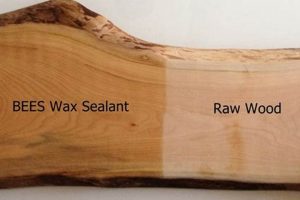
The impact extends beyond mere surface appearance. A well-executed finish enhances the wood’s inherent beauty, accentuating the grain patterns, figure, and natural color variations. In contrast, a poorly applied protectant can obscure these qualities, resulting in a dull or artificial appearance. The selection of appropriate stains or dyes allows for precise control over the color palette, enabling the creation of pieces that align with specific design aesthetics or personal preferences. Practical applications range from rustic, hand-rubbed oil finishes that emphasize the wood’s natural character to high-gloss lacquer finishes that convey a sense of formality and refinement. The aesthetic considerations should include the bowl’s function.
Understanding the relationship between aesthetics and the surface application is crucial for achieving optimal results. Challenges, such as matching the finish to the wood species or creating a consistent appearance across multiple pieces, can be overcome through careful planning and experimentation. Ultimately, prioritizing aesthetics elevates the craft of wood finishing, transforming functional objects into works of art and highlighting the profound link between craftsmanship and visual appeal. The success of applying treatments hinges on aesthetic value as one of the main component.
Frequently Asked Questions
This section addresses common inquiries regarding the proper techniques and considerations for achieving a durable and aesthetically pleasing surface.
Question 1: What is the most critical step in the surface process?
Surface preparation is paramount. A smooth, clean, and properly sanded surface ensures optimal adhesion and a flawless final appearance. Time invested in preparation yields significant dividends in the quality of the end product.
Question 2: What factors should guide the selection of the finishing material?
The intended use, wood species, and desired aesthetic influence material selection. Food-safe oils are suitable for items intended for food contact, while more durable sealants are appropriate for decorative pieces. Understanding the properties of various materials is crucial.
Question 3: How many coats of sealant should be applied?
Multiple thin coats are preferable to a single thick coat. Thin coats promote even drying, prevent runs and drips, and enhance durability through proper cross-linking of the sealant molecules.
Question 4: What is the ideal environment for curing a treated item?
A dust-free, well-ventilated environment promotes optimal curing. Avoid high humidity, as it can impede the drying process and compromise the integrity of the finished surface.
Question 5: How long should the finished bowl cure before use?
Adherence to the manufacturer’s recommended curing time is essential. Premature use can damage the freshly applied protectant and prevent it from fully developing its protective properties.
Question 6: What safety precautions should be observed during the surface process?
Adequate ventilation, respiratory protection, and eye and skin protection are essential. Many sealants contain volatile organic compounds and can cause irritation or health problems if inhaled or contacted directly.
Mastering the process requires diligence, informed material selection, and adherence to safety guidelines. These aspects are pivotal for achieving a result that both protects and enhances the object.
The subsequent section delves into advanced techniques and troubleshooting strategies.
The Culmination of Craft
The preceding exploration has detailed critical aspects of achieving superior results. Surface preparation, material selection, application technique, the curing process, safety measures, durability considerations, and aesthetic goals all contribute to the ultimate outcome. Thorough understanding and diligent application of these principles represent the difference between an adequate result and an enduring masterpiece.
Continued refinement of technique, coupled with a commitment to safety and quality, will ensure the preservation and enhancement of wooden creations for generations to come. The pursuit of excellence in this craft necessitates continuous learning and unwavering attention to detail.
![Buy Quality Finished Shelf Wood - [Your Brand] | Best Final Touch: Elevate Your Projects with Professional Finishing](https://bestfinaltouch.com/wp-content/uploads/2026/05/th-447-300x200.jpg "Buy Quality Finished Shelf Wood - [Your Brand] Best Final Touch: Elevate Your Projects with Professional Finishing")
![Buy Premium Walnut Finished Wood [Deals Inside] | Best Final Touch: Elevate Your Projects with Professional Finishing](https://bestfinaltouch.com/wp-content/uploads/2026/05/th-405-300x200.jpg "Buy Premium Walnut Finished Wood [Deals Inside] Best Final Touch: Elevate Your Projects with Professional Finishing")