Surface treatments applied to concrete countertops are designed to enhance both the aesthetic appeal and the functional properties of the material. These treatments can range from sealers that protect against stains and scratches to decorative techniques that impart color and texture. For example, a penetrating sealer can safeguard the concrete from oil and acid spills, while an integral pigment can introduce a desired hue throughout the countertop’s mass.
The application of surface treatments is crucial for ensuring the longevity and practicality of concrete countertops in various settings. These treatments contribute significantly to a countertop’s resistance to everyday wear and tear, as well as its ease of maintenance. Historically, the development of advanced treatments has broadened the appeal of concrete as a premium countertop material, extending its use from industrial applications to residential and commercial kitchens and bathrooms.
The following discussion will explore the diverse types of surface treatments available, examining their application methods, performance characteristics, and aesthetic impacts. Detailed consideration will be given to factors such as durability, stain resistance, and environmental considerations, providing a comprehensive overview for informed decision-making.
Guidance on Surface Treatments for Concrete Countertops
Selecting appropriate surface treatments is vital for optimizing the performance and visual appeal of concrete countertops. The subsequent guidelines offer insights into best practices for ensuring lasting quality and aesthetic satisfaction.
Tip 1: Select Appropriate Sealers: Prioritize sealers designed specifically for concrete countertops, considering factors such as food safety, stain resistance, and UV stability. Reactive sealers, for example, chemically bond with the concrete, offering superior protection against water and oil-based stains compared to film-forming sealers.
Tip 2: Consider Integral Pigments: If color is desired, utilize integral pigments during the concrete mixing process. This ensures uniform coloration throughout the countertop, minimizing the visibility of scratches or chips, unlike surface stains which can wear unevenly.
Tip 3: Implement Proper Surface Preparation: Before applying any surface treatment, thoroughly clean and prepare the concrete surface. This includes removing any dust, debris, or existing coatings. Grinding or polishing may be necessary to achieve a smooth and even substrate for optimal adhesion and appearance.
Tip 4: Apply Sealers in Multiple Thin Coats: Instead of a single thick coat, apply sealers in multiple thin coats, allowing each coat to fully cure according to the manufacturer’s instructions. This technique promotes better penetration and bonding, resulting in enhanced durability and protection.
Tip 5: Regularly Maintain the Surface: Implement a regular cleaning and maintenance schedule using pH-neutral cleaners specifically formulated for concrete. Avoid harsh chemicals or abrasive scrubbers, which can damage the surface and compromise the effectiveness of the treatments.
Tip 6: Consider Professional Application: For complex surface treatments, such as specialized polishing techniques or epoxy coatings, consider engaging a professional contractor with experience in concrete countertop finishing. This ensures proper application and minimizes the risk of errors that can compromise the final result.
Implementing these guidelines will contribute to the long-term performance and aesthetic appeal of concrete countertops, ensuring a durable and visually pleasing surface for years to come.
The article will now proceed to discuss specific types of surface treatments in greater detail, providing comprehensive information to facilitate informed decision-making.
1. Sealer Type

Sealer type constitutes a fundamental component of any concrete countertop finish system. The selection of an appropriate sealer directly determines the countertop’s resistance to staining, abrasion, and chemical attack. Penetrating sealers, for example, work by impregnating the concrete matrix, forming a barrier that repels liquids and prevents absorption. Conversely, film-forming sealers create a protective layer on the surface, offering resistance to scratching and abrasion. The inappropriate selection of a sealer can lead to premature deterioration of the concrete surface and aesthetic imperfections, thereby negating the benefits of other finishing processes.
The impact of sealer type is evident in various real-world scenarios. In a residential kitchen environment, a countertop finished with an epoxy-based sealer may exhibit superior resistance to acidic spills from citrus fruits compared to one treated with a water-based acrylic sealer. Similarly, in a high-traffic commercial setting, a polyurethane sealer can provide enhanced durability and resistance to wear from frequent use, whereas a less robust sealer might require more frequent reapplication. Understanding these performance characteristics enables informed decisions regarding sealer selection, ensuring that the chosen sealer aligns with the specific demands of the application.
In conclusion, the relationship between sealer type and overall finish performance is inextricably linked. The choice of sealer is not merely a superficial detail, but a critical factor that determines the longevity, functionality, and appearance of concrete countertops. Proper understanding and specification of sealer characteristics are paramount to achieving a durable and aesthetically pleasing concrete countertop finish.
2. Color Integration

Color integration represents a significant design consideration within concrete countertop finishing. The method by which color is introduced and distributed within the concrete matrix profoundly impacts the final aesthetic, durability, and perceived value of the finished product.
- Integral Pigments
Integral pigments are added directly to the concrete mix, resulting in a consistent color throughout the entire depth of the countertop. This method offers superior resistance to fading and wear, as any surface abrasion will not reveal a different underlying color. For example, a countertop using integral black pigment will maintain its dark hue even with minor scratches, unlike a surface stain which might expose the lighter concrete beneath. The use of integral pigments necessitates precise measurement and thorough mixing to ensure uniform color distribution.
- Surface Stains
Surface stains are applied after the concrete has cured, penetrating the surface to impart color. This technique allows for greater flexibility in color selection and the creation of unique, artistic effects, such as variegated or mottled finishes. However, surface stains are susceptible to wear and abrasion, potentially requiring periodic reapplication to maintain their original appearance. An example is the application of an acid stain to create a faux-marble effect, which, while visually striking, may fade over time in high-use areas.
- Dry Shake Hardeners
Dry shake hardeners are pigmented powders broadcast onto the surface of freshly poured concrete. These materials chemically bond with the concrete during the curing process, creating a hardened, colored surface layer. Dry shake hardeners offer improved abrasion resistance and can be used to create vibrant, durable colors. The use of a gray dry shake hardener on a concrete countertop can enhance the surface’s resistance to scratches, while simultaneously adding aesthetic appeal.
- Tinted Sealers
Tinted sealers provide both protection and color enhancement in a single application. These sealers contain pigments that impart color to the concrete surface while simultaneously providing a protective barrier against stains and water penetration. Tinted sealers offer a convenient way to add subtle color variations or enhance existing colors; however, they may require more frequent reapplication compared to integral pigments to maintain consistent color intensity. An example would be using a tinted sealer to deepen the color of a naturally gray concrete countertop.
The chosen method of color integration should align with the desired aesthetic, functional requirements, and budget constraints of the project. Careful consideration of the long-term performance characteristics of each technique is essential for achieving a durable and visually appealing concrete countertop finish. Ultimately, the successful integration of color enhances the inherent characteristics of the concrete, resulting in a custom countertop that complements the overall design.
3. Surface Texture

Surface texture, a critical aspect of concrete countertop finishes, significantly influences both the aesthetic appeal and functional performance of the material. The texture, achieved through various techniques, dictates the countertop’s tactile qualities, light reflectivity, and resistance to staining and wear. A coarse texture, for example, may provide enhanced slip resistance but also increase the surface area susceptible to liquid absorption. Conversely, a highly polished, smooth surface is less prone to staining and easier to clean, but may present a slippery surface when wet. The selection of an appropriate surface texture is, therefore, a pivotal decision in the finishing process. For instance, a kitchen countertop, frequently exposed to spills and food preparation activities, may benefit from a smoother, sealed texture to facilitate ease of cleaning and hygiene. In contrast, an outdoor bar countertop could utilize a slightly rougher texture to provide better grip and prevent items from sliding off, particularly in wet conditions.
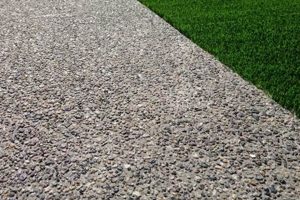
Techniques for achieving diverse surface textures include troweling, grinding, polishing, and acid etching. Troweling, typically employed during the concrete pouring phase, creates a relatively smooth surface, which can then be further refined through grinding and polishing. Grinding utilizes abrasive tools to remove surface imperfections and gradually expose the aggregate, resulting in a more textured finish. Polishing, on the other hand, employs progressively finer abrasives to achieve a highly reflective, smooth surface. Acid etching involves the application of acidic solutions to selectively dissolve the surface layer of the concrete, creating a textured, matte finish. The selection of technique often depends on the desired aesthetic, the type of concrete mix used, and the level of skill of the artisan. A terrazzo-style concrete countertop, for example, may require extensive grinding and polishing to expose the embedded aggregates, while a rustic-style countertop may benefit from acid etching to accentuate its natural imperfections.
In summary, surface texture is an indispensable component of concrete countertop finishes, directly affecting both the visual appeal and functional attributes of the finished product. Understanding the relationship between different texturing techniques and their resultant properties is crucial for achieving optimal outcomes. Challenges may arise in balancing the desired aesthetic with practical considerations such as stain resistance and ease of maintenance. Careful consideration of these factors ensures that the chosen surface texture contributes positively to the overall performance and longevity of the concrete countertop.
4. Edge Profile

The edge profile of a concrete countertop significantly influences both its aesthetic appeal and its functional performance. The contour and treatment of the edge are integral to the overall design and can impact factors such as durability, safety, and ease of maintenance. Consideration of the edge profile is therefore a critical component of the finishing process.
- Durability and Impact Resistance
The edge profile directly affects the vulnerability of the countertop to chipping and cracking. A sharp, 90-degree edge, for example, is more susceptible to damage from impact than a rounded or beveled edge. In high-traffic areas or households with young children, a softened edge profile can mitigate the risk of damage and prolong the lifespan of the countertop. A bullnose edge, with its smooth, rounded contour, is often preferred for its enhanced durability and safety.
- Aesthetic Integration
The edge profile serves as a visual transition between the countertop surface and the surrounding environment. The choice of edge can complement the overall design style, whether modern, traditional, or rustic. A waterfall edge, extending vertically down the cabinet face, creates a dramatic, contemporary look, while an ogee edge, with its curved and sculpted form, adds a touch of elegance. The selection of an appropriate edge profile is critical for achieving visual harmony within the space.
- Cleanability and Maintenance
The shape of the edge influences its ease of cleaning and maintenance. Intricate edge profiles with grooves or crevices can accumulate dirt and debris, making them more difficult to clean than simpler, smoother edges. A square edge, while aesthetically clean, may trap spills and require more diligent wiping. A slightly rounded or eased edge is generally easier to maintain, as it minimizes the accumulation of dirt and facilitates cleaning.
- Safety Considerations
The edge profile must consider safety, particularly in environments where children or elderly individuals are present. Sharp edges can pose a risk of injury from accidental contact. A bullnose or eased edge significantly reduces the risk of cuts and scrapes. The selection of an edge profile should prioritize safety, especially in areas where accessibility and universal design principles are important.
In conclusion, the edge profile is a multifaceted element of concrete countertop finishes, impacting durability, aesthetics, maintenance, and safety. The selection of an appropriate edge requires careful consideration of these factors, ensuring that the finished countertop is both visually appealing and functionally sound.
5. Maintenance Protocols
Maintenance protocols are intrinsically linked to the longevity and aesthetic preservation of concrete countertop finishes. The efficacy of any concrete countertop finish, regardless of its initial quality, is contingent upon the implementation of consistent and appropriate maintenance practices. Neglecting these protocols can lead to premature degradation of the surface, compromising both its visual appeal and its functional integrity. For instance, the failure to promptly address spills, particularly those containing acidic substances, can result in etching and staining, permanently marring the finish. Similarly, the use of abrasive cleaners can erode the protective sealer, rendering the countertop vulnerable to further damage. Therefore, maintenance protocols constitute a vital component of the overall concrete countertop finish system, acting as a safeguard against environmental stressors and daily wear and tear.
Specific maintenance protocols vary depending on the type of sealer applied to the concrete countertop. Penetrating sealers typically require less frequent but more specialized maintenance, such as the periodic application of a breathable wax or conditioner to replenish the protective barrier. Film-forming sealers, while often providing enhanced stain resistance, may necessitate more frequent cleaning with pH-neutral detergents to prevent the buildup of grime and maintain their aesthetic clarity. Real-world examples illustrate the practical significance of tailored maintenance protocols. A concrete countertop in a high-use commercial kitchen, sealed with a polyurethane coating, benefits from daily cleaning with a mild, non-abrasive cleaner to remove food particles and grease. Conversely, a residential bathroom countertop, sealed with a penetrating siloxane sealer, might only require weekly cleaning with a damp cloth and occasional reapplication of the sealer to maintain its water-repellent properties.
In summary, maintenance protocols are not merely an afterthought but an essential determinant of the long-term performance and appearance of concrete countertop finishes. The implementation of appropriate cleaning practices, coupled with periodic reapplication of sealers or protective coatings, is crucial for preserving the investment and ensuring continued satisfaction. Challenges in establishing and adhering to effective maintenance protocols can often be overcome through clear communication with clients or end-users, providing detailed instructions, and recommending suitable cleaning products. Ultimately, the success of any concrete countertop finish hinges on the consistent application of tailored maintenance practices, thereby guaranteeing its durability and aesthetic appeal for years to come.
Frequently Asked Questions
The following section addresses common inquiries regarding the selection, application, and maintenance of concrete countertop treatments. Information provided aims to clarify misconceptions and offer guidance for informed decision-making.
Question 1: What level of stain resistance can be expected from surface treatments on concrete countertops?
Stain resistance varies considerably depending on the type of sealer employed. Reactive sealers, which chemically bond with the concrete matrix, generally offer superior protection against oil and acid-based stains compared to film-forming sealers. Specific performance characteristics should be verified with the sealer manufacturer’s documentation.
Question 2: How does the choice of sealer affect the long-term maintenance requirements of concrete countertops?
Sealers influence the frequency and type of maintenance required. Penetrating sealers typically necessitate periodic reapplication or the use of specialized conditioners to replenish the protective barrier. Film-forming sealers may require more frequent cleaning with pH-neutral detergents to prevent the buildup of grime and maintain aesthetic clarity.
Question 3: Is it possible to repair scratches or chips in treated concrete countertops?
Minor scratches and chips can often be repaired using color-matched repair compounds specifically designed for concrete. Deeper damage may necessitate more extensive repairs, potentially involving the removal and replacement of the affected area. The feasibility of repair depends on the severity and location of the damage, as well as the type of finish applied.
Question 4: What factors should be considered when selecting integral pigments for concrete countertops?
Factors to consider include the desired color intensity, UV stability of the pigment, and compatibility with the concrete mix design. Inorganic pigments, such as iron oxides, generally exhibit superior UV resistance compared to organic pigments. The pigment should be thoroughly mixed with the concrete to ensure uniform color distribution.
Question 5: How does surface texture impact the cleanability and hygiene of concrete countertops?
Rough or porous surfaces can be more difficult to clean and may harbor bacteria. Smoother, sealed surfaces are generally more hygienic and easier to maintain. The selection of surface texture should balance aesthetic preferences with practical considerations regarding cleanability.
Question 6: What are the environmental considerations associated with different types of treatments for concrete countertops?
Some sealers may contain volatile organic compounds (VOCs) that can contribute to air pollution. Selecting low-VOC or zero-VOC sealers can minimize environmental impact. Additionally, the durability of the finish and the potential for future repairs should be considered, as longer-lasting finishes reduce the need for replacement and minimize waste.
In summary, informed decisions regarding surface treatments require a thorough understanding of the performance characteristics, maintenance requirements, and environmental considerations associated with different options.
The following section will provide a conclusion summarizing key aspects of concrete countertop finishes.
Conclusion
This exploration has detailed the critical role of surface treatments in achieving both the aesthetic and functional goals of concrete countertops. The selection of appropriate sealers, methods of color integration, surface textures, and edge profiles significantly impacts durability, maintenance requirements, and visual appeal. The information presented underscores the necessity for informed decision-making in the selection and application of these processes.
The future of concrete countertops lies in the continued development of innovative surface treatments that enhance performance and sustainability. Continued research and rigorous testing are essential to ensure the longevity and environmental responsibility of these applications. Therefore, a commitment to informed practices is paramount to fully realizing the potential of concrete as a premium surfacing material.