Surface treatments applied to freshly placed concrete to achieve desired aesthetics and performance characteristics are varied and essential. These processes influence the texture, smoothness, durability, and overall appearance of the hardened material. An example includes using a power trowel to create a smooth, dense surface on a concrete slab, enhancing its resistance to wear and improving its visual appeal.
Proper surface treatment is crucial for the longevity and functionality of concrete structures. It enhances resistance to abrasion, weathering, and chemical attack, ultimately reducing maintenance costs and extending the service life of the concrete. Historically, techniques have evolved from simple hand tools to sophisticated mechanical equipment, driven by advancements in construction technology and the increasing demands for higher quality and performance.
The following sections will detail various techniques, encompassing both manual and mechanical approaches, and their suitability for different applications. From broom finishing to specialized coatings, a spectrum of options exists to meet specific project requirements and design objectives. These methods and their impacts will be thoroughly explored.
Practical Guidance on Concrete Surface Treatments
Achieving optimal results requires careful planning and execution. The following recommendations offer valuable insights for ensuring durable and aesthetically pleasing results.
Tip 1: Proper Timing is Crucial: Commence surface treatments when the concrete has reached the appropriate stage of setting. Beginning too early can damage the surface, while delaying too long may hinder effective application.
Tip 2: Surface Preparation Matters: Ensure the concrete surface is clean and free of debris, laitance, or excess water. Adequate preparation is essential for proper bonding and a uniform finish.
Tip 3: Select the Right Tools: Employ appropriate tools and equipment based on the chosen technique and project specifications. Using the correct tools ensures efficiency and minimizes the risk of defects.
Tip 4: Maintain Consistent Techniques: Apply chosen techniques uniformly across the entire surface. Consistency is key to achieving a visually appealing and structurally sound finish.
Tip 5: Consider Environmental Factors: Account for environmental conditions such as temperature, humidity, and wind speed, as these can significantly impact the setting and curing process. Adjust techniques accordingly to mitigate potential issues.
Tip 6: Curing is Essential: Implement proper curing methods immediately after completing the surface treatment. Curing helps maintain moisture levels, promoting optimal hydration and strength development.
Tip 7: Protect the Finished Surface: Shield the treated surface from damage or contamination during the curing period. Protection ensures the integrity and appearance of the final product.
Adhering to these recommendations will significantly improve the quality and durability of concrete surfaces, resulting in long-lasting and visually appealing structures.
The subsequent sections will delve into specific applications and advanced considerations for achieving specialized results.
1. Surface Texture

Surface texture is a defining characteristic imparted by surface treatments, directly influencing the functionality, aesthetics, and safety of concrete structures. The selection of a specific surface finish is predicated on the intended use of the concrete element and desired performance criteria.
- Slip Resistance
The degree of roughness achieved on a concrete surface dictates its slip resistance. Broom finishes, for example, create a textured surface ideal for exterior walkways and driveways, mitigating the risk of slips and falls, particularly in wet conditions. Smooth-troweled surfaces, while aesthetically pleasing, may pose a hazard in areas prone to moisture accumulation.
- Aesthetic Considerations
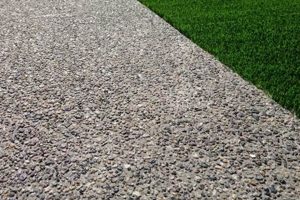
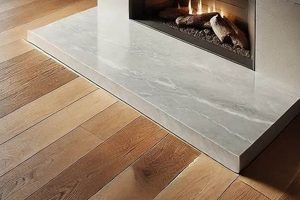
Surface texture plays a pivotal role in the overall aesthetic appeal of concrete structures. Exposed aggregate finishes reveal the natural beauty of the stone aggregate, offering a decorative alternative to plain concrete. Conversely, polished concrete surfaces provide a sleek, modern appearance, suitable for interior applications where visual appeal is paramount. The desired texture is selected in collaboration with the architect to satisfy the design intent.
- Durability and Wear Resistance
The texture of a concrete surface influences its resistance to abrasion and wear. A dense, hard-troweled surface exhibits enhanced durability in high-traffic areas, such as industrial floors and loading docks. Surface treatments like epoxy coatings can further enhance wear resistance, providing a protective barrier against mechanical damage and chemical attack.
- Light Reflectance
The reflectivity of a concrete surface is directly affected by its texture. Smoother surfaces tend to reflect more light, potentially reducing the need for artificial illumination in interior spaces. Conversely, textured surfaces diffuse light, minimizing glare and creating a more comfortable visual environment. This is often a key factor in the design of surfaces around buildings or areas to reduce glare.
The interplay between the selected method and the resultant texture is a critical consideration in concrete construction. A judicious selection based on intended use, safety requirements, and aesthetic considerations ensures a durable, functional, and visually appealing concrete structure. These aspects and more need to be carefully taken into consideration when planning and commencing work.
2. Tool Selection

The efficacy of any concrete finishing endeavor hinges significantly on the judicious selection of appropriate tools. Tools are not merely implements, but rather extensions of the craftsman’s skill, directly influencing the quality, texture, and longevity of the finished concrete surface. Inappropriate tools, or their improper application, can lead to defects, inconsistencies, and a compromised final product.
- Floats: Achieving Initial Surface Planarity
Floats, available in wood, magnesium, and composite materials, serve to level the concrete surface after screeding, embedding aggregate particles, and removing imperfections. Wood floats produce a coarser texture suitable for subsequent finishes, while magnesium floats create a smoother surface. The choice depends on the desired final texture and the specific aggregate characteristics. The improper selection of a float could lead to aggregate tearing or unwanted surface waviness.
- Trowels: Refining Surface Smoothness and Density
Trowels, typically steel or composite, are employed to refine the concrete surface, creating a smooth, dense, and durable finish. Hand trowels are used for edging and detail work, while power trowels expedite the finishing process on larger surfaces. The size, shape, and material of the trowel must be appropriate for the scale and complexity of the project. Over-troweling, for instance, can lead to surface discoloration or delamination.
- Edgers and Groovers: Defining Edges and Controlling Cracking
Edgers create rounded or beveled edges along concrete slabs, preventing chipping and spalling. Groovers, or jointing tools, create control joints, which are pre-planned lines of weakness that direct cracking caused by shrinkage and thermal expansion. The correct use of these tools is crucial for long-term structural integrity and aesthetic appeal. Improperly placed or executed joints can render them ineffective and contribute to uncontrolled cracking.
- Texturing Tools: Imparting Desired Surface Profiles
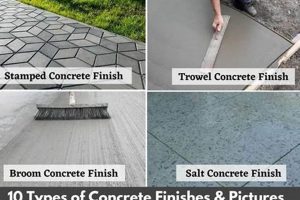
A variety of texturing tools, including brooms, stamps, and rollers, impart specific patterns and textures to the concrete surface. Broom finishes provide slip resistance, while stamped concrete replicates the look of natural stone or brick. The selection of the appropriate texturing tool depends on the desired aesthetic effect and functional requirements. Incorrect application can result in uneven textures or compromised surface durability.
In conclusion, tool selection is an integral component of successful concrete finishing. Each tool serves a specific purpose, and its proper application is essential for achieving the desired surface characteristics. A thorough understanding of tool functionalities, limitations, and interactions with concrete properties is paramount for ensuring a durable, aesthetically pleasing, and structurally sound finished product. Ignoring the importance of these tools can lead to costly repairs and premature deterioration of the concrete structure.
3. Timing
The correlation between timing and surface treatments is fundamental to the success of concrete work. Proper timing is not merely a procedural step, but an intrinsic factor that dictates the final characteristics of the surface. Commencing these processes too early or too late can have detrimental effects on the aesthetics, durability, and functionality of the hardened concrete.
The ‘window of opportunity’ for optimal treatment is dictated by the concrete’s hydration process. Beginning too soon, while the concrete is still excessively plastic, can lead to surface tearing, aggregate displacement, and the creation of an unstable finish. Conversely, delaying action until the concrete has hardened beyond a workable state renders many techniques ineffective, resulting in difficulties in achieving the desired texture or smoothness. For example, stamping concrete requires the material to have reached a specific level of plasticity to accept the pattern without deformation or cracking. Failure to commence stamping within this window can lead to blurred impressions or outright failure of the technique. In the same way, power troweling at the appropriate set point will create a smooth, durable surface whereas beginning too soon will damage the surface, while delaying too long may hinder effective application, leading to a rough and inconsistent surface.
The challenge lies in accurately assessing the concrete’s setting rate, which is influenced by factors such as ambient temperature, humidity, and the concrete mix design. Real-world examples highlight the consequences of misjudging this timing. Concrete slabs placed in hot weather often set rapidly, requiring expedited treatment to prevent premature hardening. Conversely, in cooler conditions, the setting time extends, necessitating careful monitoring to avoid commencing treatments before the concrete is sufficiently firm. Understanding this interplay, and the underlying science of cement hydration, is critical for preventing costly errors and ensuring high-quality results. Therefore, accurate assessment and proper knowledge leads to a professional and durable concrete finish. The correct execution of concrete finishing methods, with correct timing is a key component to structural success.
4. Curing Process

The curing process is inextricably linked to concrete surface treatments; it is not a separate stage, but a crucial continuation of the finishing operation. The selected finishing technique dictates the specific curing requirements, and the effectiveness of the curing directly impacts the long-term performance of the finished surface. Insufficient or improper curing undermines even the most expertly applied finishing techniques, leading to surface defects such as cracking, dusting, and reduced abrasion resistance. Curing preserves the moisture and temperature conditions necessary for cement hydration. Hydration, in turn, enables the concrete to gain its intended strength and durability, while also consolidating the surface, reducing permeability, and enhancing resistance to environmental stressors. For example, a concrete floor finished with a polished surface requires a consistent and controlled curing regime to prevent surface crazing or discoloration. Conversely, a broom-finished surface intended for exterior use may necessitate a curing method that provides greater protection against rapid moisture loss due to wind or sun exposure.
The practical significance of understanding the connection between the curing process and surface treatments is substantial. Concrete contractors must recognize that curing is not merely an afterthought but an integral part of the overall surface treatment methodology. This understanding informs decisions regarding the selection of curing methods, the timing of application, and the duration of curing. For instance, a curing compound applied too early may interfere with the surface finish or result in uneven color. Furthermore, improper selection of a curing method can lead to negative consequences. Membrane-forming curing compounds are frequently employed to seal in moisture. However, in situations involving subsequent coatings or toppings, such compounds may impede the bonding of these later layers if not properly removed or if an incompatible compound is used. Failure to account for these interactions can lead to costly rework and compromised structural integrity.
In summary, the curing process is an indivisible component of surface treatments, and its effective execution is paramount for achieving durable and aesthetically pleasing concrete surfaces. Challenges arise from the variability of environmental conditions, the diversity of finishing techniques, and the complexity of concrete mix designs. Addressing these challenges requires a holistic approach that integrates knowledge of concrete science, surface treatment methods, and curing best practices. By recognizing the critical interplay between these elements, construction professionals can ensure the long-term performance and sustainability of concrete infrastructure.
5. Jointing

Jointing, an essential aspect of concrete construction, is directly linked to the success and longevity of any applied surface treatments. Joints, whether control, expansion, or construction joints, are intentionally created planes of weakness designed to accommodate movement within the concrete slab due to shrinkage, thermal expansion, and other stresses. Without proper jointing, these stresses will manifest as uncontrolled cracking, undermining the integrity and aesthetics of the finished surface. The placement, type, and execution of joints must be carefully coordinated with the intended finishing methods. For instance, the location of control joints must be considered when planning decorative saw cuts or stamped patterns to ensure visual harmony and structural effectiveness. A concrete floor intended to be polished requires strategically placed joints to prevent cracking that would detract from the smooth, reflective surface. Saw-cut joints should be executed at the appropriate time, typically within 4 to 12 hours after placement, to induce cracking along the joint line before uncontrolled cracks appear elsewhere. Failure to properly time and execute these cuts can result in unsightly and structurally damaging cracks that negate the benefits of any high-quality finish.
The integration of jointing and surface treatments extends beyond aesthetic considerations. Joints also serve a functional purpose by allowing for differential movement between concrete sections. This is particularly crucial in large slabs or areas subjected to significant temperature fluctuations. Expansion joints, for example, are designed to accommodate expansion and contraction without transmitting stress to adjacent sections. When applying coatings or toppings, it’s imperative that these joints are honored through the applied material. Bridging over expansion joints with a rigid coating will inevitably lead to cracking and failure of the coating at the joint location. Therefore, proper detailing and sealing of joints are essential to maintain the integrity and performance of the entire concrete system. This often involves the use of flexible joint sealants that can accommodate movement without compromising the bond to the adjacent concrete surfaces.
In conclusion, jointing is an indispensable component of successful concrete surface treatments. Careful planning and execution of jointing details, in coordination with the selected finishing methods, are critical for achieving durable, aesthetically pleasing, and structurally sound concrete surfaces. The lack of attention to jointing can lead to costly repairs and premature deterioration of the finished product. Construction professionals must recognize the importance of jointing and integrate it into every phase of the project, from design to execution, to ensure optimal results.
6. Reinforcement

Reinforcement within concrete structures significantly influences the application and outcome of surface treatments. The type, placement, and quantity of reinforcing steel, fibers, or other materials impact the concrete’s behavior under stress, consequently affecting the selection and execution of appropriate finishing methods.
- Crack Control and Minimization
Reinforcement is primarily intended to control tensile stresses within the concrete, thereby minimizing cracking. The presence and distribution of reinforcement dictate the size and spacing of cracks that may form due to shrinkage, thermal expansion, or applied loads. Finishing methods must account for this. For example, when polishing concrete with closely spaced reinforcement, careful attention must be paid to avoid exposing the steel, which could lead to corrosion and staining. Conversely, in lightly reinforced slabs, the finishing techniques need to be carefully chosen to avoid inducing stresses that could exacerbate cracking.
- Impact on Surface Profile and Texture
The proximity of reinforcement to the surface can influence the achievable surface profile and texture. In situations where reinforcement is placed close to the surface, it may create localized variations in concrete density and workability. This can manifest as subtle differences in color or texture after finishing. For instance, during grinding or polishing operations, areas directly above reinforcement may exhibit a slightly different sheen or aggregate exposure compared to surrounding areas. This effect necessitates careful adjustment of finishing techniques to ensure a uniform and aesthetically pleasing result.
- Compatibility with Overlay Systems
The presence of reinforcement must be considered when applying overlay systems or coatings to concrete surfaces. In situations where the concrete substrate has undergone significant cracking due to inadequate reinforcement or other factors, the cracks may propagate through the overlay system, compromising its performance. Proper surface preparation, including crack repair and reinforcement of weakened areas, is crucial to ensure the long-term integrity of the overlay. Additionally, the type of reinforcement used can influence the choice of overlay materials. For example, if the concrete contains fibers, the overlay material must be compatible with the fiber type to prevent delamination or other adhesion problems.
- Influence on Curing Practices
Reinforcement indirectly affects curing practices. Concrete with adequate reinforcement typically experiences reduced shrinkage cracking, allowing for more uniform and effective curing. This is particularly important for surface treatments that rely on consistent moisture levels for proper hydration and strength development. In contrast, inadequately reinforced concrete may exhibit more pronounced shrinkage cracking, requiring specialized curing techniques, such as the use of moisture-retentive covers or frequent applications of water, to mitigate moisture loss and promote proper hydration. Also, proper surface treatment can minimise need for curing process to maintain durability.
In conclusion, reinforcement and its interaction with stress distribution are critical considerations in the application of concrete finishing methods. By understanding these relationships, construction professionals can select appropriate finishing techniques and curing practices to achieve durable, aesthetically pleasing, and structurally sound concrete surfaces. Proper integration of reinforcement design and surface treatment planning is key to optimizing the overall performance of concrete structures.
Frequently Asked Questions
This section addresses common inquiries and clarifies misconceptions regarding surface treatments applied to concrete. It provides concise, factual answers to assist in making informed decisions about appropriate techniques.
Question 1: What is the primary purpose of surface treatments applied to concrete?
Surface treatments serve to enhance the durability, aesthetics, and functionality of concrete. They can improve resistance to abrasion, weathering, and chemical attack, while also providing a desired texture or appearance.
Question 2: How does timing affect the outcome of surface treatments?
The timing of surface treatments is critical. Applying them too early can damage the surface, while delaying application can hinder effectiveness. The optimal window depends on the concrete’s setting rate, which is influenced by temperature, humidity, and mix design.
Question 3: What role does curing play in the overall process?
Curing is essential for maintaining moisture levels in the concrete, allowing for proper hydration and strength development. It is a continuation of the finishing operation and directly impacts the long-term performance of the treated surface.
Question 4: Why are joints necessary in concrete slabs?
Joints accommodate movement within the concrete caused by shrinkage and thermal expansion. They prevent uncontrolled cracking, which can compromise the integrity and appearance of the finished surface.
Question 5: How does reinforcement affect the choice of surface treatments?
The type, placement, and quantity of reinforcement influence the concrete’s behavior under stress. This, in turn, affects the selection and execution of appropriate finishing methods to minimize cracking and ensure a uniform surface.
Question 6: What factors should be considered when selecting a surface treatment method?
Key factors include the intended use of the concrete, the desired aesthetic appearance, the environmental conditions, and the available budget. A thorough understanding of these factors is crucial for selecting the most suitable technique.
In summary, the successful application of surface treatments requires careful planning, proper timing, appropriate tool selection, and effective curing practices. An understanding of these factors is essential for achieving durable and aesthetically pleasing concrete surfaces.
The following sections will delve into specific advanced methods for further learning.
Conclusion
This exploration has detailed the critical aspects of concrete finishing methods, emphasizing the profound impact of timing, tool selection, proper curing, strategic jointing, and reinforcement considerations. The selection and execution of these techniques directly influence the longevity, aesthetics, and functionality of concrete structures. A thorough understanding of these principles is paramount for achieving optimal results.
The ongoing pursuit of innovation and refinement in concrete finishing remains essential. As materials science advances, and new construction challenges emerge, the continued development of effective and sustainable concrete finishing methods becomes increasingly vital. Continued research, rigorous training, and adherence to best practices will ensure the durability and resilience of concrete infrastructure for generations to come.