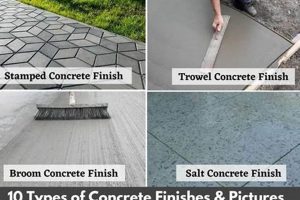
The surface appearance of hardened cementitious material, achieved through various techniques during or after the placement process, plays a significant role in the overall aesthetic and functional characteristics of a structure. These techniques impart varying degrees of roughness, smoothness, or decorative patterns to the surface. For example, a broom finish creates a striated, slip-resistant surface commonly used on sidewalks, while a polished surface provides a smooth, reflective appearance often seen in interior flooring applications.
The selection of a specific surface treatment is influenced by a multitude of factors, including intended use, design considerations, and environmental conditions. Appropriate surface treatments can enhance durability by increasing resistance to abrasion, weathering, and chemical attack. Historically, surface modification techniques have evolved from simple methods like hand troweling to more sophisticated approaches involving power tools and specialized admixtures, reflecting advancements in construction technology and aesthetic preferences.
Understanding the different methods for achieving desired surface qualities is essential for architects, engineers, and contractors. Subsequent sections will delve into specific techniques, discussing their applications, advantages, and disadvantages. Furthermore, the article will explore the influence of these surface treatments on structural integrity, maintenance requirements, and overall project cost.
Guidance on Surface Treatment Selection and Application
Achieving the desired aesthetic and functional properties requires careful consideration of several factors during the selection and application process.
Tip 1: Prioritize Performance Requirements: The intended use dictates the required performance characteristics. For exterior applications exposed to freeze-thaw cycles, ensure the selected approach is resistant to scaling and cracking. Consider slip resistance for pedestrian areas.
Tip 2: Evaluate Environmental Conditions: Temperature, humidity, and wind speed affect the curing process and, consequently, the final surface. Implement appropriate protection measures, such as windbreaks or shading, to maintain optimal curing conditions.
Tip 3: Adhere to Proper Mixing and Placement Techniques: Consistent mixing and placement are crucial for achieving uniform appearance and performance. Avoid overwatering the mixture, as this can weaken the surface layer.
Tip 4: Consider Aggregate Exposure Options: The selection of aggregate and the degree of exposure significantly influence the final aesthetic. Understand the properties of available aggregates and the appropriate techniques for achieving the desired level of exposure.
Tip 5: Utilize Control Joints Strategically: Proper placement of control joints minimizes cracking caused by thermal expansion and contraction. Ensure joints are properly sealed to prevent water infiltration and subsequent damage.
Tip 6: Implement Curing Procedures Rigorously: Proper curing is essential for hydration and strength development. Select a curing method appropriate for the environmental conditions and the chosen material, such as wet curing, curing compounds, or plastic sheeting.
Tip 7: Implement Surface Sealers: Surface sealers can improve durability and enhance the aesthetic appeal. Select a sealer appropriate for the intended use and environmental conditions. Apply the sealer according to the manufacturer’s instructions.
Careful consideration of performance, environment, material, and application methods will result in a durable and aesthetically pleasing outcome that meets project requirements.
The subsequent section will focus on specific techniques to improve durability.
1. Surface Smoothness
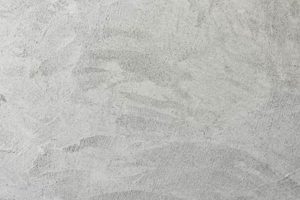
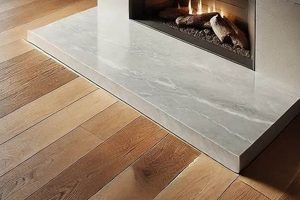
Surface smoothness, in the context of hardened cementitious materials, refers to the degree of undulation or texture present on the exposed face. This characteristic is inextricably linked to the overall aesthetic and functional properties. The creation process dictates the level of smoothness achieved, ranging from highly polished, reflective surfaces to rough, textured finishes. The intended application determines the acceptable range of surface smoothness; for example, countertops benefit from a high degree of smoothness for ease of cleaning and hygienic reasons, while exterior pavements require a degree of roughness to provide adequate slip resistance.
The methods employed to achieve a specific level of surface smoothness vary considerably, each influencing the final appearance. Power troweling, polishing, and the application of self-leveling overlays are examples of techniques used to create smooth surfaces. Conversely, techniques such as broom finishing, salt finishing, and exposed aggregate result in textured surfaces. The selection of appropriate materials and admixtures also plays a critical role. For instance, the use of high-range water reducers can improve workability, leading to a denser, smoother surface. The timing of finishing operations is also crucial, as premature or delayed finishing can adversely affect the resulting smoothness and appearance.
Achieving the desired level of surface smoothness presents several challenges. Variations in aggregate size and distribution, inconsistencies in the mixing process, and environmental factors such as temperature and humidity can all impact the final result. The cost associated with achieving different levels of surface smoothness varies significantly, with highly polished surfaces requiring specialized equipment and skilled labor. Understanding the relationship between surface smoothness and other surface characteristics and their impact on structural integrity, maintenance needs, and project cost is crucial for successful implementation.
2. Aggregate Exposure

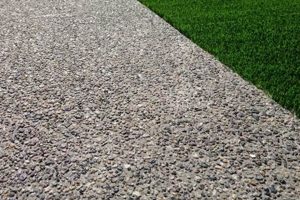
Aggregate exposure is a significant determinant of surface qualities, representing a deliberate or incidental revealing of the granular material within the hardened cement matrix. The degree and type of aggregate revealed directly influence the visual and tactile characteristics of the surface. Cause-and-effect is evident: techniques such as abrasive blasting, water blasting, chemical retarders, or manual scrubbing erode the surface paste, revealing the underlying aggregate. The intended result may range from subtle hints of color and texture to bold displays of large, decorative stones. Its importance as a component is underscored by its ability to dramatically alter both aesthetics and functionality. For example, exposing coarse aggregates creates a highly slip-resistant surface suitable for walkways and pool decks, while finer aggregates can contribute a more refined, decorative appearance.
The selection of aggregate plays a pivotal role in achieving the desired appearance. Materials can be chosen based on color, size, shape, and hardness. Different types of aggregates offer varying levels of resistance to wear and weathering. Practical applications span a wide spectrum, from architectural precast panels with precisely controlled exposure to simple driveways with a more rustic, natural look. In infrastructure projects, aggregate exposure can enhance the durability of bridge decks and pavements by increasing the surfaces resistance to abrasion from vehicular traffic and improving skid resistance. Furthermore, specialized aggregates, such as those containing photocatalytic materials, can be used to improve air quality in urban environments.
In summary, the intentional revelation of granular material is a powerful tool in manipulating surface characteristics. Challenges include achieving uniform exposure across large areas and mitigating the potential for aggregate pop-outs due to improper material selection or installation techniques. Understanding the interplay between aggregate type, exposure method, and environmental conditions is crucial for maximizing the aesthetic and functional benefits of this technique, contributing significantly to the broader field of surface treatment design and construction.
3. Color variations

Color variations, an inherent characteristic of cementitious materials, significantly impact the final aesthetic of a surface. These variations manifest as subtle shifts in hue, saturation, or value across the plane of the surface. The interplay between material composition, placement techniques, and environmental conditions governs the extent and distribution of these color differences. Cement type, aggregate source, water-cement ratio, and curing methods are all contributing factors. Uneven hydration of cement, localized differences in aggregate distribution, or inconsistencies in the application of release agents can lead to noticeable mottling or shading. Achieving a uniform color requires meticulous control over these variables, often necessitating specialized admixtures or surface treatments.
The selected method used to alter the surface significantly influences how color variations are perceived. Polished surfaces, due to their reflective nature, tend to accentuate even minor color differences. Conversely, textured surfaces scatter light, potentially masking subtle variations. The application of stains, dyes, or integral color pigments can introduce controlled color variations to achieve specific design effects. For example, acid staining reacts with the cement matrix to create unique, mottled patterns, while integral pigments provide uniform color throughout the material. In architectural applications, carefully planned color variations can mimic natural stone patterns or create visually dynamic surfaces. Control joints, if not properly addressed, can disrupt color uniformity by creating distinct lines or shadows.
Color variations are an unavoidable characteristic, their management being crucial for aesthetic success. Understanding the underlying causes and implementing appropriate control measures are essential. Challenges lie in predicting and mitigating uncontrolled variations while harnessing controlled variations to enhance visual appeal. The integration of color planning with surface modification strategies is integral to achieving design goals and ensuring long-term aesthetic satisfaction. The careful consideration of color consistency, along with attention to the surface qualities, contributes to the overall durability and visual appeal of the final product.
4. Pattern depth

Pattern depth, in the context of surface treatments, refers to the vertical dimension of indentations or protrusions impressed upon the surface. It exerts a considerable influence on both the aesthetic and functional properties. The degree of deviation from a perfectly planar surface determines the visual impact and tactile experience, while also affecting parameters such as slip resistance and drainage. The selection and execution of specific techniques dictates the pattern depth achieved, with implications for structural integrity and long-term maintenance.
- Influence on Slip Resistance
Increased pattern depth correlates directly with enhanced slip resistance. Deeper indentations provide more points of contact for footwear, improving traction, particularly in wet or icy conditions. Examples include deeply grooved broom finishes on sidewalks or stamped patterns on pool decks. However, excessive pattern depth can create cleaning challenges and may be less desirable in interior applications where ease of maintenance is paramount.
- Impact on Aesthetic Appeal
Pattern depth is a key factor in the visual impact of the finished surface. Shallow patterns may create subtle textures that enhance the natural appearance of the material, while deeper patterns can mimic the look of stone or other natural materials. Stamped techniques allow for the creation of intricate patterns with varying depths, providing considerable design flexibility. However, excessively deep or complex patterns may appear artificial or detract from the overall aesthetic.
- Role in Drainage and Water Runoff
Pattern depth can contribute to improved drainage and water runoff on exterior surfaces. Channels or grooves with sufficient depth can effectively direct water away from the surface, reducing the risk of hydroplaning and improving safety. Examples include textured surfaces on bridge decks or parking lots designed to promote rapid water drainage. However, inadequate pattern depth may be insufficient to effectively manage water runoff, leading to standing water and potential hazards.
- Effect on Durability and Wear Resistance
Pattern depth can influence the durability and wear resistance. Properly executed patterns can distribute stress and reduce the concentration of wear on specific points. For example, textured surfaces on industrial floors can withstand heavy traffic and resist abrasion better than smooth surfaces. However, poorly executed patterns or insufficient pattern depth may create weak points that are susceptible to damage or deterioration over time.
In conclusion, pattern depth is a critical design element affecting both the aesthetic and functional characteristics of surface treatments. Careful consideration of the intended use, environmental conditions, and maintenance requirements is essential for selecting the optimal pattern depth. Achieving the desired effect requires skilled execution and attention to detail, ensuring that the selected pattern complements the overall design while providing the necessary performance characteristics.
5. Slip resistance

Slip resistance, a critical safety characteristic, is directly and demonstrably influenced by surface treatments. The texture imparted to a surface dictates the coefficient of friction, thereby determining the likelihood of slips and falls. A smooth surface offers minimal friction, increasing the risk of slippage, especially when wet. Conversely, a rough or textured surface provides greater frictional resistance, reducing the potential for accidents. This cause-and-effect relationship underscores the importance of selecting appropriate methods to achieve adequate slip resistance in areas subject to pedestrian or vehicular traffic. For example, broom finishes, exposed aggregate, and stamped patterns are frequently employed to enhance traction on sidewalks, driveways, and pool decks.
The practical significance of understanding this connection is evident in building codes and safety regulations, which often specify minimum slip resistance requirements for various applications. Failure to meet these standards can result in liability issues and compromise public safety. Textured finishes are particularly important in environments where water, oil, or other contaminants may be present, as these substances can significantly reduce the coefficient of friction on smooth surfaces. Consider the grooved surfaces found in industrial settings or loading docks, designed to provide adequate traction despite the presence of spills. Similarly, textured finishes are frequently used in hospitals and elderly care facilities to minimize the risk of falls among vulnerable populations.
In conclusion, the selection of surface treatments to achieve adequate slip resistance is a paramount consideration in construction and design. The texture of a surface directly impacts safety and functionality. Challenges lie in balancing the need for slip resistance with aesthetic considerations and ease of maintenance. By carefully considering the intended use of the surface and the potential for slip hazards, architects, engineers, and contractors can specify treatments that provide a safe and visually appealing environment. Moreover, regular maintenance and cleaning are essential to preserve the intended slip resistance throughout the lifespan of the surface.
6. Durability enhancement

Surface texture and the methods employed to achieve it demonstrably influence the lifespan and resilience of cementitious materials. Specific treatments are not merely aesthetic choices; they are integral to mitigating various forms of degradation. For example, a dense, polished surface reduces porosity, limiting the ingress of water and chlorides that can initiate corrosion of reinforcing steel or induce freeze-thaw damage. Similarly, specialized coatings applied to textured surfaces provide a barrier against chemical attack from acids, alkalis, or sulfates present in the environment. The proper selection and application of techniques, therefore, serve as a critical line of defense against premature deterioration, ensuring long-term structural integrity.
The practical application of this understanding is evident in infrastructure projects designed for harsh environments. Bridge decks, exposed to de-icing salts and constant vehicular traffic, often incorporate surface treatments that enhance durability. These may include low water-cement ratio mixes with densified surfaces or the application of penetrating sealers to minimize chloride penetration. In industrial settings, where surfaces are subjected to chemical spills and abrasion, specialized coatings resistant to specific corrosive agents are essential. Furthermore, the implementation of proper curing techniques, such as wet curing or the application of curing compounds, promotes complete hydration of the cement matrix, resulting in a denser, more durable surface. Each of these examples illustrates the direct impact of surface modification on extending service life and reducing maintenance costs.
In conclusion, surface textures are not merely aesthetic considerations; they are integral to ensuring long-term durability. The selection of methods must consider the specific environmental conditions and potential degradation mechanisms. Challenges exist in balancing aesthetic preferences with functional requirements, and in ensuring proper application techniques to achieve the desired performance characteristics. However, a comprehensive understanding of the interplay between surface properties, material selection, and environmental factors is essential for maximizing the lifespan and minimizing the life-cycle costs of cementitious structures. Integrating durability enhancement strategies into initial design considerations represents a proactive approach to ensuring sustainable and resilient infrastructure.
7. Maintenance requirements
The maintenance burden associated with cementitious surfaces is significantly influenced by the chosen surface treatment. The texture, porosity, and protective coatings applied during the finishing process directly impact the frequency and intensity of required maintenance activities, subsequently affecting long-term costs and aesthetic preservation.
- Surface Porosity and Cleaning Frequency
Surfaces with high porosity, such as exposed aggregate, tend to accumulate dirt, stains, and organic growth more readily than smoother, denser surfaces. Consequently, they necessitate more frequent cleaning to maintain their intended appearance. Pressure washing or specialized cleaning solutions may be required to remove embedded contaminants. In contrast, polished or sealed surfaces resist staining and require less frequent cleaning, often only needing routine sweeping and mopping.
- Abrasion Resistance and Protective Coatings
The inherent abrasion resistance of a surface, and whether it has a protective coating applied, influences its susceptibility to wear and damage from foot traffic, vehicular traffic, or mechanical equipment. Surfaces with low abrasion resistance, such as lightly broom-finished driveways, may require periodic resealing or resurfacing to repair scratches, cracks, or scaling. Applying protective coatings, such as epoxy or polyurethane sealers, enhances abrasion resistance and reduces the need for extensive repairs. The type of coating selected should be appropriate for the anticipated traffic and environmental conditions.
- Joint Maintenance and Water Infiltration
The presence of joints, control joints, or expansion joints is an inherent aspect of cementitious construction, and their maintenance is critical for preventing water infiltration and subsequent damage. Textured surfaces, particularly stamped surfaces with complex patterns, often have more intricate joint patterns, increasing the potential for water penetration if joints are not properly sealed and maintained. Routine inspection and resealing of joints are essential to prevent water damage, freeze-thaw cracking, and the growth of mold or mildew.
- Stain Resistance and Chemical Exposure
The selected texture and any applied sealers dictate the resistance to staining and chemical exposure. Porous surfaces, such as those with exposed aggregate, are more susceptible to staining from oil, grease, or other contaminants. Acidic or alkaline chemicals can also damage or etch unprotected surfaces. The application of stain-resistant sealers or coatings provides a protective barrier, reducing the likelihood of permanent staining and facilitating easier cleaning. The choice of sealer should be based on the potential for chemical exposure and the desired level of stain resistance.
In summary, the texture imparted during the finishing process is a primary determinant of long-term maintenance needs. Strategies to minimize maintenance requirements involve selecting durable materials, applying appropriate protective coatings, properly sealing joints, and implementing regular cleaning protocols. A proactive approach to maintenance, tailored to the specific characteristics of the surface, is essential for preserving its aesthetic appeal and structural integrity over time.
Frequently Asked Questions about Surface Treatments
This section addresses common inquiries regarding the impact, selection, and maintenance of surface treatments applied to hardened cementitious materials.
Question 1: What factors dictate the optimal surface for a given application?
The intended use, environmental exposure, and aesthetic requirements should dictate surface type selection. Exterior applications necessitate slip resistance and freeze-thaw durability, while interior applications prioritize aesthetics and ease of cleaning. Consideration of life-cycle costs, including maintenance requirements, is also paramount.
Question 2: How does the type of aggregate influence its impact?
Aggregate characteristics such as size, shape, color, and hardness significantly affect both the aesthetic and functional properties. Decorative aggregates can enhance visual appeal, while harder aggregates improve abrasion resistance. The aggregate must be compatible with the cement matrix and resistant to degradation from environmental factors.
Question 3: What role does proper curing play in determining the final outcome?
Proper curing is essential for achieving optimal hydration and strength development. Inadequate curing leads to surface cracking, reduced durability, and increased permeability. Curing methods should be selected based on environmental conditions and material properties, ensuring sufficient moisture retention during the hydration process.
Question 4: How can color variations be controlled or mitigated?
Color consistency is achieved through meticulous control over material sourcing, mixing procedures, and placement techniques. Variations in cement type, aggregate source, or water-cement ratio can lead to noticeable color differences. The use of integral pigments or surface stains can introduce controlled color variations to achieve specific design effects.
Question 5: What are the primary considerations for ensuring adequate slip resistance?
Slip resistance is achieved through textured surfaces that provide sufficient frictional resistance. Broom finishes, exposed aggregate, and stamped patterns are commonly employed to enhance traction. The required level of slip resistance should be determined based on the intended use and the potential for wet or slippery conditions. Regular maintenance is necessary to preserve the intended slip resistance.
Question 6: How does the selection of surface texture affect long-term maintenance costs?
The texture influences maintenance requirements. Rough surfaces tend to accumulate dirt and require more frequent cleaning, while polished surfaces are easier to maintain. Protective coatings can reduce the need for extensive repairs by enhancing abrasion resistance and preventing staining. A proactive approach to maintenance extends the lifespan and minimizes life-cycle costs.
Understanding these fundamental considerations is crucial for making informed decisions regarding surface treatment selection and ensuring long-term performance.
The subsequent section will delve into methods for addressing common challenges associated with surface treatments.
Conclusion
This exploration has highlighted the multifaceted influence of the concrete finish texture on structural and aesthetic outcomes. The texture imparted defines the material’s performance characteristics, maintenance requirements, and overall visual impact. The informed selection of methods, aligned with specific functional needs and environmental considerations, is critical for optimizing durability and ensuring long-term value.
A commitment to rigorous quality control and adherence to best practices in application are paramount. Further advancements in material science and construction techniques will undoubtedly yield novel surface treatments, expanding the possibilities for innovative and sustainable design. The continued pursuit of knowledge and refinement of practice are essential for maximizing the potential of this fundamental aspect of cementitious construction.