Individuals in this skilled trade smooth and finish surfaces of freshly poured concrete, such as floors, sidewalks, roads, or patios. The work involves using a variety of hand and power tools to spread, level, and imprint designs in the concrete. Ensuring a durable and aesthetically pleasing final product is a key aspect of the role.
The profession contributes significantly to infrastructure development and construction projects, ensuring structural integrity and longevity of concrete structures. Historically, techniques have evolved from basic manual methods to incorporating advanced technologies, resulting in improved efficiency and precision. Proper finishing also enhances safety by creating slip-resistant surfaces and minimizing potential hazards.
The tasks performed by these tradespeople encompass several stages, from preparing the site and mixing the concrete to applying finishing touches and ensuring proper curing. A closer examination reveals the diverse responsibilities and specialized skills involved in achieving quality outcomes in various construction settings.
Tips for Concrete Finishing
Achieving optimal results requires attention to detail and adherence to established best practices. The following points highlight crucial aspects of this trade.
Tip 1: Proper Preparation is Essential: Before pouring any concrete, thoroughly prepare the subgrade. This involves ensuring proper compaction, leveling, and drainage. Failure to adequately prepare the subgrade can lead to cracking and settling issues over time.
Tip 2: Timing is Critical: The window of opportunity for effective finishing is influenced by ambient temperature, humidity, and the concrete mix design. Gauge the concrete’s set rate frequently. Attempting to finish too early or too late can compromise the surface integrity.
Tip 3: Utilize Appropriate Tools: Select the correct tools for each stage of the finishing process. Magnesium floats are suited for initial leveling, while steel trowels create a smooth, dense surface. Using the wrong tool can result in surface imperfections.
Tip 4: Avoid Overworking the Surface: Excessive troweling can draw up fine particles to the surface, leading to dusting or scaling. Strive for a balance between achieving the desired smoothness and minimizing surface disturbance.
Tip 5: Employ Proper Curing Techniques: Curing is vital for achieving maximum strength and durability. Methods such as water curing, applying curing compounds, or covering the concrete with plastic sheeting help retain moisture and prevent rapid drying.
Tip 6: Control Joint Placement is Crucial: Strategically placed control joints relieve stress caused by thermal expansion and contraction, minimizing the likelihood of random cracking. Joints should be cut or tooled to a depth of at least one-quarter of the concrete’s thickness.
These guidelines emphasize the importance of meticulous planning, precise execution, and diligent monitoring. Consistently applying these techniques contributes to superior concrete installations.
By implementing these strategies, projects can ensure structural integrity and aesthetic appeal in various concrete applications.
1. Smoothing

Smoothing is a fundamental process in concrete finishing, directly impacting the usability, aesthetics, and longevity of the final product. This stage involves eliminating surface imperfections and creating a uniform plane, representing a core competency within the responsibilities of individuals in this trade.
- Achieving Level Surfaces
The primary goal of smoothing is to establish a consistently level surface. This is essential for floors, sidewalks, and other areas where evenness is critical for functionality and safety. Concrete workers utilize tools like floats and trowels to eliminate high spots and fill in low areas, ensuring a planar surface. For example, a properly smoothed concrete floor in a warehouse allows for the safe and efficient operation of forklifts.
- Enhancing Aesthetic Appeal
Smoothing contributes significantly to the visual appeal of finished concrete. A well-smoothed surface minimizes imperfections, creating a clean and professional look. This is particularly important in decorative concrete applications, such as polished concrete floors or countertops. The absence of surface blemishes allows the inherent texture and color of the concrete to be more pronounced.
- Improving Durability and Resistance
The process of smoothing compacts the surface of the concrete, increasing its density and reducing its porosity. This makes the concrete more resistant to abrasion, impact, and the penetration of water and chemicals. A smooth, dense surface is less susceptible to spalling, cracking, and other forms of deterioration. For example, a properly smoothed concrete driveway will withstand the weight of vehicles and exposure to the elements for a longer period.
- Facilitating Subsequent Treatments
A smooth surface provides an ideal substrate for the application of sealers, coatings, and other surface treatments. These treatments enhance the concrete’s resistance to staining, chemical attack, and UV degradation. A rough or uneven surface can hinder the proper adhesion and performance of these treatments, compromising their effectiveness. Therefore, achieving a smooth surface is a critical prerequisite for ensuring the long-term protection and preservation of concrete.
These facets illustrate that smoothing is not merely a cosmetic step, but rather an integral part of the concrete finishing process. The skills and techniques employed to achieve a smooth surface directly influence the performance, appearance, and service life of concrete structures.
2. Leveling

Leveling constitutes a critical process performed by concrete finishers. This activity establishes a consistent plane for the concrete surface, ensuring proper drainage and structural integrity. Improper leveling can lead to water pooling, uneven wear, and potentially compromise the foundation. The skills required to achieve this precise plane are fundamental to the trade.
The implications of proper leveling are wide-ranging. For instance, a concrete slab intended as a building foundation must be perfectly level to ensure uniform weight distribution. Deviations from level can result in structural stress points, ultimately leading to cracking and settling. Similarly, leveled sidewalks prevent tripping hazards and ensure accessibility. The ability to accurately gauge and correct variations in the concrete’s surface is a hallmark of skilled finishers.
Therefore, leveling is not merely an aesthetic consideration but a practical necessity with direct consequences for the safety, durability, and functionality of concrete structures. The proficiency concrete finishers demonstrate in achieving level surfaces directly correlates with the long-term performance and stability of the constructed environment. The challenges include accounting for settling during the curing process and working with complex geometries and slopes. The significance of leveling underscores its place as an indispensable component of the broader skill set within the concrete finishing trade.
3. Texturing

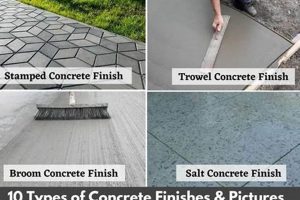
Texturing represents a critical component of concrete finishing, influencing both the aesthetic qualities and functional performance of concrete surfaces. The application of textures by concrete finishers is not merely decorative; it directly affects slip resistance, water runoff, and overall durability. Consequently, the ability to create diverse textures is a core competency within this skilled trade. A smooth, untextured concrete surface, while visually appealing in certain contexts, presents a significant slip hazard, particularly when wet. The application of a broom finish, for example, provides a simple yet effective method of increasing traction, making it a common choice for sidewalks and driveways. Similarly, stamped concrete, which mimics the appearance of brick, stone, or other materials, requires careful texturing to achieve a realistic and visually appealing outcome.
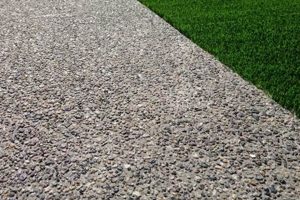
The specific texturing techniques employed depend on the intended application and desired effect. Exposed aggregate finishes, achieved by removing the surface layer of cement paste to reveal the underlying aggregate, offer both aesthetic appeal and enhanced slip resistance. Swirled finishes, created with specialized tools, provide a decorative touch while maintaining a practical level of traction. The choice of texture must also consider the environmental conditions to which the concrete will be exposed. In regions with frequent freeze-thaw cycles, a more aggressive texture may be necessary to prevent the buildup of ice and reduce the risk of slippage. Concrete finishers must, therefore, possess a thorough understanding of material properties, application techniques, and environmental factors to ensure optimal performance and longevity.
Texturing is inextricably linked to the broader scope of concrete finishing. It represents a nuanced skill set that combines artistic vision with practical engineering considerations. The challenges include achieving consistent textures across large surfaces, matching existing textures during repairs, and adapting techniques to accommodate different concrete mixes and environmental conditions. Ultimately, the ability to skillfully texture concrete surfaces is a defining characteristic of experienced concrete finishers, contributing significantly to the safety, durability, and aesthetic appeal of the built environment.
4. Sealing
Sealing is a crucial process often performed by concrete finishers. It provides a protective barrier against environmental factors, chemical exposure, and abrasion, directly impacting the long-term performance and appearance of concrete surfaces. The application of sealants represents a proactive measure taken by concrete finishers to enhance the durability and extend the service life of their work.
- Protection Against Water Damage
Concrete is a porous material, susceptible to water penetration. Water ingress can lead to freeze-thaw damage in colder climates, causing cracking and spalling. Sealants create a hydrophobic barrier, preventing water from entering the concrete and mitigating the risk of such damage. For instance, sealing a concrete driveway in a region with harsh winters significantly reduces the likelihood of surface deterioration.
- Resistance to Chemical Attack
Concrete surfaces exposed to chemicals, such as de-icing salts, acids, or oils, can undergo significant degradation. Sealants provide a protective layer that resists chemical attack, preventing corrosion and staining. In industrial settings, where concrete floors are routinely exposed to harsh chemicals, sealing is essential for maintaining structural integrity and preventing costly repairs.
- Enhancement of Appearance
Certain sealants enhance the aesthetic appeal of concrete surfaces by providing a glossy or matte finish. They can also accentuate the color and texture of decorative concrete, such as stamped or stained surfaces. Sealing helps to maintain the original appearance of the concrete, preventing fading and discoloration caused by UV exposure and environmental pollutants. This is particularly important for architectural concrete used in building facades and landscaping features.
- Prevention of Staining and Dusting
Unsealed concrete is prone to staining from spills, dirt, and other contaminants. Sealants create a barrier that prevents these substances from penetrating the concrete, making it easier to clean and maintain. They also reduce dusting, a common problem with unsealed concrete surfaces, which occurs when the cement paste breaks down and releases fine particles. Sealing a concrete garage floor, for example, prevents oil stains and reduces the amount of dust tracked into the house.
These protective measures illustrate that sealing goes beyond mere aesthetics; it’s an investment in the longevity and resilience of concrete structures. The expertise of concrete finishers in selecting and applying appropriate sealants is, therefore, essential for ensuring the enduring quality and performance of their work in diverse environments and applications.
5. Repairing
The skill of repairing damaged concrete surfaces constitutes a vital aspect of the trade. Concrete structures, subject to environmental stressors, physical impacts, and chemical exposure, inevitably require remediation over their lifespan. The ability to effectively diagnose and rectify concrete defects is, therefore, an essential competency for concrete finishers.
- Addressing Cracks and Fractures
Concrete cracks, ranging from hairline fissures to significant fractures, compromise structural integrity and allow moisture penetration. Concrete finishers employ various techniques to repair cracks, including epoxy injection, patching with cementitious materials, and applying crack-isolation membranes. The selection of the appropriate repair method depends on the crack’s width, depth, and cause. Addressing cracks promptly prevents further deterioration and restores structural stability. For example, repairing cracks in a bridge deck ensures the safety of vehicular traffic.
- Spall and Surface Damage Restoration
Spalling, the breaking away of concrete surfaces, exposes the underlying reinforcement to corrosion and reduces the concrete’s load-bearing capacity. Concrete finishers repair spalled areas by removing loose material, cleaning the exposed reinforcement, and applying a concrete patch. Proper patching techniques ensure a durable bond between the existing concrete and the repair material, preventing future spalling. Restoring spalled concrete columns in a parking garage maintains structural safety.
- Joint and Edge Repair
Concrete joints and edges are particularly vulnerable to damage from impact and wear. Chipped or broken joints compromise the surface’s appearance and create tripping hazards. Concrete finishers repair damaged joints and edges by applying specialized repair mortars or epoxies, ensuring a smooth and durable transition between adjacent concrete surfaces. Repairing damaged joints in a warehouse floor allows for the safe and efficient movement of forklifts.
- Overlay and Resurfacing Applications
In cases of extensive surface damage or deterioration, concrete finishers may recommend overlay or resurfacing applications. This involves applying a new layer of concrete or a specialized overlay material over the existing surface. Overlays restore the concrete’s appearance, improve its durability, and can even add new functionalities, such as slip resistance. Resurfacing a worn concrete patio creates an aesthetically pleasing and functional outdoor space.
These repair functions underscore the important role that these trained individuals play in infrastructure maintenance and preservation. Their skills in assessing damage, selecting appropriate repair strategies, and executing those repairs effectively are key to extending the life of concrete structures and ensuring public safety.
6. Curing
Curing is a critical process inextricably linked to the responsibilities of individuals who finish concrete. Proper curing ensures that concrete achieves its intended strength, durability, and resistance to cracking. This phase follows the finishing process and significantly influences the long-term performance of the concrete structure. Neglecting or improperly executing curing procedures can negate the efforts expended during mixing, placing, and finishing.
- Moisture Retention
Curing primarily focuses on maintaining adequate moisture within the concrete during the hydration process. Hydration, the chemical reaction between cement and water, requires sufficient moisture to proceed completely. Premature drying prevents full hydration, resulting in weakened concrete. Concrete finishers employ various methods to retain moisture, including water ponding, wet coverings (e.g., burlap), and application of curing compounds. For example, covering a newly poured concrete slab with plastic sheeting prevents rapid evaporation, allowing for proper hydration and increased strength development. This directly impacts the finisher’s work, as a properly cured slab is less likely to exhibit surface defects and cracking, reflecting positively on the quality of their workmanship.
- Temperature Control
Curing also involves managing the temperature of the concrete. Extreme temperatures, both high and low, can disrupt the hydration process. High temperatures accelerate hydration, leading to rapid setting and increased risk of cracking. Low temperatures slow down hydration and can even halt it completely, particularly in freezing conditions. Concrete finishers may use insulated blankets or heating systems to maintain optimal temperatures during curing, especially in adverse weather. A concrete bridge deck poured in winter, for instance, requires careful temperature control during curing to ensure adequate strength development and prevent frost damage. The success of the finishing work, visible in the final surface quality and absence of cold-weather damage, depends heavily on this aspect of curing.
- Strength Development
The primary goal of curing is to maximize the concrete’s compressive strength. Compressive strength is a measure of the concrete’s ability to withstand loads and is a key indicator of its overall durability. Proper curing promotes complete hydration, resulting in a denser and stronger concrete matrix. The compressive strength achieved through effective curing directly impacts the load-bearing capacity and lifespan of the structure. A properly cured concrete foundation, for example, will support the weight of a building for many years without significant deterioration. The responsibility of concrete finishers extends to ensuring the concrete achieves its specified strength through appropriate curing practices, demonstrating their commitment to long-term structural performance.
- Minimizing Cracking and Surface Defects
Effective curing significantly reduces the risk of cracking, both plastic shrinkage cracking (occurring during the early stages of setting) and drying shrinkage cracking (occurring as the concrete loses moisture over time). Maintaining adequate moisture and temperature control minimizes the stresses that lead to cracking. Concrete finishers use techniques such as fogging, windbreaks, and curing compounds to prevent rapid moisture loss and reduce the potential for cracking. A properly cured concrete sidewalk, for instance, will exhibit fewer cracks and surface imperfections, enhancing its aesthetic appeal and reducing the need for future repairs. By implementing proper curing strategies, finishers protect the integrity of their work and ensure a durable, visually pleasing final product.
In summary, curing is an integral part of the concrete finishing process, directly influencing the strength, durability, and appearance of the final product. The skills and knowledge of concrete finishers extend beyond the physical act of placing and finishing the concrete; they encompass a thorough understanding of curing principles and the ability to implement appropriate curing strategies in diverse environmental conditions. Their expertise in this critical area ensures the long-term performance and aesthetic appeal of concrete structures.
Frequently Asked Questions about Concrete Finishing
The following addresses common inquiries regarding this skilled trade, providing insights into the profession’s responsibilities, requirements, and impact.
Question 1: What specific actions are encompassed by the term “concrete finishing?”
The profession involves a range of tasks, including leveling freshly poured concrete, smoothing surfaces, applying textures, repairing damaged concrete, and ensuring proper curing. These actions aim to achieve the desired aesthetic appearance, durability, and functionality of concrete structures.
Question 2: What tools and equipment are essential for concrete finishers?
Individuals in this trade utilize a variety of tools, including floats, trowels, edgers, groovers, power screeds, and concrete saws. The selection of appropriate tools depends on the specific task and the desired finish.
Question 3: What skills and qualifications are necessary to become a concrete finisher?
The trade requires a combination of physical stamina, manual dexterity, and a thorough understanding of concrete properties and finishing techniques. Formal apprenticeships and on-the-job training are common pathways to acquiring the necessary skills and knowledge.
Question 4: How does weather impact the work of concrete finishers?
Weather conditions significantly influence concrete curing and setting times. High temperatures can accelerate setting, leading to cracking, while low temperatures can delay or halt hydration. Concrete finishers must adjust their techniques and use appropriate curing methods to mitigate the effects of weather.
Question 5: Why is proper curing so critical in concrete finishing?
Curing ensures that concrete achieves its intended strength, durability, and resistance to cracking. Proper curing practices involve maintaining adequate moisture and temperature levels during the hydration process, which is essential for optimal concrete performance.
Question 6: What are the common challenges faced by concrete finishers?
Challenges include working in physically demanding conditions, meeting tight deadlines, and adapting to unpredictable weather. Maintaining consistent quality and minimizing surface defects also require skill and attention to detail.
Concrete finishing is a multifaceted trade that demands expertise in both technique and material science. The quality of workmanship directly impacts the longevity and functionality of concrete structures.
The next segment will delve into the career paths and training opportunities available within this field.
Conclusion
The activities undertaken by concrete finishers are essential to construction and infrastructure development. From initial leveling and smoothing to applying textures and ensuring proper curing, each step contributes to the structural integrity and aesthetic value of concrete structures. Repairing existing concrete and applying protective sealants further extends the lifespan and utility of these surfaces.
Given the pervasive use of concrete in modern society, the specialized skills demonstrated by these tradespeople are indispensable. As construction techniques evolve and new materials emerge, the demand for skilled individuals capable of executing high-quality concrete finishes remains consistent. Investing in training and development within this field is critical to maintaining the quality and durability of the built environment.