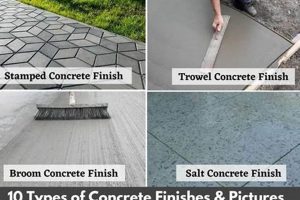
Surface treatments applied to set concrete to enhance its appearance, durability, and functionality comprise a wide array of processes. These techniques encompass methods for smoothing, texturing, coloring, and protecting the concrete surface. Examples include troweling for a smooth finish, stamping to impart decorative patterns, and applying sealers to increase resistance to staining and wear.
The selection and implementation of appropriate surface treatments are critical in determining the long-term performance and aesthetic appeal of concrete structures. Well-executed surface treatments improve resistance to weathering, abrasion, and chemical attack, thereby extending the lifespan of the concrete. Historically, these processes were largely utilitarian, focused on creating a functional surface. Modern applications, however, increasingly emphasize aesthetic considerations, transforming basic concrete into visually appealing design elements.
The subsequent sections will delve into specific techniques, exploring their application, benefits, and considerations for optimal results. These techniques include both manual and mechanized approaches, each suited to different project requirements and desired outcomes.
Essential Considerations for Surface Treatments
Achieving optimal results requires careful planning and execution, starting with preparation. Consideration of environmental conditions and material selection are equally important.
Tip 1: Surface Preparation is Paramount: Prior to application, concrete must be clean, sound, and free of contaminants such as dust, oil, and existing coatings. Pressure washing, grinding, or acid etching may be necessary to achieve proper adhesion.
Tip 2: Understand Concrete Mix Design: The composition of the concrete mix affects its workability, setting time, and final appearance. Consider factors such as aggregate size, cement type, and water-cement ratio when selecting the mix.
Tip 3: Control Environmental Conditions: Temperature, humidity, and wind speed can significantly impact the setting and curing of concrete and applied treatments. Schedule work accordingly and implement protective measures as needed.
Tip 4: Select Appropriate Tools and Equipment: The choice of tools and equipment, such as trowels, floats, edgers, and power tools, directly influences the quality and efficiency of the application. Invest in high-quality tools and ensure they are properly maintained.
Tip 5: Apply Sealers for Protection: Sealing concrete helps to protect it from moisture, stains, and abrasion. Choose a sealer appropriate for the intended use and follow the manufacturer’s instructions for application.
Tip 6: Consider Decorative Options: Stamping, staining, and texturing can enhance the aesthetic appeal of concrete surfaces. Experiment with different techniques and materials to achieve the desired look.
Tip 7: Proper Curing is Essential: Proper curing maintains moisture within the concrete, enabling hydration and strength gain. Curing methods include wet curing, using curing compounds, or covering with plastic sheeting.
Following these guidelines leads to durable and aesthetically pleasing concrete surfaces, enhancing the overall quality and value of the finished product.
The next section will address common challenges and troubleshooting techniques related to surface treatments.
1. Surface Texture

Surface texture, in the realm of concrete finishing, denotes the tactile quality imparted to the concrete surface through various methods. This quality directly influences functionality, safety, and aesthetics, representing a critical consideration in the selection of appropriate surface treatments.
- Safety and Slip Resistance
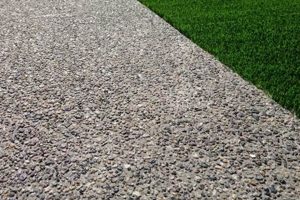
A primary function of surface texture is to provide adequate slip resistance, particularly in exterior applications or areas prone to moisture. Techniques such as broom finishing, aggregate exposure, or the application of non-slip coatings are employed to increase friction and reduce the risk of falls. Improper texture can lead to hazardous conditions, emphasizing the importance of careful consideration during the specification phase.
- Aesthetic Appeal and Design Integration
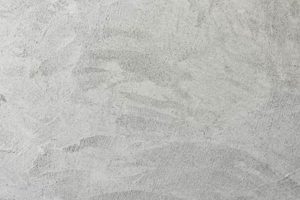
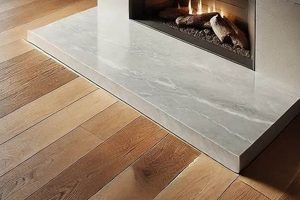
Surface texture contributes significantly to the overall visual impact of concrete structures. Smooth, polished surfaces create a modern, minimalist aesthetic, while textured surfaces can evoke a rustic or industrial feel. Stamped concrete, for instance, replicates the appearance of natural stone or brick, offering a versatile design option. The choice of texture should align with the intended design theme and architectural style.
- Durability and Wear Resistance
The texture can influence the concrete’s resistance to abrasion and weathering. Rougher textures, while providing better slip resistance, may be more susceptible to wear and tear in high-traffic areas. Conversely, smoother surfaces may exhibit greater resistance to abrasion but offer less traction. Selecting an appropriate texture involves balancing these competing factors to optimize long-term performance.
- Maintenance and Cleanability
Surface texture affects the ease of cleaning and maintaining the concrete surface. Highly textured surfaces may trap dirt and debris, requiring more intensive cleaning methods. Smoother surfaces are generally easier to clean but may show scratches or stains more readily. The level of maintenance effort desired should be a key consideration when choosing a surface texture.
Therefore, surface texture transcends a mere aesthetic consideration, playing a pivotal role in the safety, durability, and maintenance of concrete elements. Careful selection, in alignment with functional requirements and design objectives, is paramount for achieving optimal results in concrete finishing applications. For instance, a broom-finished surface for sidewalks increases safety, while a polished surface in commercial buildings offers a sleek appearance.
2. Color Enhancement

Color enhancement, within the realm of surface treatments, introduces color to concrete, shifting utilitarian gray to integrate concrete elements with designed spaces. This transformation stems from the inherent aesthetic limitations of untreated concrete, which often lacks visual appeal, especially in settings demanding design cohesion. Color is achieved through integral pigments, dry-shake hardeners, stains, dyes, or coatings, each offering different levels of penetration, durability, and color intensity. An example is employing integral color in cast-in-place concrete for patios to coordinate with landscaping, eliminating the need for painting and its maintenance demands. The strategic use of color directly impacts the perceived value and aesthetic coherence of concrete structures.
The application of color enhancement must carefully consider light exposure, wear patterns, and the compatibility of the coloring agent with the concrete mix. UV exposure can lead to fading in some pigments, necessitating the selection of UV-resistant options in outdoor applications. High-traffic areas demand color enhancement methods with exceptional abrasion resistance, such as penetrating stains or integral color. For instance, a commercial buildings lobby might utilize polished concrete with a penetrating dye to achieve a durable and visually appealing floor. Misapplication, however, can result in uneven color distribution, inconsistent tones, or premature fading, undermining the intended aesthetic outcome.
In summation, color enhancement is an instrumental component of surface treatments, affording significant aesthetic versatility and design integration possibilities. The selection of appropriate coloring methods, guided by environmental conditions, wear considerations, and aesthetic objectives, determines the long-term success and visual impact of concrete finishes. Overlooking these considerations can lead to costly repairs and compromises in design integrity. Thus, a holistic approach to color enhancement maximizes the potential of concrete to complement and enhance architectural designs.
3. Durability Improvement

Durability improvement, when considered within the framework of surface treatments, relates directly to the lifespan extension and resilience enhancement of concrete structures. The selection and application of a specific treatment often determine the concrete’s capacity to withstand environmental factors, physical stresses, and chemical exposure. A poorly chosen or inadequately applied surface treatment may accelerate degradation processes, while a well-considered option mitigates these risks, contributing to long-term structural integrity. For example, application of a penetrating silane sealer on bridge decks significantly reduces chloride intrusion from deicing salts, thereby minimizing corrosion of reinforcing steel and extending the bridge’s service life.
The practical application of this understanding manifests in various forms, from selecting abrasion-resistant toppings for high-traffic warehouse floors to specifying chemical-resistant coatings for industrial containment areas. Staining and sealing driveways and patios, offers protection from weathering. Consideration must also extend to material compatibility, with some treatments potentially exacerbating existing issues if improperly matched to the concrete mix design or environmental conditions. Understanding the mechanisms of degradation and the protective properties of various treatments is thus critical for ensuring effective durability improvement.
In conclusion, the pursuit of durability improvement through surface treatments necessitates a holistic understanding of concrete properties, environmental stressors, and treatment characteristics. Effective implementation requires careful planning, meticulous execution, and ongoing monitoring to ensure continued protection. While surface treatments represent a cost-effective means of extending concrete lifespan, their efficacy is contingent upon informed selection and proper application, preventing premature failure and supporting the long-term viability of concrete infrastructure.
4. Cost Effectiveness

The selection of surface treatments for concrete structures involves a complex interplay of factors, with cost effectiveness representing a central consideration. The initial expense of a particular surface treatment must be weighed against its projected lifespan, maintenance requirements, and contribution to overall structural integrity. A seemingly inexpensive option may prove costly in the long term if it necessitates frequent repairs or replacement, whereas a more durable solution, albeit initially more expensive, can offer substantial savings over its service life. Polished concrete floors in retail settings, for instance, require less frequent waxing and buffing than traditional tile, resulting in reduced maintenance costs despite a higher initial investment.
The relationship between surface treatments and life-cycle expenses extends beyond material costs. Installation expenses, labor inputs, and the potential for disruption during application must all be factored into the economic assessment. Stamped concrete driveways offer an aesthetic comparable to natural stone at a fraction of the price, with reduced installation time and labor compared to traditional stone paving. A cost-effective concrete project should consider the budget and find ways to maintain design integrity.
Ultimately, the successful integration of cost effectiveness within the concrete process demands a comprehensive approach that accounts for both short-term expenditures and long-term value. Strategic selection and execution optimizes the economic value of the concrete surface while minimizing life-cycle liabilities. Neglecting these factors can lead to budget overruns, functional compromises, and diminished returns on investment. Therefore, a thorough life cycle cost analysis should determine design decisions to balance initial investment with long-term performance.
5. Slip Resistance

Slip resistance, a crucial safety consideration, is intrinsically linked to surface treatments. The coefficient of friction inherent in a concrete surface directly influences the likelihood of slips and falls, particularly in areas exposed to moisture or pedestrian traffic. A smooth, polished surface, while aesthetically pleasing, can become hazardous when wet, whereas textured surfaces provide increased traction, reducing the risk of accidents. Broom finishes, exposed aggregate, and specialized non-slip coatings represent common surface treatments designed to enhance slip resistance. The selection of appropriate treatments depends on intended use, exposure conditions, and applicable safety standards. For instance, outdoor walkways and pool decks frequently employ textured surfaces to minimize slip hazards, reflecting a proactive approach to safety through thoughtful surface treatment selection.
Further analysis reveals that the effectiveness of surface treatments in enhancing slip resistance relies on proper implementation and maintenance. A non-slip coating, if improperly applied or subjected to excessive wear, may lose its efficacy over time, necessitating periodic reapplication. Similarly, textured surfaces can become compromised by the accumulation of dirt, debris, or coatings that fill in the texture, reducing their slip-resistant properties. Routine cleaning and maintenance, therefore, are essential for preserving the intended safety characteristics of concrete surfaces. Moreover, the choice of cleaning agents should be considered, as some chemicals can degrade the surface treatment or reduce its slip resistance. The application of a sealant, although improving water resistance and cleanability, can negatively impact the coefficient of friction; this must be taken into account.
In conclusion, slip resistance constitutes a vital performance characteristic of concrete surfaces, demanding careful consideration during the design and selection of surface treatments. Factors influencing slip resistance include surface texture, environmental conditions, maintenance practices, and the type of surface treatment employed. A proactive approach to safety, grounded in sound engineering principles and informed by relevant standards, is paramount for mitigating slip hazards and creating safe, functional concrete environments. Ignoring these considerations results in potential liability and compromised user safety.
Frequently Asked Questions
The following addresses common inquiries regarding surface treatments to assist in informed decision-making for concrete finishing projects.
Question 1: What surface treatment is best suited for a high-traffic commercial floor?
Polished concrete, particularly when enhanced with a hardener, provides a durable, low-maintenance, and aesthetically versatile solution for high-traffic commercial floors. The process mechanically grinds and polishes the concrete surface, increasing its density and resistance to abrasion.
Question 2: How does the concrete mix design affect the outcome of surface treatments?
The concrete mix design significantly impacts the workability, setting time, and final appearance of the surface. A mix with high cement content may be easier to polish but more prone to shrinkage cracking, while a mix with larger aggregate may require more extensive grinding to achieve a smooth surface.
Question 3: What are the key considerations when selecting a concrete sealer?
When selecting a concrete sealer, consider the intended use of the surface, the type of exposure it will face (e.g., UV radiation, chemical spills), and the desired aesthetic. Penetrating sealers, such as silanes and siloxanes, provide water repellency without altering the appearance of the concrete, while acrylic and epoxy sealers offer greater protection but may change the surface texture or color.
Question 4: How can efflorescence be prevented on concrete surfaces?
Efflorescence, the white, powdery deposit that sometimes appears on concrete surfaces, is caused by soluble salts migrating to the surface and reacting with carbon dioxide. Prevention involves minimizing the water content in the concrete mix, using a dense and impermeable concrete, and applying a breathable sealer that allows moisture to escape while preventing water from entering.
Question 5: Is it possible to repair damaged stamped concrete?
Repairing damaged stamped concrete requires careful patching and re-stamping to match the existing pattern and color. The success of the repair depends on the extent of the damage, the skill of the applicator, and the availability of matching stamping tools and coloring agents.
Question 6: What safety precautions should be taken when applying chemical treatments to concrete?
When applying chemical treatments to concrete, it is imperative to wear appropriate personal protective equipment (PPE), including gloves, eye protection, and respiratory protection. Ensure adequate ventilation to prevent inhalation of harmful fumes. Follow the manufacturer’s instructions for handling, application, and disposal of the chemicals.
In summary, careful planning, material selection, and execution are essential for achieving successful and long-lasting surface treatments. Consulting with experienced professionals and adhering to industry best practices are critical for navigating the complexities of concrete finishing.
The subsequent section will explore advanced techniques and emerging trends in surface treatments, highlighting innovative approaches to enhancing concrete’s performance and aesthetics.
Conclusion
The preceding discussion has explored various facets of concrete finishing ideas, encompassing texture, color, durability, cost-effectiveness, and slip resistance. Each element plays a crucial role in determining the long-term performance and aesthetic value of concrete structures. The selection of surface treatments should be guided by a thorough understanding of project-specific requirements, environmental conditions, and budgetary constraints.
Continued research and innovation in materials and techniques are poised to further enhance the capabilities of concrete surface treatments. Architects, engineers, and contractors must remain informed of these advancements to optimize concrete’s potential as a versatile and sustainable construction material. The responsible application of surface treatments ensures the creation of safe, durable, and visually appealing concrete environments.