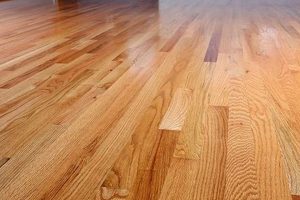
Protective coatings designed for wooden floors seek to resist damage from canine activity. These treatments must withstand scratches from nails, absorb impacts from dropped toys, and repel liquids to prevent staining. Durability and resistance to wear are key characteristics, ensuring the floor maintains its appearance over time despite exposure to pets.
Selecting a robust surface treatment enhances a home’s aesthetic appeal and increases its resale value. Floors protected against pet-related damage require less frequent refinishing, leading to long-term cost savings. Historically, oil-based products were common, but modern formulations offer improved protection with lower VOC emissions, contributing to a healthier indoor environment.
The subsequent sections will delve into the specific types of coatings available, application methods, and maintenance techniques that maximize protection and longevity, addressing common concerns and providing practical guidance for homeowners.
Protecting Hardwood Floors from Canine Damage
Implementing preventative measures and selecting appropriate maintenance strategies are essential for preserving hardwood floors in households with dogs. Consistent care and proactive protection can significantly extend the lifespan and maintain the aesthetic quality of the flooring.
Tip 1: Maintain Short, Trimmed Nails: Regularly trim a dog’s nails to minimize scratching. File nails smooth after trimming to eliminate sharp edges that can damage the floor’s surface.
Tip 2: Utilize Area Rugs Strategically: Place rugs in high-traffic areas, such as entryways and around furniture, to absorb the brunt of daily wear and tear. Opt for rugs with non-slip backings to prevent accidents.
Tip 3: Immediately Clean Spills and Accidents: Promptly address any spills or accidents to prevent staining and moisture damage. Use a pH-neutral cleaner specifically designed for hardwood floors.
Tip 4: Implement a Consistent Cleaning Routine: Regularly sweep or vacuum to remove dirt, debris, and dog hair that can act as abrasives. Avoid using steam mops, which can introduce excessive moisture.
Tip 5: Choose a Durable Floor Coating: When installing or refinishing hardwood floors, select a finish known for its resistance to scratches and moisture. Consider water-based polyurethane options for their durability and low VOC emissions.
Tip 6: Consider Professional Refinishing: If the floor sustains significant damage, consult with a professional refinisher to restore its original appearance and protective qualities.
Adopting these tips proactively safeguards hardwood floors from potential harm, reducing the need for costly repairs and maintaining a presentable living space. Consistent effort and informed choices result in enduring benefits.
The following section will outline specific product recommendations and further explore advanced protective strategies.
1. Abrasion Resistance

Abrasion resistance is a critical factor in determining the suitability of a hardwood floor finish for homes with dogs. The constant movement of canines, including walking, running, and scratching, exerts significant abrasive forces on the floor’s surface. A finish with inadequate abrasion resistance will exhibit premature wear, resulting in a dull, scratched, and unattractive appearance. This degradation compromises both the aesthetic value and the protective function of the finish, leaving the wood vulnerable to further damage from moisture and staining.
Consider a typical household scenario: a dog regularly runs across a hardwood floor to greet its owner. Over time, this repeated action, combined with the presence of dirt and debris carried on the dog’s paws, grinds away at the finish. A finish lacking sufficient abrasion resistance will develop visible scratch marks and a hazy appearance in the high-traffic areas. Conversely, a finish designed with enhanced abrasion resistance will maintain its clarity and protective qualities for a considerably longer period, preserving the floor’s original condition and reducing the need for frequent refinishing.
In summary, abrasion resistance is a fundamental component of a protective treatment for hardwood floors in canine-inhabited environments. Its absence results in accelerated wear and diminished aesthetic appeal, while its presence ensures prolonged durability and reduced maintenance requirements. Understanding and prioritizing abrasion resistance is essential for selecting a floor finish that effectively withstands the demands of a household with dogs and preserves the investment in hardwood flooring.
2. Moisture Impermeability

Moisture impermeability is a critical characteristic of any protective coating intended for hardwood floors in environments with dogs. Canine accidents, water bowl spills, and tracked-in rainwater pose significant threats to untreated wood. These liquids, if allowed to penetrate the floor’s surface, can lead to staining, warping, and the growth of mold and mildew. A finish lacking adequate moisture impermeability provides insufficient protection against these incidents, leading to costly repairs and potential health hazards.
A high degree of moisture impermeability effectively prevents liquids from seeping into the wood fibers. This barrier action is vital for resisting the damaging effects of dog-related accidents. Consider a scenario where a dog accidentally urinates on a hardwood floor; if the finish possesses excellent moisture impermeability, the urine will remain on the surface, allowing for easy cleanup and preventing absorption into the wood. Conversely, a finish with poor impermeability will allow the urine to soak into the wood, creating a persistent stain and odor that are difficult to remove. This example illustrates the practical significance of moisture impermeability in preserving the integrity and appearance of hardwood floors in canine households.
In summary, moisture impermeability serves as a primary defense against the damaging effects of liquids on hardwood floors exposed to dogs. Its presence minimizes the risk of staining, warping, and microbial growth, thereby extending the lifespan and maintaining the aesthetic appeal of the flooring. Prioritizing moisture impermeability in the selection of a floor finish is essential for achieving long-term protection and preventing costly damage in homes with canine companions.
3. Scratch Mitigation
Scratch mitigation is a core attribute of any effective protective coating for hardwood floors intended for homes with dogs. The presence of dogs invariably introduces the risk of scratches from their nails, toys, or accidental dragging of objects across the floor. The ability of a finish to resist and minimize scratching is paramount in preserving the floor’s aesthetic appeal and structural integrity.
- Surface Hardness
The surface hardness of a floor finish directly correlates with its scratch resistance. Finishes with higher hardness ratings, often measured using methods such as the pencil hardness test, are less susceptible to scratching. For instance, a finish with a 2H rating would scratch more easily than one with a 9H rating. In the context of hardwood flooring for dogs, selecting a finish with a high hardness rating is a primary defense against nail scratches.
- Film Thickness
The thickness of the finish film contributes to its ability to absorb and disperse abrasive forces. A thicker film provides more material to wear through before the underlying wood is exposed. A thin, single-coat application offers minimal protection, while multiple coats of a high-solids finish can create a substantial barrier against scratches. This increased thickness allows the finish to withstand more considerable wear before requiring refinishing.
- Self-Healing Properties
Certain advanced finishes incorporate self-healing technologies, enabling them to partially or fully recover from minor scratches. These finishes contain polymers that can reflow or reform to fill in small surface imperfections. While not universally available, self-healing capabilities can significantly extend the lifespan of a floor finish in a dog-friendly environment, reducing the visibility of minor scratches and preserving the floor’s appearance over time.
- Type of Coating
Different types of floor coatings offer varying degrees of scratch resistance. Water-based polyurethane finishes, known for their durability and low VOC content, generally offer good scratch resistance. Oil-modified polyurethane finishes also provide adequate protection, but may yellow over time. Conversion varnish and acid-cured coatings offer exceptional scratch resistance but may present greater installation challenges and higher VOC emissions. Selecting the appropriate type of coating requires a balance between scratch resistance, ease of application, and environmental considerations.
The effectiveness of a “dog proof hardwood floor finish” is inextricably linked to its scratch mitigation capabilities. By focusing on surface hardness, film thickness, self-healing properties, and appropriate coating selection, homeowners can significantly reduce the risk of scratches and maintain the beauty and longevity of their hardwood floors despite the presence of canine companions.
4. Impact Absorption
Impact absorption plays a critical role in the performance of protective coatings for hardwood floors in homes with dogs. The activity of canines, including running, jumping, and dropping toys, generates significant impact forces that can damage the floor’s surface. Without adequate impact absorption, these forces transmit directly to the wood, potentially causing dents, cracks, and splintering. A finish engineered with sufficient impact absorption mitigates these effects, preserving the floor’s structural integrity and aesthetic appeal. For example, a large dog jumping down from furniture exerts considerable force upon landing. A floor with poor impact absorption will show visible dents over time in the areas where the dog frequently lands. In contrast, a floor finished with a resilient coating will distribute and absorb the impact energy, minimizing the risk of damage.
The ability of a finish to absorb impact depends on its elasticity and thickness. More elastic finishes can deform slightly under pressure, dissipating the energy of the impact. Thicker coatings provide a greater buffer between the impact source and the underlying wood. Resilient underlayments, installed beneath the hardwood flooring, also contribute to impact absorption by providing an additional layer of cushioning. These underlayments can be particularly beneficial in areas where impact forces are concentrated. The incorporation of additives, such as rubber or cork particles, into the finish formulation can further enhance impact absorption capabilities.
Effective impact absorption is an essential component of a durable floor finish for dog-friendly homes. By minimizing the transmission of impact forces, these types of coatings prevent structural damage and extend the floor’s lifespan. Understanding the role of impact absorption enables homeowners to make informed decisions when selecting protective treatments, ultimately safeguarding their investment in hardwood flooring and maintaining a safe and attractive living environment for both humans and their canine companions.
5. Chemical Resistance
The chemical resistance of a hardwood floor finish is a crucial determinant of its durability and longevity, particularly in households with dogs. Canine-related incidents, such as urine accidents, saliva spills, or the accidental tracking of cleaning products, introduce a range of chemicals that can compromise the integrity of the floor finish. A finish lacking sufficient chemical resistance will exhibit discoloration, softening, or even complete breakdown upon exposure to these substances, necessitating costly repairs or refinishing. Therefore, chemical resistance serves as a fundamental defense against chemical damage, ensuring the floor retains its appearance and protective properties over time.
The interaction between chemical resistance and floor longevity is best illustrated by specific examples. Consider a scenario where a dog regularly drools near its water bowl. Over time, the enzymes and minerals present in canine saliva can etch and degrade a finish with poor chemical resistance, leading to visible dullness and a sticky texture in the affected area. Similarly, household cleaners, particularly those containing ammonia or bleach, can cause irreversible damage to finishes not formulated to withstand their corrosive effects. Consequently, the selection of a finish with demonstrable resistance to common household chemicals and canine-specific substances is paramount for maintaining the floor’s condition.
In conclusion, chemical resistance is not merely a desirable attribute but a prerequisite for a durable finish in dog-inhabited homes. Prioritizing finishes with proven resistance to a broad spectrum of chemicals, including those commonly encountered in canine-related incidents and routine cleaning practices, will significantly extend the lifespan of the hardwood floor, minimize maintenance requirements, and preserve its aesthetic value. The understanding of this connection is essential for homeowners seeking to balance the joys of pet ownership with the practical need to maintain a beautiful and resilient living space.
6. UV Protection
Ultraviolet (UV) radiation poses a significant threat to the long-term appearance and durability of hardwood floors, particularly in areas exposed to direct sunlight. Finishes lacking adequate UV protection are susceptible to fading, discoloration, and the breakdown of their protective properties. In the context of creating “dog proof hardwood floor finish,” UV protection is essential for maintaining the floor’s aesthetic appeal and preventing accelerated degradation caused by exposure to sunlight, which can exacerbate the effects of canine-related wear and tear.
- Preventing Color Changes
UV radiation causes photochemical reactions in wood and certain finish components, leading to fading or color shifts. Light-colored woods may yellow or darken, while darker woods may bleach or lighten. In areas where dogs spend considerable time, such as near windows or doors, localized fading can create uneven coloration and detract from the floor’s overall appearance. A finish with UV inhibitors mitigates these reactions, preserving the floor’s original color and preventing unsightly variations.
- Maintaining Finish Integrity
UV radiation can degrade the polymers in floor finishes, reducing their elasticity, abrasion resistance, and overall protective qualities. This degradation accelerates wear and tear, making the floor more susceptible to scratches, dents, and moisture damage caused by canine activity. UV protection preserves the finish’s structural integrity, extending its lifespan and maintaining its ability to withstand the daily demands of a dog-friendly environment.
- Extending Refinishing Intervals
By preventing color changes and maintaining finish integrity, UV protection extends the intervals between refinishing. Floors with UV-resistant finishes retain their aesthetic appeal and protective properties for longer periods, reducing the need for costly and disruptive refinishing projects. This is particularly beneficial in homes with dogs, where floors are already subject to increased wear and tear. By minimizing the frequency of refinishing, UV protection contributes to long-term cost savings and reduces the environmental impact associated with floor maintenance.
Therefore, UV protection is an indispensable element of a “dog proof hardwood floor finish.” Its inclusion safeguards the floor’s appearance, extends its lifespan, and minimizes maintenance requirements, ensuring that the floor remains both beautiful and durable despite the presence of canine companions. Selecting finishes with UV inhibitors and implementing strategies to reduce direct sunlight exposure are critical steps in preserving the investment in hardwood flooring and creating a comfortable and aesthetically pleasing living space for both humans and their pets.
7. Ease of maintenance

The ease of maintenance of a hardwood floor finish is a crucial factor influencing its long-term suitability for homes with dogs. Dog-related messes, including shed hair, tracked-in dirt, and occasional accidents, necessitate frequent cleaning. A finish that is difficult to clean or requires specialized maintenance products increases the burden on homeowners and can lead to neglect, ultimately compromising the floor’s appearance and longevity. Therefore, a critical aspect of a “dog proof hardwood floor finish” lies in its ability to be easily cleaned and maintained with readily available products and minimal effort.
- Smooth, Non-Textured Surface
A smooth, non-textured surface resists the accumulation of dirt and debris and facilitates easier cleaning. Textured or porous finishes can trap dirt and dog hair, requiring more vigorous scrubbing and specialized cleaning tools. A smooth finish allows for effortless sweeping, vacuuming, and damp mopping, reducing the time and effort required to maintain a clean floor. The reduced effort translates to more frequent cleaning, preventing the buildup of messes and preserving the finish’s integrity.
- Resistance to Common Cleaning Agents
A finish must be resistant to damage from common household cleaning agents. Finishes susceptible to discoloration or etching from mild detergents or pH-neutral cleaners are impractical for dog-friendly homes. A robust finish that can withstand regular cleaning with readily available products ensures that messes can be quickly addressed without causing damage to the floor’s surface. This compatibility with standard cleaning practices simplifies maintenance and promotes long-term durability.
- Minimal Need for Specialized Products
Finishes requiring specialized cleaning products or professional maintenance services increase the cost and complexity of floor care. A practical “dog proof hardwood floor finish” should be easily maintained with readily available and affordable products. The ability to use simple cleaning solutions and readily accessible tools empowers homeowners to proactively address messes and maintain the floor’s appearance without incurring significant expenses. This accessibility promotes consistent maintenance and minimizes the risk of neglect.
- Simple Repair Procedures
Even with diligent maintenance, minor scratches or blemishes may occur over time. A finish that allows for simple spot repairs or touch-ups enables homeowners to address these imperfections without requiring professional assistance or complete refinishing. The ability to easily conceal or repair minor damage preserves the floor’s aesthetic appeal and extends its lifespan. This ease of repair minimizes the impact of dog-related wear and tear and contributes to the long-term value of the flooring investment.
The facets of ease of maintenance detailed above are integral to the overall performance and practicality of a “dog proof hardwood floor finish”. By prioritizing finishes that are smooth, resistant to common cleaning agents, require minimal specialized products, and allow for simple repairs, homeowners can minimize the burden of floor care and ensure that their hardwood floors remain beautiful and durable despite the presence of their canine companions. The investment in a low-maintenance finish translates to long-term cost savings, reduced effort, and a consistently clean and attractive living space.
Frequently Asked Questions About Protecting Hardwood Floors From Dogs
The following questions address common concerns regarding the selection, installation, and maintenance of hardwood floor finishes in homes with dogs. The responses provide factual information to assist homeowners in making informed decisions.
Question 1: Is it possible to achieve a truly “dog proof hardwood floor finish?”
While no finish is entirely impervious to damage, selecting a durable and resilient product significantly minimizes the impact of canine activity. Regular maintenance and preventative measures further contribute to preserving the floor’s condition.
Question 2: What types of floor finishes offer the best protection against scratches from dog nails?
Hardwood floor finishes, known for scratch resistance, typically include multi-layer polyurethane coatings, conversion varnish, or aluminum oxide-infused products. Consider professional consultation to determine the best option based on specific needs and traffic levels.
Question 3: How does the type of wood species affect the floor’s resistance to dog-related damage?
Denser hardwoods, such as Brazilian cherry, hickory, or maple, inherently offer greater resistance to dents and scratches compared to softer woods like pine or fir. Species selection should factor into overall durability considerations.
Question 4: Can area rugs completely eliminate the risk of damage from dogs on hardwood floors?
Area rugs provide a significant layer of protection, particularly in high-traffic areas. However, they do not guarantee complete immunity from scratches or spills. Regular cleaning and rug maintenance are essential.
Question 5: What cleaning products are safe to use on hardwood floors with a “dog proof” finish?
Use pH-neutral cleaners specifically formulated for hardwood floors. Avoid abrasive cleaners, bleach, or ammonia-based products, which can damage the finish. Regular sweeping or vacuuming is also recommended.
Question 6: How often should hardwood floors with a protective finish be professionally refinished in a home with dogs?
The frequency of refinishing depends on the level of traffic and the quality of the finish. A well-maintained floor with a durable finish may only require refinishing every 7-10 years, while floors subjected to heavy wear may need more frequent attention.
Selecting the right finish, coupled with diligent maintenance and preventative strategies, can significantly extend the lifespan and preserve the beauty of hardwood floors in households with canine companions.
The subsequent section will explore professional installation techniques and advanced protective strategies for hardwood flooring.
Achieving Durable Hardwood Flooring in Canine-Inhabited Environments
The preceding discussion has examined the multifaceted nature of protecting hardwood floors from canine-related damage. Key considerations include selecting finishes with high abrasion resistance, moisture impermeability, scratch mitigation, impact absorption, chemical resistance, UV protection, and ease of maintenance. Proactive strategies, such as nail trimming and strategic use of area rugs, further contribute to preserving floor integrity.
The investment in a robust “dog proof hardwood floor finish” and diligent maintenance practices yields long-term benefits, safeguarding property value and ensuring a comfortable living space. Continued innovation in floor coating technology and informed consumer choices will further enhance the durability and aesthetic appeal of hardwood floors in homes with canine companions. Homeowners are encouraged to consult with flooring professionals to determine the optimal solutions for their specific needs and circumstances, thereby maximizing the lifespan and beauty of their hardwood flooring investment.