



Coatings applied to the surface of maple, a light-colored and dense hardwood, enhance its natural beauty and protect it from wear and tear. These treatments range from clear sealants that highlight the wood’s grain to pigmented stains that alter its color. For instance, a clear polyurethane applied to a maple tabletop can provide a durable, water-resistant surface while preserving the wood’s original hue.
The application of protective layers extends the lifespan of maple products, safeguarding them against moisture damage, scratches, and fading from sunlight. Historically, various methods have been employed to achieve this protection, evolving from natural oils and waxes to modern synthetic polymers. These processes are vital in preserving the aesthetic appeal and structural integrity of maple in furniture, flooring, and cabinetry.
The following sections will delve into the selection process, various application techniques, and maintenance strategies associated with surface treatments for this particular hardwood, offering guidance for achieving optimal results in both residential and commercial settings.
Guidance on Surface Treatments for Maple
The following recommendations provide practical advice on achieving professional-grade results when treating the surface of maple, ensuring both aesthetic appeal and long-term durability.
Tip 1: Surface Preparation is Paramount: Prior to any application, thorough sanding is critical. Begin with a coarser grit sandpaper to remove imperfections, gradually progressing to finer grits to achieve a smooth, uniform surface. This ensures optimal adhesion and a flawless appearance.
Tip 2: Select the Appropriate Product: Different formulations offer varying degrees of protection and aesthetic effects. Water-based acrylics offer low VOC emissions and quick drying times, while oil-based polyurethanes provide superior durability and resistance to chemicals. Consider the intended use of the maple item and the desired level of protection when making a selection.
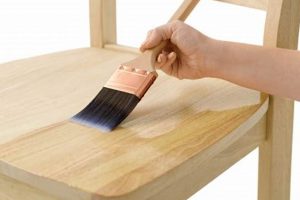
Tip 3: Employ Proper Application Techniques: Apply thin, even coats using a high-quality brush, foam applicator, or spray gun. Avoid excessive buildup, which can lead to drips, runs, and uneven drying. Sand lightly between coats with fine-grit sandpaper (e.g., 320 grit) to ensure a smooth final finish.
Tip 4: Consider the Impact of Stains: When altering the natural color of maple, test the stain on a small, inconspicuous area first. Maple can be prone to blotching, so pre-conditioning the wood with a sanding sealer or gel stain can help ensure even color absorption.
Tip 5: Allow Adequate Drying Time: Follow the manufacturer’s recommendations for drying times between coats and before putting the finished item into service. Rushing the drying process can result in a soft, easily damaged surface.
Tip 6: Prioritize Ventilation: When using solvent-based products, ensure adequate ventilation to minimize exposure to harmful fumes. Wear appropriate personal protective equipment, such as a respirator and gloves.
Tip 7: Regular Maintenance is Essential: Clean surfaces regularly with a mild soap and water solution. Avoid abrasive cleaners, which can scratch the coating. Periodically apply a maintenance coat to renew the protective layer and extend the lifespan of the treatment.
By adhering to these guidelines, one can enhance the natural beauty and longevity of maple items, achieving professional-quality results that stand the test of time.
The subsequent sections will provide detailed information on specific treatment options and advanced techniques for achieving specialized effects.
1. Clarity

Clarity, in the context of surface treatments for maple, refers to the degree to which the natural characteristics of the wood remain visible through the applied coating. It is a critical consideration for those seeking to accentuate the inherent beauty of the maple grain and color rather than obscuring it.
- Optical Transparency
Optical transparency describes the ability of a product to allow light to pass through without significant distortion or diffusion. Coatings with high optical transparency permit a clear view of the underlying wood grain, color variations, and natural figure. Examples include water-based acrylic lacquers or certain formulations of polyurethane. The implication is that the chosen treatment enhances, rather than masks, the inherent aesthetics of the maple.
- Absence of Color Cast
Some coatings may impart a subtle color cast that can alter the perceived color of the maple. For example, certain oil-based varnishes can yellow over time, affecting the clarity of the finish and the original tone of the wood. Treatments designed for maximum clarity are formulated to minimize color distortion, preserving the authentic appearance of the maple.
- Surface Smoothness and Gloss Level
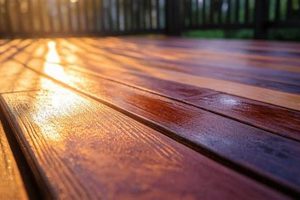
The smoothness of the coating’s surface directly impacts clarity. A rough or uneven surface diffuses light, reducing the perceived sharpness of the underlying wood grain. Similarly, the gloss level influences how light reflects off the surface. A high-gloss finish can enhance clarity by providing a crisp, reflective surface, while a matte finish may soften the appearance and reduce glare.
- Resistance to Clouding and Hazing
Over time, some coatings can develop clouding or hazing due to environmental factors or wear. This reduces clarity and obscures the wood grain. Treatments designed for long-term clarity are formulated to resist these effects, maintaining a clear and vibrant appearance for years to come. UV inhibitors are often added to protect against sunlight damage, preventing discoloration and loss of clarity.
Ultimately, the selection of a treatment emphasizing clarity is a deliberate choice to celebrate the inherent beauty of maple. It necessitates careful consideration of the optical properties of the treatment, its potential for color distortion, and its long-term resistance to factors that can diminish visual quality. The aim is to enhance the wood’s natural characteristics without introducing unwanted visual interference.
2. Durability

Durability, in the context of treatments applied to maple, represents the capacity of the coating to withstand physical wear, environmental exposure, and chemical interactions over an extended period. It is a critical determinant of the longevity and service life of any maple product. The selection of a durable treatment is influenced by the intended use of the maple item, its expected exposure to damaging agents, and the desired maintenance schedule. For instance, a maple kitchen countertop demands a significantly more robust and chemically resistant treatment compared to a decorative maple picture frame. Scratches on a table coated with cheap finish that is easily scratched versus polyurethane finish on table that lasts longer.
The level of durability is affected by several factors inherent in the treatment itself. The type of resin used (e.g., polyurethane, acrylic, epoxy) dictates its resistance to abrasion, impact, and moisture. The addition of hardeners, UV inhibitors, and other additives enhances its ability to withstand specific environmental stressors. Application techniques also play a vital role; properly applied and cured coatings exhibit superior durability compared to those applied haphazardly or allowed to cure incompletely. For example, multiple thin coats of polyurethane, properly sanded between applications, provide a more resilient surface than a single, thick coat. Also, durability of the surface can effect the overall cost of maintaining the finish, since more durable equals more lasting.
In conclusion, durability is an indispensable attribute of surface treatments applied to maple, directly impacting the product’s long-term performance and aesthetic appeal. A thorough understanding of the factors influencing durability, coupled with careful selection and application practices, is essential for ensuring that maple items retain their value and functionality over time. Challenges remain in balancing the demands of durability with other desirable characteristics, such as clarity, ease of application, and environmental impact, necessitating a holistic approach to product selection and implementation.
3. Application
The method by which surface treatments are applied significantly influences the final appearance, durability, and overall performance of maple products. Proper application techniques are essential for achieving optimal results, regardless of the treatment chosen.
- Surface Preparation Techniques
Effective surface preparation is paramount. This includes thorough sanding to remove imperfections and create a smooth, uniform surface for optimal adhesion. Failure to properly prepare the surface can result in uneven coating, poor adhesion, and premature failure. For example, residual sanding dust can create a textured, rather than smooth, surface, even with the application of multiple coats.
- Application Methods and Equipment
Various methods exist for applying surface treatments, including brushing, spraying (airless or conventional), and wiping. The selection of method depends on the type of finish, the size and complexity of the maple item, and the desired level of control. Spraying generally provides the most uniform coating but requires specialized equipment and a controlled environment. Brushing is suitable for smaller projects but requires skill to avoid brush marks. Wiping is often used for applying stains and oils, allowing for better penetration and control of color.
- Environmental Considerations
Environmental conditions during application, such as temperature and humidity, can significantly affect the outcome. Excessive humidity can prolong drying times and lead to clouding or blushing in certain treatments. High temperatures can cause finishes to dry too quickly, resulting in poor leveling and brush marks. Maintaining optimal environmental conditions is crucial for achieving a flawless finish.
- Number of Coats and Drying Times
The number of coats applied and the adherence to recommended drying times are critical for building adequate film thickness and achieving optimal protection. Insufficient coats can leave the maple vulnerable to moisture and wear, while excessive coats can lead to cracking or peeling. Allowing sufficient drying time between coats ensures proper curing and adhesion. Following the manufacturer’s instructions is essential for achieving the desired results and maximizing durability.
These facets collectively highlight that successful surface treatments on maple depend not only on the quality of the material but also on the precision and care taken during application. Deviations from established best practices can compromise the integrity of the treatment and the longevity of the maple product.
4. Protection

Surface treatments applied to maple function primarily as protective barriers against environmental stressors and physical wear. The inherent properties of maple, while aesthetically desirable, render it susceptible to moisture absorption, scratches, stains, and ultraviolet (UV) radiation damage. Surface treatments mitigate these vulnerabilities, extending the lifespan and maintaining the aesthetic appeal of maple products. For instance, without a protective coating, a maple tabletop exposed to daily use would quickly exhibit water rings, scratches from utensils, and fading from sunlight. The selection of a specific treatment is therefore dictated by the anticipated level and type of protection required. A clear, water-resistant polyurethane coating provides effective defense against moisture and abrasion for kitchen applications, whereas a UV-resistant varnish safeguards against discoloration in outdoor settings.
The effectiveness of a protective layer hinges on several factors, including the chemical composition of the treatment, its application technique, and the maintenance regimen implemented. Treatments formulated with durable polymers offer superior resistance to abrasion and impact. Proper application, involving thorough surface preparation and multiple thin coats, ensures a uniform and impermeable barrier. Regular cleaning and periodic reapplication of the protective layer maintain its integrity, preventing the ingress of moisture and contaminants. For example, regularly waxing a maple floor with a protective finish helps to replenish the barrier and prevent wear from foot traffic. Specific processes that create effective protection is vital for maple products to be long lasting and aesthetically pleasing.
In summation, protection is an indispensable function of treatments applied to maple, safeguarding its structural integrity and aesthetic qualities. The strategic selection and diligent application of appropriate coatings are paramount to mitigating the inherent vulnerabilities of maple and ensuring its long-term performance. Although challenges remain in balancing protective efficacy with aesthetic considerations and environmental concerns, the continued advancement of coating technologies promises to further enhance the protective capabilities and sustainability of surface treatments for maple.
5. Aesthetics

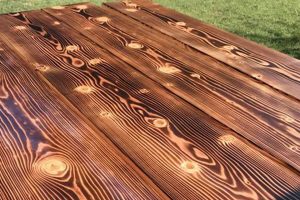
The selection of surface treatments for maple significantly influences its aesthetic properties. Maple, characterized by its light color and subtle grain patterns, presents a versatile canvas for various coating options. The choice of coating, be it a clear sealant or a pigmented stain, directly affects the visual appearance of the wood. For example, a clear polyurethane coating enhances the natural grain and color of maple, while a dark stain alters its hue, creating a more dramatic effect. Therefore, treatments impact the overall visual impression conveyed by the maple, ranging from a clean, minimalist look to a richer, more traditional aesthetic.
The level of gloss, color tone, and the presence of texture further contribute to the aesthetic impact. High-gloss further enhances the wood’s appearance by making it reflective. In contrast, matte finishes soften the appearance and minimize glare. Color tones range from natural to rich, depending on the type of finish. For instance, the application of a tinted varnish not only imparts color but also adds a layer of depth. The choice is dictated by the desired outcome, ensuring that the selected treatment complements the surrounding environment. The treatments include a variety of options to best represent what is desired.
In conclusion, the application of surface treatments to maple is intrinsically linked to aesthetic considerations. Treatments significantly affect maple’s appearance, with options ranging from clarity to pigmentations. Understanding the various properties of the treatments allow for informed choices that best suit design goals. Balancing protection with aesthetics is critical in preserving the visual appeal of maple.
6. Maintenance

The longevity and aesthetic appeal of surfaces on maple depend heavily on the implementation of consistent and appropriate maintenance procedures. Improper or neglected maintenance can compromise the integrity of the applied coating, leading to premature wear, discoloration, and ultimately, failure of the treatment. Consider a maple dining table subjected to daily use. Without regular cleaning and occasional reapplication of a protective wax or polish, the surface can accumulate dirt, oils, and minor scratches, diminishing its clarity and increasing its susceptibility to moisture damage. Therefore, maintenance is not merely an ancillary task but an integral component of ensuring the ongoing effectiveness of surface treatments applied to maple.
Effective maintenance strategies vary depending on the type of coating applied to the maple surface. Polyurethane coatings generally require less frequent maintenance than oil-based varnishes, but all surface treatments benefit from regular cleaning with mild, non-abrasive cleansers. The use of harsh chemicals or abrasive materials can erode the coating, exposing the underlying wood to damage. Periodic inspection of the surface is essential for identifying signs of wear, such as scratches, dullness, or water damage. Prompt attention to these issues, through spot repairs or reapplication of the coating, can prevent more extensive and costly damage. For instance, a scratch on a maple floor with a polyurethane finish should be addressed immediately to prevent moisture penetration and subsequent warping of the wood.
In conclusion, maintenance constitutes a critical element in preserving the protective and aesthetic properties of surface treatments on maple. A proactive and informed approach to maintenance, tailored to the specific type of coating and the environmental conditions, ensures the lasting beauty and durability of maple products. While challenges remain in educating consumers about appropriate maintenance practices, recognizing the inherent link between maintenance and the overall performance of “maple wood finishes” is essential for maximizing their value.
7. Adhesion

Adhesion, in the context of surface treatments on maple, is a critical factor determining the long-term performance and durability of the applied coating. It refers to the ability of the treatment to bond securely and permanently to the maple substrate. Adequate adhesion prevents peeling, cracking, and delamination, ensuring the protective and aesthetic benefits of the finish are maintained over time.
- Surface Preparation and its Influence
Surface preparation directly affects the adhesion of any surface treatment to maple. Contaminants such as dust, oil, or wax can impede the formation of a strong bond between the finish and the wood. Sanding creates a profile that increases the surface area for adhesion, allowing the finish to mechanically interlock with the wood fibers. Improper surface preparation is a primary cause of adhesion failure, leading to premature deterioration of the treatment. An example is a failure to remove all traces of old wax before applying a new coating, resulting in peeling and flaking within a short period.
- Compatibility of Materials
The chemical compatibility between the maple substrate and the surface treatment dictates the strength of the adhesive bond. Some finishes are inherently more compatible with maple than others due to differences in chemical composition and surface energy. Incompatible combinations can result in poor adhesion, even with proper surface preparation. For instance, certain water-based finishes may not adhere well to maple if the wood has not been properly sealed to prevent moisture absorption, which can weaken the bond.
- Application Techniques and Environmental Factors
Application techniques and environmental factors such as temperature and humidity significantly impact adhesion. Applying a finish too thinly can result in insufficient film build and weak adhesion, while applying it too thickly can lead to solvent entrapment and subsequent adhesion failure. High humidity can interfere with the drying and curing process, weakening the bond between the finish and the maple. Following the manufacturer’s recommendations for application and environmental conditions is essential for achieving optimal adhesion.
- Curing Process and Long-Term Bond Strength
The curing process is crucial for developing the long-term bond strength of the surface treatment. Proper curing allows the finish to fully cross-link and harden, creating a durable and adherent coating. Insufficient curing time or improper curing conditions can result in a soft, weak finish that is prone to damage and adhesion failure. Post-application, factors like UV exposure and temperature fluctuations affect the long-term strength between the treatment and the maple. Choosing finishes with UV inhibitors can prevent degradation and maintain bond strength, ensuring the finish remains effectively adhered over time.
In summary, adhesion is a multifaceted characteristic of “maple wood finishes,” influencing both the initial application and the longevity of the treatment. Factors such as surface preparation, material compatibility, application techniques, and the curing process collectively determine the strength and durability of the adhesive bond. Understanding these interdependencies is essential for achieving successful and lasting surface treatments on maple.
Frequently Asked Questions
This section addresses common inquiries regarding the selection, application, and maintenance of treatments designed for application to maple.
Question 1: What factors should influence the selection of surface treatments for maple?
The selection process requires consideration of several key factors. These include the intended use of the maple item, the level of protection required (against moisture, abrasion, UV radiation), the desired aesthetic (color, gloss level), and the ease of application. Evaluate the composition and product specifications to align with the anticipated environmental conditions and performance expectations.
Question 2: What surface preparation steps are necessary before applying a treatment to maple?
Proper surface preparation is essential for optimal adhesion and a uniform finish. This process typically involves thorough cleaning to remove any dirt, oil, or contaminants, followed by sanding to create a smooth, even surface. The use of progressively finer grits of sandpaper ensures the removal of imperfections and the creation of a suitable profile for the treatment to bond effectively.
Question 3: How does the application method affect the final result?
The application method significantly influences the appearance and durability of the coating. Spraying generally provides the most uniform coating, while brushing is suitable for smaller projects. Wiping is often used for applying stains and oils, allowing for better penetration and control of color. Ensure the chosen method aligns with the properties of the treatment and the desired aesthetic. Using the wrong method can ruin a solid finish.
Question 4: What are the common issues encountered during the application process, and how can they be avoided?
Common issues include uneven coating, brush marks, air bubbles, and slow drying. These issues can be mitigated by proper surface preparation, the use of appropriate application techniques, control of environmental conditions (temperature and humidity), and adherence to the manufacturer’s recommendations for drying times and number of coats.
Question 5: How should surfaces with treatments be maintained to ensure longevity?
Maintenance depends on the type of coating applied. Clean surfaces regularly with a mild soap and water solution. Avoid abrasive cleaners, which can scratch the coating. Periodically apply a maintenance coat to renew the protective layer and extend the lifespan of the coating. Promptly address any signs of wear or damage to prevent further deterioration.
Question 6: How can one determine if a is failing and needs to be reapplied?
Signs of failure include peeling, cracking, bubbling, discoloration, and loss of gloss. If these issues are observed, the compromised area should be assessed and either spot-repaired or the entire surface should be re-coated following proper preparation procedures.
Proper selection, meticulous application, and diligent maintenance are key to ensuring the long-term performance and aesthetic appeal of maple surfaces.
The subsequent section will delve into advanced techniques and specialized treatments for achieving unique effects on maple.
Conclusion
This exposition has illuminated critical aspects of “maple wood finishes,” encompassing selection, application, maintenance, adhesion and considerations of protection, and aesthetics. These elements collectively determine the long-term performance and visual quality of treated surfaces. Attention to detail, adherence to established best practices, and informed decision-making are paramount in maximizing the value and longevity of maple products.
The ongoing refinement of coating technologies and application techniques promises to further enhance the durability, aesthetic appeal, and sustainability of “maple wood finishes.” Continued research and development in this domain are essential for meeting the evolving demands of both residential and commercial applications, ensuring that maple remains a valued and enduring material. Investigate and explore the possibilities for superior outcomes.

![Buy Quality Finished Shelf Wood - [Your Brand] | Best Final Touch: Elevate Your Projects with Professional Finishing](https://bestfinaltouch.com/wp-content/uploads/2026/05/th-447-300x200.jpg "Buy Quality Finished Shelf Wood - [Your Brand] Best Final Touch: Elevate Your Projects with Professional Finishing")