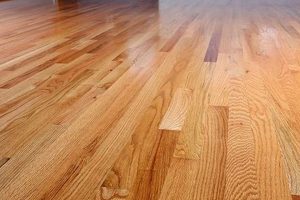
A protective coating applied to timber surfaces significantly impacts both aesthetics and durability. These coatings, available in a range of formulations, are designed to shield the underlying material from wear, moisture, and staining. For example, a polyurethane-based product creates a hard, resilient layer atop the wood, enhancing its resistance to scratches and spills.
The application of such a coating is critical to preserving the integrity and extending the lifespan of wooden surfaces. Beyond protection, these treatments enhance the natural grain and color of the wood, contributing to the overall visual appeal of a room. Historically, oils and waxes were used for surface treatment; however, modern synthetic polymers offer improved longevity and resistance to damage.
Subsequent sections will detail the various types available, application techniques, and considerations for selection based on wood type and intended use. Understanding these aspects allows for informed decisions to ensure optimal protection and aesthetic enhancement.
Selecting and Applying Protective Surface Treatments
The following recommendations are crucial for achieving optimal results when working with protective surface treatments for timber surfaces. Proper application and maintenance significantly impact the long-term appearance and durability of wood.
Tip 1: Assess the Wood Species: Different wood types react uniquely to various protective coatings. Porous woods like pine may require a pre-sealer to prevent excessive absorption, while denser hardwoods might necessitate specific application techniques to ensure proper adhesion.
Tip 2: Prepare the Surface Meticulously: Sanding is paramount. Begin with a coarse grit sandpaper to remove imperfections, gradually progressing to finer grits for a smooth, even surface. Thoroughly remove all dust and debris before applying any coating.
Tip 3: Choose the Appropriate Coating Type: Water-based formulations offer low VOCs and easy cleanup, while oil-based products provide enhanced durability and a richer finish. Polyurethane, varnish, and lacquer each possess distinct properties suitable for specific needs and environments.
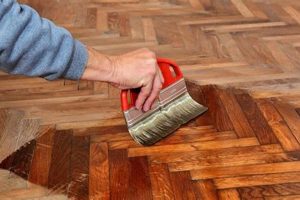
Tip 4: Apply Thin, Even Coats: Multiple thin coats are superior to a single thick coat. Thin layers allow for proper drying and curing, minimizing the risk of bubbles, drips, or uneven coverage. Use a high-quality applicator designed for the chosen coating type.
Tip 5: Allow Adequate Drying Time: Follow the manufacturer’s instructions regarding drying times between coats and before subjecting the surface to foot traffic. Insufficient drying can lead to tackiness, smudging, and compromised durability.
Tip 6: Maintain Consistent Environmental Conditions: Temperature and humidity levels can significantly impact the drying and curing process. Ideal conditions typically involve moderate temperatures and low humidity to ensure optimal results.
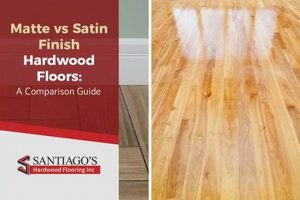
Tip 7: Consider the Sheen Level: Gloss, semi-gloss, satin, and matte sheens offer varying levels of reflectivity and durability. Glossy surfaces are easier to clean but may show scratches more readily, while matte finishes offer a softer appearance but may require more frequent maintenance.
Proper planning and execution when applying protective coatings for timber surfaces are critical for achieving long-lasting beauty and performance. Adhering to these guidelines will minimize potential issues and maximize the lifespan of the treated wood.
The subsequent discussion will delve into specific protective coating products and their respective applications, providing a comprehensive overview of available options.
1. Durability

The durability of a surface treatment is a paramount consideration in the context of timber surfaces. It directly determines the lifespan of the wood and its resistance to environmental stressors and daily use. A robust coating minimizes wear, protects against moisture, and preserves aesthetic appeal.
- Abrasion Resistance
This refers to the capacity of the protective layer to withstand scratching, scuffing, and general wear from foot traffic, furniture movement, and cleaning. Polyurethane and acrylic coatings, for instance, offer excellent abrasion resistance, making them suitable for high-traffic areas. The absence of adequate abrasion resistance results in visible surface damage and necessitates more frequent refinishing.
- Moisture Resistance
The ability to repel water and other liquids is crucial in preventing warping, swelling, and staining of the underlying wood. Oil-based coatings and certain water-based formulations create a barrier that minimizes moisture penetration. Failure to provide sufficient moisture resistance can lead to structural damage to the wood and the growth of mold or mildew.
- Chemical Resistance
The surface treatment’s capacity to resist damage from household chemicals, cleaning agents, and spills is vital for maintaining its appearance and integrity. Epoxies and some specialized varnishes exhibit high chemical resistance, making them appropriate for kitchens and areas prone to spills. Poor chemical resistance can result in discoloration, etching, or degradation of the coated surface.
- UV Resistance
Exposure to ultraviolet (UV) radiation from sunlight can cause fading, discoloration, and degradation of both the coating and the wood beneath. Surface treatments with UV inhibitors help to mitigate these effects. Certain varnishes and acrylic formulations include UV-absorbing additives to extend the lifespan of the treated surface, particularly in areas with significant sun exposure.
The interplay of abrasion, moisture, chemical, and UV resistance collectively defines the durability of a surface treatment. Selecting a coating with appropriate levels of resistance to these factors is essential for ensuring the long-term preservation and aesthetic appeal of timber surfaces. The optimal choice depends on the specific environmental conditions and the anticipated level of use.
2. Protection

The safeguarding of timber surfaces from various forms of damage is intrinsically linked to the applied surface treatment. This protective barrier serves as the primary defense against environmental factors and physical wear, extending the lifespan and preserving the aesthetic qualities of the underlying wood. Choosing a suitable treatment is paramount to ensuring adequate defense against potential harm.
- Physical Abrasion Resistance
The coating’s ability to withstand physical abrasion, such as scratches, scuffs, and impacts, is critical for maintaining the surface’s integrity. High-traffic areas necessitate treatments with enhanced abrasion resistance. For instance, polyurethane coatings are frequently employed in residential and commercial settings due to their durability against daily wear. Insufficient abrasion resistance leads to visible surface imperfections and premature deterioration.
- Moisture Barrier Properties
Surface treatments act as a barrier against moisture penetration, preventing warping, swelling, and fungal growth within the wood. Oil-based formulations and specific water-based acrylics offer varying degrees of moisture protection. In environments with high humidity or exposure to spills, a robust moisture barrier is essential to preserve the wood’s structural integrity and prevent water damage.
- Chemical Resistance Capabilities
Resistance to household chemicals, cleaning agents, and accidental spills is vital for maintaining the surface’s appearance and preventing irreversible damage. Certain epoxy-based coatings and specialized varnishes provide enhanced resistance to chemical degradation. Without adequate chemical resistance, the surface can become stained, discolored, or etched by common household substances.
- Ultraviolet (UV) Radiation Shielding
Prolonged exposure to UV radiation can cause fading, discoloration, and degradation of both the surface treatment and the underlying wood. Surface treatments with UV inhibitors or stabilizers help to mitigate these effects. Exterior applications, particularly those exposed to direct sunlight, require specialized coatings with enhanced UV protection to prolong the lifespan of the wood and preserve its color.
These facets of protection collectively define the effectiveness of a surface treatment in safeguarding timber surfaces. The appropriate selection, application, and maintenance of these protective barriers are crucial for ensuring the long-term preservation and aesthetic value of wood in a variety of environments. By addressing physical wear, moisture exposure, chemical contact, and UV radiation, these treatments play a vital role in extending the lifespan and maintaining the appearance of wood.
3. Aesthetics

The surface treatment applied to timber has a profound influence on the overall aesthetic of an interior space. This impact extends beyond mere surface appearance, affecting perceived value and influencing the psychological response to the environment. The choice of a specific product directly shapes the visual character, accentuating natural grain patterns, modulating color tones, and defining the sheen level. For instance, a clear, matte formulation preserves the inherent character of reclaimed wood, while a high-gloss polyurethane amplifies the visual depth of a carefully selected hardwood. The absence of a suitable treatment, conversely, can lead to a dull, lifeless appearance, detracting from the inherent beauty of the wood.
Consider the practical application of different treatments in diverse settings. In a contemporary minimalist home, a light-colored, satin formulation might be chosen to complement clean lines and muted tones. Conversely, a traditional space could benefit from a dark, oil-based treatment to enhance the richness and warmth of antique furnishings. Restaurants frequently employ durable, low-sheen coatings to mask imperfections and minimize glare. The strategic selection of a treatment based on sheen, color, and texture directly contributes to the desired atmosphere and complements the overall design scheme. Therefore, aesthetics as a component are as much important as durability as the look is what people will notice first.
In summary, the aesthetic impact of a surface treatment is a critical consideration when selecting a product for timber surfaces. Factors such as grain enhancement, color modulation, and sheen level play a vital role in shaping the overall visual character of a space. The careful alignment of product choice with design intent can significantly elevate the aesthetic appeal and perceived value of timber surfaces, contributing to a more harmonious and visually engaging environment. Challenges lie in balancing aesthetic goals with performance requirements, necessitating informed decision-making based on wood type, environmental factors, and anticipated use.
4. Application
The manner in which a surface treatment is applied to timber directly influences its performance and longevity. Faulty procedures can negate the inherent qualities of even the highest-quality product. For instance, the presence of contaminants on the surface before application prevents proper adhesion, resulting in premature peeling or blistering. Similarly, uneven spreading leads to inconsistencies in protection and appearance, compromising the intended aesthetic effect. Consequently, the application stage is not merely a procedural step but rather an integral component of the overall surface treatment system.
Specific techniques are critical for various product types. Polyurethane, for example, typically requires thin, even coats applied with a brush, roller, or sprayer, followed by sufficient drying time between layers. The failure to observe recommended drying times can result in a soft, tacky surface susceptible to damage. Oil-based treatments, on the other hand, demand a different approach, often involving application via cloth or brush, followed by wiping off excess material to ensure proper penetration and prevent a sticky residue. Each product class necessitates adherence to specific protocols to achieve optimal results. Consider, for instance, the application of a moisture-cured urethane in a high-humidity environment. The increased moisture content can accelerate the curing process, leading to premature hardening and an uneven texture. Skilled application takes into account environmental conditions and adjusts techniques accordingly.
In conclusion, the successful implementation of a surface treatment relies heavily on proper application techniques. Disregarding manufacturer guidelines or neglecting surface preparation can undermine the protective and aesthetic qualities of the product. A thorough understanding of application procedures, coupled with attention to detail and environmental considerations, is essential for achieving durable and visually appealing results on timber surfaces.
5. Maintenance
The ongoing preservation of surface treatments on timber is essential for retaining both their protective qualities and aesthetic appeal. Regular maintenance extends the lifespan of the treatment and the wood itself, mitigating the effects of wear, environmental factors, and accidental damage. Neglecting maintenance results in accelerated degradation, necessitating more frequent and costly refinishing.
- Regular Cleaning Protocols
Consistent removal of dust, dirt, and debris is fundamental to preventing abrasion and maintaining the surface’s luster. Appropriate cleaning agents, specifically designed for the treatment type, should be employed. For example, excessive use of harsh chemicals erodes the protective layer, while neglecting cleaning allows abrasive particles to scratch the surface. Implementing a routine cleaning schedule minimizes long-term damage.
- Spot Treatment and Repair
Prompt attention to spills, stains, and minor damages prevents them from becoming permanent blemishes. Immediate cleanup of liquids minimizes absorption into the wood. Minor scratches can often be addressed with specialized repair kits or touch-up products. Ignoring these issues leads to increased staining, deeper scratches, and ultimately, the need for more extensive repairs.
- Periodic Reapplication or Refreshing
Depending on the type of treatment and the level of traffic, periodic reapplication or refreshing is necessary to maintain optimal protection. For instance, wax coatings require frequent reapplication to replenish the protective layer. Polyurethane surfaces may benefit from a screen and recoat procedure every few years to address surface scratches and wear. Delaying this process compromises the underlying wood’s protection.
- Environmental Control Measures
Maintaining stable humidity levels is crucial for preventing warping, swelling, and cracking of the wood. The use of humidifiers or dehumidifiers helps to regulate moisture content within the acceptable range for the specific wood species and treatment. Excessive humidity promotes fungal growth, while excessively dry conditions lead to shrinkage and cracking. Consistent environmental control prolongs the treatment’s effectiveness and the wood’s structural integrity.
These facets of maintenance, encompassing cleaning, spot treatment, reapplication, and environmental control, collectively determine the long-term performance of surface treatments on timber. Adhering to a comprehensive maintenance program ensures sustained protection, preserves aesthetic appeal, and minimizes the need for costly and disruptive refinishing. This proactive approach optimizes the investment in both the treatment and the underlying wood.
6. Lifespan

The duration for which a protective surface treatment remains effective on timber surfaces, frequently referred to as its lifespan, is fundamentally interconnected with the selection and application of the treatment itself. The inherent properties of the chosen product, the quality of the application process, and the subsequent maintenance regimen directly dictate the longevity of the protective barrier. For example, a high-quality polyurethane product, meticulously applied to a properly prepared surface and routinely cleaned, demonstrably outlasts a low-grade varnish applied without proper surface preparation and subsequently neglected. Consequently, understanding the factors influencing lifespan is critical for making informed decisions regarding timber surface protection.
The impact of lifespan extends beyond mere cost considerations. Frequent refinishing cycles, necessitated by short-lived surface treatments, disrupt normal activities, generate dust and waste, and increase the overall environmental footprint. Conversely, a long-lasting treatment minimizes these disruptions, reduces resource consumption, and provides sustained protection against moisture, abrasion, and chemical exposure. Consider the difference between a commercial establishment that refinishes its timber surfaces annually versus one that only requires refinishing every five years. The latter experiences significantly reduced downtime and operational costs.
In summary, the lifespan of a surface treatment is a key performance indicator, reflecting the combined effects of product quality, application technique, and maintenance practices. An informed approach to timber surface protection prioritizes lifespan considerations, recognizing its impact on cost, convenience, and environmental sustainability. Challenges remain in accurately predicting lifespan due to varying environmental conditions and usage patterns, underscoring the importance of thorough research and adherence to manufacturer recommendations.
Frequently Asked Questions
The following section addresses common inquiries regarding protective surface treatments used on wood. The information presented aims to clarify misconceptions and provide guidance for informed decision-making.
Question 1: What factors determine the appropriate type of surface treatment for a particular wood?
Wood species, intended use, and environmental conditions are key determinants. Porous woods may require a sealer. High-traffic areas necessitate more durable treatments. High humidity environments mandate moisture-resistant formulations.
Question 2: How does surface preparation impact the longevity of a wood coating?
Thorough sanding to remove imperfections and create a smooth surface is essential. Failure to properly prepare the surface compromises adhesion and leads to premature failure of the coating.
Question 3: What are the advantages and disadvantages of water-based versus oil-based wood coatings?
Water-based coatings offer lower VOC emissions and easier cleanup. Oil-based coatings typically provide greater durability and enhanced aesthetic qualities. Selection depends on balancing environmental concerns with performance requirements.
Question 4: How often should wood surfaces be recoated or refinished?
Recoating frequency depends on the type of treatment, the level of traffic, and environmental conditions. Routine inspection for wear or damage informs the decision to recoat or refinish.
Question 5: What is the significance of sheen level in surface treatments?
Sheen level affects the degree of light reflection and perceived aesthetic. High-gloss finishes are easier to clean but show scratches more readily. Matte finishes offer a softer appearance but may require more frequent maintenance.
Question 6: How can potential health risks associated with wood coating application be minimized?
Adequate ventilation, use of personal protective equipment (PPE), and adherence to manufacturer safety guidelines are crucial for minimizing exposure to potentially harmful chemicals.
Proper selection, application, and maintenance of surface treatments ensure the protection and aesthetic appeal of timber surfaces. Consultation with professionals may be beneficial for complex projects or when uncertainty exists.
The subsequent section will explore advanced techniques and innovative materials used in modern wood surface treatments, focusing on sustainable practices and cutting-edge technologies.
Finish for Wood Floors
This discussion has provided a comprehensive overview of the surface treatments applied to timber. It has highlighted key considerations such as durability, protection, aesthetics, application techniques, lifespan, and maintenance protocols. The informed selection and implementation of these coatings are critical for preserving the integrity and enhancing the visual appeal of wood surfaces.
The strategic application of knowledge concerning these treatments ensures the long-term performance and sustainability of timber resources. Continued research and development in this field promise to yield increasingly effective and environmentally conscious solutions for protecting and beautifying wood in diverse applications.