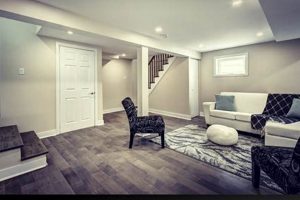
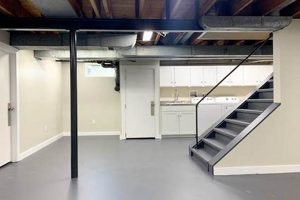
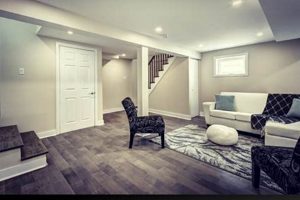
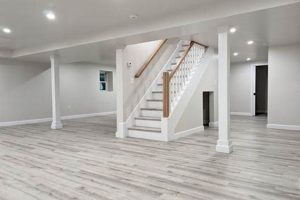
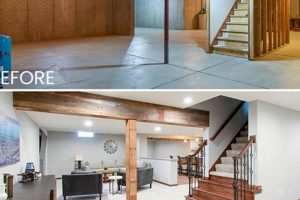
Completing the lower level of a dwelling within Orem transforms unused space into functional living areas. This process typically involves framing, insulation, electrical work, plumbing (if adding a bathroom), drywall installation, flooring, and painting. The result is a habitable extension of the home’s living space.
Undertaking such a project significantly enhances property value and expands usable square footage for recreation, guest accommodations, or home offices. Historically, these spaces were often left unfinished due to cost or perceived complexity. However, advancements in building materials and techniques have made the process more accessible and efficient, leading to increased popularity. Benefits extend beyond immediate space gains, including improved energy efficiency through proper insulation and soundproofing.
The following sections will delve into the specific considerations for such projects in Orem, encompassing local building codes, permit requirements, cost estimations, and the selection of qualified contractors. These aspects are crucial for a successful and compliant execution of the project.
Orem Basement Finishing
Successful execution of a lower level completion project in Orem requires careful planning and adherence to best practices. These tips offer guidance for navigating the process effectively.
Tip 1: Thoroughly assess the space. Prior to commencing any work, evaluate the existing basement structure for potential issues such as moisture intrusion, foundation cracks, or inadequate ceiling height. Addressing these concerns proactively prevents future complications and ensures a structurally sound finished space.
Tip 2: Obtain necessary permits. Orem City mandates permits for most residential construction projects. Research and comply with all local building codes and regulations to avoid fines and ensure the finished basement meets safety standards. The city’s building department provides guidance on permit requirements and inspection processes.
Tip 3: Prioritize moisture control. Basements are inherently susceptible to moisture. Install a vapor barrier and consider a sump pump system to mitigate potential water damage. Proper ventilation and dehumidification are also crucial for maintaining a healthy indoor environment.
Tip 4: Plan electrical and plumbing carefully. Determine the electrical and plumbing needs of the finished space, considering the intended usage. Engage licensed professionals to ensure safe and code-compliant installations. Overloading electrical circuits or improper plumbing connections can pose significant hazards.
Tip 5: Optimize insulation for energy efficiency. Proper insulation is essential for maintaining a comfortable temperature and reducing energy consumption. Insulate exterior walls and the ceiling to minimize heat loss in the winter and heat gain in the summer. Select insulation materials that meet or exceed local building codes.
Tip 6: Choose durable and appropriate flooring. Basement flooring should be resistant to moisture and capable of withstanding potential water damage. Options such as tile, luxury vinyl plank, or epoxy coatings are often preferred over carpet due to their superior moisture resistance.
Tip 7: Develop a detailed budget. Accurately estimate the costs associated with the finishing project, including materials, labor, permits, and unexpected expenses. Obtain multiple quotes from qualified contractors and compare pricing to ensure a competitive and realistic budget.
Implementing these tips can contribute significantly to a successful and valuable lower level finishing project in Orem. Careful planning and attention to detail are paramount for achieving a durable, functional, and aesthetically pleasing finished space.
The next section will explore common design considerations and aesthetic choices for enhancing the livability of the finished space.
1. Structural Integrity

Structural integrity is paramount when undertaking lower level transformations in Orem. The existing foundation and framing must be assessed to ensure they can adequately support the intended use of the finished space. Modifications or additions must not compromise the overall stability of the building.
- Load-Bearing Walls and Columns
Lower level modifications often involve altering or removing existing walls. Determining whether a wall is load-bearing is crucial. Removing a load-bearing wall without proper support can lead to structural failure. Engineered beams and columns, installed according to local building codes, may be necessary to redistribute the load. Improperly sized or installed support structures can lead to sagging floors, cracked walls, and even collapse.
- Foundation Stability
The foundation must be sound before completing the basement. Cracks, settling, or water damage can compromise the foundation’s integrity. Addressing these issues prior to finishing the space is essential. This may involve crack repair, waterproofing, or even underpinning to stabilize the foundation. Neglecting foundation problems can lead to more extensive and costly repairs later.
- Floor Joist Support
The floor joists above the basement provide support for the main level. Ensure these joists are adequately sized and spaced to carry the intended load. If planning heavy items, such as a pool table or exercise equipment, additional joist reinforcement may be necessary. Sagging or deflection in the floor joists can indicate a need for strengthening or replacement.
- Seismic Considerations
Orem, Utah, is located in a seismic zone. Lower level construction must adhere to seismic building codes to mitigate the risk of damage during an earthquake. Proper anchoring of walls and foundations, as well as the use of seismic bracing, can significantly improve the building’s ability to withstand seismic activity. Failure to address seismic considerations can result in significant structural damage during an earthquake.
Maintaining structural integrity during transformations of basements in Orem is not merely a matter of code compliance but a commitment to safety and long-term property value. A thorough assessment, coupled with professional expertise, ensures that the completed basement is a structurally sound and valuable addition to the home.
2. Code Compliance

Adherence to building codes is an indispensable component of any lower level completion project within Orem. These regulations, established by local authorities, dictate minimum standards for safety, structural integrity, and habitability. Non-compliance can result in costly rework, legal penalties, and, more importantly, compromise the safety of occupants. For instance, improper electrical wiring, a direct violation of code, increases the risk of fire. Insufficient egress windows, another common violation, hinder escape in emergency situations. These examples underscore the severe consequences of disregarding established building regulations.
The specific codes relevant to projects in Orem encompass a range of aspects, including minimum ceiling heights, proper insulation values, ventilation requirements, and fire safety measures. For example, codes mandate the installation of smoke detectors in every sleeping area and carbon monoxide detectors near fuel-burning appliances. Furthermore, electrical work must be performed by a licensed electrician and inspected to ensure compliance with the National Electrical Code (NEC), as adopted by Orem City. Structural modifications, such as moving or removing walls, require permits and must be engineered to maintain the building’s structural integrity. Neglecting these requirements can lead to structural failure, especially in seismic events.
In summary, strict code compliance is not merely a procedural formality but a fundamental safeguard for ensuring the safety, durability, and legal legitimacy of finished basements in Orem. Engaging licensed contractors familiar with local regulations is crucial for navigating the complexities of building codes and avoiding potential pitfalls. By prioritizing compliance, homeowners protect their investment and the well-being of their families.
3. Moisture Mitigation
Effective moisture management is crucial for successful lower level completion projects. Basements, by nature of their subterranean location, are susceptible to moisture intrusion, which can compromise structural integrity, promote mold growth, and degrade indoor air quality. Addressing moisture issues proactively is essential for creating a habitable and healthy living space.
- Exterior Waterproofing
Exterior waterproofing involves applying a protective barrier to the exterior foundation walls to prevent water from penetrating the concrete. This barrier can consist of coatings, membranes, or drainage systems. A properly installed exterior waterproofing system significantly reduces the risk of water seepage into the basement. In areas with high water tables or expansive soils, exterior waterproofing is particularly important. For instance, homes near the Provo River Bench in Orem may benefit from enhanced exterior waterproofing due to the elevated water table.
- Interior Drainage Systems
Interior drainage systems capture water that penetrates the foundation walls and redirect it to a sump pump for removal. These systems typically consist of perforated pipes installed along the perimeter of the basement floor. The pipes collect water and channel it to a sump pit, where a sump pump pumps it away from the foundation. An interior drainage system provides a reliable method for managing water intrusion, even when exterior waterproofing is compromised. Homes with recurring water problems often require an interior drainage system to maintain a dry basement.
- Vapor Barriers and Insulation
Vapor barriers are installed on the interior side of the foundation walls to prevent moisture from migrating through the concrete and into the finished living space. These barriers are typically made of polyethylene or other waterproof materials. Insulation, especially closed-cell foam, can also act as a vapor barrier and provide thermal protection. Proper installation of vapor barriers and insulation helps to maintain a dry and comfortable basement environment. Using breathable insulation materials can prevent trapping moisture and leading to mold growth.
- Dehumidification and Ventilation
Dehumidification involves removing excess moisture from the air using a dehumidifier. This helps to maintain a low humidity level, which inhibits mold growth and improves indoor air quality. Ventilation introduces fresh air into the basement, which helps to dilute pollutants and reduce humidity. A combination of dehumidification and ventilation provides a comprehensive approach to moisture control. Regularly using a dehumidifier, especially during humid months, can significantly reduce the risk of moisture-related problems.
Implementing comprehensive moisture mitigation strategies protects against water damage, mold growth, and indoor air quality issues. A dry and well-ventilated basement is essential for creating a comfortable and healthy living space, enhancing the value and usability of the home.
4. Energy Efficiency

Achieving optimal energy efficiency is a vital consideration for any basement completion project in Orem. A well-insulated and properly sealed lower level minimizes heat loss during colder months and reduces heat gain in warmer months, resulting in lower energy bills and a more comfortable living environment. Integrating energy-efficient practices is not merely an option but a crucial component of responsible home improvement.
- Insulation Selection and Installation
Choosing the appropriate type and R-value of insulation is fundamental to energy efficiency. Options include fiberglass batts, spray foam, and rigid foam boards, each with varying thermal performance characteristics. Proper installation, including sealing all gaps and seams, is equally important. Inadequate insulation or poorly sealed areas create thermal bridges, allowing heat to escape and compromising the overall energy performance of the finished space. For example, using closed-cell spray foam not only provides superior insulation but also acts as a vapor barrier, mitigating moisture issues and further enhancing energy efficiency.
- Heating, Ventilation, and Air Conditioning (HVAC) Systems
The design and efficiency of the HVAC system directly impact the energy consumption of the finished basement. Consider extending the existing system or installing a separate zone to ensure adequate heating and cooling without overburdening the main system. High-efficiency furnaces, air conditioners, and heat pumps can significantly reduce energy costs. Proper ductwork insulation and sealing are also crucial for preventing energy loss. Installing a programmable thermostat allows for precise temperature control and energy savings when the space is not in use. Examples include mini-split systems designed to heat and cool targeted areas, without needing ductwork.
- Window Selection and Placement
Basement windows can be a significant source of heat loss or gain if not properly selected and installed. Energy-efficient windows with low-E coatings and insulated frames minimize thermal transfer. Proper sealing around the window frames prevents air leaks. Strategically positioning windows to maximize natural light can reduce the need for artificial lighting, further contributing to energy savings. Consider egress windows that meet both safety and energy efficiency standards. For example, consider double-paned glass with argon-filling.
- Lighting Choices
Selecting energy-efficient lighting fixtures is a simple yet effective way to reduce energy consumption. LED lighting is significantly more energy-efficient than traditional incandescent or fluorescent lighting. LED bulbs consume less energy and have a longer lifespan, resulting in lower operating costs and reduced maintenance. Utilizing dimmer switches allows for adjusting the lighting level and further conserving energy. Automating lighting controls with occupancy sensors can ensure that lights are turned off when the space is unoccupied. For example, swapping all incandescent bulbs with LED equivalents can reduce lighting energy consumption by up to 75%.
Integrating these energy-efficient practices into a basement completion project in Orem provides long-term cost savings, enhances the comfort of the living space, and reduces the environmental impact of the home. Thoughtful planning and informed decision-making are essential for maximizing the energy efficiency of the finished basement and creating a sustainable and comfortable living environment.
5. Design Functionality

Design functionality within lower level transformations directly dictates the utility and value derived from the finished space. In Orem, where homes often seek to maximize usable square footage, a basement lacking thoughtful design serves as an underutilized asset. Cause and effect are directly linked: poor design results in a space that is either impractical or aesthetically unappealing, diminishing its real-world applicability. Conversely, a well-designed lower level expands living options, accommodating diverse needs such as home offices, entertainment areas, or additional bedrooms. A poorly designed basement yields a negative effect.
Design functionality is not merely an aesthetic consideration but an integral component of the entire project. It encompasses factors such as space planning, accessibility, and integration with the existing home’s layout. For example, egress windows meeting code requirements not only ensure safety but also contribute to the basement’s viability as a bedroom or living space. Similarly, thoughtful placement of storage areas optimizes the use of available space, preventing clutter and maximizing functionality. Thoughtful choice of materials and lighting amplifies the functionality in the long-term.
Ultimately, a successful lower level completion in Orem hinges on prioritizing design functionality. Challenges may arise from budget constraints, spatial limitations, or navigating complex building codes. However, addressing these challenges through careful planning and professional expertise ensures that the finished space serves its intended purpose effectively. The connection between the functional design of the basement with codes of the construction improves the value. Design and construction are intrinsically linked to the functionality of the completed basement, integrating this zone to the household needs.
Frequently Asked Questions
The following addresses common inquiries concerning completing basement spaces in Orem, Utah. The information provided aims to clarify key aspects of the process.
Question 1: What permits are required for finishing a basement in Orem?
Orem City mandates building permits for basement finishing projects. Specific requirements vary depending on the scope of work, but typically include permits for electrical, plumbing, and structural modifications. Contacting the Orem City Building Department is crucial to ascertain all necessary permits prior to commencement.
Question 2: What is the typical cost of finishing a basement in Orem?
Costs vary significantly based on the size of the basement, the complexity of the design, and the materials selected. Expect to pay between \$30 to \$60 per square foot for a basic finish. More elaborate designs, including bathrooms or custom features, will increase the overall cost.
Question 3: How can moisture issues be addressed in a basement finishing project?
Effective moisture control involves a multi-faceted approach. Exterior waterproofing, interior drainage systems, vapor barriers, and dehumidification are common strategies. Addressing existing moisture problems is crucial prior to commencing the finishing process.
Question 4: What are the egress window requirements for a basement bedroom?
Basements containing bedrooms must have an egress window for emergency escape. The window must meet specific size and operational requirements, including a minimum opening area and sill height. Consult local building codes for exact specifications.
Question 5: Is it necessary to hire a licensed contractor for basement finishing?
While not legally mandated for all projects, engaging a licensed and insured contractor is highly recommended. A qualified contractor possesses the expertise to ensure code compliance, manage the project effectively, and provide warranty protection.
Question 6: How long does it typically take to finish a basement?
The duration of a basement finishing project varies depending on the scope of work and the contractor’s schedule. A typical project may take between 6 to 12 weeks. Factors such as permit processing, material availability, and unforeseen issues can influence the timeline.
This information provides a general overview of key considerations for projects. Consulting with qualified professionals is crucial for addressing specific circumstances and ensuring compliance with all applicable regulations.
The next section explores common pitfalls to avoid during execution.
Orem Basement Finishing
This article has explored the complexities of “orem basement finishing,” emphasizing structural integrity, code compliance, moisture mitigation, energy efficiency, and design functionality. Successful execution requires meticulous planning, adherence to local regulations, and a comprehensive understanding of the specific challenges presented by basement environments. Neglecting any of these critical areas can result in costly remediation and compromised structural integrity.
The decision to undertake “orem basement finishing” is a significant investment that demands careful consideration. Homeowners are encouraged to consult with qualified professionals to ensure a safe, code-compliant, and valuable addition to their property. Diligence in planning and execution will determine the long-term success and utility of the finished space.