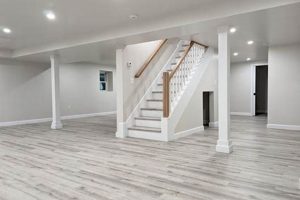
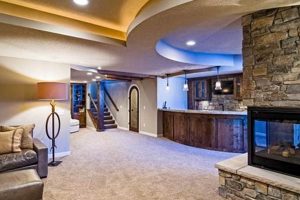
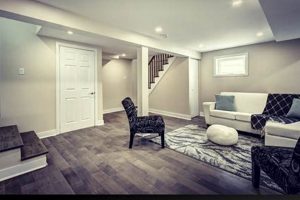
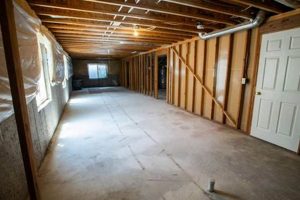
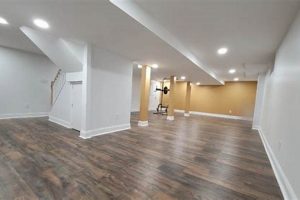
The challenge of limited vertical space in subterranean levels often necessitates specialized design strategies. These strategies aim to maximize the usability and aesthetic appeal of areas where standard ceiling heights are not possible. Successfully implemented solutions can transform what might otherwise be perceived as a constraint into a functional and attractive living area.
Optimization of lower-level square footage significantly enhances property value and expands living space without the expense of structural additions. Historical context reveals that these spaces were often relegated to storage or utilitarian functions. Modern design principles, however, allow for the creation of versatile recreational zones, home offices, or entertainment areas within these previously underutilized portions of a dwelling.
The subsequent discussion will address specific techniques to overcome spatial limitations, focusing on design elements that enhance perceived height and improve overall functionality. Consideration will be given to lighting strategies, flooring choices, and furniture selection, each playing a crucial role in creating a comfortable and inviting environment.
Design Strategies for Basements with Limited Vertical Clearance
Optimizing spaces with restricted headroom requires careful planning and execution. The following guidelines provide direction for maximizing usable area and creating an appealing aesthetic in these environments.
Tip 1: Maximize Natural and Artificial Light: Integrate ample lighting to create an open, airy feel. Recessed fixtures and strategically placed lamps minimize visual clutter and increase perceived height. Avoid pendant lights, which can visually lower the ceiling.
Tip 2: Utilize Light and Neutral Color Palettes: Light colors on walls and ceilings reflect light effectively, expanding the perception of space. Darker colors tend to absorb light, making the area feel smaller and more enclosed. Consider variations within a neutral palette to add depth without compromising the overall effect.
Tip 3: Select Low-Profile Furnishings: Opt for furniture that sits low to the ground to maximize vertical space. Avoid bulky or oversized pieces that can overwhelm the area. Streamlined designs contribute to a cleaner, more open feel.
Tip 4: Incorporate Vertical Design Elements: Utilize vertical stripes on walls or tall, narrow shelving units to draw the eye upward, creating the illusion of greater height. Avoid horizontal patterns that can visually compress the space.
Tip 5: Maintain Open Sightlines: Avoid unnecessary walls or partitions that obstruct views and make the space feel cramped. Open floor plans enhance the flow of light and create a more expansive atmosphere. Consider partial walls or strategic furniture placement to define zones within the space.
Tip 6: Reflective Surfaces: Mirrors can significantly enhance the perception of space. Strategically placed mirrors reflect light and create the illusion of depth, making the area feel larger and more open. Consider mirrored closet doors or wall-mounted mirrors.
Effective utilization of light, color, and strategic design choices can dramatically transform subterranean levels with restricted ceiling heights into functional and aesthetically pleasing areas, enhancing the overall value and usability of the property.
The subsequent section will explore specific material selections and construction techniques that can further optimize these areas, addressing common challenges such as moisture management and soundproofing.
1. Lighting Optimization

In spaces with limited vertical clearance, effective lighting is not merely a functional necessity but a critical design element that significantly impacts the perception of spaciousness and overall comfort. Careful planning and implementation of lighting strategies are essential to mitigate the inherent challenges posed by low ceilings.
- Recessed Lighting Integration
Recessed fixtures, such as can lights or slim LED panels, offer a streamlined solution by minimizing the intrusion into the already limited headroom. Unlike pendant lights or chandeliers, recessed lighting sits flush with the ceiling, avoiding visual clutter and maximizing vertical space. Strategic placement ensures even illumination, preventing shadows that can further diminish the perceived size of the room. For example, a grid of recessed LEDs can effectively brighten a recreation area, while dimmer-controlled fixtures provide adaptable ambient lighting for a home theater setting.
- Layered Lighting Approach
A layered approach combines multiple light sources to create a balanced and visually appealing environment. This includes ambient lighting (general illumination), task lighting (focused on specific activities), and accent lighting (highlighting architectural features or artwork). In a low-ceiling basement, wall-mounted sconces or strategically placed floor lamps can supplement recessed lighting, adding depth and dimension without compromising headroom. Indirect lighting, such as light strips installed above crown molding or below cabinets, can wash walls with light, creating the illusion of height.
- Color Temperature Considerations
The color temperature of light, measured in Kelvin (K), affects the mood and perception of a space. Warmer light (2700K-3000K) creates a cozy and inviting atmosphere, while cooler light (3500K-4000K) provides a brighter and more energetic feel. In low-ceiling basements, cooler light can help to visually expand the space and combat the feeling of enclosure. However, a balanced approach is crucial to avoid a sterile or harsh environment. Adjustable color temperature fixtures offer versatility, allowing occupants to customize the lighting to suit different activities and preferences.
- Natural Light Maximization Strategies
While basements typically have limited natural light, any available source should be maximized. Window wells can be enlarged to allow more sunlight to enter, and reflective materials can be used to bounce light around the room. Light tubes, also known as solar tubes, can channel sunlight from the roof into the basement, providing a natural and energy-efficient source of illumination. Even small amounts of natural light can significantly enhance the feeling of openness and connection to the outdoors.
The strategic application of these considerations in the context of “low ceiling finished basement ideas” emphasizes the transformative potential of well-planned illumination. By thoughtfully selecting and integrating lighting fixtures, techniques, and color temperatures, the perception of a confined subterranean space can be altered, creating a more comfortable, inviting, and functional living area.
2. Color Palette

The selection of a color palette exerts a significant influence on the perceived dimensions of a subterranean space with limited verticality. Light reflectance values (LRV) of chosen colors directly correlate with the sensation of spaciousness. Higher LRV colors, typically found in lighter hues, reflect a greater percentage of incident light, effectively amplifying brightness and thereby expanding the perceived volume of the room. Conversely, darker shades absorb light, leading to a diminution of perceived space and a heightened sense of enclosure. Consequently, the strategic implementation of a predominantly light color scheme constitutes a foundational element in “low ceiling finished basement ideas.” A practical example involves the application of a matte off-white paint on the ceiling, maximizing light reflection, coupled with light gray or pastel shades on the walls to maintain brightness while introducing subtle visual interest.
Beyond simple lightness or darkness, the judicious use of analogous color schemes (colors adjacent on the color wheel) can contribute to a sense of visual harmony and flow, preventing the creation of sharp contrasts that might disrupt the eye’s movement and emphasize the limitations of the space. Employing a monochromatic scheme with varying tones of a single color, such as blue, from a pale sky blue on the ceiling to a deeper navy accent wall, can create depth without sacrificing the overall sense of spaciousness. Furthermore, the color palette extends beyond wall and ceiling paint to encompass flooring, furnishings, and decorative elements. Light-colored flooring options, such as engineered wood or light-toned carpets, contribute to the overall brightness of the space. Integrating pops of brighter, contrasting colors through accessories and artwork can add visual interest and prevent the space from feeling sterile or monotonous, provided these elements are carefully balanced and do not overwhelm the limited space.
In conclusion, the color palette is not merely an aesthetic consideration but a critical determinant of the perceived size and atmosphere of a basement with low ceilings. Employing light, reflective colors on primary surfaces, utilizing harmonious color schemes, and carefully integrating accent colors can mitigate the inherent challenges of limited verticality and transform a potentially claustrophobic space into a comfortable and inviting living area. The primary challenge lies in balancing the desire for visual interest with the need to maintain a sense of spaciousness, requiring careful planning and execution.
3. Furniture scale

Appropriate dimensioning of furnishings is a critical determinant of spatial perception and functionality within subterranean environments characterized by limited vertical clearance. Incorrect furniture selection can exacerbate the inherent constraints of such spaces, leading to a sense of confinement and reduced usability. Conversely, judicious choice of furniture scale can mitigate these challenges and optimize the available area.
- Vertical Profile Reduction
Minimizing the vertical height of furniture pieces directly contributes to the enhancement of perceived ceiling height. Low-slung sofas, platform beds, and coffee tables with minimal elevation preserve visual space above the furniture, preventing the creation of visual barriers that interrupt the flow of sight and emphasize the low ceiling. For instance, opting for a sectional sofa with a back height no greater than 30 inches allows for more open wall space above, creating a sense of airiness that would be absent with a taller, more imposing piece. The absence of bulky headboards or high-backed chairs further supports this principle, contributing to a more expansive feel.
- Horizontal Footprint Optimization
Beyond vertical dimensions, the horizontal footprint of furniture must also be carefully considered. Overly large pieces, regardless of their height, can overwhelm the limited floor space in a low-ceiling basement, creating a cluttered and cramped environment. Modular furniture systems offer a flexible solution, allowing for customization of size and configuration to fit the specific dimensions of the room. For example, a modular shelving unit can be adapted to fit snugly against a wall, maximizing storage without encroaching excessively into the available floor space. Similarly, nesting tables provide adaptable surface area that can be expanded or contracted as needed, preventing the permanent occupation of valuable square footage.
- Multi-Functional Furniture Integration
The incorporation of furniture pieces that serve multiple purposes is an effective strategy for maximizing utility in constrained spaces. Sleeper sofas provide additional sleeping capacity without requiring a dedicated guest room, while storage ottomans offer seating and concealed storage. Folding tables and chairs can be easily stored when not in use, freeing up floor space for other activities. The strategic use of these multi-functional items minimizes the need for additional furniture, contributing to a cleaner and more open environment. An example would be a coffee table with a lift-top mechanism that reveals storage space for blankets and board games, reducing clutter and maximizing the table’s functionality.
- Visual Weight Considerations
The visual weight of furniture, determined by factors such as material, color, and design, impacts the perceived density of a space. Furniture with solid, dark finishes and heavy textures tends to appear visually heavier, potentially overwhelming a small room. Opting for lighter-colored materials, open framework designs, and furniture with visible legs can reduce visual weight and create a more airy feel. For example, a glass-topped coffee table with slender metal legs appears less substantial than a solid wood table with a bulky base, allowing more light to pass through and creating a sense of openness. The strategic use of transparent or translucent materials can further enhance this effect.
The interplay between furniture scale and the spatial constraints of a low-ceiling finished basement dictates the overall success of the design. By prioritizing vertical profile reduction, horizontal footprint optimization, multi-functional furniture integration, and visual weight considerations, the inherent limitations of these spaces can be mitigated, resulting in a comfortable, functional, and aesthetically pleasing living environment. The selection process demands a comprehensive understanding of spatial dynamics and a commitment to prioritizing scale-appropriate furnishings.
4. Vertical Illusion
In the context of “low ceiling finished basement ideas,” vertical illusion represents a collection of design techniques aimed at artificially augmenting the perception of height within a spatially constrained environment. The objective is to counteract the oppressive feeling of limited headroom and create a more comfortable and visually expansive space. This relies not on physical alteration but on manipulating visual cues.
- Vertical Striping and Linear Patterns
Employing vertical stripes on walls or incorporating linear patterns in dcor redirects the eye upward, creating the illusion of greater height. This technique capitalizes on the brain’s tendency to follow lines, effectively elongating the visual field. Examples include vertically striped wallpaper, long, narrow mirrors arranged vertically, or shelving units with strong vertical lines. The implication is a subtle but noticeable increase in perceived ceiling height without requiring structural modifications. In contrast, horizontal patterns can visually compress the space, exacerbating the low ceiling.
- Strategic Lighting Placement
Uplighting techniques strategically direct light upwards, washing the walls and ceiling with illumination. This draws the eye upward, creating a sense of spaciousness and minimizing shadows that emphasize the low ceiling. Examples include wall sconces that cast light upwards, recessed lighting positioned close to the walls to create a grazing effect, or indirect lighting hidden behind architectural features. The absence of downward-directed lighting that focuses attention on the floor can further enhance the effect. This approach prioritizes the vertical dimension through illumination, creating the perception of greater height.
- Tall, Narrow Furniture and Dcor
Incorporating furniture and dcor with tall, narrow proportions emphasizes verticality and contributes to the illusion of height. Tall bookshelves, narrow mirrors, and slender floor lamps draw the eye upwards, creating a visual counterpoint to the low ceiling. Conversely, wide, squat furniture can emphasize the horizontal dimension and make the space feel more cramped. The strategic placement of these vertical elements creates a visual dynamic that distracts from the limited headroom and encourages the eye to travel upwards.
- Mirrored Surfaces and Reflections
Strategic placement of mirrors, particularly tall, floor-to-ceiling mirrors, creates the illusion of expanded space by reflecting light and doubling the perceived dimensions of the room. Mirrors can effectively extend the visual boundaries of a room, making it appear larger and more open. The positioning of mirrors should be carefully considered to maximize their impact and avoid reflecting unwanted elements. When implemented effectively, mirrors can significantly enhance the perception of height and spaciousness in a low-ceiling basement.
These techniques, while not physically altering the space, effectively manipulate visual perception to mitigate the constraints of low ceilings. In the context of “low ceiling finished basement ideas,” the strategic application of these “Vertical illusion” principles can transform a potentially claustrophobic environment into a more comfortable and aesthetically pleasing living area. The key lies in understanding how visual cues can be leveraged to create a sense of spaciousness and overcome the limitations of the physical dimensions.
5. Open concept
The application of open concept design principles in subterranean spaces with limited vertical clearance represents a strategic approach to maximizing perceived spaciousness and functionality. By minimizing physical barriers and promoting visual continuity, open concept layouts can effectively mitigate the challenges posed by low ceilings, creating a more comfortable and inviting environment.
- Reduced Partitioning and Enhanced Flow
The fundamental element of an open concept design involves minimizing or eliminating interior walls and partitions. This promotes an unobstructed flow of space and light, which is particularly advantageous in basements where natural illumination is often limited. Removal of unnecessary walls creates longer sightlines, which, in turn, make the area feel larger and less confined. An example is the elimination of a separate laundry room wall, integrating the laundry area into a larger recreational space, thereby preventing fragmentation of the limited square footage. The implication is a more expansive and interconnected living area.
- Zonal Definition Through Furniture and Accessories
While physical walls are minimized in an open concept layout, the definition of distinct functional zones is still crucial. This can be achieved through the strategic placement of furniture, rugs, and accessories. For example, a large area rug can delineate a living room area, while a kitchen island can separate the cooking zone from the dining area. The careful selection and arrangement of these elements provide visual cues that define each space without creating physical barriers. This approach allows for flexibility and adaptability, enabling the space to be easily reconfigured as needed.
- Unified Flooring and Color Schemes
Maintaining a consistent flooring material and color scheme throughout the open space enhances visual continuity and creates a sense of unity. Avoiding abrupt changes in flooring or wall color prevents visual fragmentation and reinforces the perception of a larger, more cohesive space. For example, utilizing the same light-colored laminate flooring throughout the entire basement area contributes to a seamless flow, visually expanding the dimensions of the space. Similar color palettes on walls and ceilings further enhance this effect, promoting a sense of harmony and spaciousness.
- Optimized Lighting Strategies
In an open concept basement with low ceilings, lighting plays a crucial role in defining zones and maximizing perceived height. Recessed lighting is often preferred, as it minimizes intrusion into the limited vertical space. Task lighting, such as pendant lights over a kitchen island, can define specific work areas. Ambient lighting, provided by wall sconces or strategically placed floor lamps, adds depth and dimension to the space. The goal is to create a balanced and well-lit environment that enhances the functionality and aesthetic appeal of the open layout. Avoidance of harsh, direct lighting is essential to maintain a comfortable and inviting atmosphere.
The implementation of an open concept design in a “low ceiling finished basement” requires a thoughtful and integrated approach. By minimizing physical barriers, strategically defining zones, maintaining visual continuity, and optimizing lighting, the limitations of low ceilings can be effectively mitigated, resulting in a more spacious, functional, and aesthetically pleasing living area. The success of this approach hinges on careful planning and a comprehensive understanding of spatial dynamics.
6. Reflective Surfaces

The strategic incorporation of reflective surfaces constitutes a crucial element in design strategies aimed at optimizing subterranean spaces characterized by limited vertical clearance. The primary effect of these surfaces lies in their ability to amplify ambient light, thereby mitigating the inherent darkness often associated with basements. Mirrors, polished metals, and certain types of glossy finishes serve to redirect and scatter light throughout the space, effectively creating the illusion of expanded dimensions. The application of this principle is particularly relevant to “low ceiling finished basement ideas” where maximizing perceived space is paramount. For example, the installation of a large mirrored wall in a recreation room can visually double the size of the space, while also increasing the overall brightness, creating a more inviting atmosphere.
Furthermore, the selection and placement of reflective elements should be carefully considered in relation to other design components within the basement. The type of finish applied to walls and ceilings directly impacts light reflectance. Semi-gloss or gloss paint finishes, in contrast to matte finishes, promote greater light diffusion, thereby enhancing the overall illumination levels. Similarly, furniture incorporating reflective materials, such as glass-topped tables or metallic accents, can contribute to the effect. The practical application of this understanding is exemplified in the design of a home office within a low-ceiling basement. A glass-topped desk, coupled with a strategically placed mirror, not only provides a functional workspace but also amplifies the available light, minimizing the sense of enclosure. Proper execution demands thoughtful planning to avoid glare or undesirable reflections that can compromise visual comfort.
In summary, the judicious use of reflective surfaces in basements with low ceilings provides a tangible means of enhancing perceived spaciousness and improving overall lighting conditions. The effectiveness of this approach hinges on careful selection, strategic placement, and integration with other design elements. While reflective surfaces offer a significant advantage, the challenge lies in striking a balance between amplification and visual comfort, ensuring a harmonious and functional living environment. The understanding of this principle is of practical significance for homeowners and design professionals seeking to optimize the usability and aesthetic appeal of these challenging spaces.
Frequently Asked Questions
The following addresses common inquiries regarding design and execution in subterranean spaces with limited vertical dimensions.
Question 1: What constitutes a “low ceiling” in the context of basement finishing?
While building codes vary, a ceiling height of 7 feet or less is generally considered “low” for finished basement spaces. This dimension presents challenges for comfort and code compliance.
Question 2: Are there specific building codes to consider when finishing a basement with low ceilings?
Yes. Building codes often dictate minimum ceiling heights for habitable spaces. These codes may require alternatives such as lowering the floor or altering the intended use of the space if minimum height requirements cannot be met.
Question 3: How can lighting effectively mitigate the perception of low ceilings?
Recessed lighting, wall sconces that direct light upwards, and strategic use of natural light (if available) can minimize shadows and create a sense of vertical space. Avoiding pendant lights is also advised.
Question 4: What color palettes are most effective for basements with limited headroom?
Light and neutral colors reflect light, maximizing perceived space. Darker colors tend to absorb light, making the area feel smaller. Employing a monochromatic or analogous color scheme can also enhance visual harmony.
Question 5: Is it possible to increase ceiling height through structural modifications?
While technically feasible, lowering the basement floor is a complex and costly undertaking. It requires underpinning the foundation and addressing potential drainage issues. Professional engineering assessment is crucial.
Question 6: What are the primary challenges related to moisture management in low-ceiling basements?
Proper waterproofing, vapor barriers, and adequate ventilation are critical. Low ceilings may restrict airflow, increasing the risk of mold and mildew growth. Dehumidifiers may be necessary.
Successful execution requires a comprehensive understanding of design principles, building codes, and construction techniques. Careful planning is essential to maximize usability and aesthetic appeal.
The subsequent section will discuss specific flooring options and strategies for addressing common basement issues like dampness and noise.
low ceiling finished basement ideas
The preceding discourse has explored various strategies for maximizing the usability and aesthetic appeal of subterranean spaces with restricted vertical dimensions. Key points include optimized lighting solutions, strategic color palettes, appropriately scaled furniture, and the application of visual illusions to enhance perceived height. Successful implementation necessitates adherence to building codes, careful attention to moisture management, and a comprehensive understanding of spatial dynamics.
Effective realization of “low ceiling finished basement ideas” transforms a challenging constraint into a valuable asset, increasing property value and expanding living space. It requires diligent planning and execution. Further exploration of innovative materials and technologies holds the potential to enhance the functionality and comfort of these spaces even further.