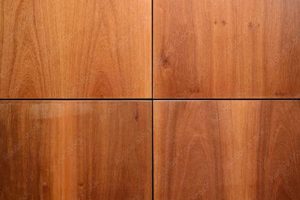
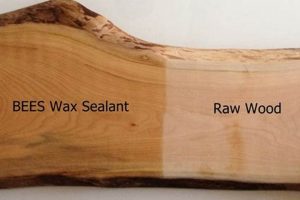
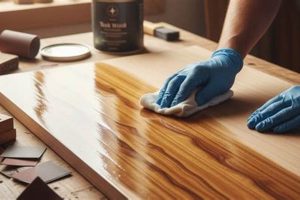
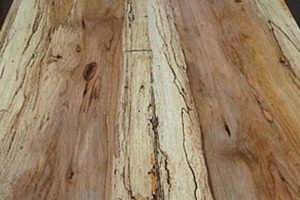
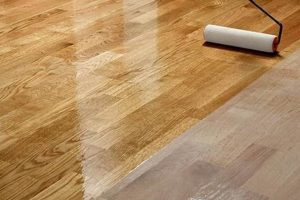
Coatings applied to wooden furnishings designed for exterior use enhance both aesthetics and durability. These treatments, which range from penetrating oils to surface-forming varnishes, provide a protective barrier against environmental stressors. A teak bench treated with oil exemplifies this category, showcasing the visual appeal and weather resistance conferred by the application.
The application of protective layers is crucial for preserving the structural integrity and extending the lifespan of items exposed to the elements. Historically, various natural oils and resins have been employed to protect timber from moisture, ultraviolet radiation, and temperature fluctuations. Modern formulations offer enhanced resistance to fungal growth and insect infestation, contributing significantly to the long-term value of such pieces.
Subsequent sections will delve into different types of coatings available, appropriate wood species for outdoor applications, and best practices for maintenance and upkeep to ensure longevity and continued aesthetic appeal.
Essential Guidance for Preserving Exterior Wooden Furnishings
The following guidelines are designed to assist in maintaining and prolonging the life of timber furnishings intended for use in outdoor settings. Proper application and consistent upkeep are critical for optimal performance and aesthetic preservation.
Tip 1: Select Appropriate Wood Species: Certain wood types, such as teak, cedar, and redwood, possess inherent resistance to decay and insect damage due to their natural oil content. Opting for these species reduces the need for aggressive treatments.
Tip 2: Thorough Surface Preparation: Prior to application, ensure the wood surface is clean, dry, and free from any existing coatings or contaminants. Sanding to a smooth finish is often necessary to promote optimal adhesion.
Tip 3: Employ a Multi-Coat System: Applying multiple thin layers, rather than a single thick coat, generally results in improved durability and a more uniform appearance. Allow sufficient drying time between coats as specified by the manufacturer.
Tip 4: Consider the Environmental Factors: Select formulations specifically designed for exterior use and appropriate for the anticipated environmental conditions. Factors such as sunlight exposure, humidity, and temperature fluctuations should influence the choice.
Tip 5: Regular Inspection and Maintenance: Periodically inspect furnishings for signs of wear, damage, or discoloration. Address any issues promptly to prevent further deterioration. Clean surfaces regularly to remove dirt and debris.
Tip 6: Reapply Protective Layers Periodically: Depending on the product and environmental conditions, reapplication may be necessary every one to three years. Follow the manufacturer’s recommendations for reapplication schedules.
Tip 7: Store Properly During Off-Season: When not in use, store furnishings in a covered or sheltered location to minimize exposure to harsh weather conditions. This will significantly extend the lifespan of the treatment.
Adhering to these recommendations will contribute significantly to the long-term preservation of wooden furnishings designed for exterior environments, maintaining their structural integrity and aesthetic appeal.
The subsequent segment will explore common challenges and potential solutions encountered during the process of preserving and maintaining outdoor wood furnishings.
1. Protection

The longevity and aesthetic appeal of wooden furnishings designed for exterior use are directly contingent upon the level of safeguarding afforded against environmental factors. Effective defense mechanisms are essential to mitigate damage and extend the service life of such items.
- Moisture Barrier
Penetration by water can lead to wood rot, swelling, and eventual structural failure. Coatings create an impervious layer that prevents moisture absorption, thereby preserving the integrity of the wood. For instance, applying a waterproof sealant to a picnic table inhibits water infiltration during rainfall, preventing premature decay.
- Ultraviolet (UV) Radiation Shield
Prolonged exposure to sunlight causes discoloration, cracking, and degradation of the wood’s surface. Finishes containing UV absorbers deflect harmful rays, protecting the wood from sun damage. Consider the difference between two identical chairs, one exposed to direct sunlight without protection and the other shielded by a UV-resistant coating; the latter will maintain its color and structural stability for a significantly longer period.
- Pest Deterrence
Certain wood-boring insects and fungi can cause significant damage. Some coatings incorporate insecticides or fungicides that deter these organisms. The application of a borate-based solution to wooden patio sets can prevent infestation by termites and other wood-destroying pests.
- Physical Abrasion Resistance
Exposure to wind, sand, and other abrasive elements can gradually erode the surface. Durable coatings provide a protective layer that resists scratching and wear. For example, a marine-grade varnish on a wooden deck chair offers greater resistance to abrasion from foot traffic and windblown particles than an unprotected surface.
Collectively, these protective measures are crucial for ensuring the sustained performance and visual quality of wooden furnishings intended for outdoor environments. The selection of appropriate coatings, tailored to specific environmental challenges, directly impacts the overall durability and lifespan of such items. Without these safeguards, exterior wooden pieces are highly susceptible to premature deterioration, necessitating costly repairs or replacements.
2. Durability
The connection between “wood finish outdoor furniture” and durability is causal and crucial. The finish acts as a protective barrier, directly influencing the lifespan of the underlying wood. Without appropriate treatment, outdoor furniture is susceptible to environmental stressors that compromise structural integrity. Moisture, ultraviolet radiation, temperature fluctuations, and biological agents like fungi and insects contribute to the deterioration of unfinished wood. A quality finish mitigates these effects, thus significantly extending the service life of the furniture. For example, a mahogany bench left untreated outdoors will likely exhibit signs of decay within a year, while an identical bench properly sealed and maintained could last for decades. Understanding this relationship is paramount for informed selection and maintenance practices.
The choice of finish directly influences the level of protection afforded. Penetrating oils, for instance, saturate the wood fibers, enhancing water resistance and preventing cracking. Film-forming finishes like varnishes and polyurethanes create a protective layer on the surface, offering greater resistance to abrasion and UV damage. The selection of the appropriate wood and finish combination should consider the specific environmental conditions and anticipated use of the furniture. The application of a marine-grade varnish on teak outdoor furniture in a coastal environment provides a superior level of protection compared to a simple stain applied to pine.
In summary, the durability of outdoor wooden furnishings is intrinsically linked to the type and quality of the applied finish. Proper selection, application, and maintenance of the finish are essential for maximizing the lifespan and preserving the aesthetic appeal of such items. Neglecting this crucial aspect invariably leads to premature degradation, increased maintenance costs, and ultimately, the need for replacement. The understanding of this connection between finish and durability ensures a sustainable and cost-effective approach to outdoor furniture ownership.
3. Aesthetics

The aesthetic dimension of wooden furnishings designed for outdoor environments is inextricably linked to the choice and application of surface treatments. A finish serves not only a protective function but also significantly influences the visual appeal, impacting the perception of quality and value. The application of a transparent, matte sealant to reclaimed wood, for example, can highlight the natural grain and imperfections, creating a rustic aesthetic. Conversely, a high-gloss varnish on meticulously crafted mahogany generates a more formal and luxurious impression. Thus, the selection of the surface layer dictates the ultimate visual character, making it a critical consideration in the design and selection process. The impact on aesthetics is a direct effect of the chosen methodology and, consequently, a non-negligible part of the decision-making process.
Variations in color, sheen, and texture contribute significantly to the overall visual impact. Stains can alter the wood’s hue, ranging from subtle tints to bold, saturated colors. The sheen, whether matte, satin, semi-gloss, or gloss, affects the way light reflects off the surface, influencing the perceived smoothness and depth. Textured finishes can add tactile interest, further enhancing the sensory experience. Consider the difference between a set of Adirondack chairs painted in a vibrant, eye-catching color versus a set stained with a natural, earth-toned hue; each choice evokes a distinct aesthetic, catering to different preferences and design sensibilities. The careful use of these attributes allows for a customizable aesthetic based on the design requirements for a given location.
Ultimately, understanding the relationship between surface treatments and aesthetics is crucial for achieving the desired visual outcome in exterior wooden furnishings. The thoughtful selection and application of coatings enhance both the protective qualities and the inherent beauty of the wood, resulting in items that are not only durable and functional but also visually appealing and harmonious with their surroundings. Neglecting the aesthetic considerations can lead to a disconnect between the intended design vision and the final product, diminishing the overall satisfaction and value. As such, this connection is paramount.
4. Maintenance

Sustained performance and aesthetic preservation of exterior wooden furnishings are directly dependent on consistent and appropriate maintenance practices. These procedures are not merely cosmetic but are essential for prolonging the lifespan of both the wood and its protective coating, thereby maximizing the investment.
- Regular Cleaning Regimens
Accumulation of dirt, debris, and organic matter provides a breeding ground for mold and mildew, accelerating the deterioration of the finish and underlying wood. Periodic cleaning with mild soap and water removes these contaminants, preserving the integrity of the protective layer. For example, neglecting to clean a patio set regularly can lead to the formation of unsightly stains and weakening of the protective barrier, necessitating more frequent reapplication.
- Periodic Inspection Protocols
Routine examination for signs of wear, damage, or discoloration allows for early detection of potential problems. Identifying issues such as cracking, peeling, or fading enables prompt intervention, preventing further degradation. A thorough inspection of wooden benches after a harsh winter can reveal areas where the finish has been compromised, requiring immediate attention to prevent moisture penetration and rot.
- Timely Reapplication Schedules
Protective coatings gradually degrade over time due to exposure to environmental factors. Reapplication of the finish at recommended intervals replenishes the protective barrier, extending the life of the furniture. Failing to reapply a sealant to a wooden table can result in the wood becoming exposed to moisture, leading to swelling, warping, and eventual structural damage.
- Appropriate Storage Practices
When not in use, storing outdoor furniture in a sheltered environment minimizes exposure to harsh weather conditions, reducing the rate of deterioration. Covering or storing items indoors during the off-season significantly extends the lifespan of the coating and the underlying wood. Leaving a wooden swing set exposed to the elements year-round accelerates the wear and tear on both the wood and the finish, compared to storing it in a shed during the winter months.
The implementation of these maintenance strategies, tailored to the specific type of finish and environmental conditions, is crucial for ensuring the longevity and aesthetic appeal of exterior wooden furnishings. Neglecting these practices invariably leads to premature degradation, increased repair costs, and ultimately, the need for replacement. Consistent application of basic principles is essential for continued protection.
5. Wood Species

The selection of wood species is a foundational decision impacting the durability and longevity of outdoor furniture. The inherent properties of different woods dictate their susceptibility to moisture, insect infestation, and decay, thereby influencing the type and frequency of finish applications required. Teak, for example, contains natural oils that render it highly resistant to these detrimental factors, reducing the need for frequent refinishing. Conversely, pine, lacking such natural protection, necessitates more rigorous and regular treatment to prevent degradation. Therefore, understanding the characteristics of various wood types is paramount to selecting a material that aligns with both aesthetic preferences and practical maintenance considerations.
The interplay between wood species and finish selection is also significant. Certain finishes perform optimally on specific types of wood. For instance, penetrating oil finishes work well with dense hardwoods like teak and ipe, enhancing their natural resistance. Conversely, film-forming finishes, such as varnishes and polyurethanes, are often more suitable for softer woods like cedar and redwood, providing a protective barrier against moisture and UV radiation. The improper pairing of wood and finish can lead to premature failure, necessitating costly repairs or replacement. A water-based stain applied to redwood, exposed to heavy rain, will not offer the same protection as an oil based product and is less durable. Understanding compatibility is essential for achieving optimal results.
In conclusion, the choice of wood species significantly impacts the long-term performance and maintenance requirements of outdoor furniture. Selecting a wood type with inherent resistance to environmental stressors reduces the reliance on artificial treatments and extends the lifespan of the finished product. Conversely, opting for a less durable wood necessitates a more diligent and frequent maintenance regime to mitigate potential damage. The link is causal and understanding the interaction is critical in selecting a durable piece.
6. Application

The application of coatings onto exterior wooden furnishings is a critical process influencing the lifespan, aesthetic appeal, and protective qualities of such items. Proper execution ensures optimal adhesion, uniform coverage, and the intended performance characteristics of the chosen treatment.
- Surface Preparation Techniques
The success of any coating relies heavily on adequate surface preparation. This often includes cleaning to remove dirt, grease, and existing finishes, followed by sanding to create a smooth, receptive surface. Improper surface preparation can lead to poor adhesion, resulting in peeling, cracking, and premature failure. For instance, applying a varnish to an uncleaned wooden bench will likely result in uneven coverage and reduced durability.
- Application Methodologies
Various methods exist for applying treatments, including brushing, spraying, and wiping. The choice of method depends on the type of finish, the size and complexity of the furniture, and the desired level of control. Brushing is suitable for detailed work but can leave brush marks. Spraying provides a more uniform finish but requires specialized equipment and proper ventilation. Wiping is often used for applying penetrating oils, allowing for deep saturation of the wood fibers. The correct implementation of a technique yields increased durability.
- Environmental Conditions During Application
Ambient temperature, humidity, and air circulation significantly influence the drying time and curing process of coatings. Applying finishes in excessively humid or cold conditions can impede drying, leading to tackiness, blistering, or poor adhesion. Ideally, application should occur in a well-ventilated area with moderate temperature and low humidity. The application of a clear coat on a humid day may lead to discoloration and prolonged drying times. These are detrimental effects to proper installation.
- Multi-Coat Systems and Inter-Coat Preparation
The implementation of multiple layers, rather than a single thick application, typically results in improved durability and a more consistent appearance. Light sanding between coats, known as inter-coat abrasion, promotes adhesion and removes imperfections. Each subsequent layer is vital to the overall performance.
These application-related aspects play a crucial role in determining the success of any finishing endeavor on exterior wooden furnishings. Proper implementation of each step contributes to enhanced protection, prolonged lifespan, and maintained aesthetic appeal. Failure to adhere to best practices can lead to costly repairs, diminished value, and premature replacement of the furniture.
7. Weather Resistance

Weather resistance is a paramount attribute of any surface treatment applied to wooden furnishings intended for outdoor deployment. The efficacy of the protection directly influences the longevity and structural integrity of the furniture in question. Environmental factors such as prolonged exposure to moisture, ultraviolet radiation, and fluctuating temperatures exert considerable stress on untreated wood, leading to decay, warping, and eventual structural failure. Consequently, the application of a suitable surface treatment engineered to withstand these conditions is not merely aesthetic, but a fundamental requirement for preserving the furniture’s utility and value. A park bench subjected to constant rain and sunlight, for instance, would rapidly deteriorate without a weather-resistant coating, contrasting sharply with an identical bench properly protected. This resistance is therefore a core functional aspect of the final product.
Specific formulations are designed to combat individual or combined environmental stressors. UV-resistant coatings mitigate the damaging effects of sunlight, preventing discoloration and surface cracking. Water-repellent treatments minimize moisture absorption, reducing the likelihood of rot and fungal growth. Furthermore, certain treatments incorporate elasticity, allowing the coating to expand and contract with temperature changes, thereby preventing cracking and peeling. The selection of an appropriate treatment necessitates a thorough understanding of the specific climatic conditions to which the furniture will be exposed. Coastal environments, characterized by high humidity and salt spray, demand different protective measures than arid climates with intense solar radiation. Failure to account for these variances leads to a diminished protective benefit, therefore, requiring different implementations of protective products depending on the area involved.
In summary, weather resistance is an indispensable attribute that defines the suitability of surface treatments for outdoor wooden furniture. The understanding of the environmental challenges and the selection of an appropriate protection methodology are critical factors in maximizing the lifespan and preserving the aesthetic appeal of these pieces. This knowledge informs not only the initial choice of surface treatment but also the ongoing maintenance practices necessary to ensure continued protection against the elements. The need for a protective layer creates lasting outdoor furniture products that last over time.
Frequently Asked Questions
This section addresses common inquiries regarding the selection, maintenance, and preservation of wooden furnishings intended for outdoor use.
Question 1: What constitutes an appropriate exterior finish for wooden furniture?
An appropriate exterior treatment is one designed to protect against moisture, ultraviolet radiation, temperature fluctuations, and biological agents. It should exhibit durability, weather resistance, and compatibility with the wood species.
Question 2: How frequently should exterior wooden furniture be refinished?
Refinishing frequency depends on several factors, including the type of treatment, the wood species, and the severity of the environmental conditions. Generally, refinishing is recommended every one to three years, or when signs of wear, such as cracking, peeling, or discoloration, become apparent.
Question 3: Are certain wood species inherently better suited for outdoor use?
Yes, certain wood species, such as teak, cedar, and redwood, possess natural resistance to decay and insect infestation due to their inherent oil content. These species generally require less frequent and intensive treatment compared to less durable woods like pine.
Question 4: What are the common warning signs that exterior wooden furniture requires attention?
Common warning signs include discoloration, cracking, peeling, blistering, and the presence of mold or mildew. These indicators suggest that the protective treatment has been compromised and that the wood is vulnerable to further damage.
Question 5: Can any finish be used on any wood species?
No, certain surface treatments are better suited for particular types of wood. Penetrating oil finishes are often recommended for dense hardwoods, while film-forming finishes are typically preferred for softer woods. Compatibility should be verified before application.
Question 6: What maintenance practices can extend the life of treated exterior wooden furniture?
Regular cleaning with mild soap and water, periodic inspection for signs of damage, timely reapplication, and appropriate storage during off-seasons can significantly extend the lifespan of treated exterior wooden furniture.
Proper selection, application, and maintenance are paramount for preserving exterior wooden furnishings. Adherence to recommended practices ensures longevity and sustained aesthetic appeal.
The subsequent section will delve into the economic considerations associated with the selection and preservation of exterior wooden furnishings.
Conclusion
The preceding exploration of “wood finish outdoor furniture” has underscored the critical interplay between material selection, surface treatment, and environmental factors. The longevity and sustained aesthetic appeal of such furnishings are directly contingent upon informed decision-making throughout the selection, application, and maintenance processes. The economic implications of these choices, ranging from initial investment to long-term maintenance costs, warrant careful consideration.
As environmental consciousness continues to grow, sustainable practices in furniture design and maintenance become increasingly important. Selecting durable, responsibly sourced materials and employing effective preservation techniques not only ensures the longevity of outdoor furnishings but also contributes to a more sustainable future. Continued research and development in this field will likely yield innovative surface treatments that further enhance the performance and environmental profile of exterior wooden pieces.