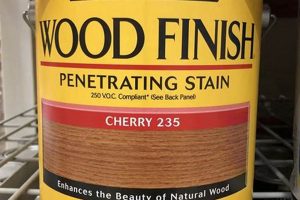
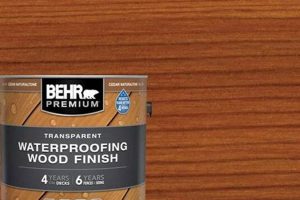
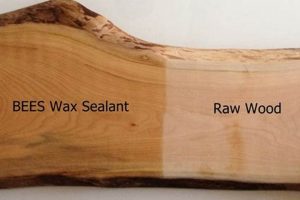
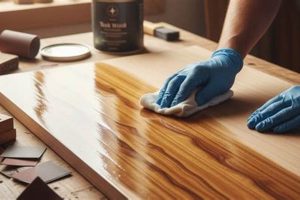
The selection of a superior protective coating for a wooden entry portal is a critical decision in maintaining its aesthetic appeal and structural integrity. This choice directly impacts the door’s resilience against environmental factors and its long-term durability. For example, a well-chosen product can prevent warping, cracking, and discoloration caused by sun exposure and moisture.
Employing a suitable coating offers numerous advantages, including extended lifespan, reduced maintenance requirements, and enhanced curb appeal. Historically, various formulations have been used, ranging from simple oils and varnishes to more advanced polyurethane and acrylic-based products. The evolution of these materials reflects ongoing efforts to improve weather resistance and ease of application.
The following sections will delve into the specific types of coatings available, their respective advantages and disadvantages, and key factors to consider when making a selection, such as climate, wood type, and desired aesthetic.
Essential Considerations for Door Coating Selection
Proper product selection and application is crucial for maximizing the lifespan and aesthetic appeal of exterior wood doors. Adhering to the following guidelines will assist in achieving optimal results.
Tip 1: Assess Environmental Exposure: Evaluate the degree of sunlight, moisture, and temperature fluctuation to which the door will be subjected. High-exposure environments necessitate more durable and UV-resistant coatings.
Tip 2: Identify Wood Species: Different wood types exhibit varying levels of porosity and resin content. Consider this when choosing a coating, as some products may adhere better to certain species than others. A test patch is recommended.
Tip 3: Consider Aesthetics: Evaluate the desired sheen level (matte, satin, semi-gloss, gloss) and color. Bear in mind that darker colors absorb more heat, potentially leading to increased stress on the wood and coating.
Tip 4: Prioritize UV Resistance: Select a coating formulated with UV absorbers or stabilizers to mitigate the damaging effects of sunlight, preventing fading, cracking, and chalking.
Tip 5: Ensure Proper Surface Preparation: Thoroughly clean, sand, and prime the door before applying the coating. Remove any existing finishes, dirt, or contaminants to ensure proper adhesion. Multiple thin coats are preferable to a single thick coat.
Tip 6: Select Compatible Products: Verify that all products used (primer, stain, topcoat) are compatible with each other and recommended for exterior wood applications. Refer to the manufacturer’s specifications.
Tip 7: Adhere to Manufacturer Instructions: Strictly follow the manufacturer’s instructions regarding application methods, drying times, and recommended number of coats. Deviating from these guidelines can compromise the coating’s performance.
Careful consideration of these factors, combined with meticulous application, will contribute to a long-lasting, attractive, and well-protected exterior wood door. Choosing the right system greatly reduces future maintenance costs and preserves the doors beauty.
The subsequent section will detail the application process, outlining best practices for surface preparation, product application, and post-application care.
1. Durability

Durability, in the context of exterior wood door coatings, represents the capacity to withstand environmental stressors and physical wear over an extended period, directly influencing the coating’s longevity and the door’s protection.
- Resistance to Abrasion
Abrasion resistance refers to the coating’s ability to withstand surface wear from contact with objects, such as keys, clothing, or environmental debris carried by wind. A finish with poor abrasion resistance will quickly show scratches and wear marks, diminishing its aesthetic appeal and compromising its protective barrier against moisture penetration. For example, a high-traffic entryway requires a coating formulated with robust abrasion-resistant additives to maintain its integrity.
- Weathering Performance
Weathering performance encompasses the coating’s ability to resist degradation from exposure to sunlight, rain, snow, and temperature fluctuations. Coatings lacking adequate UV protection will degrade, resulting in chalking, fading, and cracking. Similarly, finishes that are not water-resistant can lead to water absorption by the wood, causing swelling, rot, and eventual structural damage. A durable coating maintains its protective properties under diverse weather conditions, extending the lifespan of the door.
- Impact Resistance
Impact resistance is the coating’s ability to withstand sudden impacts from objects, such as hail, flying debris, or accidental bumps. A finish with poor impact resistance will chip or crack upon impact, exposing the wood beneath to the elements. This compromises the protective barrier and necessitates repairs. A resilient coating resists these impacts, preserving the door’s integrity and appearance.
- Chemical Resistance
Chemical resistance denotes the coating’s ability to withstand exposure to household chemicals, pollutants, and cleaning agents without undergoing degradation or discoloration. Exterior doors are often exposed to various substances, including acid rain, detergents, and de-icing salts. A finish that is not chemically resistant will stain, soften, or dissolve upon contact with these substances, affecting its appearance and protective function. A chemically resistant coating maintains its integrity, even after exposure to various chemicals.
These facets of durability collectively determine a coating’s overall effectiveness in protecting exterior wood doors. Choosing a product with superior abrasion, weathering, impact, and chemical resistance ensures that the door maintains its aesthetic appeal, structural integrity, and protective function for an extended period, thereby minimizing maintenance requirements and extending the door’s lifespan.
2. UV Resistance

Ultraviolet (UV) resistance is a critical attribute of any coating intended for exterior wood doors, directly influencing its long-term performance and the protection it provides to the underlying wood substrate. Prolonged exposure to UV radiation causes degradation of the coating and the wood itself, leading to a range of detrimental effects.
- Prevention of Coating Degradation
UV radiation breaks down the chemical bonds within many coating formulations, leading to chalking, fading, cracking, and loss of gloss. These effects compromise the coating’s aesthetic appeal and its ability to protect the wood from moisture and other environmental factors. UV-resistant coatings contain additives that absorb or reflect UV radiation, mitigating this degradation process. For instance, polyurethane coatings, while durable, often require UV stabilizers to prevent premature failure in direct sunlight.
- Inhibition of Wood Discoloration
UV radiation causes lignin, a component of wood, to undergo chemical changes, resulting in discoloration and graying. This discoloration is not only aesthetically undesirable but also weakens the wood’s surface, making it more susceptible to erosion and decay. UV-resistant coatings act as a barrier, preventing UV radiation from reaching the wood and inhibiting this discoloration process. Opaque coatings offer superior UV protection compared to transparent or translucent coatings, as they block a greater percentage of UV radiation.
- Maintenance of Coating Flexibility
Exposure to UV radiation can cause coatings to become brittle and lose their flexibility, making them more prone to cracking and chipping. This loss of flexibility reduces the coating’s ability to accommodate the natural expansion and contraction of wood due to changes in temperature and humidity. UV-resistant coatings maintain their flexibility over time, allowing them to move with the wood and preventing the formation of cracks that could allow moisture intrusion.
- Extension of Coating Lifespan
By preventing degradation, discoloration, and loss of flexibility, UV-resistant coatings significantly extend the lifespan of the finish. This translates to reduced maintenance requirements, lower long-term costs, and enhanced protection for the exterior wood door. Selecting a coating with proven UV resistance is a crucial factor in achieving a durable and aesthetically pleasing finish that will withstand the rigors of outdoor exposure.
Therefore, UV resistance is an indispensable characteristic of coatings used on exterior wood doors. Failure to prioritize UV resistance can result in premature coating failure, wood damage, and increased maintenance costs. A thorough understanding of UV resistance and its implications is essential for making an informed decision when selecting a coating.
3. Water Repellency

Water repellency is a pivotal characteristic influencing the performance and longevity of coatings applied to exterior wood doors. The capacity of a finish to resist water absorption directly correlates with the protection afforded to the underlying wood substrate, mitigating potential damage and preserving structural integrity.
- Prevention of Wood Rot and Decay
Water penetration into wood promotes the growth of fungi and microorganisms, leading to rot and decay. This process weakens the wood structure, compromising the door’s stability and functionality. Water-repellent finishes create a barrier that inhibits water absorption, effectively preventing the conditions necessary for biological degradation. For example, a door exposed to frequent rainfall benefits significantly from a finish that actively repels water, minimizing the risk of rot.
- Reduction of Swelling and Warping
Wood is hygroscopic, meaning it absorbs and releases moisture from the surrounding environment. Excessive moisture absorption causes the wood to swell, leading to dimensional changes that can result in warping, sticking, and difficulty in opening or closing the door. Water-repellent coatings minimize moisture uptake, stabilizing the wood’s dimensions and preventing these structural problems. A door finish in a humid climate should focus on repellency.
- Protection Against Freeze-Thaw Damage
When water absorbed by wood freezes, it expands, exerting pressure on the wood fibers. Repeated freeze-thaw cycles cause cracking and delamination, significantly weakening the wood. Water-repellent coatings reduce the amount of water absorbed, mitigating the risk of freeze-thaw damage. The doors in locations with freeze-thaw cycles should choose a protective coating.
- Maintenance of Coating Integrity
Water penetration beneath a coating can lead to blistering, peeling, and delamination. This compromises the coating’s protective function and aesthetic appeal. Water-repellent finishes prevent water from seeping beneath the coating, preserving its adhesion and preventing premature failure. Regular cleaning and inspection are a part of a good maintanence schedule.
The degree of water repellency exhibited by a coating is a key determinant of its suitability for exterior wood door applications. Selecting a finish with superior water-repellent properties is essential for maximizing the door’s lifespan and minimizing the need for costly repairs or replacements. Products specifically formulated to enhance water resistance, such as those containing hydrophobic additives, should be prioritized in environments where moisture exposure is prevalent.
4. Adhesion Strength

Adhesion strength represents a fundamental property of coatings applied to exterior wood doors, directly impacting their capacity to provide lasting protection and maintain aesthetic integrity. A finish’s ability to adhere firmly to the wood substrate dictates its resistance to peeling, cracking, and other forms of detachment, especially under challenging environmental conditions. Without sufficient adhesion, even the most durable and weather-resistant coatings will fail prematurely.
- Surface Preparation Influence
The condition of the wood surface before coating application significantly affects adhesion strength. Contaminants such as dirt, oil, and loose fibers impede bonding between the coating and the wood. Proper surface preparation, including cleaning, sanding, and priming, removes these impurities and creates a receptive surface for optimal adhesion. For instance, sanding smooths the wood and opens the pores, increasing the surface area available for the coating to grip. Failure to adequately prepare the surface invariably leads to compromised adhesion and subsequent coating failure.
- Coating Formulation Impact
The chemical composition of the coating itself plays a crucial role in determining adhesion strength. Some formulations are inherently more adhesive than others, owing to their molecular structure and their ability to form strong bonds with wood. For example, certain primers contain additives that chemically react with the wood, creating a robust adhesive layer for subsequent topcoats. Selecting a coating specifically formulated for strong adhesion to wood is essential for ensuring long-term performance, especially in demanding exterior applications.
- Environmental Stressors and Adhesion
Exterior wood doors are subjected to constant environmental stressors, including temperature fluctuations, humidity changes, and UV radiation. These stressors can weaken the bond between the coating and the wood, leading to adhesion failure. Coatings with high adhesion strength are better equipped to withstand these stresses, maintaining their bond and preventing peeling or cracking. Regular inspection and maintenance can help identify and address potential adhesion issues before they escalate.
- Compatibility of Coating Layers
When multiple coating layers are applied (e.g., primer, stain, topcoat), the compatibility between these layers is critical for achieving optimal adhesion. Incompatible layers can result in poor inter-coat adhesion, leading to delamination. Selecting a compatible system of coatings, where each layer is designed to bond effectively with the others, is essential for creating a durable and long-lasting finish. Adhering to the manufacturer’s recommendations regarding product compatibility is crucial for avoiding adhesion problems.
Ultimately, adhesion strength constitutes an indispensable attribute of any finish intended for exterior wood doors. Its connection to the longevity, performance, and aesthetic appeal is undeniable. Rigorous attention to surface preparation, coating formulation, environmental stressors, and coating layer compatibility is paramount for achieving and maintaining robust adhesion, ensuring the enduring protection and beauty of the wood door.
5. Application Ease
The practicality of applying a coating to an exterior wood door significantly impacts the overall success and longevity of the finish. A product’s application ease encompasses factors related to the application process that, if not adequately addressed, can compromise the protective qualities and aesthetic outcome, regardless of its inherent durability or weather resistance.
- Viscosity and Flow Characteristics
A coating’s viscosity, or its resistance to flow, directly affects its ease of application. Highly viscous coatings may be difficult to spread evenly, leading to brush marks or uneven coverage. Conversely, excessively thin coatings may run or sag, requiring multiple coats and increasing the risk of imperfections. Ideal flow characteristics allow for smooth, self-leveling application, minimizing brush strokes and ensuring uniform coverage. For example, a coating formulated with leveling agents promotes a smooth finish, even when applied by a less experienced user.
- Drying Time Considerations
Drying time is a critical factor in application ease, influencing the overall duration of the project and the potential for dust or debris contamination. Coatings with excessively long drying times require extended protection from environmental factors, increasing the risk of imperfections. Conversely, coatings that dry too rapidly may not allow sufficient time for proper leveling or may result in brush marks. A balanced drying time, allowing for adequate leveling while minimizing the risk of contamination, is crucial for achieving a professional-looking finish. A product that requires several days between coats may not be a feasible option for all users.
- Application Method Versatility
The ease with which a coating can be applied using different methods (e.g., brush, roller, sprayer) contributes to its overall user-friendliness. Coatings that are compatible with multiple application techniques offer greater flexibility and cater to varying skill levels and project requirements. For instance, a coating that can be effectively applied with a brush and roller is more accessible to DIY enthusiasts, while a sprayable coating may be preferred by professionals for its speed and efficiency. A product limited to a single application method can restrict its appeal and practicality.
- Clean-Up Requirements
The ease of cleaning application tools and equipment after use is an often-overlooked aspect of application ease. Coatings that require harsh solvents for clean-up can be inconvenient and potentially hazardous. Water-based coatings generally offer easier clean-up with soap and water, making them a more appealing option for many users. Cumbersome clean-up procedures can deter users and discourage proper maintenance, ultimately impacting the longevity of the finish.
In summary, application ease significantly impacts the successful realization of the protective and aesthetic goals associated with coating an exterior wood door. Coatings that offer favorable viscosity, balanced drying times, versatile application methods, and straightforward clean-up procedures enhance the user experience and increase the likelihood of achieving a durable and visually appealing finish. Therefore, when determining the superior protective coating, one must prioritize ease of use.
6. Wood Type Compatibility

The selection of an appropriate coating for an exterior wood door is inextricably linked to the inherent properties of the wood species used in its construction. Wood type compatibility is a paramount consideration, influencing adhesion, penetration, and overall performance of the finish. Disregarding this factor can lead to premature coating failure, diminished protection, and compromised aesthetic appeal.
- Pore Structure and Coating Penetration
The pore size and density of a wood species directly affect the penetration and adhesion of coatings. Open-grained woods, such as oak and ash, possess larger pores that readily absorb finishes, often requiring multiple coats to achieve adequate protection. Conversely, close-grained woods, like maple and cherry, have smaller pores that limit penetration, potentially leading to surface build-up and increased susceptibility to cracking or peeling. The choice of coating must align with the wood’s pore structure to ensure proper adhesion and prevent premature failure. For example, a high-solids coating may be appropriate for open-grained woods to fill the pores, while a thinner, more penetrating coating may be suitable for close-grained woods.
- Resin Content and Coating Adhesion
The resin content of certain wood species, such as pine and redwood, can impede the adhesion of some coatings. Resinous woods contain natural oils and extractives that migrate to the surface, interfering with the bonding between the coating and the wood. These oils can prevent proper curing and lead to adhesion problems, particularly with oil-based finishes. Surface preparation techniques, such as degreasing and the application of a compatible primer, are often necessary to mitigate the effects of resin content and ensure adequate adhesion. Specific primers are formulated to bond with resinous wood and provide a sound base for subsequent topcoats.
- Dimensional Stability and Coating Flexibility
Wood species exhibit varying degrees of dimensional stability, referring to their susceptibility to expansion and contraction with changes in moisture content. Dimensionally unstable woods, such as poplar, are more prone to movement, placing stress on the coating and increasing the risk of cracking or peeling. Coatings used on these woods must possess sufficient flexibility to accommodate the wood’s movement without failing. Flexible acrylic latex coatings may be more suitable for dimensionally unstable woods, while rigid coatings like some epoxies could lead to cracking and adhesion loss. Proper sealing of all surfaces also helps to slow moisture changes, stabilizing the wood.
- Natural Wood Color and Finish Transparency
The natural color and grain pattern of the wood influence the selection of a transparent or semi-transparent finish. The decision hinges on whether the design intends to highlight or obscure the wood’s natural characteristics. Clear finishes are generally favored to showcase the grain and color of premium hardwoods like mahogany or walnut. However, it is important to note that some clear finishes offer limited UV protection, requiring additional measures to prevent fading. If concealing the wood’s natural color is desired, an opaque coating or stain may be preferred, allowing for a wider range of color choices while providing more substantial UV protection. The aesthetic goals must align with the wood species’ inherent properties and the protective requirements.
In conclusion, the optimal coating selection for an exterior wood door necessitates a thorough consideration of the wood species’ properties. Factors such as pore structure, resin content, dimensional stability, and natural color all play crucial roles in determining the compatibility and long-term performance of the finish. A careful assessment of these factors, coupled with appropriate surface preparation and the selection of compatible coating systems, is essential for achieving a durable, aesthetically pleasing, and protective finish that will withstand the rigors of exterior exposure.
Frequently Asked Questions
The following addresses common inquiries regarding the appropriate coatings for exterior wood doors. This information aims to clarify key considerations for selecting and applying these products.
Question 1: What distinguishes an exterior-grade coating from an interior-grade coating?
Exterior-grade coatings are formulated with enhanced UV resistance, water repellency, and flexibility to withstand the rigors of outdoor exposure. Interior-grade coatings lack these properties and will degrade rapidly when subjected to sunlight, moisture, and temperature fluctuations. Employing an interior-grade product on an exterior door will result in premature failure and damage to the wood.
Question 2: Is priming essential before applying a topcoat to an exterior wood door?
Priming is generally essential. A primer seals the wood surface, promotes adhesion of the topcoat, and provides a uniform base for color application. Priming also helps to block tannins and extractives from bleeding through the topcoat, preventing discoloration. Skipping the priming step can result in poor adhesion, uneven color, and reduced durability.
Question 3: How frequently should an exterior wood door be recoated?
Recoating frequency depends on factors such as climate, exposure, and the type of coating used. As a general guideline, inspect the door annually for signs of wear, such as fading, cracking, or peeling. A recoat is typically necessary every two to five years to maintain protection and aesthetic appeal. High-exposure doors may require more frequent recoating.
Question 4: Can any type of wood stain be used under a clear exterior coating?
Not all wood stains are suitable for exterior applications. Select a stain specifically formulated for exterior use, ensuring it contains UV absorbers and is compatible with the chosen clear topcoat. Incompatible stains can cause adhesion problems, discoloration, or premature coating failure. Always test the stain and topcoat combination on a small, inconspicuous area before applying it to the entire door.
Question 5: What are the signs that an exterior wood door finish is failing?
Common signs of coating failure include fading, chalking, cracking, peeling, blistering, and discoloration. These symptoms indicate that the coating is no longer providing adequate protection and that moisture is penetrating the wood. Addressing these issues promptly will prevent further damage and extend the door’s lifespan.
Question 6: Are water-based or oil-based coatings preferable for exterior wood doors?
Both water-based and oil-based coatings offer advantages and disadvantages. Water-based coatings are generally more environmentally friendly, dry faster, and offer better UV resistance. Oil-based coatings tend to penetrate better, provide a richer appearance, and offer enhanced durability in some situations. The optimal choice depends on specific project requirements and personal preferences.
Selecting and applying coatings for exterior wood doors requires careful consideration. A durable, weather-resistant finish preserves the door’s beauty and extends its service life.
The subsequent section will cover advanced techniques for restoring damaged exterior doors.
Optimal Coating Selection for Exterior Wood Doors
The determination of the “best finish for exterior wood door” necessitates a comprehensive evaluation of various factors, including environmental exposure, wood species, desired aesthetics, and the protective qualities inherent in different coating formulations. Factors such as UV resistance, water repellency, adhesion strength, application ease, and wood type compatibility collectively influence a coating’s long-term performance. There is no single ‘best’ solution, but rather a tailored approach is required.
Careful consideration of these elements, coupled with meticulous application techniques, is paramount for achieving a durable, aesthetically pleasing, and protective finish. Prioritizing informed decision-making in the selection and application process is crucial to preserving the integrity and extending the lifespan of exterior wood doors. Continued advancements in coating technology warrant ongoing evaluation to ensure optimal protection against the elements.