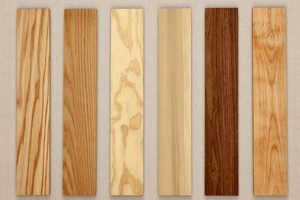
The process enhances and protects the surface of a specific type of hardwood. This treatment involves applying substances that seal, color, and add sheen to the material, thereby accentuating its natural grain and beauty. For example, applying a clear coat polyurethane after staining protects the wood from moisture and scratches.
Proper treatment of this material is crucial because it significantly extends the lifespan of furniture and other objects. It also protects the wood from environmental damage like sunlight and humidity, which can cause fading, warping, and cracking. Historically, the method employed to treat the wood has been a hallmark of fine craftsmanship, adding value and distinction to the finished product.
Therefore, understanding the various techniques and products available for achieving a desired aesthetic and protective layer is essential. This information will allow for informed decision-making regarding the selection of appropriate stains, sealants, and application methods, ultimately leading to a durable and visually appealing outcome.
Guidance on Preserving Cherry Lumber
The following recommendations address best practices for achieving a superior and long-lasting outcome on this specific wood.
Tip 1: Surface Preparation is Paramount. Thoroughly sand the material using progressively finer grits of sandpaper, starting with 120 and ending with 220 or 320. This creates a smooth, even base for subsequent coats and ensures optimal adhesion.
Tip 2: Employ a Conditioner. Prior to staining, apply a wood conditioner specifically designed for hardwoods. This helps control the absorption of the stain, preventing blotchiness and ensuring a uniform color throughout.
Tip 3: Select an Appropriate Stain. Oil-based stains typically penetrate deeper and offer richer colors, while water-based stains are easier to clean up and have lower VOC emissions. Choose the type that best suits the project’s requirements and environmental considerations.
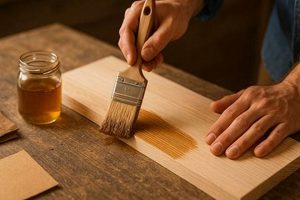
Tip 4: Apply Stain Evenly. Utilize a high-quality brush, rag, or foam applicator to apply the stain in consistent, overlapping strokes. Allow the stain to penetrate for the recommended time (as per the manufacturers instructions) before wiping away any excess.
Tip 5: Consider Dye Stains. Dye stains can enhance the wood’s natural grain patterns, offering vibrant and clear color tones. However, they may require more careful application to avoid unevenness. Experiment on scrap material first.
Tip 6: Multiple Thin Coats are Preferable. Applying several thin coats of sealant or topcoat is superior to applying one thick coat. This technique minimizes the risk of runs, drips, and bubbles, resulting in a smoother, more durable surface.
Tip 7: Lightly Sand Between Coats. After each coat of sealant or topcoat has dried completely, lightly sand with very fine-grit sandpaper (320 or higher) to remove any imperfections and create a better surface for the next coat. Be sure to remove all sanding dust before proceeding.
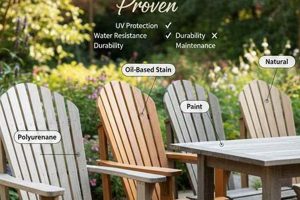
Tip 8: Choose a Durable Topcoat. Polyurethane provides excellent protection against scratches, moisture, and UV damage, making it a suitable choice for high-traffic areas or items exposed to sunlight. Water-based polyurethanes are often preferred for their low odor and ease of cleaning.
Adhering to these guidelines promotes a polished appearance, extends the lifespan of the wood, and safeguards against wear and environmental factors.
These techniques serve as a foundation for achieving professional-quality results on this popular hardwood. Careful planning and execution will lead to lasting beauty and durability.
1. Surface Preparation

Effective surface preparation is a non-negotiable precursor to successful finishing of the lumber. This process directly impacts the adhesion, uniformity, and overall aesthetic quality of the applied coating. Improperly prepared surfaces result in uneven stain absorption, peeling finishes, and a compromised final appearance. For example, if residual mill glaze remains on the wood, any applied stain will not penetrate evenly, leading to a blotchy and unattractive result. Similarly, scratches or imperfections left unaddressed will be magnified by the subsequent coat, detracting from the finished product.
The steps involved in adequate surface preparation include thorough sanding, cleaning, and, in some cases, the application of a wood conditioner. Sanding removes imperfections, opens the wood pores, and creates a uniform texture that promotes optimal finish adhesion. Cleaning removes dust, dirt, and oils that can interfere with the finish. A wood conditioner helps control stain absorption, preventing blotchiness particularly problematic with this hardwood due to its closed grain structure. The meticulous nature of these processes ensures that the wood is properly receptive to the coating.
Ultimately, the quality of surface preparation dictates the longevity and visual appeal. Compromising at this stage inevitably leads to diminished returns in the final outcome. While meticulous surface work can be time-consuming, it’s an investment that ensures the finish achieves its intended purpose: protecting the wood, enhancing its natural beauty, and delivering a durable and aesthetically pleasing surface. Neglecting surface preparation leads to a subpar finish prone to premature failure, necessitating costly repairs or refinishing.
2. Stain Selection

The choice of stain is paramount in the treatment process, fundamentally influencing the final aesthetic. Its properties interact directly with the wood’s natural characteristics, determining the color, depth, and overall visual appeal of the completed surface.
- Color Tone and Saturation
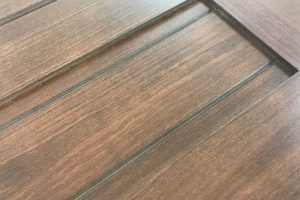
Different stain formulations offer a spectrum of colors, ranging from light, natural hues to deep, rich tones. The saturation level dictates the intensity of the color. For example, a light stain might enhance the wood’s inherent warmth while preserving its grain, whereas a darker stain can create a more dramatic and formal appearance. The selection must harmonize with the intended use of the object and the surrounding environment.
- Stain Type and Penetration
Oil-based stains generally penetrate deeper, enhancing the wood’s grain and providing richer colors. Water-based stains, on the other hand, tend to be less penetrating and dry faster. Gel stains are useful for providing even color on surfaces that may not readily accept stain. The choice depends on the desired level of grain definition and the efficiency of the application process.
- Grain Enhancement and Transparency
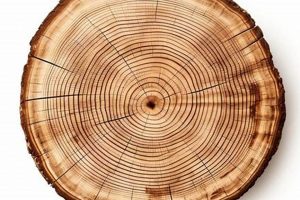
Some stains are formulated to accentuate the wood’s natural grain pattern, while others offer more uniform coverage. Transparency is also a critical factor; a highly transparent stain allows the wood’s underlying character to shine through, whereas an opaque stain obscures the grain. The desired level of grain visibility informs the stain selection.
- Compatibility with Topcoats
The selected stain must be compatible with the intended topcoat (e.g., polyurethane, varnish, lacquer). Incompatibility can lead to adhesion problems, discoloration, or finish defects. Prior testing of the stain-topcoat combination is crucial to ensure a durable and visually appealing surface.
Ultimately, the selection of an appropriate stain is a critical decision point. It dictates not only the aesthetic characteristics but also the long-term performance and durability of the enhanced wood. Careful consideration of these facets ensures that the chosen stain complements its natural properties, resulting in a cohesive and lasting surface.
3. Sealer Application
The application of a sealer is an indispensable step in the process. It directly influences the wood’s protection and the adherence of subsequent topcoats, thereby dictating the final appearance and longevity.
- Pore Filling and Surface Leveling
Cherry lumber, while possessing a relatively fine grain, still contains microscopic pores. A sealer fills these pores, creating a smooth, level surface. This prevents the topcoat from sinking into the wood, which can lead to an uneven finish. Examples of sealers used for this purpose include shellac, varnish, and specialized wood fillers. The implications of proper pore filling include enhanced gloss and a more uniform appearance.
- Adhesion Promotion
A well-chosen sealer acts as a bonding agent between the stain and the topcoat. It creates a stable interface that promotes strong adhesion, preventing peeling, cracking, or blistering of the finish. Different sealers offer varying degrees of adhesion; for instance, dewaxed shellac provides excellent adhesion for most topcoats. Failing to use a suitable sealer can result in premature finish failure, necessitating costly repairs.
- Moisture Barrier
Sealants provide a critical barrier against moisture penetration. This protection is crucial because moisture can cause the wood to swell, warp, or rot, compromising the integrity of the piece. Sealers with water-resistant properties, such as oil-based sealers or certain types of varnish, are particularly effective. Preventing moisture intrusion is essential for preserving the lumber’s structural integrity and dimensional stability.
- Color Enhancement and Control
Certain sealers can subtly enhance the underlying stain’s color, adding depth and richness. Others are designed to be neutral, preserving the stain’s original hue. Additionally, sealers can control the absorption of the topcoat, preventing it from altering the stain’s color. The selection of a sealer with appropriate color properties is vital for achieving the desired aesthetic outcome.
These facets of sealer application are fundamentally linked to achieving a professional, durable finish. They highlight the crucial role of the sealer in preparing the wood surface, promoting adhesion, providing moisture protection, and influencing the final color. Neglecting this step, or choosing an inappropriate sealer, can significantly compromise the quality and longevity of the outcome.
4. Topcoat Durability

Topcoat durability is inextricably linked to the success of imparting a long-lasting, visually appealing surface on cherry wood. The topcoat serves as the final protective layer, shielding the underlying stain and wood from environmental stressors and physical abrasion. The selection of an appropriate topcoat and its proper application directly determine the resistance to scratches, moisture, ultraviolet (UV) radiation, and chemical exposure. For example, a polyurethane topcoat offers excellent resistance to scratches and moisture, making it suitable for furniture that experiences frequent use, whereas a lacquer finish, while offering a smooth surface, may be more susceptible to damage from spills and impacts. The cause-and-effect relationship is clear: a durable topcoat preserves the investment in the underlying stain and wood, extending the lifespan of the finished product.
The practical significance of understanding topcoat durability is evident in various applications. In the construction of kitchen cabinets, for instance, the topcoat must withstand frequent cleaning, exposure to water, and potential contact with harsh chemicals. A durable topcoat, such as a catalyzed varnish, is crucial in these high-use environments to prevent damage to the stained wood. Similarly, the selection of topcoat for musical instruments constructed with cherry lumber, such as guitars, must balance protective qualities with acoustic properties. A thick, overly durable topcoat could dampen the instruments resonance, diminishing its sound quality. Therefore, selection requires consideration of both aesthetic and functional properties.
The selection of topcoat for cherry wood finishing requires a thorough understanding of the specific demands of the intended application. Challenges in selection lie in balancing durability with desired aesthetic qualities, ease of application, and cost considerations. In summary, topcoat durability is not merely a desirable attribute but a critical component, influencing the overall success and longevity of any treatment applied to cherry lumber. Prioritizing topcoat selection, based on the specific requirements, leads to a final product exhibiting lasting beauty and resistance to everyday wear.
5. Cure Time
Cure time, the period required for a finish to fully harden and achieve its intended properties, is a critical, yet often overlooked, component of treatment on cherry wood. Insufficient cure time can lead to a range of problems, from a soft, easily damaged surface to adhesion failures and solvent entrapment. The direct relationship between cure time and the final outcome necessitates careful consideration. For example, if a polyurethane finish is applied to a cherry table and put into service before it is fully cured, it may exhibit premature scratching, clouding, or even deformation when exposed to heat or pressure. The cause is simple: the polymers within the finish have not yet completely cross-linked, leaving the surface vulnerable. Correct cure time ensures the polymers fully crosslink, resulting in a hard and durable protective coat.
The practical significance of understanding cure time extends to both professional woodworking and DIY projects. In high-production environments, rushing the cure time to meet deadlines can result in costly rework and customer dissatisfaction. Conversely, adhering to the recommended cure time, even if it means delaying project completion, ultimately ensures a higher-quality, more durable product. For example, a custom guitar maker might choose to allow a lacquer finish on a cherry wood guitar body to cure for several weeks, even though the initial drying time is only a few hours. This extended cure period allows the finish to fully harden and shrink, minimizing the risk of future cracking or sinking. Similarly, understanding the impact of cure time allows for the appropriate selection of environmental conditions to facilitate curing process like humidity and temperature control.
Achieving an optimal finish on cherry wood requires acknowledging cure time as an integral element of the finishing process. While manufacturers provide guidelines, environmental factors such as humidity and temperature can significantly impact the actual cure time. Challenges exist in accurately predicting the necessary cure period and communicating its importance to clients or stakeholders. However, prioritizing cure time leads to a durable, visually appealing surface that withstands the test of time. In essence, patience is paramount. A finish that is allowed to fully cure will not only look better but will also provide superior protection and longevity, justifying the investment in time and materials.
Frequently Asked Questions
The following addresses common inquiries related to enhancing and protecting this type of hardwood, providing clarity on techniques and best practices.
Question 1: What is the best method for preventing blotchiness when applying stain?
To mitigate blotchiness, a pre-stain wood conditioner should be applied. This product partially seals the wood pores, promoting more uniform stain absorption.
Question 2: Is sanding necessary, even on new lumber?
Sanding is crucial, irrespective of the material’s age. It creates a smooth surface, removes mill glaze, and opens the wood pores for optimal finish adhesion.
Question 3: What type of topcoat offers the best protection against scratches and water damage?
Polyurethane-based topcoats provide superior resistance to scratches, moisture, and general wear, making them a suitable choice for high-traffic surfaces.
Question 4: How long should the cure time be before using a finished piece?
Cure time varies depending on the topcoat used, but generally, a minimum of 72 hours is recommended. Complete curing can take up to 30 days for certain finishes.
Question 5: Can the finish be applied in humid conditions?
High humidity can impede drying and curing, leading to cloudiness or adhesion problems. Ideal conditions involve moderate temperature and low humidity.
Question 6: What is the proper way to dispose of used finishing products?
Used stain, sealer, and topcoat should be disposed of in accordance with local environmental regulations. This often involves allowing them to dry completely before disposal or taking them to a hazardous waste collection facility.
Careful execution of the process contributes to a visually appealing and durable outcome.
The next section of the article will detail safety precautions one must keep in mind.
Conclusion
The preceding exposition has delineated the essential elements involved in treating the wood with appropriate surface coatings. From meticulous surface preparation to the selection of suitable stains and durable topcoats, each stage requires diligent attention to detail. The proper execution of these steps directly impacts the aesthetic appeal, longevity, and protective qualities of the resulting surface. Furthermore, the importance of adequate cure time cannot be overstated, as it ensures the complete hardening and cross-linking of the finish, maximizing its resistance to wear and environmental factors.
Given the investment of time, resources, and skill required for achieving a high-quality result, understanding the nuances of treatment techniques is paramount. Continued adherence to best practices, coupled with a commitment to ongoing learning and experimentation, will ensure that individuals are well-equipped to achieve exceptional results, preserving the intrinsic beauty and value of this esteemed hardwood for generations to come. The ultimate success in this endeavor lies in a commitment to excellence, guided by informed decision-making and meticulous execution.