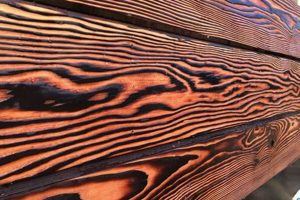
The process of creating a textured surface on lumber using a tool equipped with stiff metallic bristles results in a distinct aesthetic. This technique selectively removes softer portions of the wood grain, leaving the harder, more resilient areas prominent. For instance, applying this method to oak produces a surface where the growth rings are accentuated, yielding a tactile and visually interesting effect.
This surface treatment offers several advantages. Beyond its decorative appeal, it can enhance the material’s resistance to wear and tear by removing loose fibers. Historically, it has been employed to simulate the effects of aging, lending character and depth to new construction or furniture. The resulting texture provides an excellent base for subsequent staining or painting, improving adhesion and longevity of the finish.
The subsequent sections will delve into specific brush types used for this process, optimal wood species, the techniques employed for achieving desired results, and best practices for maintaining the modified surface. Furthermore, safety precautions associated with the procedure will be outlined to ensure proper execution.
Tips for Achieving a Superior Textured Surface
Optimizing the outcome of this technique requires attention to detail throughout the preparation, application, and finishing stages. The following guidelines provide critical insights for achieving professional results and ensuring the longevity of the modified surface.
Tip 1: Select the Appropriate Brush Type: Different bristle materials (steel, brass, nylon) yield varying textures. Steel brushes are suitable for hardwoods, while softer materials like brass or nylon are preferred for softwoods to prevent excessive material removal.
Tip 2: Control Brush Speed and Pressure: Excessive speed or pressure can lead to uneven removal and potential damage to the wood. Experiment with different settings to find the optimal balance for the specific wood species and desired texture.
Tip 3: Work Along the Grain: Following the grain pattern minimizes the risk of cross-grain scratches and ensures a more consistent and aesthetically pleasing result.
Tip 4: Remove Debris Thoroughly: After completing the texturing process, meticulously remove all loose wood fibers and dust using a vacuum or compressed air. This ensures optimal adhesion of subsequent finishes.
Tip 5: Consider the Wood Species: Certain wood species, such as oak and ash, exhibit more pronounced grain patterns, making them ideal candidates for this technique. Softwoods may require more delicate handling to avoid excessive removal.
Tip 6: Apply a Sealer Before Finishing: A sanding sealer or wood conditioner can help even out the porosity of the surface, promoting uniform stain or paint absorption and preventing blotchiness.
Tip 7: Test on a Sample Piece: Before applying the technique to the final project, experiment on a scrap piece of the same wood species to dial in the appropriate brush type, speed, and pressure.
Consistent application of these tips allows for control over the degree of surface articulation, optimizes finish adhesion, and contributes to a robust, visually appealing result.
The following section provides information regarding the selection of suitable wood species for this technique and explores the characteristics that make certain woods more conducive to this particular finishing method.
1. Grain Emphasis

Grain emphasis, in the context of lumber finishing, refers to the deliberate highlighting of the wood’s natural grain pattern. When coupled with a technique employing stiff metallic bristles, it transforms the surface into a tactile and visually stimulating plane.
- Selective Abrasion
The process strategically removes softer wood fibers between the grain lines. This differential abrasion leaves the denser, more resilient grain prominently raised. An example is observed in the treatment of quartersawn oak, where the medullary rays are accentuated, creating a surface with pronounced topographical variation. The implications of selective abrasion include increased light reflection and the creation of a distinctive tactile experience.
- Visual Depth and Contrast
Elevating the grain lines introduces shadows and highlights, enhancing the visual depth of the wood. The contrast between the raised grain and the recessed areas adds a layer of complexity, making the material appear aged or textured, even if newly processed. This effect is particularly desirable in rustic or farmhouse-style designs. The impact extends to the overall aesthetic, where the wood becomes a focal point.
- Tactile Enhancement
The altered surface topography invites tactile interaction. The raised grain provides a textured feel, making the wood more engaging to touch. This is particularly relevant in applications such as furniture or wall paneling, where tactile qualities contribute to the overall sensory experience. For example, a table top featuring raised grain lines provides a richer sensory experience than a smooth, uniform surface.
- Grain Pattern Amplification
The technique amplifies the inherent characteristics of the wood species. Distinct grain patterns, such as the swirling grain of burl wood or the cathedral grain of Douglas fir, are brought to the forefront. This makes the choice of wood species a more critical factor in the final outcome. The implication is that the process can be used to showcase the unique beauty of different wood types.
The interplay between selective abrasion, visual depth, tactile enhancement, and grain pattern amplification underscores the significance of grain emphasis in achieving a textured surface. When a metallic-bristled implement is employed, the grain is not merely revealed but celebrated, transforming the material into a work of art that combines visual and tactile appeal. The careful selection of wood and controlled execution of the technique become paramount in leveraging these interconnected elements.
2. Texture Depth

Texture depth, within the domain of woodworking, is a critical parameter governing the aesthetic and tactile qualities of a surface. When this surface is created with stiff metallic bristles, it gains particular significance, directly influencing the degree of visual interest and the functionality of the treated material.
- Material Removal Rate
The rate at which material is removed during the process dictates the depth of the resulting texture. Factors such as bristle type, applied pressure, and duration of contact directly correlate with material removal. For example, prolonged contact with a coarse steel brush on softwood leads to significant material loss and a deeply textured surface. Understanding and controlling this removal rate is crucial for achieving the desired texture depth and preventing irreversible damage to the substrate.
- Grain Pattern Prominence
Texture depth enhances the prominence of the wood’s natural grain. Deeper texturing accentuates the contrast between the harder and softer growth rings, making the grain more visually striking. In species like oak, this can result in a highly pronounced grain pattern, adding character and visual complexity. This effect is particularly desirable in rustic or distressed applications, where the goal is to emphasize the natural beauty and imperfections of the wood.
- Surface Roughness and Tactility
The depth of the texture directly impacts the surface roughness and tactile properties. A deeper texture creates a more uneven surface, which can be felt by touch. This tactile element can enhance the sensory experience of the material, making it more engaging to interact with. However, excessive roughness may be undesirable in certain applications, such as furniture surfaces, where a smoother texture is preferred. Therefore, careful consideration of the intended application is essential when determining the optimal texture depth.
- Finish Adhesion and Longevity
Appropriately controlled texture depth can improve the adhesion of subsequent finishes. The increased surface area created by the texture provides a better mechanical key for paints, stains, and sealers. This improved adhesion can enhance the longevity of the finish and prevent premature peeling or chipping. However, excessively deep textures may require more finish material to achieve adequate coverage, potentially increasing costs. Consequently, a balance must be struck between texture depth and finish performance.
These interconnected components demonstrate that texture depth, when employing stiff metallic bristles, represents a nuanced interplay of material properties, process parameters, and aesthetic considerations. The ability to manipulate texture depth effectively is paramount for maximizing the desired visual and functional outcomes. Control over these factors transforms the material into a surface that combines visual and tactile appeal.
3. Brush Selection
The selection of a specific tool, when creating a textured surface on lumber, is paramount. The resulting surface qualities, including depth of texture, overall aesthetic, and even the long-term durability of the finish, are directly determined by the chosen tool. Therefore, careful consideration must be given to the various available brush types.
- Bristle Material
The material composing the bristles dictates the aggressiveness of the abrasion. Steel bristles are typically employed for hardwoods, effectively removing softer material to accentuate the grain. Brass or nylon bristles, being less abrasive, are more suitable for softwoods, mitigating the risk of excessive material removal and surface damage. For instance, a steel brush on pine will yield a significantly different result than a brass brush on the same material. This selection has a direct impact on the final texture.
- Bristle Stiffness
Bristle stiffness influences the precision and depth of the texturing. Stiffer bristles provide more consistent and controlled material removal, while flexible bristles may produce a more varied and less uniform texture. A stiff brush is advantageous when aiming for a well-defined grain pattern, while a flexible brush can create a more organic and aged appearance. The choice depends entirely on the desired aesthetic outcome.
- Brush Shape and Size
The physical dimensions of the brush impact the efficiency and coverage of the process. Larger brushes are suitable for expansive surfaces, while smaller brushes are better suited for intricate details or confined areas. Brush shape, whether flat, curved, or conical, also affects the accessibility and uniformity of the treatment. For example, a smaller, curved brush is often used for detailing on furniture, whereas a large, flat brush is more efficient for flooring.
- Power Source: Manual vs. Mechanical
Whether the brush is powered manually or mechanically influences the speed, consistency, and intensity of the texturing process. Manual brushes offer greater control and are appropriate for small-scale projects or delicate materials. Mechanical brushes, such as those used in power tools, provide increased speed and uniformity, making them suitable for large-scale applications or tougher materials. The method affects the efficiency and consistency.
Ultimately, the optimal tool selection is contingent upon the specific wood species, the desired aesthetic, and the scale of the project. A careful evaluation of bristle material, stiffness, brush shape and size, and power source is essential for achieving the desired outcome. Disregarding any of these variables can affect the resulting visual aesthetic as well as the longevity of the overall finish.
4. Wood Species

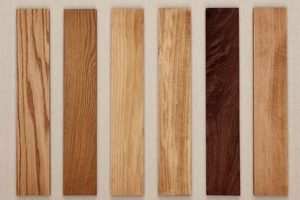
The success of imparting a textured surface to lumber is intrinsically linked to the wood species selected. The hardness, grain pattern, and density of the wood dictate how effectively the process will highlight the material’s inherent characteristics. Softer wood species, such as pine or fir, are more readily abraded, potentially leading to an overly aggressive texture or uneven surface if not meticulously controlled. Harder woods, like oak or ash, require more aggressive abrasion to achieve a comparable level of textural enhancement. Thus, wood species constitutes a critical variable in predicting the final outcome and setting the appropriate processing parameters.
The prominence of the grain pattern also plays a substantial role. Woods with distinct grain patterns, such as red oak with its open pores or quartersawn lumber with pronounced ray flecks, exhibit more visually striking results. The texture accentuates these natural features, creating a richer, more dynamic surface. Conversely, woods with finer or less defined grain patterns may not exhibit as dramatic a transformation, potentially resulting in a more subtle, subdued texture. Practical application hinges on selecting the wood species that aligns with the desired aesthetic. Examples include distressed oak flooring, where the accentuated grain adds rustic character, or textured ash furniture, where the prominent grain becomes a focal point.
The selection of lumber represents a foundational decision that substantially influences the efficacy and aesthetic appeal of the final product. Factors such as hardness, grain pattern, and density must be carefully considered to achieve the intended textural effect. Understanding this interplay is critical for achieving a balance between visual impact and structural integrity. The process highlights the importance of informed material selection in surface treatment, ensuring that the chosen species complements the intended application and delivers the desired aesthetic outcome.
5. Finish Adhesion
Achieving robust finish adhesion is a paramount consideration when implementing a surface treatment involving stiff metallic bristles on lumber. The longevity and aesthetic appeal of the finished product are directly contingent upon the successful bonding of the coating to the prepared substrate. Understanding the intricacies of this relationship is crucial for optimizing the outcome and ensuring the resilience of the completed work.
- Surface Area Enhancement
The texture imparts an increased surface area compared to a smooth substrate. This amplified surface area provides a greater contact zone for the finish, promoting mechanical interlocking and improved bonding. This principle is evident when comparing the adhesion of a coating on a flat board versus one that has undergone the treatment. The enhanced surface area contributes to a more tenacious grip, reducing the likelihood of peeling or chipping. The effect is particularly pronounced with coatings that rely heavily on mechanical adhesion, such as certain varnishes and paints.
- Pore Exposure and Penetration
The abrasion process exposes and opens the pores of the lumber, facilitating deeper penetration of the finish. This enhanced penetration establishes a stronger bond between the coating and the underlying wood fibers. For example, penetrating oil finishes benefit significantly from this effect, as the oil can permeate deeper into the wood structure, providing enhanced protection and dimensional stability. The increased penetration improves the overall integration of the finish with the substrate, extending its lifespan and resistance to environmental factors.
- Removal of Weak Surface Layers
The technique effectively removes loose fibers and weak surface layers that may impede finish adhesion. By eliminating these compromised materials, the process creates a more stable and receptive surface for the coating. For instance, without this step, a lacquer finish applied directly to raw lumber might experience adhesion failures due to the presence of weakly attached surface fibers. The removal of these surface defects promotes a more uniform and robust bond, enhancing the overall durability of the finished product.
- Surface Preparation and Cleanliness
Proper cleaning following the surface treatment is critical for maximizing finish adhesion. Residual dust, debris, or oils can interfere with the bonding process, leading to premature failure. Thorough cleaning with appropriate solvents or tack cloths removes these contaminants, ensuring a clean and receptive surface. This step is essential for all types of finishes, from water-based acrylics to solvent-based urethanes. Adhering to stringent cleaning protocols promotes optimal bonding and extends the life of the finished product.
These interconnected facets highlight the indispensable role of robust finish adhesion in the successful application of the technique. The careful consideration of surface area enhancement, pore exposure, removal of weak surface layers, and proper surface preparation is essential for realizing the full potential of this method and ensuring the longevity and aesthetic integrity of the treated lumber.
6. Durability
The process of surface treatment, involving metallic-bristled tools on lumber, directly influences the material’s capacity to withstand wear, environmental factors, and mechanical stress. By selectively removing softer grain components, the resultant surface exhibits enhanced resistance to abrasion and impact. For instance, timber used in high-traffic areas, such as flooring, benefits from this pre-emptive removal of less resilient material, thereby extending the service life of the installation. The modification establishes a foundation of denser, more robust wood that is inherently more resistant to degradation. This increased resilience translates to reduced maintenance and replacement costs over time.
Furthermore, the textured surface created can improve the adherence of protective coatings. Paints, stains, and sealants bond more effectively to the irregular surface, forming a tighter, more durable barrier against moisture, UV radiation, and chemical exposure. Consider exterior siding treated with a protective stain after undergoing this surface modification; the improved coating adhesion significantly reduces the risk of peeling, cracking, or fading, thus preserving both the aesthetic and structural integrity of the building envelope. This enhanced bonding characteristic translates to a prolonged lifespan for the applied finish and reduced susceptibility to environmental damage.
In summary, the surface treatment contributes to long-term resilience through selective material removal and enhanced coating adhesion. This technique effectively creates a more robust surface that is better equipped to endure daily wear, environmental stressors, and mechanical impact. The resulting improvements in surface integrity and coating longevity translate to reduced maintenance costs and a prolonged service life. The value lies in its capacity to extend the usable life of timber components, thereby minimizing resource consumption and enhancing the sustainability of wood-based construction and furniture.
Frequently Asked Questions
The following questions address common inquiries and misconceptions regarding the creation of a textured surface on wood. These answers aim to provide clarity and guidance for achieving optimal results.
Question 1: What is the primary benefit of texturing lumber using metallic bristles?
The principal advantage lies in the selective removal of softer wood fibers, thus accentuating the grain and enhancing the material’s aesthetic appeal. This process also improves the adhesion of subsequent finishes.
Question 2: Are all wood species suitable for texturing?
No. Hardwoods with prominent grain patterns, such as oak and ash, generally yield more visually striking results. Softwoods require careful handling to avoid excessive material removal.
Question 3: Does the bristle material affect the final texture?
Yes. Steel bristles are typically used for hardwoods, while brass or nylon bristles are more appropriate for softwoods to prevent over-abrasion.
Question 4: How does this technique influence finish durability?
The textured surface increases the surface area for finish adhesion, creating a stronger bond and enhancing the coating’s resistance to wear and tear.
Question 5: Is specialized equipment required for this process?
While manual brushes can be used, power tools equipped with metallic brushes are often employed for larger projects to ensure efficiency and uniformity.
Question 6: What safety precautions should be observed?
Eye protection is essential to prevent injury from flying debris. Adequate ventilation is also necessary to minimize exposure to airborne particles. Gloves are advised for protecting hands.
In summary, creating a textured surface on wood demands careful selection of materials, appropriate techniques, and adherence to safety guidelines. This process, when executed correctly, results in an aesthetically pleasing and durable finish.
The subsequent section will provide detailed instructions on performing this technique, including step-by-step guidance and best practices.
Wire Brush Finish on Wood
The preceding exploration has illuminated the multifaceted nature of achieving a textured surface on lumber. Key considerations include wood species selection, bristle material, texture depth control, and finish adhesion techniques. The selective removal of softer wood fibers, the enhancement of grain prominence, and the subsequent application of protective coatings are all integral steps in the process. Successful execution necessitates a thorough understanding of these parameters and their interdependencies.
Mastery of wire brush finish on wood empowers artisans and constructors to enhance both the aesthetic appeal and the longevity of wooden elements. Further research and refinement of techniques will undoubtedly continue to optimize outcomes and expand the application domains of this valuable surface treatment. Diligent adherence to established protocols and a commitment to continuous improvement remain essential for realizing the full potential of this method.