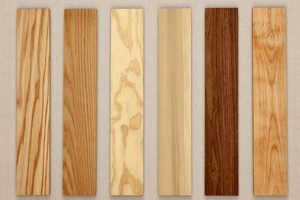
A pale-hued coating applied to timber surfaces, often transparent or semi-transparent, allows the natural grain and texture of the wood to remain visible. This application provides protection against moisture, wear, and environmental factors, while enhancing the aesthetic appeal of the underlying material. Examples include varnishes, lacquers, oils, and waxes designed to preserve and highlight the inherent beauty of lighter wood species such as maple, ash, and birch.
The utilization of such coatings offers numerous advantages. They contribute to a brighter, more airy feel in interior spaces, reflecting light and creating a sense of spaciousness. Historically, these treatments have been favored for their ability to showcase the natural characteristics of wood, emphasizing its organic beauty rather than concealing it beneath opaque layers. The practice aligns with design principles that value authenticity and the integration of natural elements into living environments. Furthermore, these coatings often require less pigment, potentially reducing the environmental impact associated with their production.
Subsequent discussions will delve into specific types of clear or lightly tinted protective applications, examining their composition, application techniques, and suitability for various wood types and intended uses. The properties of different materials and their long-term performance will also be analyzed, providing a comprehensive understanding of how to achieve optimal results in wood preservation and enhancement.
Essential Application Guidance
The following provides practical guidance to optimize results when employing a treatment designed to protect and enhance timber surfaces while maintaining a light, natural appearance. Adherence to these principles will contribute to a durable, aesthetically pleasing outcome.
Tip 1: Wood Selection is Paramount: Opt for wood species inherently light in color, such as maple, birch, ash, or pine. These species require less pigment in the coating, allowing the natural grain to remain prominent. Selecting the appropriate wood is crucial to achieving the desired aesthetic.
Tip 2: Surface Preparation is Critical: Ensure the wood surface is meticulously sanded to a smooth, even texture. Any imperfections will be accentuated by the transparent nature of the treatment. A grit range of 120-220 is generally recommended, followed by thorough dust removal.
Tip 3: Select the Appropriate Product: Choose a product specifically formulated for light-toned woods. Consider factors such as durability, UV resistance, and ease of application. Water-based acrylics, clear oils, and certain waxes are often suitable choices.
Tip 4: Apply Thin, Even Coats: Avoid applying the coating too thickly. Multiple thin coats are preferable to a single heavy coat, as this minimizes the risk of drips, runs, and uneven drying. Allow each coat to dry completely before applying the next.
Tip 5: Sand Lightly Between Coats: After each coat has dried, lightly sand the surface with fine-grit sandpaper (220-320 grit) to remove any imperfections and create a smooth base for the next coat. This step enhances the final finish quality.
Tip 6: Control the Environment: Apply the product in a well-ventilated area with stable temperature and humidity. Extreme temperatures or humidity levels can negatively impact drying time and overall finish quality.
Tip 7: Consider a Sealer or Primer: For porous woods, applying a sealer or primer before the coating can help to create a more uniform surface and improve adhesion. This step can also minimize absorption of the finish into the wood, resulting in a more consistent color.
Proper application techniques, combined with careful product selection, are crucial for achieving a beautiful and durable timber surface. By following these recommendations, one can successfully protect and enhance wood while preserving its natural beauty and light aesthetic.
The subsequent section will address common issues encountered during the application process and provide troubleshooting advice to ensure a flawless outcome.
1. Species Selection

Species selection is a foundational element when pursuing a pale-toned protective or decorative layer on timber. The inherent color and grain pattern of the wood exert a dominant influence on the final aesthetic. Lighter-toned species, such as maple, ash, birch, and certain varieties of pine, inherently require less pigment or staining to achieve the desired effect. This minimizes the risk of obscuring the natural wood grain and texture, which is often a primary goal when opting for this treatment. Conversely, using a darker wood species, like walnut or cherry, necessitates the application of bleaching agents or heavy pigments to lighten the base color, potentially compromising the wood’s structural integrity and obscuring its natural character. Therefore, the initial choice of wood species directly impacts the ease and effectiveness of achieving the intended outcome.
Real-world examples illustrate this principle. Consider a Scandinavian-inspired interior design scheme characterized by light, airy spaces. Maple or birch, with their naturally pale hues and fine grain, are frequently selected for flooring, furniture, and cabinetry. Applying a clear or lightly tinted protective coating allows the wood’s inherent beauty to shine through, reinforcing the desired aesthetic. In contrast, attempting to achieve a similar effect on a dark mahogany surface would involve significant intervention, potentially leading to an artificial or unnatural appearance. Furthermore, the practical implications extend to material costs and labor requirements. Working with lighter species typically necessitates fewer coats of finish and less extensive surface preparation, resulting in both time and cost savings.
In summary, the strategic selection of wood species is not merely an aesthetic consideration but a critical determinant of the success and sustainability of achieving a pale-toned finish. Choosing inherently light-colored woods reduces the need for aggressive treatments, preserves the wood’s natural characteristics, and minimizes long-term maintenance requirements. Failure to prioritize this aspect can lead to compromised aesthetic outcomes, increased material costs, and potential structural damage. Therefore, a thorough understanding of the color properties and grain patterns of different wood species is essential for informed decision-making in any project involving a protective treatment.
2. Surface preparation

Effective surface preparation is inextricably linked to the successful application and longevity of a light-toned protective layer on timber. The transparency inherent in such treatments necessitates meticulous attention to the underlying substrate, as any imperfections, irregularities, or contaminants will be readily visible in the final finish. The quality of surface preparation directly impacts adhesion, uniformity, and the overall aesthetic appeal. Failure to adequately prepare the surface can result in a compromised finish exhibiting issues such as blotchiness, uneven color absorption, and premature wear. This cause-and-effect relationship underscores the importance of surface preparation as a critical component of achieving a durable and visually pleasing outcome. For instance, applying a clear varnish to a poorly sanded wooden surface will accentuate any scratches or mill marks, detracting from the desired appearance of the timber.
The practical significance of this understanding is evident in various applications. Consider the restoration of antique furniture featuring light wood. A thorough process of stripping old finishes, carefully sanding to remove imperfections, and cleaning to eliminate dust and oils is essential prior to applying a clear or lightly tinted topcoat. This meticulous preparation ensures that the new finish adheres properly, reveals the wood’s natural grain pattern, and enhances its historical character. Similarly, in contemporary woodworking projects, surface preparation techniques such as planing, sanding with progressively finer grits, and the application of a sanding sealer are employed to create a smooth, uniform base for light finishes. These techniques prevent the finish from penetrating unevenly into the wood, resulting in a more consistent and aesthetically pleasing appearance. In industrial settings, automated sanding and cleaning processes are utilized to ensure that manufactured wood products receive a consistent and high-quality surface preparation prior to coating, reducing defects and improving overall product quality.
In summary, surface preparation represents a crucial step in achieving a successful light wood finish. Its impact on adhesion, uniformity, and aesthetic appeal cannot be overstated. While the specific techniques employed may vary depending on the wood species, the type of finish being applied, and the desired outcome, the fundamental principle remains the same: a well-prepared surface is essential for realizing the full potential of a light-toned protective layer. Common challenges such as uneven sanding, residual contaminants, and inadequate sealing can be mitigated through diligent attention to detail and adherence to established best practices. Ultimately, prioritizing surface preparation will yield a more durable, aesthetically pleasing, and long-lasting result, ensuring that the beauty of the wood is enhanced, rather than obscured.
3. Product chemistry

The chemical composition of finishing products exerts a defining influence on the final appearance and performance characteristics of coatings applied to light-toned wood. The inherent transparency desired in these applications necessitates careful selection of formulations that minimize color alteration and maximize clarity. The choice of binder, solvent, additives, and pigments (if any) directly impacts factors such as yellowing resistance, UV protection, scratch resistance, and ease of application. Understanding the chemical properties of different finishing products is therefore crucial for achieving the desired aesthetic and ensuring the long-term durability of the treated wood. The presence of certain compounds, such as alkyd resins, can contribute to yellowing over time, which diminishes the desired lightness of the wood. Conversely, water-based acrylic formulations generally exhibit superior color stability. Moreover, the solvent system used can influence drying time, VOC emissions, and the overall environmental impact of the finishing process. The relationship is causal; the chemistry dictates the outcome.
Practical examples highlight the importance of product chemistry. Consider the application of a clear coat to a maple floor. A solvent-based polyurethane, while offering excellent durability, may impart a slight amber hue that subtly alters the wood’s natural color. In contrast, a water-based polyurethane, formulated with UV absorbers, will provide comparable protection against wear and tear while maintaining the floor’s original lightness. This decision also carries implications for indoor air quality; water-based products typically emit fewer volatile organic compounds than their solvent-based counterparts. Similarly, in the realm of furniture finishing, the selection of a wax-based product versus a lacquer-based product will significantly impact the appearance and feel of the surface. Wax provides a soft, natural sheen, while lacquer offers a harder, more durable finish. The choice hinges on the intended use and aesthetic preferences, but both rely heavily on chemical properties.
In summary, product chemistry is a central determinant of success when pursuing a light wood finish. Factors such as yellowing resistance, UV protection, VOC emissions, and overall durability are directly linked to the chemical composition of the chosen product. A thorough understanding of these properties enables informed decision-making, allowing for the selection of finishes that not only enhance the natural beauty of the wood but also provide long-term protection and minimize environmental impact. Challenges such as color stability and VOC management can be effectively addressed through careful consideration of product chemistry, linking it to the broader theme of achieving sustainable and aesthetically pleasing results.
4. Application technique

The method by which a protective or aesthetic layer is applied to wood surfaces is inextricably linked to the final appearance and performance of a pale-toned finish. Technique influences coating thickness, uniformity, and the potential for defects. Improper application can lead to issues such as brush marks, streaking, air bubbles, and uneven color distribution, all of which detract from the desired effect. Therefore, the execution of the application process directly determines the quality and longevity of the clear or lightly tinted layer. Without proper technique, even the highest-quality product applied to a meticulously prepared surface may yield unsatisfactory results. A spray application, for instance, if executed poorly, can result in runs and drips, whereas a brushed application with insufficient feathering can leave visible brush strokes.
Practical significance is observed across various woodworking contexts. Consider the application of a water-based finish to a delicate piece of furniture. Employing a high-quality brush specifically designed for water-based products, using long, even strokes, and avoiding excessive pressure are crucial for achieving a smooth, uniform finish. Conversely, using a low-quality brush, applying the finish too thickly, or neglecting to properly “tip off” the surface (lightly brushing to remove brush marks) will likely result in a finish marred by visible imperfections. Similarly, when applying a clear oil finish, the “wet-on-wet” technique, which involves applying multiple thin coats without allowing each coat to fully dry, can help to achieve a more even and lustrous appearance. This technique requires skill and experience to avoid over-application and subsequent drying problems. Industrial applications, such as finishing hardwood flooring, rely on specialized equipment and trained technicians to ensure consistent and efficient application, often employing multiple-coat systems with carefully controlled drying times and sanding between coats.
In summary, application technique is a critical determinant of success when seeking a light wood finish. Factors such as brush selection, application pressure, stroke direction, and the use of specialized equipment all contribute to the final result. Challenges such as brush marks, uneven coverage, and air bubbles can be effectively mitigated through proper technique and attention to detail. While the specific methods employed may vary depending on the type of finish being applied and the desired aesthetic, the fundamental principle remains consistent: a skilled and deliberate approach to application is essential for maximizing the beauty and durability of the wood surface and the finish.
5. Coat thickness

The thickness of the applied layer plays a critical role in achieving the desired aesthetic and protective qualities associated with light wood finishes. The amount of product applied directly influences the visibility of the wood grain, color saturation, and the overall durability of the protective barrier.
- Grain Obscuration
Excessively thick layers of clear or lightly tinted finishes can obscure the natural grain pattern of the wood, diminishing the desired transparency and aesthetic appeal. A thin, even coat preserves the visual characteristics of the timber, allowing the natural beauty to remain prominent. Example: Applying a thick layer of polyurethane to maple can create a plastic-like appearance, hiding the subtle grain variations.
- Color Saturation and Tone
Increased coat thickness amplifies color saturation, even with transparent or lightly tinted products. Multiple thick coats will result in a darker tone than intended. The goal is typically a subtle enhancement, not a dramatic color shift. Example: A thin coat of clear oil will enhance the wood’s warmth, while multiple thick coats may lead to an undesirable amber hue.
- Drying and Curing
Thick layers of finish can impede proper drying and curing, leading to issues such as tackiness, wrinkling, or solvent entrapment. These defects compromise the finish’s integrity and durability. Thin coats allow for even evaporation of solvents and thorough curing. Example: Applying a thick coat of varnish in humid conditions can trap moisture and result in a soft, easily damaged finish.
- Durability and Protection
While adequate film build is necessary for protection against scratches, abrasion, and moisture, excessive thickness does not necessarily equate to greater durability. Overly thick coatings are prone to chipping and cracking, negating the protective benefits. Controlled film build with appropriately formulated products provides optimal protection. Example: A thick layer of brittle lacquer may chip easily, while a thin, flexible layer of polyurethane provides more resilient protection.
In summary, coat thickness is a critical parameter that demands careful control when pursuing a light wood finish. The aim is to achieve a balance between aesthetic enhancement and adequate protection, without obscuring the natural beauty of the wood or compromising the finish’s integrity. Adherence to manufacturer recommendations regarding film build, combined with proper application techniques, is essential for achieving optimal results.
6. Drying conditions

Proper environmental control during the drying and curing phases significantly impacts the quality and durability of clear or lightly tinted finishes applied to wood. Factors such as temperature, humidity, and air circulation directly influence the rate of solvent evaporation, the cross-linking of polymers, and the overall formation of a cohesive film. Deviations from recommended drying conditions can result in a range of defects, including blushing, wrinkling, and prolonged tackiness, all of which compromise the aesthetic and protective qualities of the treated surface. Insufficient ventilation, for example, can trap solvents within the finish, leading to a soft, easily damaged film. Therefore, maintaining appropriate drying conditions is essential for achieving the desired outcome.
Consider the application of a water-based polyurethane to a piece of furniture. If the humidity is too high, the water in the finish will evaporate slowly, prolonging the drying time and potentially leading to a cloudy or hazy appearance, known as blushing. Conversely, if the temperature is too high or the humidity is too low, the finish may dry too quickly, resulting in poor adhesion and an uneven surface. Similarly, when applying an oil-based varnish, adequate air circulation is crucial for facilitating the evaporation of solvents. Without sufficient ventilation, the finish may remain tacky for an extended period, attracting dust and debris. In industrial settings, controlled-environment drying chambers are often utilized to ensure consistent and predictable drying conditions, minimizing defects and maximizing production efficiency. Temperature and humidity are precisely regulated, allowing for optimal film formation and consistent results.
In summary, drying conditions are a critical determinant of success when implementing a light wood finish. Maintaining appropriate temperature, humidity, and air circulation is essential for facilitating proper solvent evaporation, polymer cross-linking, and overall film formation. Common challenges such as blushing, wrinkling, and prolonged tackiness can be effectively mitigated through careful attention to environmental control. Adherence to manufacturer recommendations regarding drying times and conditions is crucial for achieving a durable, aesthetically pleasing, and long-lasting result, while also minimizing potential safety hazards. Therefore, understanding and managing drying conditions are integral to the overall process.
7. Maintenance requirements

The preservation of aesthetic properties and protective qualities in light wood finishes relies heavily on adherence to appropriate maintenance protocols. The specific nature of these requirements is dictated by the type of finish applied, the environmental conditions to which the wood is exposed, and the intended use of the finished surface. Inadequate maintenance can lead to premature wear, discoloration, and a reduction in the protective barrier, ultimately diminishing the longevity and visual appeal of the treatment.
- Regular Cleaning
Routine removal of dust, dirt, and debris is essential for preventing the accumulation of abrasive particles that can scratch or dull the finish. The frequency of cleaning depends on the level of traffic and exposure to contaminants. Gentle cleaning agents specifically designed for wood finishes should be used to avoid damaging the protective layer. For instance, floors with light wood finishes in high-traffic areas require more frequent cleaning than furniture pieces in low-use settings. Neglecting regular cleaning can lead to embedded dirt that is difficult to remove without resorting to harsh chemicals, potentially damaging the finish.
- Protection from Moisture
Light wood finishes, like all wood treatments, are susceptible to damage from excessive moisture exposure. Spills should be promptly wiped up, and precautions should be taken to prevent prolonged contact with water or other liquids. Coasters should be used under beverages, and surfaces should be protected from condensation. Excessive moisture can penetrate the finish, causing swelling, warping, and discoloration of the underlying wood. This is particularly critical for horizontal surfaces like countertops and tables that are prone to liquid contact.
- UV Exposure Mitigation
Prolonged exposure to ultraviolet (UV) radiation can cause fading and discoloration of many light wood finishes. Protective measures, such as the use of UV-blocking window films, curtains, or blinds, can help to mitigate these effects. Direct sunlight should be avoided whenever possible. Finishes with UV inhibitors can also provide an added layer of protection. Furniture placed near windows is particularly vulnerable to UV damage, which can cause the finish to yellow or fade over time, altering the intended aesthetic.
- Periodic Reapplication or Refreshing
Depending on the type of finish and the level of wear, periodic reapplication or refreshing may be necessary to maintain the protective qualities and aesthetic appearance. Wax finishes, for example, typically require more frequent reapplication than polyurethane finishes. Signs of wear, such as scratches, dullness, or water spots, indicate the need for maintenance. Reapplication or refreshing involves cleaning the surface, lightly abrading the existing finish (if necessary), and applying a new coat of the chosen product. Delaying this process can lead to more extensive damage that requires more costly and time-consuming repairs.
The long-term success of a light wood finish is directly correlated to the consistent and appropriate implementation of these maintenance requirements. The specific procedures and frequency will vary depending on the product used and the environmental factors involved, but adherence to a proactive maintenance schedule is essential for preserving the beauty and longevity of the finished surface. Failure to do so can compromise both aesthetic and functional attributes of this application.
Frequently Asked Questions About Light Wood Finishes
The following addresses common inquiries regarding the application, maintenance, and performance characteristics of clear or lightly tinted protective layers on timber.
Question 1: What wood species are most suitable for achieving a light wood finish?
Maple, birch, ash, and certain varieties of pine are generally preferred due to their naturally pale color and fine grain. These species require less pigment or staining to achieve the desired effect, allowing the wood’s natural characteristics to remain prominent.
Question 2: How does surface preparation impact the outcome of a light wood finish?
Thorough surface preparation, including sanding, cleaning, and the application of a sanding sealer (if necessary), is crucial for ensuring proper adhesion, uniform color absorption, and a smooth, aesthetically pleasing final result. Imperfections in the substrate will be accentuated by transparent coatings.
Question 3: What types of finishing products are best suited for light wood?
Water-based acrylics, clear oils, and certain waxes are often recommended for their color stability and minimal impact on the wood’s natural tone. Solvent-based products, such as alkyd varnishes, may impart a slight amber hue that can alter the desired lightness.
Question 4: How can yellowing be prevented in light wood finishes?
Selecting finishing products with UV inhibitors and minimizing exposure to direct sunlight can help to prevent yellowing. Water-based acrylics generally exhibit better color stability than oil-based products.
Question 5: What is the proper technique for applying a light wood finish?
Thin, even coats are preferable to a single heavy coat. The use of a high-quality brush or spray equipment is recommended, along with proper feathering to avoid brush marks or streaking. Sanding lightly between coats can improve the smoothness and adhesion of the finish.
Question 6: How should light wood finishes be maintained?
Regular cleaning with gentle cleaning agents, protection from moisture and excessive UV exposure, and periodic reapplication or refreshing of the finish are essential for preserving the appearance and durability of the treatment.
These answers provide foundational guidance for achieving optimal results when implementing clear or lightly tinted protective treatments on timber. Diligent adherence to these recommendations will contribute to both beauty and durability.
The subsequent section will delve into advanced techniques and specialized applications, catering to specific requirements and challenging scenarios.
Conclusion
This exploration has presented key considerations for successfully implementing a light wood finish. Surface preparation, product chemistry, application technique, coat thickness, drying conditions, and maintenance were all assessed as essential factors. Employing best practices in each area maximizes the coating’s protective capabilities, ensures visual appeal, and extends its longevity.
In projects where a light aesthetic is desired in conjunction with natural wood characteristics, informed decision-making is crucial. It serves as a reminder to carefully evaluate each stage of the application process to obtain the intended outcome and benefit from the enduring value inherent in well-executed woodworking.