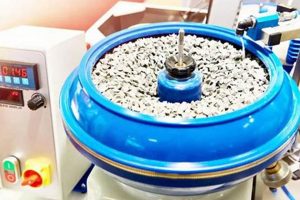
Surface treatments applied to aluminum alloys to enhance their properties and aesthetic appeal are diverse. These applications can range from simple cleaning and polishing to complex chemical conversion coatings or advanced painting techniques. An example includes anodizing, which creates a durable, corrosion-resistant oxide layer on the metal surface.
Such treatments are crucial in numerous industries due to their ability to improve corrosion resistance, increase surface hardness, provide decorative effects, and enhance paint adhesion. Historically, the development of these techniques has been pivotal in expanding the use of aluminum in demanding environments, from architectural cladding to aerospace components, where longevity and performance are paramount.
The following discussion will delve into specific types of treatments, examining their application processes, performance characteristics, and suitability for various end uses. Key factors influencing the selection of an appropriate treatment, such as cost, durability, and aesthetic considerations, will also be explored.
Considerations for Optimal Results
Achieving desired outcomes requires careful planning and execution. The following considerations will help ensure successful applications.
Tip 1: Alloy Selection: The specific aluminum alloy used significantly impacts the outcome of any treatment. Different alloys respond differently to anodizing, painting, or powder coating. Consulting alloy specifications and treatment compatibility charts is crucial.
Tip 2: Surface Preparation: Proper surface preparation is paramount. This involves thorough cleaning to remove oils, dirt, and oxides. Mechanical methods such as blasting or chemical etching may be necessary to achieve optimal adhesion and a uniform appearance.
Tip 3: Anodizing Parameter Control: Precise control of anodizing parameters, including electrolyte composition, temperature, and current density, is vital for achieving the desired oxide layer thickness, color, and hardness.
Tip 4: Painting and Coating Application: Apply paints and coatings in a controlled environment to minimize contamination and ensure even coverage. Follow manufacturer’s recommendations for application techniques, drying times, and curing temperatures.
Tip 5: Masking Techniques: When applying selective treatments, utilize appropriate masking techniques to protect areas not intended for coating. Inaccurate masking can lead to undesirable results and costly rework.
Tip 6: Quality Control: Implement rigorous quality control procedures throughout the process. This includes visual inspections, thickness measurements, adhesion tests, and corrosion resistance evaluations to verify that the final product meets required specifications.
Adhering to these considerations will maximize the benefits, ensuring durability, aesthetic appeal, and long-term performance in various applications.
The following sections will provide further details on specific applications and the latest advancements in surface treatment technology.
1. Corrosion Resistance

The inherent susceptibility of aluminum alloys to corrosion necessitates the implementation of appropriate surface treatments to ensure longevity and performance in various operational environments. Treatments designed to enhance this property are integral to maximizing the utility of aluminum.
- Anodizing and Oxide Layer Formation
Anodizing electrochemically grows a controlled oxide layer on the aluminum surface. This layer, composed of aluminum oxide, is significantly harder and more corrosion-resistant than the naturally occurring oxide film. In marine environments, anodized aluminum components exhibit substantially prolonged lifespans compared to untreated counterparts. The thickness and density of the anodic layer directly correlate with its protective capability.
- Chemical Conversion Coatings
Chromate conversion coatings and their trivalent chromium alternatives chemically react with the aluminum surface, forming a protective layer. These coatings provide excellent corrosion resistance and serve as a primer for subsequent painting. Their effectiveness is particularly pronounced in preventing filiform corrosion, a common issue in painted aluminum structures exposed to humid or saline conditions.
- Painting and Powder Coating Systems
Application of paint or powder coating creates a barrier that isolates the aluminum substrate from corrosive elements. Proper surface preparation, including cleaning and pre-treatment, is crucial for ensuring adequate adhesion and preventing under-film corrosion. Multi-layer paint systems, incorporating primers, intermediate coats, and topcoats, provide enhanced protection in aggressive environments such as those encountered in the automotive or aerospace industries.
- Sealing Treatments
Following anodizing or chemical conversion coating, sealing treatments are often applied to close the pores in the oxide or conversion layer. This prevents the ingress of corrosive agents, further enhancing corrosion resistance. Sealing can be achieved through various methods, including hot water sealing, dichromate sealing, or the use of organic sealants. The selection of an appropriate sealant depends on the specific application and environmental conditions.
The interplay between these surface treatments and the environmental conditions dictates the overall corrosion performance of aluminum structures. The selection of appropriate treatments, informed by a thorough understanding of the intended application and exposure environment, is paramount in ensuring long-term durability and preventing premature failure.
2. Aesthetic Appeal

The visual characteristics imparted by surface treatments significantly influence the perceived value and marketability of aluminum products. Selection and application of appropriate methodologies are critical for achieving desired aesthetic outcomes.
- Anodizing and Coloration Techniques
Anodizing provides a receptive surface for dye absorption, enabling a wide spectrum of colors. This process enhances visual appeal while maintaining the metallic character of aluminum. Examples include architectural facades with colored anodized panels and consumer electronics featuring vibrant, durable finishes. Careful control of the anodizing process ensures color uniformity and longevity, mitigating fading or discoloration over time.
- Painting and Powder Coating Options
Liquid painting and powder coating offer versatility in color selection and surface texture. These methods can achieve high-gloss, matte, or textured finishes, catering to diverse aesthetic preferences. Powder coating, in particular, provides a robust and visually appealing finish for applications such as automotive wheels and outdoor furniture. Proper application techniques are essential to avoid imperfections like orange peel or inconsistent film thickness.
- Texturing and Surface Modification
Mechanical or chemical texturing can create unique surface effects, adding depth and visual interest. Examples include brushed, etched, or embossed surfaces. These techniques are often employed in architectural applications to diffuse light and create a distinctive appearance. Controlled abrasion processes ensure uniform texture and avoid compromising the structural integrity of the aluminum substrate.
- Polishing and Brightening Processes
Polishing techniques, ranging from mechanical buffing to electrochemical brightening, enhance reflectivity and create a lustrous finish. These treatments are commonly used for decorative components and trim. Achieving a consistent and defect-free polished surface requires skilled execution and meticulous attention to detail. Brightening processes can further enhance reflectivity by selectively removing surface imperfections.
The aesthetic considerations associated with surface treatments are not merely cosmetic; they directly impact product perception and market success. A well-chosen finish can elevate the perceived quality and value of aluminum products, driving consumer appeal and enhancing brand recognition. Proper execution of surface treatments, combined with thoughtful design, ensures that aluminum components meet both functional and aesthetic requirements.
3. Surface Hardness

The capacity of surface treatments to augment the inherent hardness of aluminum alloys is a critical determinant in their suitability for applications exposed to wear, abrasion, and impact. Increased surface hardness translates to enhanced durability and extended service life in demanding operational environments.
- Hard Anodizing and Oxide Layer Characteristics
Hard anodizing produces a significantly thicker and denser aluminum oxide layer compared to conventional anodizing. This layer exhibits exceptional hardness, often exceeding 60 Rockwell C, providing superior wear resistance in applications such as gears, pistons, and hydraulic cylinders. The controlled growth of the oxide layer ensures uniform hardness across the treated surface, maximizing its protective capabilities. Proper process control is essential to prevent cracking or porosity in the hard anodized layer, which can compromise its effectiveness.
- Surface Impregnation Techniques
Techniques involving the impregnation of the aluminum surface with hard particles, such as silicon carbide or diamond, can substantially increase surface hardness. These particles are embedded into the surface matrix using methods like laser surface melting or plasma spraying. The resulting composite surface exhibits enhanced wear resistance and can withstand high loads and abrasive conditions. Applications include cutting tools, dies, and wear-resistant coatings for aerospace components. Particle size, distribution, and bonding strength are crucial factors influencing the performance of these impregnated surfaces.
- Thermal Spray Coatings
Thermal spray processes, such as plasma spraying or high-velocity oxy-fuel (HVOF) spraying, deposit a layer of hard ceramic or metallic material onto the aluminum surface. These coatings provide excellent wear resistance and can be tailored to specific application requirements. Examples include tungsten carbide-cobalt coatings for hydraulic components and chromium oxide coatings for printing rollers. The adhesion strength and coating thickness are critical parameters influencing the durability of thermal spray coatings.
- Case Hardening Methods
Although less common for aluminum than for ferrous alloys, certain case hardening methods can be applied to aluminum to increase surface hardness. These techniques involve diffusing hardening elements, such as nitrogen or carbon, into the surface layer. The resulting hardened case provides improved wear resistance, while the core material retains its ductility and toughness. Applications include precision instruments and components requiring a combination of high surface hardness and overall structural integrity. Careful control of the diffusion process is essential to achieve the desired case depth and hardness profile.
The enhancement of surface hardness through appropriate surface treatments expands the application range of aluminum alloys, enabling their use in demanding environments where wear resistance is a critical performance requirement. Proper selection and application of these treatments, informed by a thorough understanding of the specific application and operational conditions, are essential to maximizing the benefits and ensuring long-term durability.
4. Adhesion Properties

The effectiveness of surface treatments on aluminum is intrinsically linked to the adhesion properties exhibited by the applied coating or finish. Adequate adhesion ensures the long-term performance and durability of these treatments, preventing premature failure and maintaining desired functional and aesthetic characteristics.
- Surface Preparation Techniques
Surface preparation is paramount in establishing robust adhesion. Cleaning methods, such as degreasing, etching, and mechanical abrasion, remove contaminants and create a textured surface, increasing the surface area available for bonding. For instance, a chemical etch followed by a conversion coating enhances the adhesion of paint to aluminum panels used in automotive manufacturing. Inadequate preparation results in weak adhesion and subsequent coating delamination.
- Chemical Conversion Coatings as Adhesion Promoters
Chemical conversion coatings, like chromate or phosphate treatments, form a thin, adherent layer that promotes the adhesion of subsequent coatings. These coatings provide a chemically active surface that readily bonds with primers and topcoats. An example is the use of a chromate conversion coating on aluminum aircraft components prior to painting, ensuring the paint film remains intact under demanding environmental conditions. The absence of a suitable conversion coating often leads to poor paint adhesion and accelerated corrosion.
- Primer Selection and Application
The selection of an appropriate primer is critical for achieving optimal adhesion between the aluminum substrate and the topcoat. Primers are specifically formulated to bond strongly to both the aluminum surface and the subsequent coating layers. For example, epoxy primers are frequently used on aluminum structures exposed to harsh environments due to their excellent adhesion and corrosion resistance. Incorrect primer selection or improper application can compromise the overall adhesion and durability of the coating system.
- Coating Compatibility and Cross-linking
Compatibility between the aluminum substrate, primer, and topcoat is essential for achieving long-term adhesion. Coating systems are designed to promote chemical cross-linking between layers, creating a cohesive and durable film. For example, a polyurethane topcoat applied over a compatible epoxy primer forms a strong, interconnected film that resists cracking and peeling. Incompatible coating systems may exhibit poor adhesion and premature failure due to differences in thermal expansion coefficients or chemical reactivity.
These facets underscore the importance of meticulously controlling each stage of the coating process to ensure optimal adhesion properties. The long-term performance of aluminum finishes depends on the cohesive strength of the coating and its adhesive bond to the underlying aluminum substrate, with implications for structural integrity and aesthetic longevity.
5. Cost Effectiveness
The economic viability of employing diverse aluminum surface treatments is a crucial factor in determining their adoption across various industries. Cost-effectiveness encompasses not only the initial expense but also the long-term implications related to maintenance, durability, and performance.
- Initial Treatment Costs vs. Longevity
A cost-effective aluminum finish balances the immediate expense of the treatment with its expected lifespan. While certain advanced treatments may entail higher upfront costs, their extended durability and resistance to corrosion can lead to reduced maintenance and replacement expenses over time. For example, anodizing, though more expensive initially than some paint coatings, offers superior longevity in harsh environments, potentially resulting in lower lifecycle costs. Analysis of total cost of ownership is essential in evaluating the economic benefits.
- Production Efficiency and Throughput
The efficiency and throughput of a surface treatment process directly impact its cost-effectiveness. Techniques that can be rapidly applied and scaled, such as powder coating, often present a lower overall cost per unit compared to more labor-intensive methods. Optimization of process parameters, including application speed and curing times, can further enhance production efficiency and reduce manufacturing costs. Automation plays a significant role in maximizing throughput and minimizing labor expenses.
- Material Usage and Waste Reduction
Cost-effectiveness is also influenced by material usage and waste generation. Treatments that minimize material consumption, such as thin-film coatings or precise spray applications, contribute to lower overall costs. Implementing waste reduction strategies, including recycling of process chemicals and responsible disposal of hazardous materials, can further improve the economic and environmental sustainability of aluminum finishing operations. Efficient material management is crucial for minimizing both direct and indirect costs.
- Maintenance and Repair Requirements
The frequency and complexity of maintenance and repair procedures associated with a particular surface treatment significantly affect its long-term cost-effectiveness. Treatments that require minimal upkeep, such as self-healing coatings or highly durable finishes, reduce the need for costly repairs and downtime. Selecting a finish that aligns with the operational environment and anticipated wear conditions minimizes maintenance requirements and extends the service life of the aluminum component. Proper maintenance planning is essential for maximizing the economic benefits of any aluminum finishing system.
In summary, evaluating the cost-effectiveness of aluminum surface treatments requires a holistic assessment encompassing initial expenses, production efficiency, material usage, and long-term maintenance requirements. By carefully considering these factors, manufacturers and designers can select finishes that provide optimal performance and value, ensuring the economic viability of aluminum applications across diverse industries.
Frequently Asked Questions
This section addresses common inquiries and misconceptions regarding surface treatments applied to aluminum alloys, providing factual and objective information.
Question 1: What constitutes the primary benefit of applying surface treatments to aluminum?
The foremost advantage is enhanced corrosion resistance. Untreated aluminum is susceptible to oxidation and degradation in various environments. Surface treatments provide a protective barrier, extending the material’s lifespan and maintaining structural integrity.
Question 2: Are all aluminum surface treatments equally effective for all applications?
No. The selection of an appropriate surface treatment depends on the specific application, environmental conditions, and performance requirements. Factors such as exposure to corrosive agents, abrasion resistance, and aesthetic considerations must be evaluated to determine the optimal treatment.
Question 3: What is the difference between anodizing and powder coating?
Anodizing is an electrochemical process that creates a durable oxide layer on the aluminum surface, enhancing corrosion resistance and providing a base for coloration. Powder coating involves applying a dry powder electrostatically, followed by curing under heat to form a protective and decorative finish.
Question 4: How does surface preparation affect the quality of aluminum finishes?
Proper surface preparation is critical. Contaminants such as oils, dirt, and oxides must be removed to ensure adequate adhesion of the surface treatment. Inadequate preparation can lead to premature failure and compromised performance.
Question 5: Is it possible to achieve specific colors on aluminum through surface treatments?
Yes. Anodizing allows for the absorption of dyes, enabling a wide range of colors. Powder coating also offers extensive color options. The selection of the appropriate coloring method depends on the desired aesthetic effect and performance requirements.
Question 6: What are the long-term maintenance requirements for aluminum finishes?
Maintenance requirements vary depending on the surface treatment and environmental exposure. Regular cleaning is generally recommended to remove dirt and contaminants. In some cases, periodic reapplication of protective coatings may be necessary to maintain optimal performance.
Selecting the appropriate aluminum finish requires careful consideration of various factors, balancing cost with performance and aesthetic requirements. Understanding these nuances is crucial for ensuring long-term satisfaction and optimal material utilization.
The subsequent section will explore case studies demonstrating the application of different “aluminium finishes” in real-world scenarios.
Conclusion
The preceding discussion has presented a comprehensive overview of surface treatments applied to aluminum alloys. Considerations ranging from corrosion resistance and aesthetic appeal to surface hardness, adhesion properties, and cost-effectiveness have been examined. Selection of an appropriate treatment necessitates a thorough understanding of the intended application, environmental conditions, and performance criteria. The interplay of these factors dictates the long-term effectiveness and economic viability of the chosen finish.
Continued innovation in materials science and surface engineering promises further advancements in the performance and sustainability of “aluminium finishes”. Ongoing research into novel coating technologies, environmentally benign treatment processes, and enhanced quality control methodologies will undoubtedly expand the application range and lifespan of aluminum components across diverse industries. A commitment to informed decision-making and rigorous implementation remains paramount in realizing the full potential of these treatments.