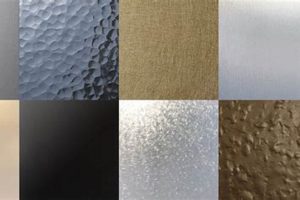
A surface treatment designed to replicate the aged appearance of bronze is commonly applied to various metal substrates. This technique imparts a sense of historical depth and character to objects, often involving chemical patination, applied coatings, or a combination thereof to achieve a variegated, darkened surface with subtle highlights. For example, a modern steel door handle might receive this treatment to emulate the look of a centuries-old bronze artifact.
The appeal of this finish lies in its ability to evoke a sense of permanence, sophistication, and connection to the past. It offers an alternative to the brighter, more reflective surfaces of newly manufactured metals, lending an air of authenticity and refinement to architectural elements, decorative objects, and functional hardware. Historically, bronze was a valuable and widely used material, and replicating its aged aesthetic provides a cost-effective and often more durable option for achieving a similar visual effect.
Understanding the composition and application of such finishes is crucial for designers, architects, and manufacturers seeking to incorporate this aesthetic into their projects. Factors such as the base metal, the intended environment, and the desired level of durability all play a significant role in selecting the appropriate treatment and ensuring its long-term performance. The following sections will delve into specific aspects related to achieving and maintaining this particular style.
Guidance on Applying and Maintaining an Antique Bronze Metal Finish
The following guidelines are intended to provide practical advice regarding the selection, application, and maintenance of a finish that mimics aged bronze on metal surfaces. Careful adherence to these principles will contribute to the longevity and aesthetic integrity of the treated item.
Tip 1: Material Compatibility is Paramount: Before application, ensure the chosen finish is chemically compatible with the base metal. Galvanic corrosion can occur if incompatible metals and finishes are combined, leading to premature deterioration. Consult material safety data sheets and conduct compatibility tests when necessary. For example, applying a copper-based patination solution directly to aluminum may cause undesirable reactions.
Tip 2: Surface Preparation is Critical: Thoroughly clean and prepare the metal surface prior to applying the finish. Remove any existing coatings, rust, or contaminants. Sandblasting or chemical etching may be necessary to create a suitable key for the finish to adhere properly. Failure to do so can result in peeling, flaking, or uneven coloration.
Tip 3: Controlled Application for Uniformity: Apply the finish in thin, even coats, following the manufacturer’s instructions meticulously. Avoid pooling or drips, as these can create unsightly blemishes. Use appropriate application methods, such as spraying, brushing, or dipping, based on the finish’s formulation and the object’s geometry. For instance, intricate designs often benefit from spray application for consistent coverage.
Tip 4: Patination Techniques for Authentic Appearance: Chemical patination can be used to accelerate the aging process and create the desired visual effect. Experiment with different patinating solutions and techniques to achieve the desired color variations and depth. Neutralize the patination process once the desired effect is achieved to prevent further corrosion. This might involve rinsing with a specific solution to halt the chemical reaction.
Tip 5: Protective Coatings for Durability: Apply a clear protective coating to seal the finish and protect it from environmental factors such as moisture, UV radiation, and abrasion. Select a coating that is compatible with the chosen finish and provides the appropriate level of protection for the intended application. Powder coating or specialized clear lacquers are commonly used for this purpose.
Tip 6: Regular Cleaning and Maintenance: Implement a routine cleaning schedule to remove dirt, dust, and other contaminants. Use mild, non-abrasive cleaners and soft cloths to avoid scratching or damaging the finish. Avoid harsh chemicals or abrasive cleaning agents, as these can strip away the protective coating and expose the underlying metal.
Tip 7: Periodic Inspection and Repair: Regularly inspect the finish for signs of wear, damage, or corrosion. Address any issues promptly to prevent further deterioration. Minor scratches or blemishes can often be touched up with matching paint or sealant. More significant damage may require professional refinishing.
Adhering to these guidelines will maximize the aesthetic appeal and longevity of the finish, providing years of service and maintaining its intended visual effect.
The next section will explore specific applications and case studies related to incorporating this finish in diverse projects.
1. Patina Development

Patina development is intrinsically linked to achieving a realistic and desirable “antique bronze metal finish.” It is not simply a superficial coating but a complex chemical and physical transformation of the metal surface, contributing significantly to the aesthetic and protective qualities of the finish.
- Chemical Processes and Composition
Patina formation involves a series of chemical reactions between the metal substrate and environmental elements like oxygen, moisture, and acids. The specific composition of the patina depends on the metal alloy and the surrounding environment. In the case of bronze, copper oxides, sulfates, and carbonates are common constituents. Understanding these chemical pathways allows for controlled manipulation of the patination process, such as the application of specific chemical solutions to accelerate or alter the patina’s color and texture. A lack of control over these processes can lead to uneven or undesirable results.
- Color and Texture Modulation
The color and texture of the patina are critical indicators of its stage of development and composition. Initially, a newly formed patina on bronze might appear as a light, almost imperceptible film. Over time, and with continued exposure, it can deepen to rich browns, greens, and even blacks. The texture can range from smooth and polished to rough and pitted, depending on the environmental conditions and the method of application. Skilled artisans can manipulate these factors to create custom finishes that mimic the appearance of naturally aged bronze, achieving varying degrees of verdigris or a uniform, dark brown appearance.
- Protective Properties and Corrosion Resistance
A well-developed patina can offer a degree of protection against further corrosion. The patina layer acts as a barrier, slowing down the rate at which the underlying metal deteriorates. However, not all patinas are equally protective. Some patinas may be porous or unstable, providing minimal protection and potentially accelerating corrosion. The long-term durability of an “antique bronze metal finish” is thus significantly influenced by the quality and stability of the developed patina. Regular cleaning and maintenance are often necessary to preserve its protective qualities.
- Replication Techniques and Faux Patinas
Achieving the desired aged appearance quickly often involves the use of faux patinas, which are artificial coatings designed to mimic the look of naturally developed patina. These techniques may involve the application of paints, stains, or chemical treatments to create the illusion of age and weathering. While these faux patinas can offer a cost-effective and time-saving alternative to natural patination, they often lack the depth and complexity of a genuine patina. Selecting appropriate materials and application methods is crucial to ensure that the faux patina is durable, aesthetically pleasing, and convincingly replicates the appearance of aged bronze.
The intricate dance between chemical reactions, environmental influences, and deliberate techniques defines the ultimate character of an “antique bronze metal finish.” Understanding these facets of patina development is critical for ensuring that the finish not only looks authentic but also provides a degree of protection and longevity. Whether relying on natural processes or employing artificial techniques, a thorough understanding of patina development is paramount.
2. Substrate Material

The substrate material is a fundamental determinant in the success and longevity of any “antique bronze metal finish.” The interaction between the applied finish and the underlying metal dictates the aesthetic outcome, corrosion resistance, and overall durability. Different metals react uniquely to patination processes, applied coatings, and environmental conditions. For instance, a steel substrate, being prone to oxidation, requires extensive pre-treatment, such as phosphate conversion coatings, to prevent rust from undermining the finish. Conversely, brass, an alloy containing copper, more readily accepts patination treatments designed to mimic aged bronze, creating a more convincing and durable final product. The choice of substrate, therefore, is not merely an economic consideration but a critical factor influencing the finish’s performance.
The impact of substrate extends to the application of protective clear coats. Steel, for example, necessitates coatings with excellent barrier properties to prevent moisture ingress and subsequent corrosion. Aluminum, known for its inherent corrosion resistance, may require a different type of coating optimized for adhesion and UV protection. Real-world examples highlight these considerations: exterior architectural features utilizing “antique bronze metal finish” frequently employ aluminum substrates due to their lightweight properties and corrosion resistance, even though steel is a cheaper material. Interior applications may opt for steel, provided adequate surface preparation and protective coatings are employed.
In conclusion, the selection of the substrate material directly impacts the characteristics and performance of the “antique bronze metal finish.” Understanding the material’s inherent properties and its interaction with the applied finish is crucial for achieving the desired aesthetic, ensuring long-term durability, and minimizing the risk of corrosion or other forms of degradation. Proper substrate selection and preparation are essential for successful replication of aged bronze aesthetics across diverse applications.
3. Protective Coatings
Protective coatings are integral to the longevity and sustained aesthetic quality of an “antique bronze metal finish.” Without an appropriate protective layer, the underlying metal and the applied finish are vulnerable to environmental degradation, abrasion, and chemical attack. The application of a protective coating addresses several primary concerns. Firstly, it creates a barrier against moisture, preventing corrosion of the base metal, particularly in the case of steel substrates. Secondly, it shields the finish from ultraviolet (UV) radiation, which can cause fading or discoloration of the applied patinas or paints. Thirdly, it enhances the finish’s resistance to physical damage, such as scratches and wear, thereby preserving its appearance over time. The choice of coating directly impacts the overall performance and lifespan of the treated object. For example, architectural bronze elements exposed to the elements often receive a durable clear coat to shield the finish from sun and rain.
Different types of protective coatings offer varying degrees of protection and aesthetic effects. Options include clear lacquers, waxes, powder coatings, and specialized sealants. The selection should be based on the specific application, the type of metal substrate, and the desired level of gloss or sheen. Lacquers and sealants provide a transparent barrier, allowing the underlying finish to remain visible while offering protection against environmental factors. Waxes, while offering a softer and more natural feel, require regular reapplication to maintain their protective properties. Powder coatings provide a durable, chip-resistant finish, making them suitable for high-traffic areas or objects subject to frequent handling. The use of the wrong protective coating can lead to issues such as delamination, yellowing, or inadequate protection against corrosion, undermining the intended aesthetic and functional benefits.
In summary, protective coatings play a crucial role in preserving the integrity and appearance of an “antique bronze metal finish.” Proper selection and application of these coatings are essential for ensuring long-term durability, resisting environmental damage, and maintaining the desired aesthetic qualities of the treated metal. While the initial patination or application process provides the visual character, the protective coating serves as the critical defense against degradation, ensuring the investment in the finish remains worthwhile over time. The interplay between the finish and the coating determines the overall success of the “antique bronze metal finish” application.
4. Durability Assessment

Durability assessment is an indispensable component in the application of an “antique bronze metal finish,” serving as a predictive measure of the finish’s resistance to degradation under specified conditions. The finish, intended to replicate aged bronze, must withstand environmental factors, abrasion, and chemical exposure to maintain its aesthetic qualities and protective functions. A thorough durability assessment, therefore, precedes widespread implementation. Without this assessment, projects risk premature failure, resulting in costly repairs or replacements. A clear example of this can be seen in outdoor architectural features. Finishes not tested for UV resistance may fade quickly, negating the intended “antique” aesthetic and necessitating frequent reapplication. Thus, durability is not merely an attribute; it is a design parameter informed by rigorous testing and material selection.
Practical applications of durability assessment involve a range of standardized testing methods. Salt spray testing evaluates corrosion resistance in marine environments. Abrasion resistance testing, such as the Taber abrasion test, measures the finish’s ability to withstand surface wear. UV exposure testing simulates prolonged sunlight exposure to determine color fastness and coating integrity. These tests provide quantitative data used to inform material selection and application techniques. Furthermore, understanding the intended use environment is paramount. A decorative “antique bronze metal finish” on an indoor lighting fixture faces different challenges than a similar finish on a public bench. Accordingly, durability assessments must be tailored to the specific application to ensure the finish’s suitability and longevity. The absence of such tailored assessments leads to misapplication of finishes, increased maintenance costs, and a shortened lifespan for the treated objects.
In conclusion, durability assessment is a critical step in the process of applying an “antique bronze metal finish.” It provides the necessary data to select appropriate materials, application techniques, and protective coatings, ultimately ensuring the finish’s long-term performance and aesthetic appeal. The failure to conduct adequate durability assessments can result in premature failure, increased maintenance costs, and a compromised aesthetic outcome. By prioritizing durability testing and adapting assessments to specific use environments, architects, designers, and manufacturers can maximize the value and lifespan of items featuring an “antique bronze metal finish.”
5. Color Variation

Color variation is an inherent characteristic and a critical design element in achieving a convincing “antique bronze metal finish.” The success of replicating the look of aged bronze depends substantially on the controlled and nuanced introduction of color variations. These variations mimic the natural oxidation processes and weathering effects that occur over time, adding depth, realism, and visual interest to the finish.
- Patina Simulation
One primary function of color variation is to simulate the formation of patina, a naturally occurring layer of oxidation on bronze surfaces. This patina exhibits a range of colors, from subtle browns and reds to vibrant greens and blues, depending on the environmental conditions and the composition of the alloy. An “antique bronze metal finish” attempts to replicate this complex interplay of colors through strategic application of different tones and hues. For instance, darker shades might be applied in recesses to simulate accumulated dirt and grime, while lighter, greenish tones could represent copper carbonates forming on exposed surfaces. The degree of color variation directly impacts the perceived authenticity of the finish.
- Highlighting and Lowlighting Techniques
Highlighting and lowlighting techniques are employed to create a sense of three-dimensionality and depth in the “antique bronze metal finish.” Lighter colors are applied to areas that would naturally catch the light, such as raised edges or prominent details, while darker colors are used in shadowed areas to create contrast. This technique accentuates the texture and form of the object, enhancing its visual appeal and making it appear more aged. A common example involves using a dry-brushing technique with a metallic paint to highlight edges, simulating wear and polishing over time.
- Material Inconsistencies Mimicry
Authentic antique bronze objects often exhibit color variations due to inconsistencies in the original casting process or variations in the metal composition. Replicating these imperfections can add to the realism of the “antique bronze metal finish.” This might involve subtly blending different shades of bronze or incorporating small areas of contrasting color to simulate impurities or variations in the alloy. Skilled artisans carefully control these variations to create a finish that appears both natural and aesthetically pleasing. This contrasts with modern, uniform finishes that lack the character and depth of aged bronze.
- Controlled Randomness
Achieving a convincing “antique bronze metal finish” requires a degree of controlled randomness in the application of color variations. While the overall color scheme and distribution of highlights and shadows are carefully planned, the specific placement of individual color variations should appear somewhat random to mimic the unpredictable nature of natural aging processes. This can be achieved through techniques such as stippling, sponging, or using irregular application patterns. The goal is to create a finish that looks naturally aged rather than artificially manufactured. Without this element of randomness, the finish can appear contrived and lack the visual depth of genuine antique bronze.
In conclusion, color variation is a crucial element in replicating the visual complexity and authenticity of an “antique bronze metal finish.” Through the strategic application of different colors, highlighting and lowlighting techniques, and the simulation of material inconsistencies, a convincing and aesthetically pleasing finish can be achieved. The controlled and nuanced use of color variation is essential for capturing the essence of aged bronze and creating a finish that stands the test of time, both visually and functionally. The interplay between color, texture, and application technique ultimately defines the success of the “antique bronze metal finish”.
6. Application Techniques
The attainment of a satisfactory “antique bronze metal finish” is inextricably linked to the employment of appropriate application techniques. These techniques are not merely procedures but critical determinants of the final aesthetic outcome, the durability of the finish, and its adherence to the intended design specifications. Improper application can lead to a host of problems, including uneven coloration, premature failure of the coating, and a lack of resemblance to genuine aged bronze. For example, an inappropriately thick application of a patinating solution can result in excessive runoff and streaking, while insufficient surface preparation prior to coating can cause adhesion failures. Therefore, the selection and precise execution of application techniques are paramount to achieving the desired result.
Specific application techniques are tailored to different metal substrates, environmental conditions, and desired aesthetic effects. Spraying, brushing, dipping, and chemical patination are common methods. Spraying offers uniform coverage, crucial for large surfaces, while brushing allows for greater control and the creation of textured effects. Dipping provides consistent coating thickness for small parts, and chemical patination utilizes reactive solutions to induce a controlled oxidation process. Real-world examples illustrate the impact of technique: Architectural hardware often benefits from a multi-stage process involving a base coat, a patinating solution applied via brush for controlled accents, and a protective clear coat applied via spray for even coverage and durability. Furniture might employ a combination of dipping for smaller components and brushing for larger, more detailed surfaces. Understanding the nuances of each technique allows for optimized results.
In conclusion, the successful creation of an “antique bronze metal finish” hinges on the judicious selection and skillful execution of application techniques. These techniques directly influence the aesthetic quality, durability, and longevity of the finish. A thorough understanding of the underlying principles of each method, combined with careful consideration of substrate materials and environmental factors, is essential for achieving the desired outcome. Furthermore, ongoing quality control measures and adherence to industry best practices are crucial for ensuring consistent and reliable results. The application technique is not merely a step in the process but a linchpin determining the overall success of the finish.
7. Cleaning Protocols
Cleaning protocols are critically intertwined with the preservation and longevity of an “antique bronze metal finish.” The finish, designed to emulate the aged aesthetic of bronze, is inherently susceptible to degradation caused by environmental contaminants, handling, and improper cleaning methods. Inadequate or inappropriate cleaning can lead to the stripping of protective coatings, the alteration of the intended patina, or the acceleration of corrosion processes, thus undermining the visual appeal and protective qualities of the finish. For instance, using abrasive cleaners on a bronze-finished door handle can quickly remove the protective lacquer, exposing the underlying metal to oxidation and wear. Therefore, establishing and adhering to stringent cleaning protocols is not merely a maintenance task but an integral component of sustaining the desired “antique bronze metal finish.”
Effective cleaning protocols for this finish necessitate a multi-faceted approach. First, preventative measures, such as regular dusting with a soft cloth, minimize the accumulation of abrasive particles that can scratch the surface. Second, the selection of appropriate cleaning agents is paramount; harsh chemicals, acidic solutions, and abrasive powders must be avoided. Instead, mild, pH-neutral detergents diluted in water are generally recommended. Third, the application method should be gentle, using soft cloths or sponges to avoid scratching or abrading the finish. Finally, thorough rinsing with clean water and immediate drying with a soft cloth prevent water spotting and mineral buildup. Consider the example of maintaining an “antique bronze metal finish” on a chandelier; gentle dusting is performed weekly, and a specialized bronze cleaner is applied sparingly every few months, followed by careful buffing to maintain the luster without damaging the delicate finish.
In conclusion, cleaning protocols are not an ancillary consideration but a crucial determinant of the long-term success of an “antique bronze metal finish.” Adherence to carefully designed cleaning routines, employing gentle techniques and appropriate cleaning agents, is essential for preserving the finish’s aesthetic integrity and preventing premature degradation. Understanding the delicate balance between cleanliness and preservation is key to maximizing the lifespan and visual appeal of items featuring this sophisticated metal finish. A proactive and informed approach to cleaning is, therefore, an investment in the longevity and beauty of the “antique bronze metal finish.”
Frequently Asked Questions
The following questions address common inquiries and concerns regarding the selection, application, and maintenance of the “antique bronze metal finish.” This information is intended to provide clarity and guidance for achieving optimal results.
Question 1: What are the primary differences between a genuine bronze finish and an “antique bronze metal finish” applied to other metals?
A genuine bronze finish is inherent to the bronze alloy itself, evolving naturally over time due to oxidation. An “antique bronze metal finish,” conversely, is a surface treatment applied to a different metal substrate (e.g., steel, aluminum) to mimic the aged appearance of bronze. The latter involves artificial patination techniques, coatings, or paints to replicate the desired aesthetic.
Question 2: How does the choice of base metal impact the longevity and appearance of an “antique bronze metal finish”?
The base metal significantly influences the finish’s performance. Metals prone to corrosion, such as steel, require extensive pre-treatment and protective coatings to prevent rust from undermining the “antique bronze metal finish.” Metals with inherent corrosion resistance, like aluminum, offer improved durability. The base metal’s reactivity to patinating solutions also affects the final color and texture.
Question 3: What are the key considerations when selecting a protective coating for an “antique bronze metal finish”?
The protective coating should be compatible with both the “antique bronze metal finish” and the base metal. Key considerations include resistance to UV radiation, moisture, abrasion, and chemical exposure. The desired level of gloss or sheen and the application environment (interior vs. exterior) also influence the choice of coating. Incompatible coatings can lead to delamination, discoloration, or inadequate protection.
Question 4: What cleaning practices are recommended for preserving an “antique bronze metal finish”?
Gentle cleaning methods are essential. Harsh chemicals, abrasive cleaners, and scouring pads should be avoided as they can damage the finish. Regular dusting with a soft cloth and occasional cleaning with a mild, pH-neutral detergent diluted in water are generally recommended. Thorough rinsing and drying prevent water spots and mineral buildup.
Question 5: How can color variation be controlled or customized in an “antique bronze metal finish”?
Color variation is typically achieved through the application of multiple layers of paint or patinating solutions, each with slightly different hues. Highlighting and lowlighting techniques can be used to create depth and simulate the effects of aging. The skill of the applicator and the quality of the materials are crucial for achieving the desired level of color variation and realism.
Question 6: What are some common causes of failure in an “antique bronze metal finish”?
Common causes of failure include inadequate surface preparation, incompatible materials, improper application techniques, and exposure to harsh environmental conditions. Insufficiently protective coatings, abrasive cleaning practices, and galvanic corrosion can also lead to premature degradation. Regular inspection and maintenance are essential for identifying and addressing potential problems early on.
Understanding these FAQs can greatly improve the outcome of projects involving an “antique bronze metal finish,” leading to longer-lasting and more visually appealing results.
The following section will provide case studies and examples demonstrating the use of “antique bronze metal finish” in various applications.
Conclusion
This exploration has delineated the multifaceted nature of “antique bronze metal finish,” extending beyond mere surface aesthetics. A comprehensive understanding of material compatibility, patina development, protective coatings, application techniques, and maintenance protocols is essential for achieving a successful and durable outcome. The judicious selection of substrate materials, coupled with rigorous adherence to established best practices, directly influences the longevity and visual appeal of items treated with this finish.
The ongoing refinement of application technologies and a continued emphasis on sustainable practices will shape the future of “antique bronze metal finish.” Architects, designers, and manufacturers are encouraged to prioritize informed decision-making, considering both the aesthetic and functional implications to ensure the responsible and effective utilization of this enduring finish. The integration of durability testing and lifecycle assessments further supports the creation of long-lasting, visually compelling designs.