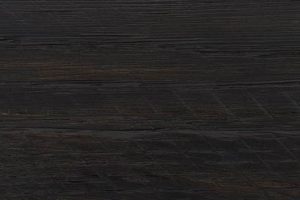
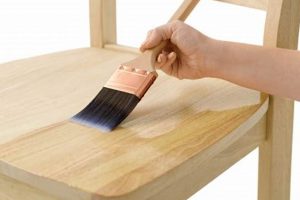
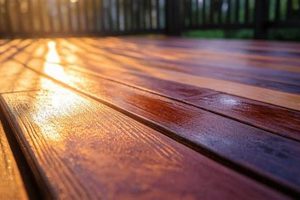
The practice of artificially aging wooden surfaces to replicate the appearance of age and wear is a common technique in furniture making and woodworking. This method aims to impart a sense of history and character to newly constructed or refurbished items. Examples include distressing techniques that create simulated scratches and dents, application of dark glazes to highlight details and recesses, and the use of specific paints or stains designed to mimic the faded and worn look of older pieces.
This type of surface treatment offers numerous advantages. It can enhance the aesthetic appeal of furniture, providing a unique, handcrafted quality that contrasts with mass-produced items. Furthermore, it can conceal minor imperfections in the wood, making it a practical solution for both aesthetic and functional purposes. Historically, such techniques were employed to increase the perceived value of objects and create a sense of connection to the past.
The subsequent sections will delve into specific methods employed to achieve this effect, including materials, tools, and step-by-step instructions. Discussions will also cover surface preparation, application techniques for various finishes, and strategies for achieving different levels of aging and distress.
Essential Considerations for Achieving an Aged Aesthetic on Wood
Achieving a convincing aged appearance on wood requires careful planning and execution. The following tips outline critical considerations for successful implementation.
Tip 1: Wood Selection: The type of wood significantly impacts the final result. Softwoods, due to their grain structure, tend to accept stains and glazes differently than hardwoods. Consider the wood’s natural color and grain pattern when selecting materials.
Tip 2: Surface Preparation: Thorough surface preparation is crucial. Sanding the wood to a smooth, uniform surface ensures consistent absorption of stains and finishes. Remove any dust or debris before proceeding.
Tip 3: Strategic Distressing: When incorporating distressing techniques, consider the wear patterns of authentic antiques. Focus on areas that would naturally experience more wear, such as edges, corners, and drawer fronts. Tools like chains, hammers, and sandpaper can be used to simulate these effects.
Tip 4: Layering Finishes: Employ layering techniques to create depth and complexity. Start with a base stain, followed by glazes or washes to highlight details and add dimension. Allow each layer to dry completely before applying the next.
Tip 5: Glaze Application: When applying glazes, use a brush or rag to work the glaze into the wood grain. Immediately wipe away the excess to reveal the base color and create a subtle, aged effect. Experiment with different glaze colors to achieve the desired aesthetic.
Tip 6: Sealing and Protection: Protect the finish with a durable topcoat. A matte or satin finish is generally preferred for aged pieces, as it replicates the lower sheen of older finishes. Apply multiple thin coats for optimal protection.
Tip 7: Color Palette: Research authentic antique pieces to determine appropriate color palettes. Earth tones, muted colors, and variations of browns and grays are commonly used to create a convincing aged appearance. Avoid overly bright or modern colors.
Mastering these considerations allows the craftsman to replicate the beauty of aged wood without the inherent limitations of sourcing genuine antique materials.
These tips provide a strong foundation for the techniques that will be further explored in the remainder of this article.
1. Surface Preparation
Surface preparation constitutes a critical foundational stage in achieving a realistic weathered or aged look on wood. The success of subsequent finishing processes hinges directly upon the quality of this initial step. Inadequate preparation leads to uneven stain absorption, highlighting imperfections instead of concealing them, and ultimately, a less convincing final appearance. For example, if a surface is not properly sanded to remove existing finishes or surface contaminants, the new stain may not penetrate uniformly, resulting in blotchy color variations that detract from the intended effect. Similarly, residual dust or oils can prevent proper adhesion of glazes and topcoats, leading to premature chipping or peeling.
A smooth, consistent surface provides the ideal canvas for simulating the subtle wear patterns and character marks associated with genuinely aged wood. Techniques such as sanding, scraping, or wire brushing are employed to create a texture that will interact with stains and glazes in a way that mimics natural aging. For instance, creating fine scratches along the grain with sandpaper prior to staining allows the stain to settle into these imperfections, accentuating the grain and creating a more authentic weathered appearance. The choice of grit and the method of application are crucial; aggressive sanding can create an unnatural appearance, while insufficient sanding may leave the surface too smooth to accept the stain effectively.
In conclusion, surface preparation is not merely a preliminary step but an integral component of the entire aging process. Careful attention to detail during this stage ensures optimal adhesion, uniform color, and a textured surface that enhances the realism of the weathered aesthetic. Overlooking this foundational aspect can compromise the entire project, resulting in a substandard imitation of the desired antique finish. The relationship is undeniable, quality preparation is the bedrock of a credible aged effect.
2. Stain Application

Stain application is a pivotal process in achieving an authentic aged appearance on wood. The correct selection and skillful application of stains contribute significantly to replicating the characteristic patina and depth of color found in genuinely antique pieces. This process sets the tonal foundation upon which further aging techniques build.
- Color Layering
Employing multiple stain colors creates complexity and simulates the effects of age and oxidation. Applying a darker stain over a lighter one, or using stains with varying pigment densities, introduces subtle variations in tone that mimic natural discoloration over time. This layered approach enhances the depth and realism of the aged effect, distinguishing it from a flat, uniform color.
- Penetration Control
Controlling the penetration of the stain is crucial for achieving a nuanced aged appearance. Applying stain to a pre-sealed surface, or using a diluted stain, limits its absorption and allows for greater control over the final color intensity. This technique is particularly useful for accentuating wood grain patterns and creating subtle variations in tone across the surface, replicating the uneven wear and fading seen in genuine antiques.
- Wiping and Blending
The method of wiping and blending the stain directly influences the overall aesthetic. Wiping the stain unevenly, leaving more color in recessed areas and less on raised surfaces, simulates the accumulation of dirt and grime over time. Blending different stain colors together on the surface before they dry creates a harmonious transition between tones, adding depth and realism to the aged effect.
- Matching Antique Tones
Accurately matching the stain color to the desired antique tone is essential for creating a convincing aged appearance. Researching authentic antique pieces and carefully selecting stain colors that replicate their characteristic hues contributes significantly to the realism of the final finish. Considering the wood species and its natural color is also critical, as different woods react differently to stains, influencing the final color outcome.
These facets of stain application, when combined thoughtfully, contribute to a finish that evokes the depth and character of antique wood. From meticulous color layering to precise control over stain penetration, each technique plays a crucial role in crafting an authentic aged aesthetic.
3. Distressing Techniques

Distressing techniques form an integral component in replicating the appearance of age and wear on wooden surfaces, a primary objective in creating an antique finish. The effectiveness of simulating an aged aesthetic relies heavily on the skillful application of these methods. The intentional infliction of surface imperfections, emulating years of use and environmental exposure, constitutes the core principle behind these techniques. For example, the strategic use of chains, hammers, or abrasive materials can generate dents, scratches, and worn edges, mimicking the physical degradation typically observed in antique furniture. The application of these techniques aims to transform new or refurbished wood into pieces that convincingly convey a sense of history and character. Without such strategic manipulation, achieving a truly believable antique aesthetic is significantly compromised, as the surface would lack the telltale signs of age that define such styles.
The practical application of distressing extends beyond mere aesthetic enhancement; it also serves to conceal minor imperfections in the wood itself. By strategically introducing controlled damage, existing flaws are often camouflaged, reducing the need for extensive repairs or material replacement. Furthermore, the specific type and intensity of distressing can be tailored to match the intended style or period. For instance, a more rustic, farmhouse style might incorporate heavier distressing, including pronounced gouges and wormholes (often simulated), while a more refined, classical style would typically exhibit subtler signs of wear, such as slightly rounded edges and minimal surface scratches. Correct implementation requires not only physical skill but also an understanding of how different materials and tools will interact with the wood’s grain and structure, in order to achieve a convincing and proportional result.
In conclusion, distressing techniques represent a critical suite of processes essential for creating credible antique finishes on wood. Their careful and deliberate application allows for the artificial replication of natural aging processes, contributing significantly to the overall aesthetic and value of the finished piece. A lack of understanding or careless execution, however, can result in an unconvincing or even aesthetically displeasing result. Therefore, mastery of distressing methods, coupled with an appreciation for authentic aging patterns, is paramount for artisans seeking to produce convincing antique finishes.
4. Glazing Effects

Glazing effects play a crucial role in achieving a realistic antique finish on wood surfaces. These effects, achieved through the application of translucent or semi-transparent coatings, create depth and dimension by highlighting details and simulating the accumulation of dirt and grime in recessed areas, characteristic of aged pieces. The selective application and removal of glaze emphasize texture and contour, mimicking the natural wear patterns that develop over extended periods. For instance, a dark glaze applied over a lighter base coat and then partially wiped away allows the base color to show through on raised surfaces, while the glaze remains prominent in crevices, creating a visual contrast that enhances the perception of age.
The type of glaze and its application technique directly influence the final appearance. Oil-based glazes provide a longer working time, allowing for greater control over blending and manipulation. Water-based glazes offer easier cleanup and lower VOC emissions, but may require a faster working pace. Application methods range from brushing and ragging to sponging and dry brushing, each yielding distinct textures and effects. A practical example includes the use of a sea sponge to apply a thin layer of glaze, creating a mottled effect that simulates the uneven fading and discoloration associated with prolonged exposure to sunlight and environmental elements. Careful consideration must be given to the glaze’s color and opacity to ensure it complements the base finish and enhances the overall aged aesthetic.
In summary, glazing effects are not merely decorative additions but integral components of the antique finishing process. They contribute significantly to the depth, dimension, and realism of the aged appearance, simulating the effects of time and use on wooden surfaces. Mastering glazing techniques requires careful attention to detail, an understanding of color theory, and a sensitivity to the subtle nuances that distinguish authentic antique finishes from artificial imitations. The challenges lie in achieving a balance between visual interest and authenticity, ensuring that the glazing enhances rather than overwhelms the underlying wood and stain. The glazing step is another step on how we deliver quality of “antique finish for wood”.
5. Sealing and Protection

Sealing and protection represent crucial final steps in the creation of an antique finish on wood, directly influencing the longevity and visual integrity of the crafted effect. The proper application of protective coatings not only preserves the simulated aging and distressing techniques but also shields the wood from environmental factors and daily wear, ensuring the longevity of the achieved aesthetic.
- Moisture Resistance
Sealing the wood against moisture penetration is paramount. Excessive moisture can lead to warping, swelling, and ultimately, the deterioration of the finish. A quality sealant, such as polyurethane or varnish, forms a barrier that prevents water absorption, safeguarding the underlying wood and preserving the antique aesthetic. Failure to adequately seal the wood results in premature aging and potential structural damage, negating the effort invested in achieving the desired finish.
- UV Protection
Exposure to ultraviolet (UV) radiation can cause fading and discoloration of stains and glazes, diminishing the vibrancy and depth of the antique finish. Sealants containing UV inhibitors act as a shield, mitigating the damaging effects of sunlight and preserving the color integrity of the wood over time. Without UV protection, the antique finish may lose its intended hue, resulting in a less convincing and aesthetically compromised appearance.
- Abrasion Resistance
Protective coatings provide a durable layer that resists scratches, scuffs, and abrasions from daily use. This is particularly important for furniture or surfaces that experience frequent contact. A tough sealant prevents the premature removal of the antique finish, maintaining its visual appeal and preserving the simulated wear patterns. Inadequate abrasion resistance leads to the degradation of the finish, exposing the underlying wood and detracting from the overall aesthetic.
- Chemical Resistance
Household cleaners, spills, and other chemicals can damage or dissolve the antique finish if the wood is not properly sealed. A chemical-resistant sealant protects the underlying stain and glaze layers from these substances, preventing discoloration, etching, and other forms of chemical degradation. The appropriate sealant ensures that the antique finish maintains its integrity and appearance, even when exposed to common household products.
In conclusion, the careful selection and application of sealants and protective coatings are indispensable for preserving the aesthetic qualities and structural integrity of an antique finish on wood. These measures provide essential defense against moisture, UV radiation, abrasion, and chemical exposure, extending the life of the finish and maintaining the desired visual effect for years to come. The absence of adequate sealing and protection compromises the entire project, resulting in a finish that is vulnerable to damage and unable to withstand the test of time.
6. Color Selection

Color selection is a foundational element in achieving a convincing antique finish on wood. The specific hues chosen directly influence the perceived age and historical context of the piece. Incorrect color choices undermine the authenticity of the simulated aging, creating a visually dissonant effect. For example, employing bright, modern colors on a piece intended to mimic an 18th-century style would immediately detract from the illusion of age. The selection process, therefore, demands careful consideration of historical color palettes and the natural aging processes of various wood species. The intended effect is a result of careful, deliberate color choices which will either enhance or detract from the antique effect.
Understanding the cause-and-effect relationship between color and perceived age is critical. Darker, muted tones generally evoke a sense of age, as they mimic the discoloration and fading that occur naturally over time. Earth tones, such as browns, grays, and greens, are commonly associated with antique furniture and artifacts. The application of these colors, often through staining, glazing, or layering techniques, creates depth and complexity, simulating the subtle variations in tone that develop over decades. Color selection directly impacts the practical aspects of the design. Lighter woods or surfaces are chosen to be paired with stain that will show greater definition in the wood’s grains.
In conclusion, color selection is not merely an aesthetic choice but an integral component of crafting a believable antique finish on wood. A thorough understanding of historical color palettes, natural aging processes, and the interplay between color and wood species is essential for achieving a convincing result. Incorrect color choices will make the item look artificially aged rather than believably historical. The success of the entire antique finishing process hinges on the careful and deliberate application of color theory, transforming new wood into objects that evoke a sense of history and timelessness.
Frequently Asked Questions About Antique Wood Finishes
The following questions address common inquiries regarding the application, maintenance, and characteristics of distressed and aged wood finishes. These responses aim to provide clarity and address misconceptions surrounding these specialized techniques.
Question 1: How does the application of an antique finish affect the structural integrity of wood?
The application of an antique finish, when executed properly, does not compromise the structural integrity of wood. Distressing techniques, such as light sanding or strategic hammering, affect only the surface. However, excessive or uncontrolled distressing can weaken the material. Therefore, a balanced approach is crucial.
Question 2: What is the expected lifespan of an antique finish on wood?
The lifespan of an antique finish is contingent upon several factors, including the quality of materials used, the application technique, and the level of environmental exposure. With proper care and maintenance, a well-applied finish can endure for many years. Periodic cleaning and the application of protective waxes or polishes can further extend its longevity.
Question 3: Are antique finishes suitable for all wood types?
While antique finishes can be applied to a wide array of wood types, certain woods are more receptive to specific techniques. Softwoods, for example, may exhibit more pronounced distressing effects compared to hardwoods. The natural grain pattern and color of the wood also influence the final aesthetic. Consideration of these factors is essential for optimal results.
Question 4: How does one differentiate between a genuine antique finish and a faux antique finish?
Distinguishing between genuine and faux antique finishes requires careful examination. Authentic antique finishes typically exhibit subtle variations in color, texture, and wear patterns that are difficult to replicate convincingly. Microscopic analysis of the finish can also reveal the presence of age-related characteristics, such as oxidation and patina, that are absent in artificially aged surfaces. However, skilled artisans can create remarkably realistic imitations.
Question 5: What are the optimal environmental conditions for maintaining antique wood finishes?
Maintaining consistent environmental conditions is crucial for preserving antique wood finishes. Extreme fluctuations in temperature and humidity can cause the wood to expand and contract, leading to cracking, peeling, or warping. Ideally, wood pieces should be stored in a climate-controlled environment with stable humidity levels.
Question 6: How can one repair damage to an antique wood finish without compromising its aesthetic?
Repairing damage to an antique wood finish requires specialized techniques and materials. The goal is to restore the damaged area while seamlessly blending it with the surrounding finish. Color matching is critical, and skilled touch-up artists often employ layering techniques and glazing to replicate the original aesthetic. In some cases, professional restoration may be necessary.
These questions and answers provide a foundational understanding of antique wood finishes. The information shared reinforces the blend of technical skill and artistry required to authentically replicate the look of aged surfaces.
The following section will cover specific product recommendations to help achieve your desired look.
Concluding Remarks on Achieving Authentic Aged Wood Aesthetics
This exploration has illuminated the multi-faceted process of achieving a believable “antique finish for wood.” From meticulous surface preparation and strategic stain application to the nuanced implementation of distressing techniques, glazing effects, and protective sealing, each stage contributes critically to the final outcome. The successful replication of aged wood requires a delicate balance of technical skill, historical awareness, and artistic sensibility. A thorough understanding of materials, tools, and the inherent characteristics of wood is essential for any craftsman pursuing this specialized field.
Mastering the art of the antique finish offers more than just a cosmetic enhancement; it provides a tangible connection to the past, imbuing newly created or restored pieces with a sense of history and character. Further research and experimentation with various techniques are encouraged for continued refinement and expanded expertise in this increasingly relevant field. The pursuit of excellence in replicating antique finishes promises to enhance the perceived value and enduring appeal of woodcraft for generations to come.