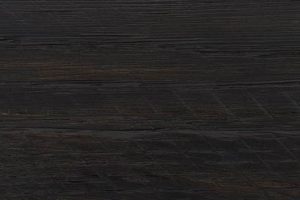
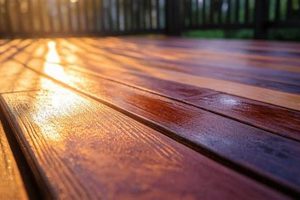
A surface defect appearing on aged coatings resembles the hide of a reptile. This characteristic cracking, caused by differing expansion rates between layers of the protective film, creates an undesirable aesthetic. It is frequently observed on furniture or architectural elements exposed to significant environmental fluctuations over extended periods.
The presence of this pattern often indicates a need for restoration, as it compromises the integrity of the protective barrier. Addressing this issue prevents further deterioration of the underlying material. Historically, various techniques, from simple recoating to complete removal and refinishing, have been employed to rectify this visual and structural problem, contributing to the longevity and preservation of valued objects.
Understanding the causes and implications of this condition is essential for proper maintenance and restoration. The following discussion will delve into the specific factors contributing to its formation, explore available repair methods, and provide guidance on preventative measures to avoid its recurrence.
Restoring Distressed Surfaces
Addressing a deteriorated protective layer on wooden items requires careful assessment and execution. The following guidelines provide valuable insight into managing this common issue.
Tip 1: Assess the Severity: Thoroughly examine the extent of the defect. Minor occurrences may only require light sanding and a fresh topcoat. Extensive cases, however, may necessitate complete removal of the existing finish.
Tip 2: Proper Surface Preparation: Prior to any repair, ensure the surface is clean and free of contaminants. Use appropriate solvents and cleaners to remove grease, wax, or other residues that may inhibit adhesion of subsequent coatings.
Tip 3: Select Compatible Products: Choose refinishing materials that are compatible with the original coating, if known, and with the underlying wood species. Incompatibility can lead to further cracking or adhesion failures.
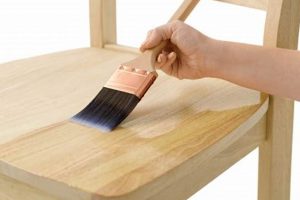
Tip 4: Controlled Application: Apply new layers of coating in thin, even coats, allowing sufficient drying time between each application. Thick, uneven coats are prone to premature cracking and other defects.
Tip 5: Environmental Control: Maintain consistent temperature and humidity levels during the refinishing process. Extreme fluctuations can negatively impact the curing process and contribute to future problems.
Tip 6: Consider Professional Assistance: For valuable or intricate pieces, consulting a professional furniture restorer is recommended. Their expertise ensures proper handling and preservation of the item.
Tip 7: Document the Process: Keep a record of the products and techniques used during restoration. This documentation will be valuable for future maintenance and repairs.
By implementing these strategies, individuals can effectively address and minimize the negative impact on wooden surfaces, thereby extending their lifespan and maintaining their aesthetic appeal.
The subsequent sections of this discussion will further elaborate on the specific repair techniques and long-term preventative measures that can be implemented.
1. Finish Layer Incompatibility

Finish layer incompatibility stands as a primary catalyst in the development of this specific surface degradation. When coatings with disparate expansion and contraction rates are layered, internal stresses accumulate. The upper, often more rigid, layer experiences greater stress than the underlying, more flexible layer as environmental conditions fluctuate. This differential stress ultimately surpasses the tensile strength of the topcoat, resulting in a distinctive network of cracks. A common example involves applying a brittle varnish over an oil-based stain that remains pliable. The varnish, unable to accommodate the stain’s movement, will invariably fracture.
The selection of compatible finishing products is therefore paramount in preventative maintenance. Thoroughly researching the properties of each layer and their potential interactions is a critical step. This involves considering factors such as solvent type, binder composition, and flexibility characteristics. Utilizing a unified finishing system, where all products are designed to work cohesively, mitigates the risk of incompatible interactions. Failure to address these factors can lead to premature coating failure, necessitating costly and time-consuming restoration efforts. Identifying and correcting compatibility issues in refinishing ensures optimal adhesion, flexibility, and longevity of the protective layer.
In summary, finish layer incompatibility represents a significant contributing factor to coating degradation. Addressing this issue through careful product selection and application minimizes the likelihood of developing this unsightly and structurally compromising defect. Understanding the causes and implications of incompatibility is essential for effective wood finishing and preservation, demanding that those undertaking wood finishing give careful attention to compatible finishing products.
2. Environmental Stress

Environmental stressors play a significant role in the development of surface cracking. Fluctuations in temperature and humidity induce expansion and contraction in both the wood substrate and the applied finish. This constant movement exerts stress on the coating, potentially leading to its eventual failure.
- Temperature Cycling
Repeated exposure to temperature extremes causes differential expansion and contraction between the wood and the finish. A rigid finish, such as certain varnishes, is less able to accommodate these dimensional changes than a more flexible coating. This constant cycle of expansion and contraction generates stress that ultimately results in the development of surface cracks. For example, furniture placed near a heating vent or in direct sunlight experiences rapid temperature changes that accelerate this process.
- Humidity Fluctuations
Wood is hygroscopic, meaning it absorbs and releases moisture from the surrounding environment. As the wood gains moisture, it swells; as it loses moisture, it shrinks. These dimensional changes place stress on the finish, especially if the finish is impermeable and unable to accommodate the wood’s movement. High humidity environments followed by periods of dryness are particularly detrimental. For instance, wooden doors exposed to seasonal humidity changes are prone to developing this surface defect due to the constant swelling and shrinking of the wood.
- Ultraviolet (UV) Radiation
Prolonged exposure to ultraviolet radiation from sunlight degrades the chemical bonds within the finish, making it brittle and less flexible. This degradation reduces the finish’s ability to withstand environmental stress, increasing its susceptibility to cracking. Exterior applications, such as wooden siding or outdoor furniture, are particularly vulnerable to UV damage. Protective measures, such as UV-resistant coatings or shading, can mitigate the effects of UV radiation.
- Pollution and Chemical Exposure
Exposure to atmospheric pollutants, such as acid rain or industrial emissions, can chemically attack the finish, weakening its structure and making it more prone to cracking. Similarly, contact with certain cleaning agents or solvents can degrade the finish. For instance, wooden surfaces in urban environments or industrial settings are often exposed to higher levels of pollutants, which can accelerate the deterioration process. Regular cleaning with appropriate, non-abrasive cleaners can help to minimize the impact of pollution and chemical exposure.
The cumulative effect of these environmental stressors contributes significantly to the prevalence of distressed surfaces. Understanding the specific environmental factors affecting a particular wooden item allows for the implementation of targeted preventative measures, such as climate control, UV protection, and appropriate cleaning practices, thereby extending the lifespan of the finish and preserving its aesthetic qualities.
3. Age-Related Degradation

The passage of time invariably influences the condition of protective films on wooden surfaces. Age-related degradation represents a significant factor in the eventual appearance of a reptile-like cracking pattern, as the finish undergoes a series of chemical and physical changes that compromise its integrity.
- Loss of Plasticizers
Many coatings contain plasticizers, additives that enhance flexibility and prevent brittleness. Over time, these plasticizers gradually evaporate or leach out of the finish, resulting in a loss of elasticity. This embrittlement makes the coating more susceptible to cracking under stress. Older varnishes, for example, often become extremely brittle due to plasticizer loss, making them prone to this kind of surface defect.
- Cross-linking Deterioration
The cross-linking of polymer chains within a finish provides its strength and durability. Age-related degradation can disrupt these cross-links, weakening the coating’s structure. This deterioration makes the finish more vulnerable to cracking and other forms of damage. The specific chemical composition of the finish influences the rate and extent of cross-linking deterioration. Certain types of finishes, such as those containing natural resins, are more prone to this type of degradation than others.
- Oxidation and UV Damage Accumulation
Oxidation, a chemical reaction with oxygen, can alter the composition of the finish, leading to discoloration, embrittlement, and cracking. Simultaneously, prolonged exposure to ultraviolet (UV) radiation from sunlight breaks down the chemical bonds within the finish, accelerating the aging process. The combined effect of oxidation and UV damage significantly increases the likelihood of this surface pattern appearing. Exterior wooden surfaces are particularly susceptible to this form of degradation.
- Microbial Attack
Certain types of fungi and bacteria can colonize the surface of a finish, feeding on its organic components and weakening its structure. This microbial attack can create microscopic fissures that eventually propagate into larger cracks. Humid environments promote microbial growth, accelerating the degradation process. Finishes containing natural oils or resins are more susceptible to microbial attack. Application of antimicrobial treatments can help prevent or slow this type of degradation.
The interplay of these age-related processes significantly increases the likelihood of a degraded surface appearing on aged finishes. While proper maintenance and environmental control can slow the rate of degradation, the inherent properties of the finish and the inevitable passage of time will eventually lead to a decline in its structural integrity. Recognizing these age-related changes allows for timely intervention and restoration efforts, preserving the aesthetic and structural value of wooden objects.
4. Improper Application

The method by which a coating is applied significantly impacts its long-term performance and susceptibility to surface cracking. Flaws in the application process can introduce stresses and weaknesses within the finish, predisposing it to premature failure and the eventual development of a characteristic reptile-like pattern.
- Excessive Film Thickness
Applying a coating in excessively thick layers impedes proper drying and curing. The surface of the finish may dry and harden before the underlying layers, trapping solvents and creating internal stresses. As the trapped solvents eventually evaporate, the surface contracts, leading to cracking. This is particularly evident with varnishes and lacquers, where thick applications result in a brittle surface prone to fracture. The thicker the layer, the more dramatic and rapid the contraction is, exacerbating the visual effect.
- Inadequate Inter-Coat Sanding
Proper adhesion between successive coats is crucial for creating a unified, durable finish. Failure to adequately sand between coats results in a smooth, non-porous surface that prevents the subsequent layer from properly bonding. This lack of adhesion creates a weak interface, susceptible to cracking when subjected to environmental stress or physical impact. A common scenario involves applying a topcoat directly over a glossy base coat without sanding, resulting in poor adhesion and eventual failure of the topcoat.
- Incorrect Spray Techniques
When using spray equipment, improper techniques can lead to uneven coating thickness, dry spray, and orange peel. Dry spray occurs when the solvent evaporates before the coating reaches the surface, resulting in a rough, porous finish with poor adhesion. Orange peel, characterized by a dimpled surface, indicates improper atomization or application distance. These defects create stress concentrators within the finish, increasing its susceptibility to cracking. For example, spraying from too far away or using incorrect nozzle settings can lead to dry spray and subsequent failure.
- Contaminated Application Tools
Using brushes, rollers, or spray equipment contaminated with dirt, dust, or incompatible materials introduces impurities into the finish. These contaminants disrupt the uniformity of the coating and can interfere with its curing process, creating weak points that are prone to cracking. For instance, using a brush that has been previously used with an oil-based paint to apply a water-based varnish can lead to contamination and subsequent adhesion problems.
These improper application techniques introduce inherent weaknesses into the finish, accelerating the aging process and increasing susceptibility to surface defects. Addressing these issues through careful application practices, proper surface preparation, and the use of clean, appropriate tools ensures the long-term durability and aesthetic appeal of the coating, minimizing the risk of a distressed surface developing over time.
5. Inadequate Preparation
Failure to properly prepare a wooden surface before applying a finish significantly increases the likelihood of premature coating failure, manifesting as a reptile-like surface pattern. Inadequate preparation compromises adhesion, introduces contaminants, and creates uneven surfaces, all of which contribute to the development of this undesirable aesthetic.
- Insufficient Cleaning
The presence of dirt, dust, grease, wax, or other contaminants on the wood surface interferes with proper adhesion of the finish. These contaminants act as a barrier, preventing the finish from bonding directly to the wood fibers. This weak bond is then susceptible to cracking and peeling under stress. For example, applying a varnish over a greasy surface without proper degreasing will inevitably lead to poor adhesion and subsequent coating failure. The thorough removal of all surface contaminants is, therefore, a critical first step in ensuring a durable and long-lasting finish.
- Lack of Proper Sanding
Sanding creates a slightly roughened surface that provides “tooth” for the finish to grip. Without adequate sanding, the finish is applied to a smooth, non-porous surface, reducing its ability to adhere effectively. Furthermore, sanding removes loose wood fibers and imperfections that can compromise the integrity of the coating. For instance, applying a stain to unsanded wood will result in uneven color absorption and poor adhesion of subsequent topcoats. The selection of appropriate sandpaper grit and sanding techniques is essential for achieving a properly prepared surface.
- Failure to Address Existing Damage
Ignoring pre-existing cracks, dents, or other damage to the wood surface can compromise the integrity of the new finish. These imperfections create stress points that are prone to cracking and peeling. Filling and repairing these imperfections prior to applying the finish ensures a smooth, uniform surface that promotes optimal adhesion and durability. Applying a new coating over an existing crack, for example, will simply mask the problem temporarily, as the crack will likely propagate through the new finish over time.
- Inappropriate Moisture Content
Wood is hygroscopic, meaning it absorbs and releases moisture from the surrounding environment. Applying a finish to wood with an excessively high moisture content can trap moisture beneath the coating. As the wood dries, it shrinks, creating stresses that lead to cracking and peeling. Conversely, applying a finish to overly dry wood can result in the wood absorbing moisture from the finish, causing it to dry too quickly and leading to poor adhesion. Ensuring that the wood has acclimated to its environment and has a stable moisture content before applying the finish is crucial for preventing these problems.
These elements of inadequate preparation interact synergistically to accelerate the deterioration of the applied finish. Neglecting any one of these aspects can significantly reduce the lifespan of the coating and increase the likelihood of a distressed pattern appearing. Comprehensive surface preparation, therefore, represents a critical investment in the long-term performance and aesthetic quality of any wooden object.
6. Film Thickness Variance

Variations in the thickness of a protective coating significantly contribute to the development of the characteristic reptile-like surface defect on wood finishes. Uneven film thickness introduces internal stresses and differential expansion rates, predisposing the coating to cracking and premature failure.
- Localized Stress Concentration
Areas with thicker film accumulations experience greater stress under environmental changes. Thicker sections expand and contract more than thinner sections in response to temperature and humidity fluctuations. This differential movement creates localized stress concentrations within the finish. For example, drips or runs in a varnish application represent areas of increased thickness that are highly susceptible to cracking. These stress points initiate cracks that propagate across the surface, ultimately leading to the characteristic patterned appearance.
- Differential Drying and Curing Rates
Variations in film thickness affect the rate at which the coating dries and cures. Thicker areas require longer drying times, potentially trapping solvents and hindering proper cross-linking. This uneven curing process creates internal stresses within the finish. For instance, a thick layer of lacquer may skin over on the surface while the underlying layers remain soft. As the trapped solvents eventually evaporate, the surface contracts unevenly, resulting in cracking. Consistent and even drying is key to a stable, long-lasting finish.
- Edge and Corner Accumulation
Edges and corners often receive a greater accumulation of finish due to surface tension and application techniques. This increased film thickness at edges and corners creates stress points that are particularly vulnerable to cracking. For example, the edges of a tabletop or the corners of a furniture leg are common locations where the pattern first appears. Careful attention to application techniques in these areas is essential to avoid excessive film build-up and prevent premature failure.
- Substrate Imperfections Amplification
Uneven film thickness exaggerates imperfections in the underlying wood substrate. Variations in the wood’s density or surface texture can lead to localized differences in finish absorption, resulting in uneven film thickness. For example, areas of porous grain may absorb more finish than denser areas, creating thickness variations that amplify stress. Proper surface preparation, including sanding and sealing, minimizes substrate imperfections and promotes a more uniform finish layer.
The cumulative effect of these factors underscores the importance of achieving uniform film thickness in wood finishing. Addressing film thickness variance through careful application techniques, proper surface preparation, and appropriate product selection minimizes the risk of a reptile-like cracking pattern developing, ensuring a durable and aesthetically pleasing finish. Controlling thickness and applying in several even coats are best practices for preventing this issue.
7. Wood Substrate Movement
Wood substrate movement, the dimensional change of wood due to variations in moisture content, is a significant contributing factor to the development of a reptile-like surface defect. Wood is hygroscopic, readily absorbing and releasing moisture to equilibrate with the surrounding environment. This process results in expansion when moisture is gained and contraction when moisture is lost. A finish applied to wood restricts this natural movement, creating stress at the interface between the wood and the coating. If the finish lacks sufficient flexibility or bond strength, it will eventually crack under the strain. For example, a rigid varnish applied to a door that experiences seasonal humidity changes will likely develop this cracking pattern, as the wood expands and contracts while the inflexible varnish resists this movement.
The extent of wood movement is influenced by several factors, including the wood species, grain orientation, and environmental conditions. Tangential wood movement, which occurs across the width of the growth rings, is typically greater than radial movement. This anisotropic behavior further complicates the interaction between the wood and the finish. Furthermore, rapid and extreme fluctuations in humidity exacerbate the problem. Consider antique furniture that is moved from a climate-controlled environment to a less stable one. The sudden change in humidity causes rapid wood movement, overwhelming the finish’s ability to adapt, and resulting in cracking. Effective prevention strategies include selecting stable wood species, controlling the humidity of the environment, and utilizing flexible finishing systems that can accommodate wood movement without cracking.
Understanding the dynamics of wood substrate movement is essential for preventing this kind of surface defect. Ignoring this factor in finish selection and application can lead to costly and time-consuming restoration efforts. By considering the inherent properties of wood and implementing appropriate preventative measures, it is possible to create durable and aesthetically pleasing finishes that withstand the test of time. Failure to do so guarantees that the coating will eventually succumb to the forces of nature, resulting in an undesirable and structurally unsound surface.
Frequently Asked Questions
This section addresses common inquiries regarding the appearance and management of surfaces exhibiting reptile-like cracking. The information provided aims to clarify misconceptions and offer practical guidance.
Question 1: What exactly constitutes “alligatored wood finish?”
It describes a specific type of surface degradation characterized by a network of interconnected cracks resembling the scales of an alligator. This pattern typically arises from the differential expansion and contraction rates of the coating layers.
Question 2: Is this pattern purely an aesthetic concern, or does it indicate a structural problem?
While visually unappealing, this cracking signifies a compromise in the protective function of the coating. It allows moisture and contaminants to penetrate the underlying wood, potentially leading to decay and further structural damage.
Question 3: Can this be repaired, or is complete refinishing always necessary?
The appropriate repair method depends on the severity of the cracking. Minor instances may be addressed with careful cleaning, light sanding, and a new topcoat. Extensive cases often require complete removal of the existing finish and refinishing.
Question 4: What are the primary causes of this type of surface defect?
Several factors contribute, including incompatible coating layers, environmental stress (temperature and humidity fluctuations), age-related degradation of the finish, improper application techniques, and inadequate surface preparation.
Question 5: How can be prevented this reptile like appearance from occurring in the first place?
Preventative measures include selecting compatible finishing products, controlling the environment (maintaining stable temperature and humidity), ensuring proper surface preparation, applying coatings in thin, even layers, and avoiding excessive film thickness.
Question 6: Are certain types of finishes more prone to this issue than others?
Rigid finishes, such as certain varnishes, are less able to accommodate wood movement and are therefore more susceptible to this type of cracking. More flexible finishes, such as oil-based coatings, tend to be more resistant.
In summary, understanding the causes and implications of reptile like surface patterns is crucial for effective maintenance and restoration of wooden surfaces. Implementing preventative measures during the finishing process is essential for ensuring the longevity and aesthetic appeal of valuable items.
The following section will delve into specific restoration techniques and provide detailed guidance on selecting appropriate materials and methods.
Understanding Alligatored Wood Finish
The preceding exploration has illuminated the multifaceted nature of alligatored wood finish, moving beyond mere aesthetic disapproval. The various factors contributing to its formation finish incompatibility, environmental stressors, age-related degradation, improper application, and wood substrate movement necessitate a comprehensive and proactive approach to wood finishing and maintenance. Recognizing the interplay of these elements is paramount for preventing and addressing this pervasive issue.
The preservation of wooden objects requires vigilance and informed decision-making. A commitment to proper techniques and materials not only enhances aesthetic appeal but also safeguards structural integrity. Future efforts should prioritize preventative strategies and sustainable restoration practices, ensuring the longevity and enduring beauty of wood for generations to come. Continued research and education are essential in mitigating the occurrence and impact of alligatored wood finish, thereby upholding the value of craftsmanship and the preservation of natural resources.